
Search
- Jennifer O'Hare in Her Prom Dress, May 13, 2006 - Proms are a much-anticipated milestone for many teenagers. High school students dress up in their most glamorous formal clothing to enjoy the prom. And for teen girls, choosing the perfect dress is key to the experience -- even when a compromise is required. Jennifer O'Hare preferred a backless dress but chose one acceptable to her mother, who helped pay for the gown.

- May 13, 2006
- Collections - Artifact
Jennifer O'Hare in Her Prom Dress, May 13, 2006
Proms are a much-anticipated milestone for many teenagers. High school students dress up in their most glamorous formal clothing to enjoy the prom. And for teen girls, choosing the perfect dress is key to the experience -- even when a compromise is required. Jennifer O'Hare preferred a backless dress but chose one acceptable to her mother, who helped pay for the gown.
- Photobooth Portrait of a Young Woman, 1945-1950 -
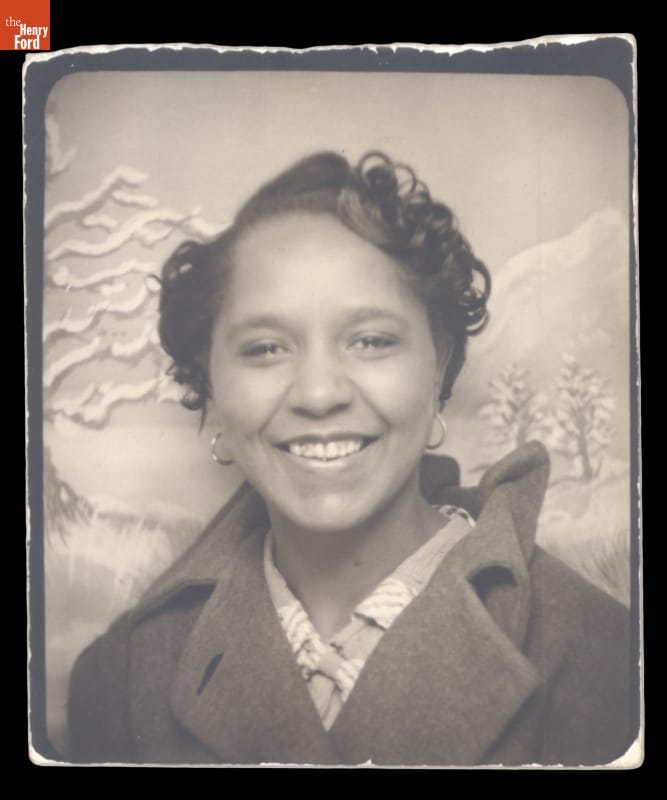
- 1945-1950
- Collections - Artifact
Photobooth Portrait of a Young Woman, 1945-1950
- Linda Detrick Nelson and the Redford Union High School Prom Court, Lovett Hall, May 13, 1960 -
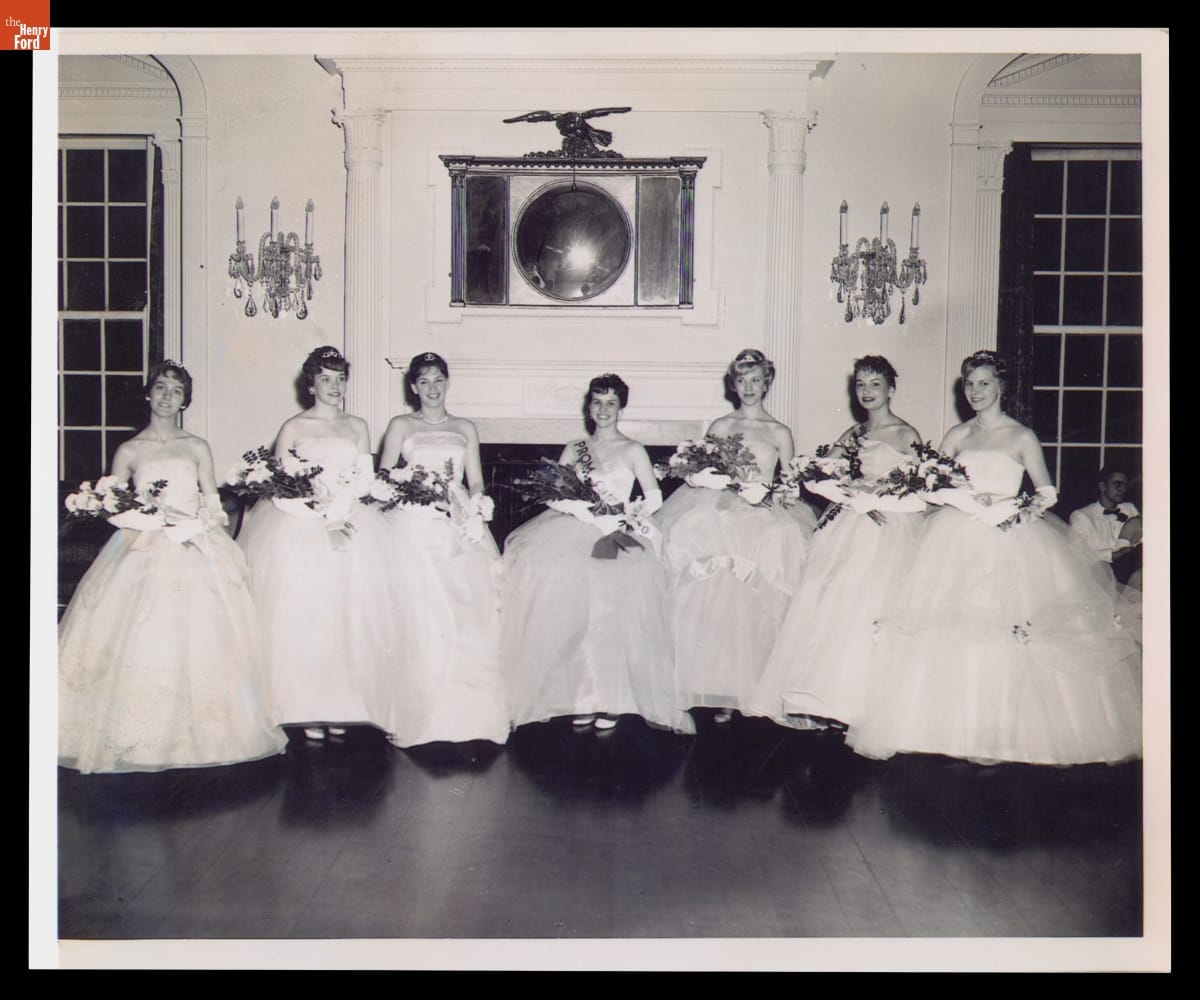
- May 13, 1960
- Collections - Artifact
Linda Detrick Nelson and the Redford Union High School Prom Court, Lovett Hall, May 13, 1960
- Dance Program, "The Class of 1961 Presents 'Til the End of Time...," May 1961 -

- May 20, 1961
- Collections - Artifact
Dance Program, "The Class of 1961 Presents 'Til the End of Time...," May 1961
- Jennifer O'Hare in Her Prom Dress with Her Parents, Mike and Ellen O'Hare, May 13, 2006 - Proms are a much-anticipated milestone for many teenagers. High school students dress up in their most glamorous formal clothing to enjoy the prom. And for teen girls, choosing the perfect dress is key to the experience -- even when a compromise is required. Jennifer O'Hare preferred a backless dress but chose one acceptable to her mother, who helped pay for the gown.

- May 13, 2006
- Collections - Artifact
Jennifer O'Hare in Her Prom Dress with Her Parents, Mike and Ellen O'Hare, May 13, 2006
Proms are a much-anticipated milestone for many teenagers. High school students dress up in their most glamorous formal clothing to enjoy the prom. And for teen girls, choosing the perfect dress is key to the experience -- even when a compromise is required. Jennifer O'Hare preferred a backless dress but chose one acceptable to her mother, who helped pay for the gown.
- Jennifer O'Hare and Alia Wesala at Troy Athens High School Prom, May 13, 2006 - Proms are a much-anticipated milestone for many teenagers. High school students dress up in their most glamorous clothing to attend these end-of-the-school-year formal dances. Some promgoers participate as a couple, while other teens band together with a group of friends to enjoy the event.
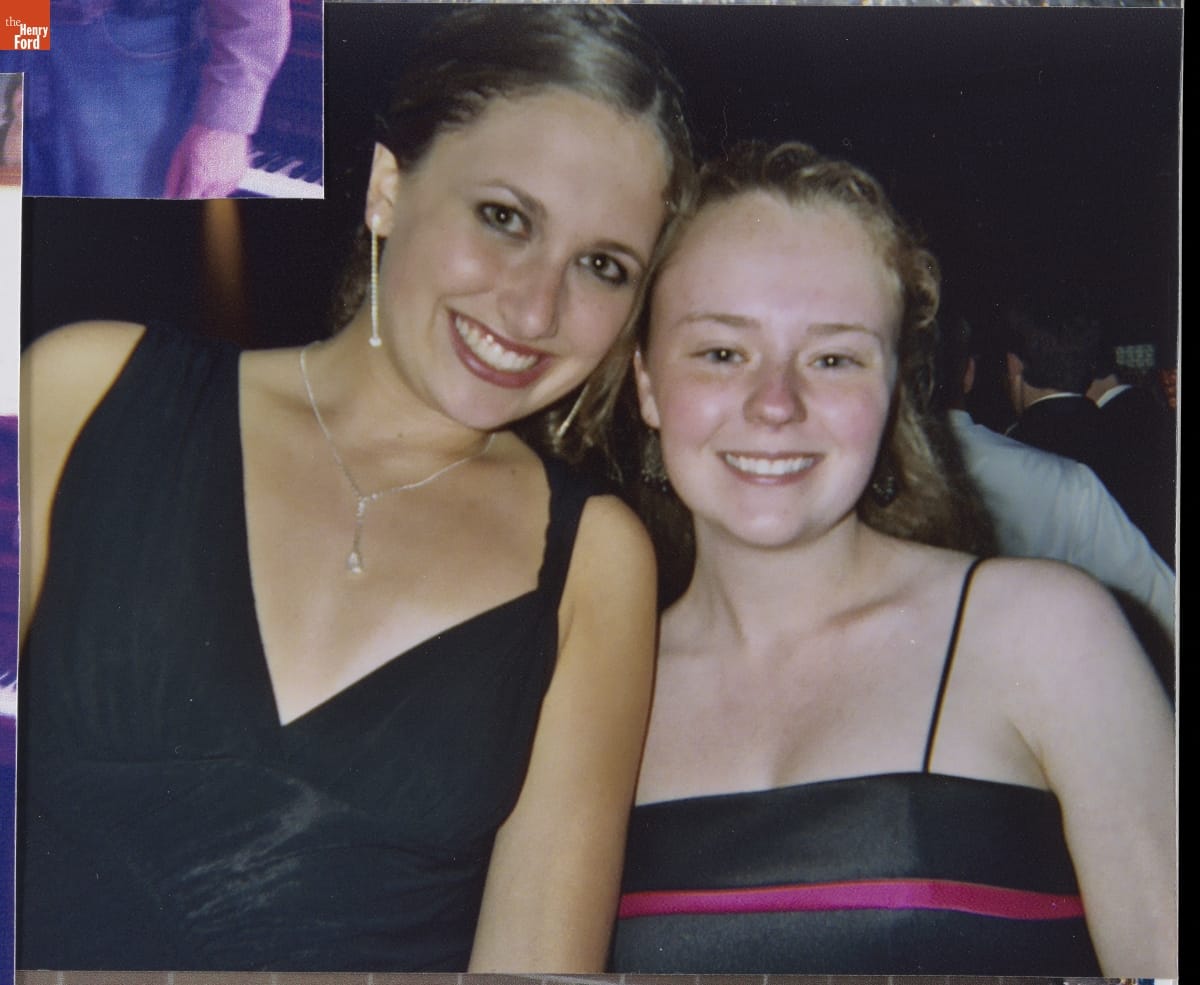
- May 13, 2006
- Collections - Artifact
Jennifer O'Hare and Alia Wesala at Troy Athens High School Prom, May 13, 2006
Proms are a much-anticipated milestone for many teenagers. High school students dress up in their most glamorous clothing to attend these end-of-the-school-year formal dances. Some promgoers participate as a couple, while other teens band together with a group of friends to enjoy the event.
- Macon (Michigan) High School Students Marjorie Korth and Joan Cadmus Organize Jars of Asparagus on Shelves, August 1943 -
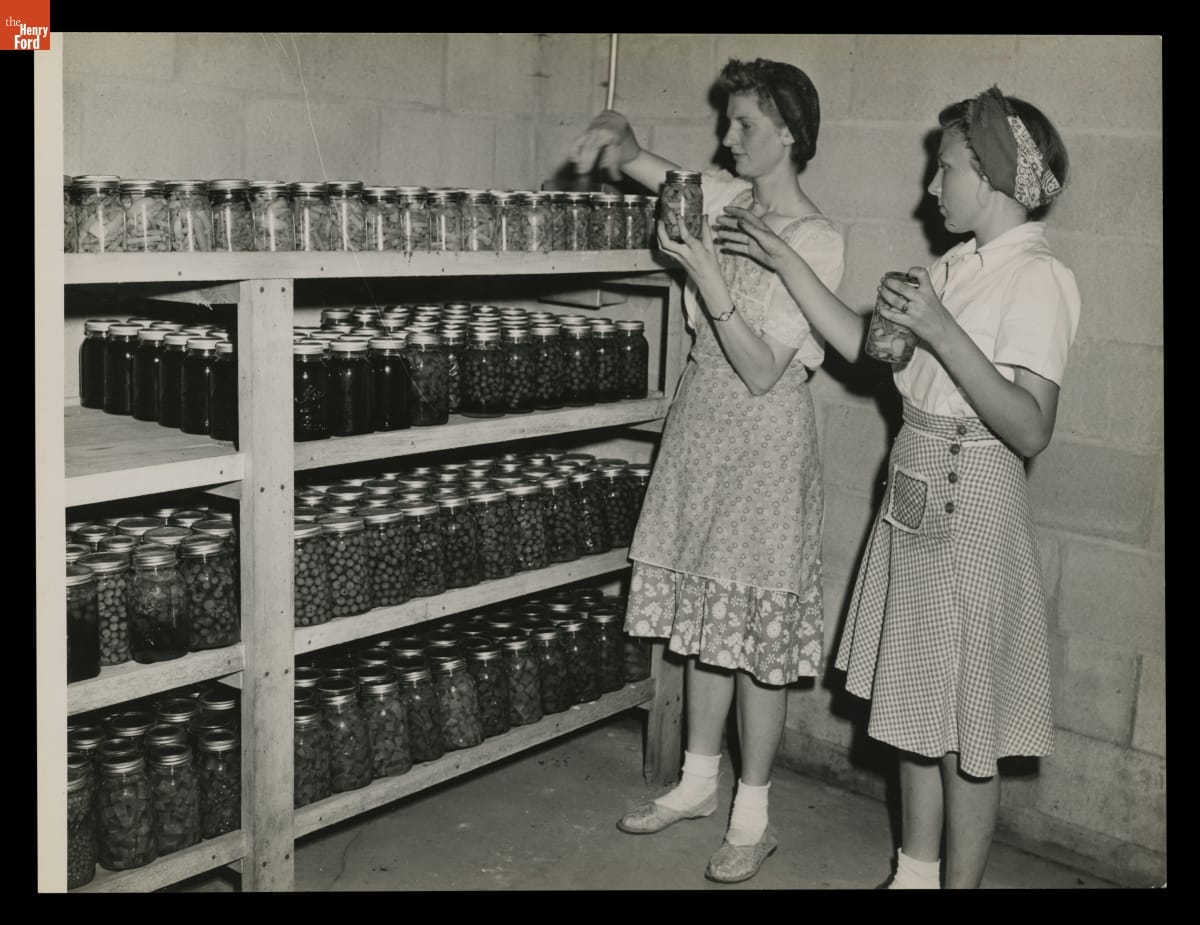
- August 23, 1943
- Collections - Artifact
Macon (Michigan) High School Students Marjorie Korth and Joan Cadmus Organize Jars of Asparagus on Shelves, August 1943
- World War I Poster, "For Every Fighter a Woman Worker, " 1918 - During the First World War, governments of all the warring nations used poster campaigns to encourage civilian and military support of the war effort. Artists widely used an innovative advertising technique for these posters that moved away from a factual depiction of a product's material or event's subject to an emphasis on appealing to the viewer's emotions.

- 1918
- Collections - Artifact
World War I Poster, "For Every Fighter a Woman Worker, " 1918
During the First World War, governments of all the warring nations used poster campaigns to encourage civilian and military support of the war effort. Artists widely used an innovative advertising technique for these posters that moved away from a factual depiction of a product's material or event's subject to an emphasis on appealing to the viewer's emotions.
- Young Women's Christian Association Building, Detroit, Michigan -
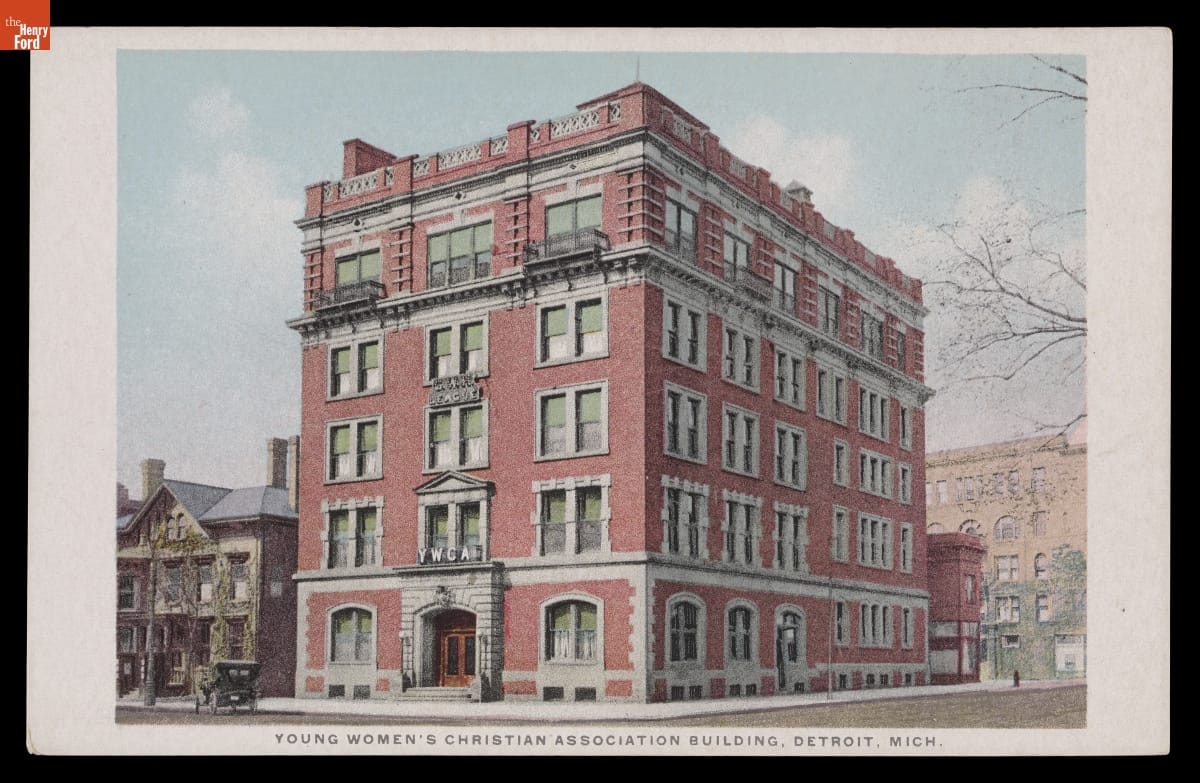
- 1900-1910
- Collections - Artifact
Young Women's Christian Association Building, Detroit, Michigan
- Jennifer O'Hare in Her Prom Dress, May 13, 2006 - Proms are a much-anticipated milestone for many teenagers. High school students dress up in their most glamorous formal clothing to enjoy the prom. And for teen girls, choosing the perfect dress is key to the experience -- even when a compromise is required. Jennifer O'Hare preferred a backless dress but chose one acceptable to her mother, who helped pay for the gown.

- May 13, 2006
- Collections - Artifact
Jennifer O'Hare in Her Prom Dress, May 13, 2006
Proms are a much-anticipated milestone for many teenagers. High school students dress up in their most glamorous formal clothing to enjoy the prom. And for teen girls, choosing the perfect dress is key to the experience -- even when a compromise is required. Jennifer O'Hare preferred a backless dress but chose one acceptable to her mother, who helped pay for the gown.