
Tripp Sawmill
THF1880 / Tripp Sawmill
01
Artifact Overview
Small sawmills played a fundamental role in rural communities in nineteenth century America, processing locally-logged wood to provide sawn lumber for construction in the immediate area. While many such mills were water powered, this was steam-powered from the outset. It was simple but refined -- a modest, self-sufficient industrial operation (water and fuel was available onsite), comfortably wedded to its rural location.
Artifact Details
Artifact
Sawmill (Factory)
Date Made
circa 1855
Creators
Place of Creation
Creator Notes
Built by British immigrant Reverend Henry Tripp in Tipton, Michigan.
Location
at Greenfield Village in Liberty Craftworks District
Object ID
26.155.1
Credit
From the Collections of The Henry Ford.
Material
Wood (Plant material)
Metal
Keywords |
|---|
02
Related Content
 Set
SetGreenfield Village Buildings
- 84 Artifacts
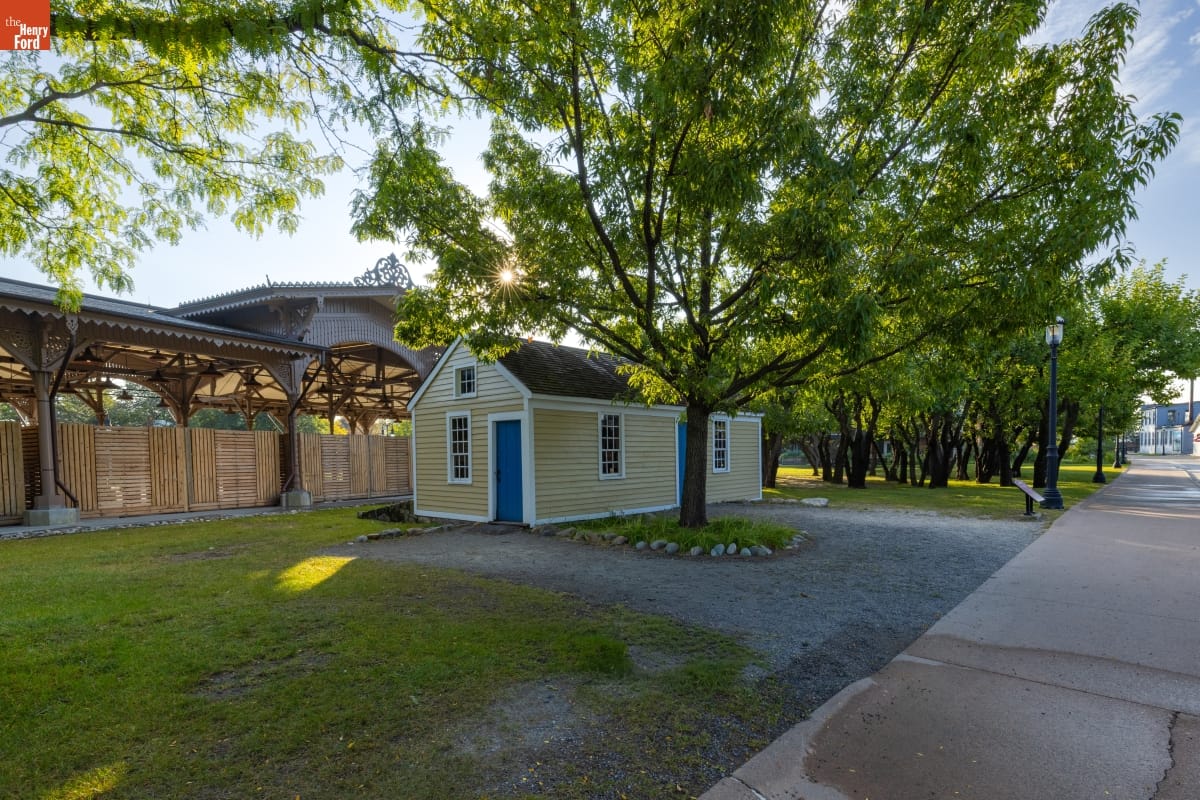
As America was taking its first steps towards industrialization, the Hanks family of Mansfield, Connecticut, made early attempts to mechanize the production of silk thread. Rodney Hanks and his nephew Horatio Hanks built this mill in 1810. It was the first silk mill in America, producing some of the first silk with machines that were powered by a waterwheel.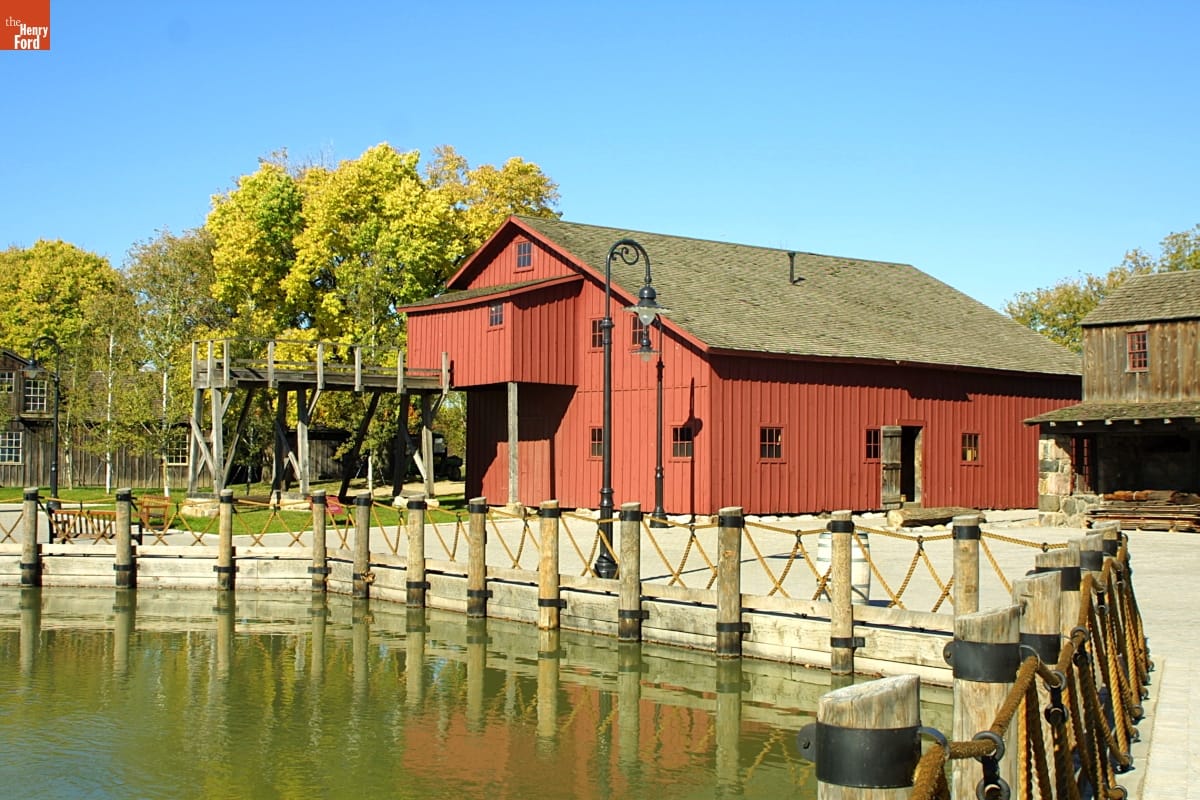 Set
SetFeatured on The Henry Ford's Innovation Nation: Season 6
- 25 Artifacts
Small sawmills played a fundamental role in rural communities in nineteenth century America, processing locally-logged wood to provide sawn lumber for construction in the immediate area. While many such mills were water powered, this was steam-powered from the outset. It was simple but refined -- a modest, self-sufficient industrial operation (water and fuel was available onsite), comfortably wedded to its rural location. Set
SetAmerica's Industrial Revolution
- 61 Artifacts
The Model T's distinction as a landmark car design can be traced in large part to machines like this -- a high capacity precision machine tool that performed just two production steps on the car engine's cylinder block. The Model T as a design achievement is inseparable from many hundreds of engineering, materials, and production innovations.