
Agriculture & the Environment
Curated sets
Agriculture and the Environment
- 50 Artifacts
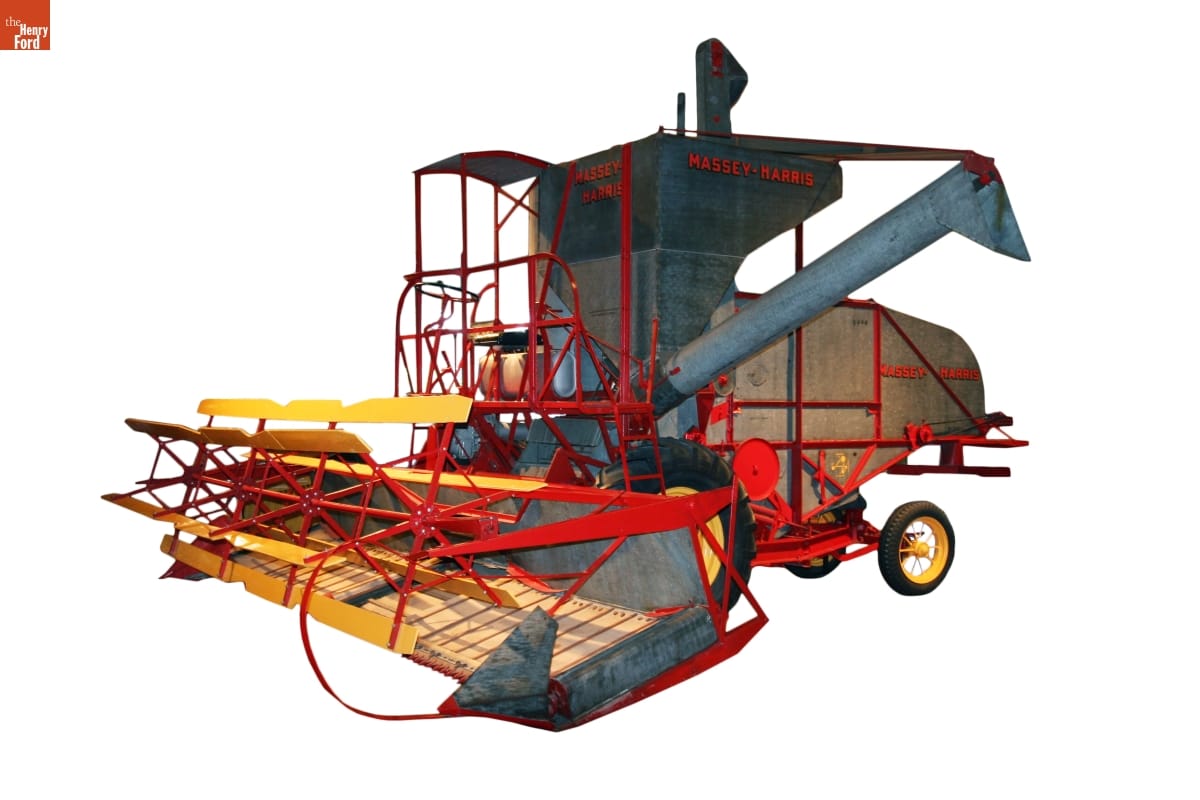
Raising livestock and growing crops requires year-round work and specialized knowledge and skills. Farm families used tools to reduce the physical strain of daily and seasonal work. The shift from animal to mechanical power further transformed farm life and raised questions about sustainable practices. Understanding changing relationships between humans, plants, animals, and the environment begins by exploring historic farming technologies.
Curated sets
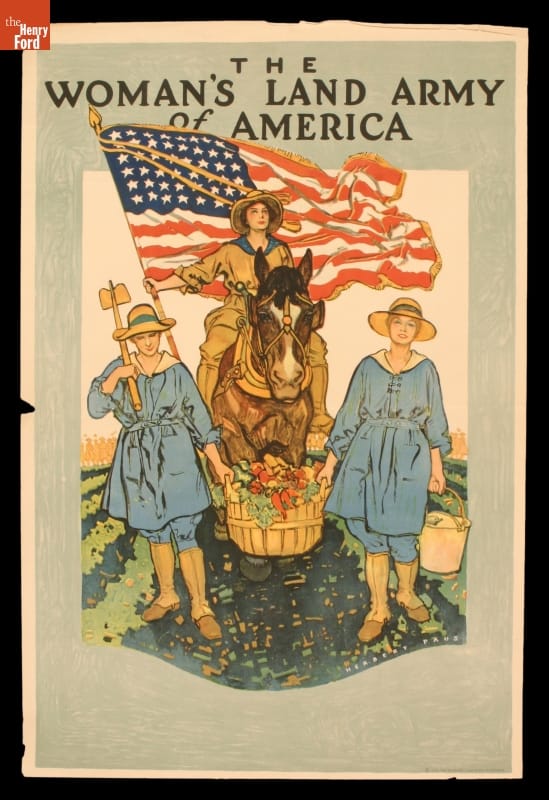
Women and the Land: Agricultural Organizations of World War I
- 11 Artifacts
When the United States entered World War I in 1917, Americans worried about labor shortages caused by men leaving their work to join the military. Would enough laborers remain on the home front to harvest crops to feed troops and civilians? Private groups like the Woman's Land Army and the Woman's National Farm and Garden Association trained women to tend the country's farms and gardens. They provided critical support to the federal war effort.

Article
Steam-Powered Agriculture
Steam-powered traction engines transformed American agriculture from intense hand labor to almost total mechanization. Learn more in this blog post.
29:23

video
Farmer Spotlight presented by Michigan Soybean Committee
Today we are excited to share our THF Conversations: Farmer Spotlight presented by Michigan Soybean Committee. With this spotlight we are celebrating social innovators industry experts and trailblazers. Debra Reid, Curator of Agriculture and the Environment at The Henry Ford had the pleasure of speaking with Jake Eisley, a 6th generation farmer in Lenawee County, Michigan. Learn more about his story.
Curated sets
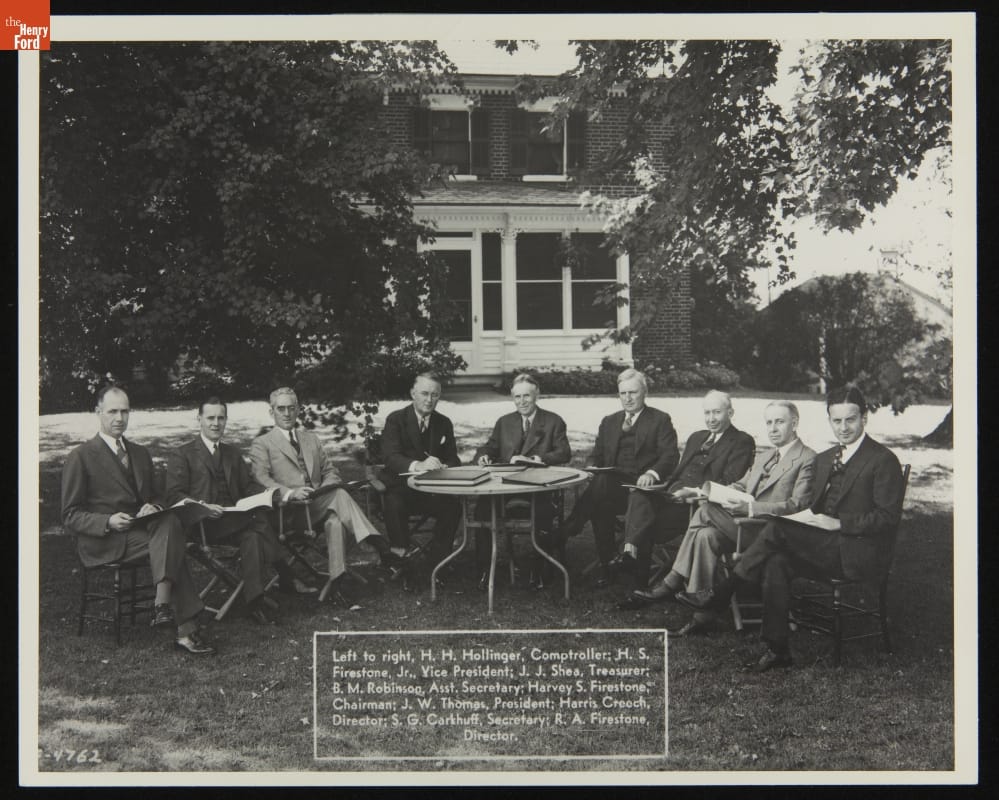
Business Lessons from Firestone Farm
- 17 Artifacts
Growing up on his father’s farm, Harvey Firestone learned the value of planning, efficiency, and integrity in business — lessons that would lead him to future success with his Firestone Tire and Rubber Company.

Article
Conserving Our McCormick-Deering Farmall Regular Tractor
Find out how we recently conserved our International Harvester McCormick-Deering Farmall, the first commercially successful row-crop tractor, to an authentic 1926 appearance. The tractor is now on exhibit in Henry Ford Museum of American Innovation.

Article
Preserving the Fruit and Vegetable Harvest at Daggett Farm
Samuel and Anna Daggett and their children, like other farm families living in northeastern Connecticut in the 1760s, made careful preparations to get through the winter.
01
George Washington Carver
Carver believed there could be a mutually profitable relationship between agriculture and manufacturing.

Article
What if an Artist Becomes a Scientist?
Throughout George W. Carver’s life, he balanced two interests and talents that may seem at odds — the creative arts and the natural sciences.

Article
George Washington Carver’s Microscope
Take a closer look at Black empowerment through Black education with the microscope used by agricultural scientist George Washington Carver during his tenure at the Tuskegee Institute in Alabama.
17 Videos

video playlist
Georger Washington Carver
George Washington Carver was a teacher, educating generations of agricultural scientists who would carry on the agricultural outreach he had set into motion. To him science was more than an intellectual pursuit. It was a tool for serving people and to change the world around him.

Article
George Washington Carver – Difference Maker
Innovator George Washington Carver is featured in a new digital experience in the Agriculture exhibit at Henry Ford Museum of American Innovation.

Article
Seventy-five Years of the George Washington Carver Cabin
This year, we celebrate the 75th anniversary of the dedication of the George Washington Carver Memorial in Greenfield Village. Dig into the history of the building and the African American scientist who inspired it.
02
Detroit Central Market
The Vegetable Building from Detroit’s Central Market in Greenfield Village.

Article
Built to Serve: Detroit Central Market
Cities like Detroit built public markets where growers, fish mongers, vendors, and peddlers sold directly to customers. People of all ages, many nationalities, and various occupations crossed paths in these spaces.

Article
Mary Judge: Fixture of Detroit’s Central Market
Through determination and resourcefulness, Mary Judge stood out from the other “hucksters” at Detroit’s Central Market in the latter half of the 19th century. Poor, single, and an immigrant, Judge managed to make a living – and a name for herself.
54:41

video
Businesswomen at Detroit Central Market
In honor of the Detroit Central Market joining Greenfield Village as our first permanent addition to the village since 2000, this program focuses on female hucksters and market gardeners who made an impression. Together with Deb Reid, curator of Agriculture and the Environment at The Henry Ford, we learn about causes of food fights like the Cucumber War of 1861, strategies that bound market families together, conflicts that pulled them apart, and philanthropy that extended their reach.

Article
Detroit Central Market Vegetable Building: Curator Q&A
Go behind the scenes with Debra A. Reid, Curator of Agriculture and the Environment at The Henry Ford, as she answers questions about the Vegetable Building from Detroit’s Central Market.
Artifact
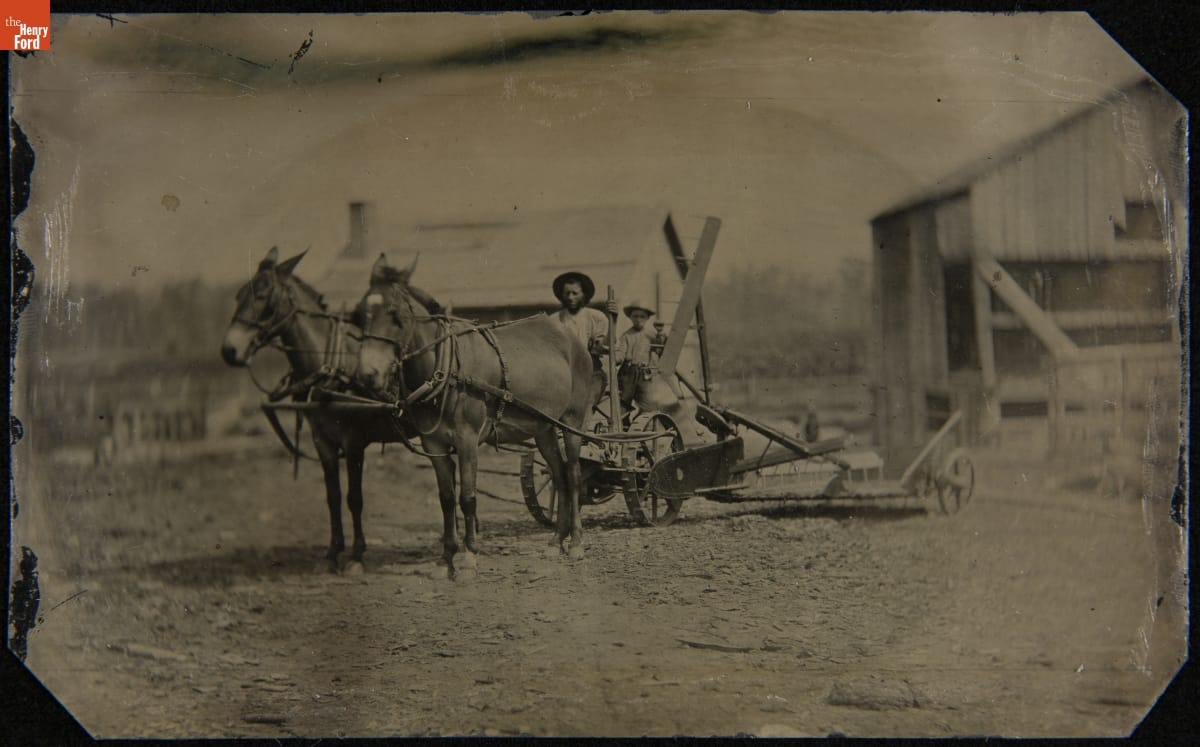
Man and Child Using a Mule-Drawn Reaper, 1875-1900
Tintypes, the popular "instant photographs" of the 19th century, could be produced in a matter of minutes at a price most people could afford. At first, outdoor tintypes were rare. But after a new, more convenient process for making tintypes was introduced in the 1880s, photographs of outdoor scenes became more common.
Artifact
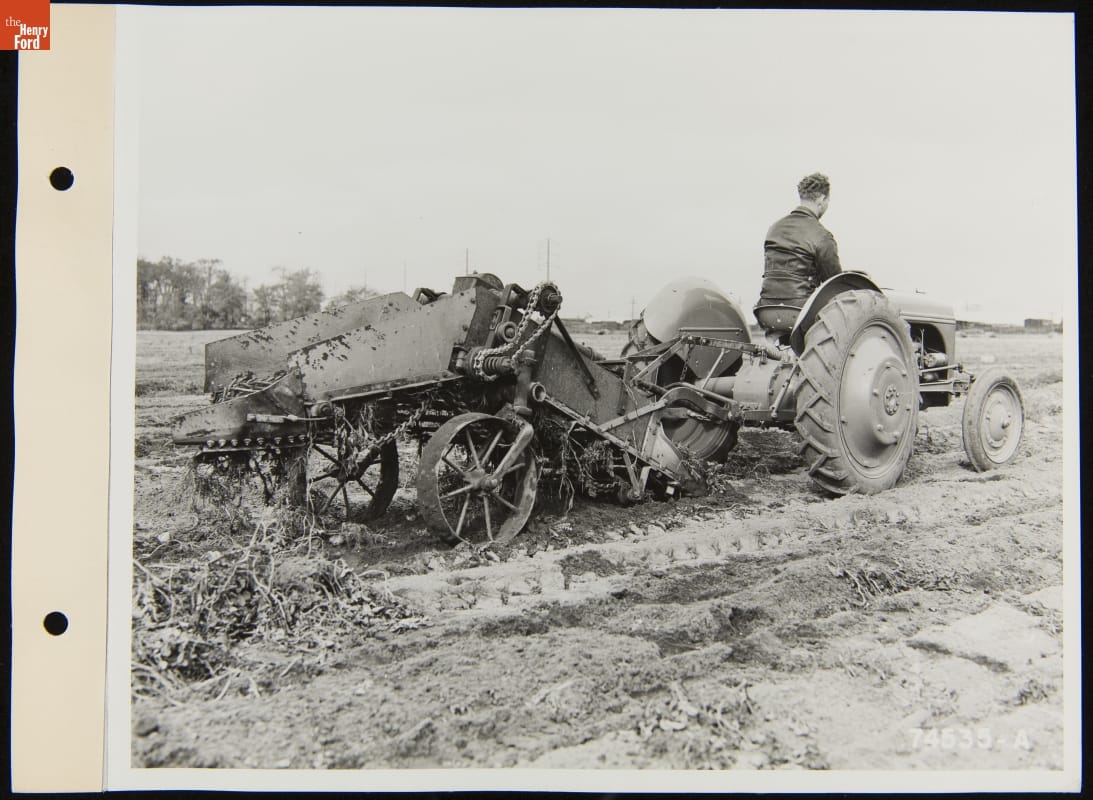
Ford-Ferguson 9N Tractor and Potato Digging Machine, October 18, 1940
Ford Motor Company lost money on every Ford-Ferguson tractor it sold. Yet, its affordable price tag appealed to cash-strapped farmers in 1939 when the tractor entered the market. It became an indispensable tool on smaller farms, including those raising specialty crops such as potatoes. The 9N reduced the physical strain on farmers' backs without adding too much to their burden of debt.
Artifact
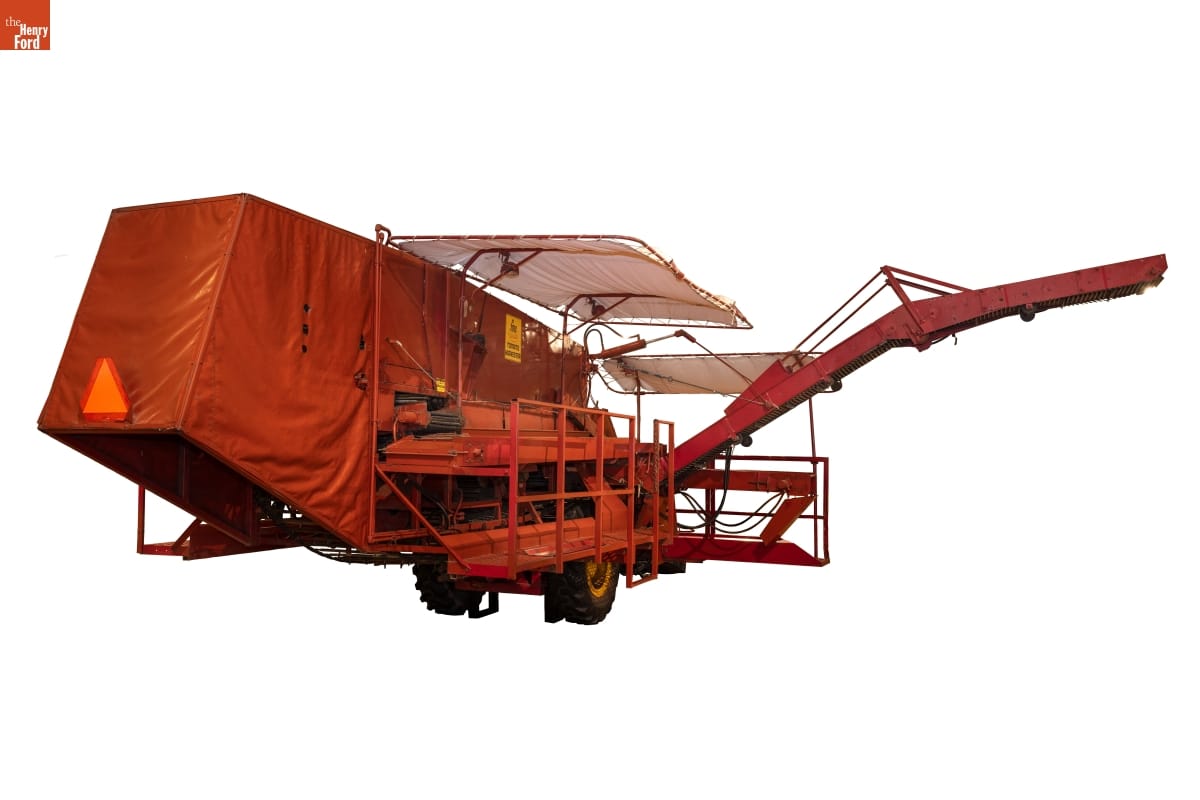
FMC Tomato Harvester, 1969
Tomatoes need careful handling. Growers who contract with processors used to rely on human laborers. The quest to plant and harvest more, faster, gave mechanical engineers and plant geneticists incentive to design a machine and a tomato it could harvest. The FMC Cascade Harvester carried 10-12 laborers who sorted debris out of the crop, fewer laborers than growers had needed for handpicking.
Artifact
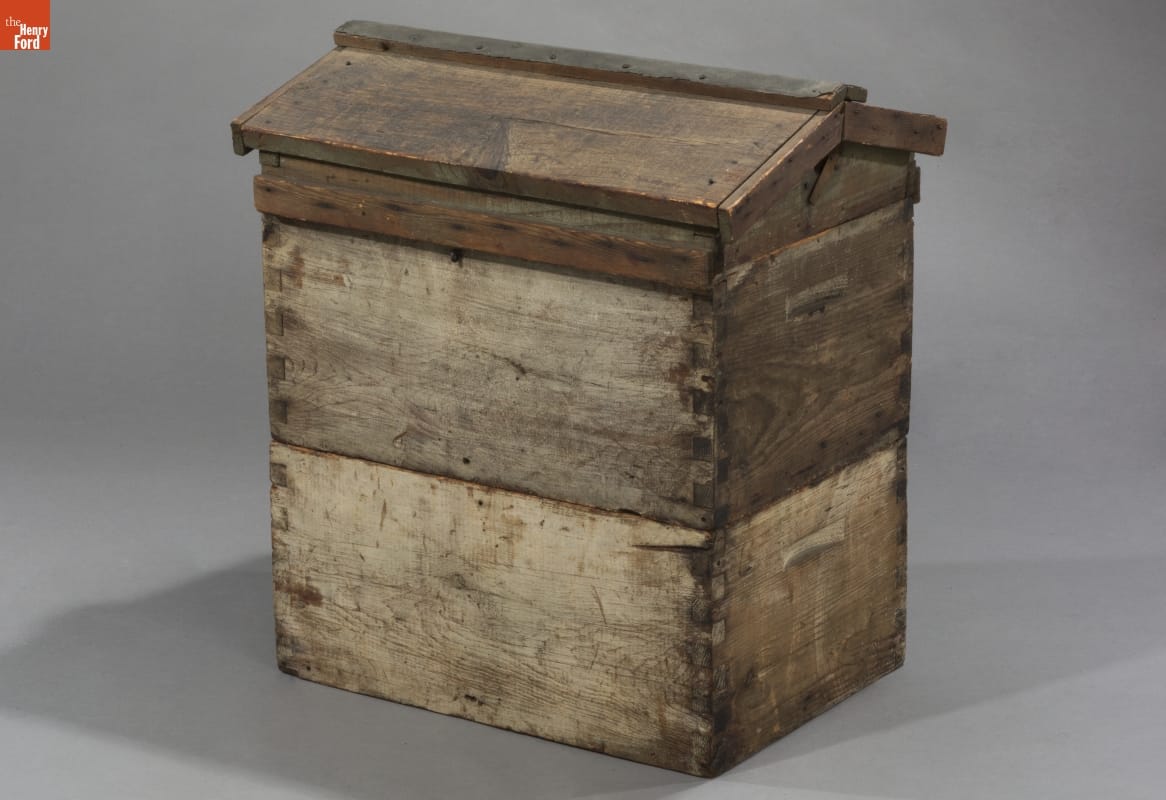
Langstroth-Style Beehive, 1870-1920
Lorenzo L. Langstroth devised the most enduring beehive innovation with his 1852 patent for an "Improved Mode of Constructing Beehives." Careful observation of bee behavior proved to him that frames had to be separated by 3/8th of an inch within the hive and between the frames and hive walls to allow space for bees to function. His discovery revolutionized beekeeping.
Artifact
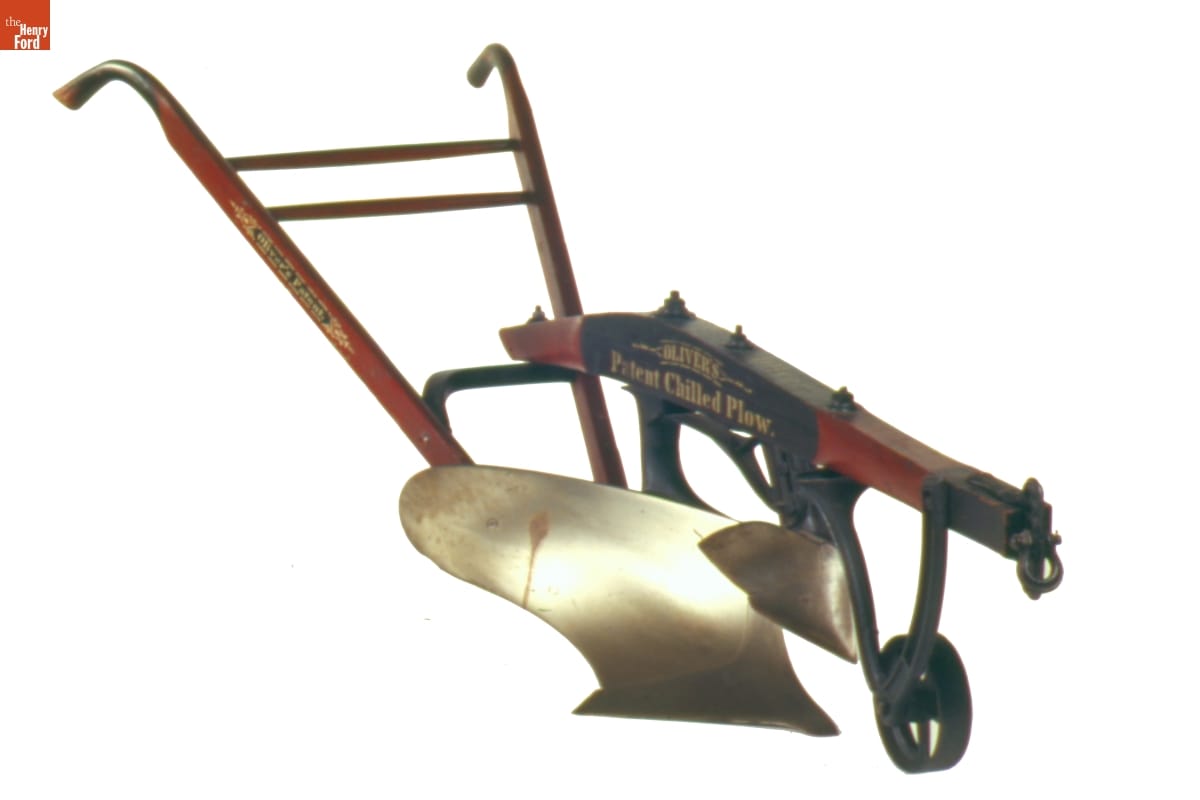
Oliver Chilled Cast Iron Plow, circa 1895
The high-quality Oliver Chilled Plow dominated the market during the late 19th and early 20th centuries. Its creator, James Oliver, perfected "chilling," a casting process that created durable iron moldboards and shares that retained a smooth surface during heavy use. Farmers relied on dependable plows like the Oliver when preparing soil prior to planting crops.

Artifact
Ambler's Mowing Machine, circa 1836
This is probably the oldest surviving American harvester. Enoch Ambler, a resident of Montgomery County, New York, patented this machine in 1834 and demonstrated it by cutting about 100 acres of grass in 1835. Interest in the mower led Beale & Griswold of Spencertown, New York, to buy Ambler's patent and attempt commercial production for the 1836 and 1837 seasons.
Artifact
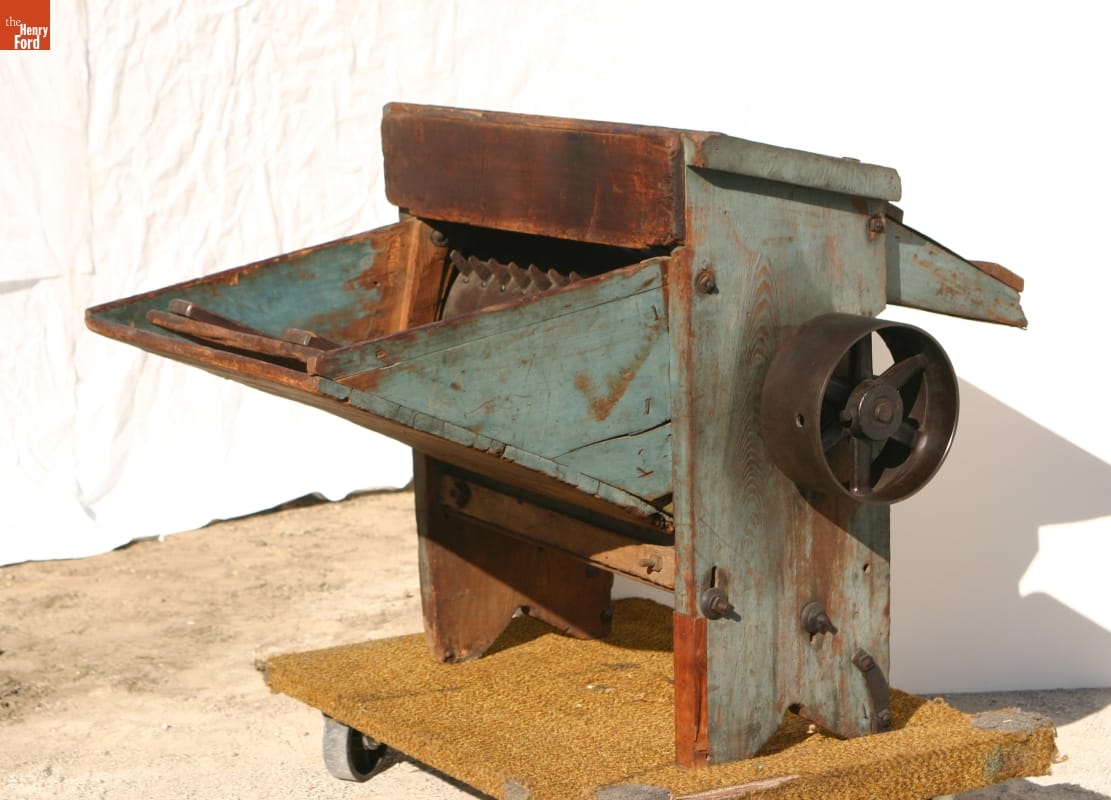
Threshing Machine, circa 1845
Farm families raised most of their own food during the early 1800s. The more grain they raised for themselves and for market, the more they sought machines to reduce labor. This thresher beat the kernels from grain heads, thus replacing a laborer with a flail, but farmers needed a treadmill and oxen or horses to generate power to thresh grain. After threshing, farmers used a fanning mill to clean grain and bag it for market.
Artifact
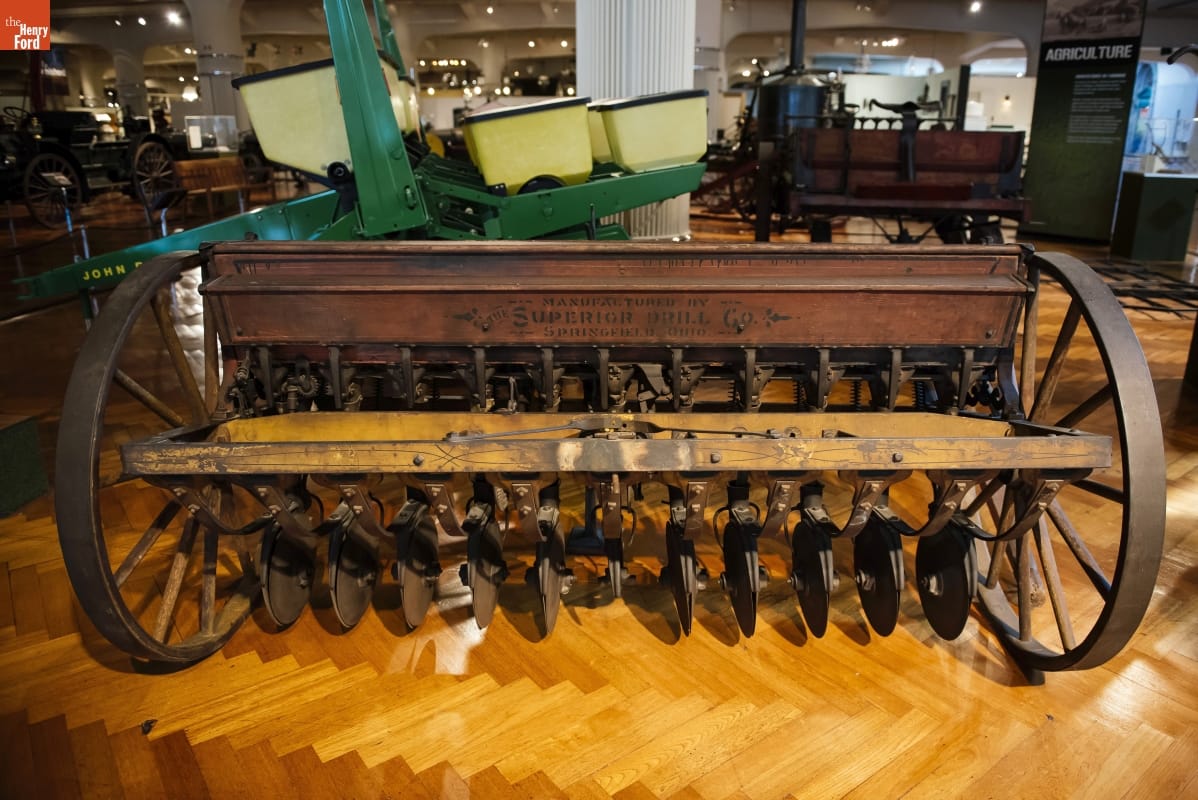
Superior Grain Drill, circa 1900
Drilling grain was superior to hand sowing because it distributed seed uniformly at a controlled depth and covered it properly. Less seed per acre was used, but higher yields resulted. Early grain drills opened the seedbed with hoes, but they tended to clog with field debris. The disk-type opener easily cut through the debris, allowing for larger, more effective drills.

Artifact
Fordson Tractor, 1917-1918, Used by Luther Burbank
The Fordson tractor, manufactured by Henry Ford and Son, Inc., was the first lightweight, mass-produced tractor that was affordable to the average farmer. Through this and other efforts, Henry Ford sought to relieve farmers of the burden of heavy labor. Ford gave this Fordson, the first production model, to fellow innovator Luther Burbank, creator of hundreds of new plant varieties.
Artifact
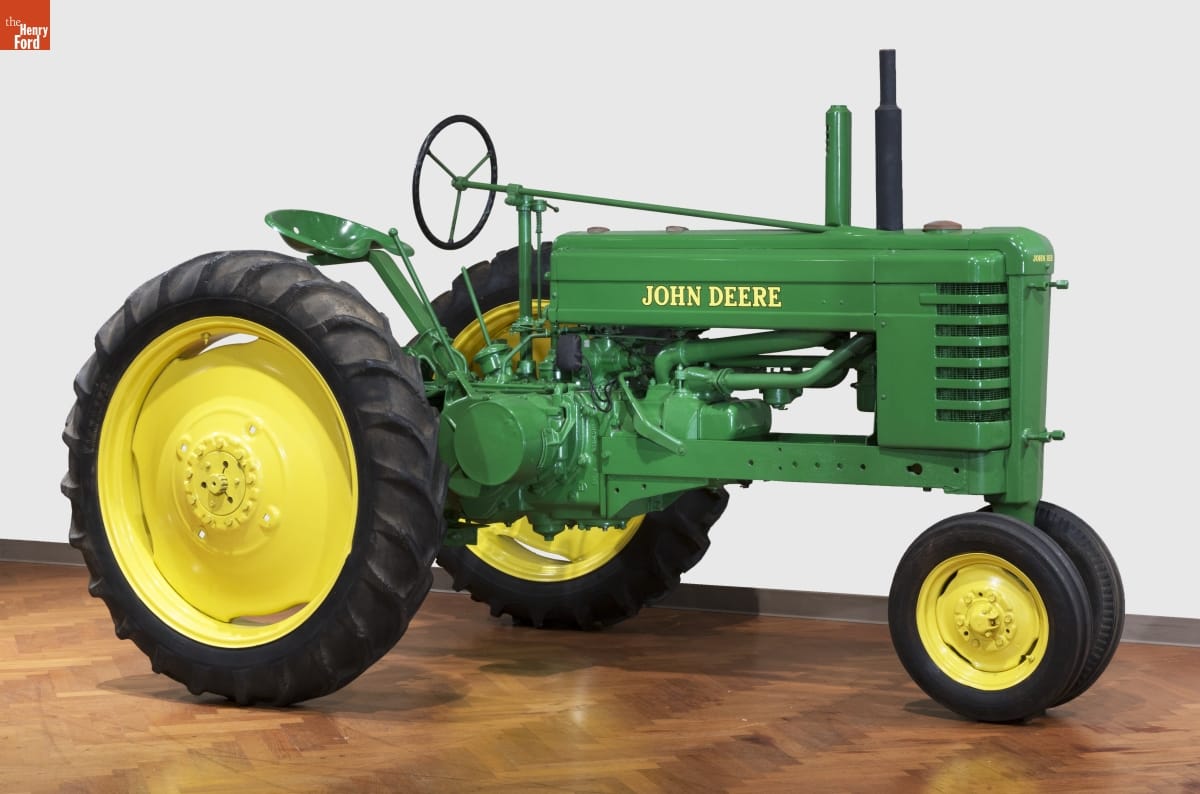
John Deere Model B Tractor, 1941
Deere & Company released the streamlined Model B, styled by industrial designer Henry Dreyfuss, in late 1938. Farmers used the four-gear forward tractor to pull a two-bottom plow, cultivate corn or soybeans, power a mounted corn picker, or run a corn sheller off the belt-drive. The rounded hood and grille and more expensive rubber-tire option meant the tractor looked as good as it performed.
04
Videos
06
More to Explore

View Articles
Explore stories from the collections of The Henry Ford.

Explore Popular Research Topics
Get authoritative information on key topics related to our collections.