
Curated Sets
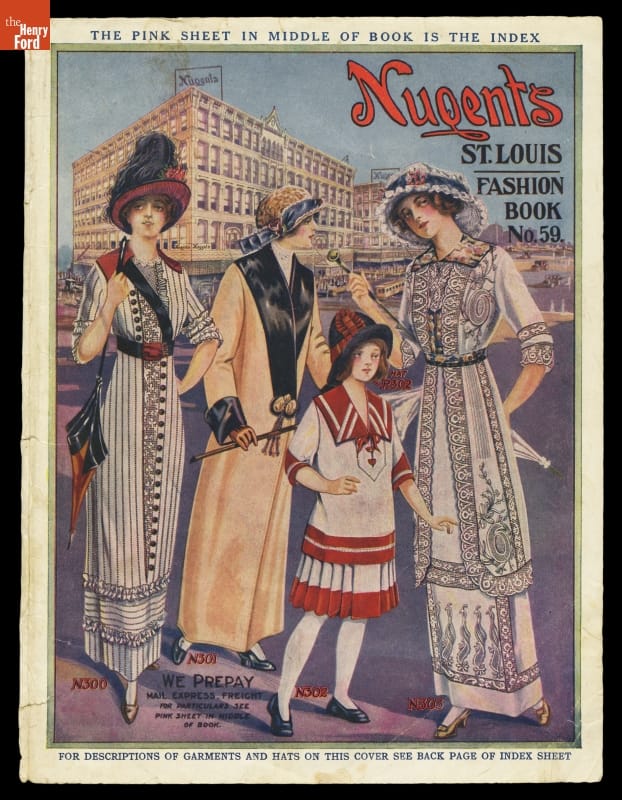
Influencing Fashion

Children's Television Shows

Hallowe'en in Greenfield Village: Postcards
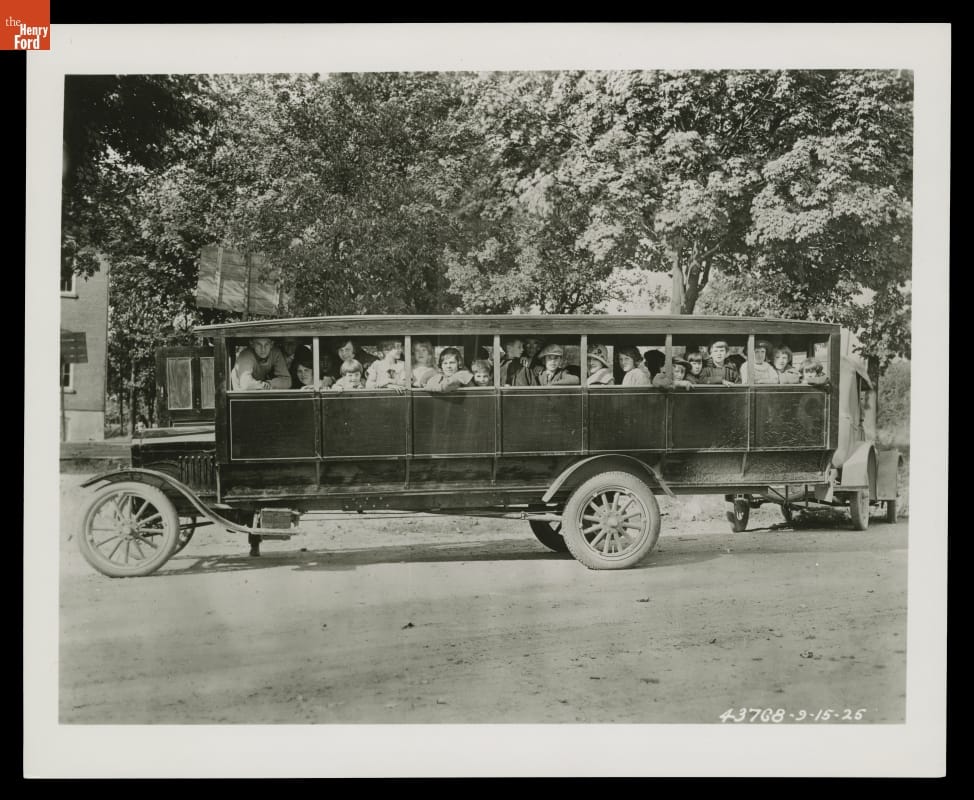
School Buses
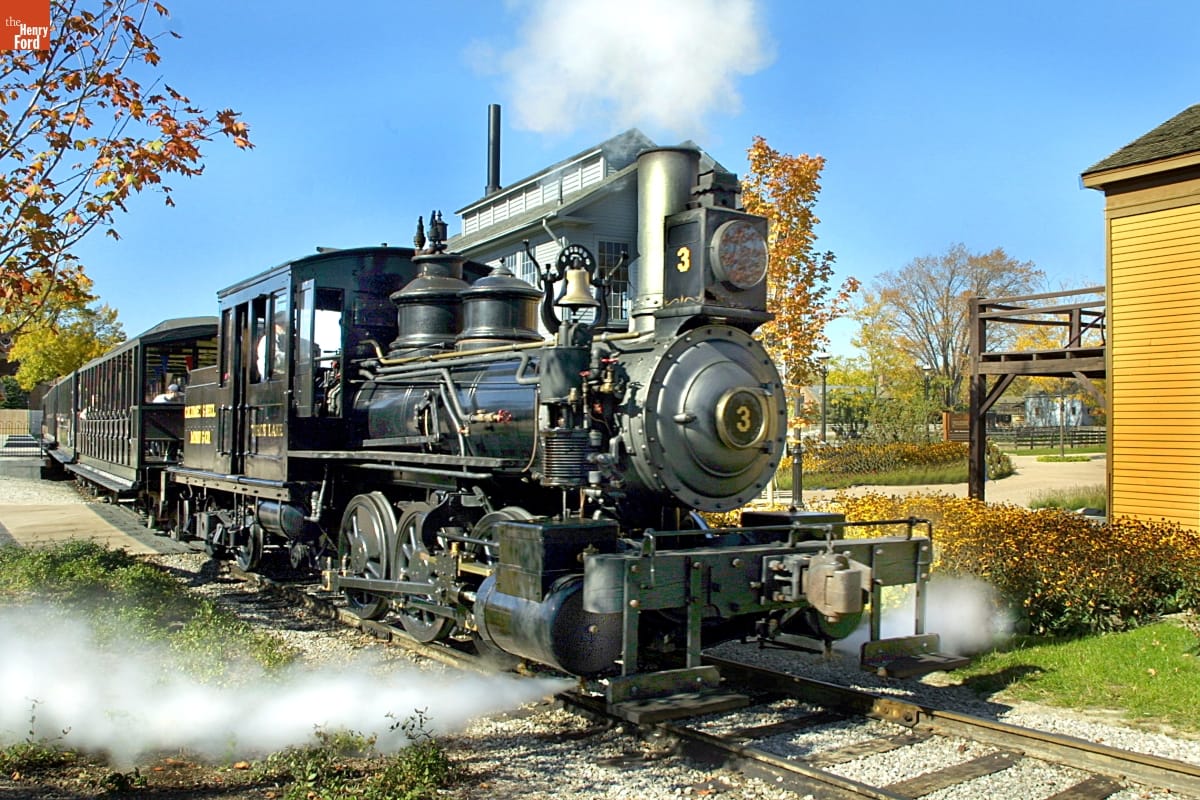
Locomotives of Greenfield Village
Explore Our Curated Sets
 Curated sets
Conflicting Connections: Native Nations and the Revolution
- 5 Artifacts
Two sides fought the Revolutionary War — the Patriots and the British. One was angry about not being represented in Parliament. The other became intent on keeping the colonies under British rule. Both demanded control of North American land. But another group is often left out of the historical conversation — the Indigenous nations who had called this land home for millennia. Seeking to protect their lands, Indigenous nations fought on either side. Curated sets
Henry Ford II and Benson Ford: Ore Carriers of the Great Lakes
- 23 Artifacts
In 1923, Henry Ford ordered two 600-foot-long lake freighters to transport raw materials — iron ore, coal, limestone, and other bulk products — to and from his massive River Rouge manufacturing complex. Ford named the motorships after his grandsons, Henry Ford II and Benson Ford. By the summer of 1924, both freighters were plying the waters of the Great Lakes, becoming workhorses for Ford Motor Company for more than fifty years.
 Curated sets
Hooked on Rugs: A Sampler from the Collection
- 6 Artifacts
Decorative hooked rugs are made by pulling loops of yarn or fabric through a stiff woven base, historically made of burlap. Loops are pulled through the backing material by using a crochet-type hook mounted in a wood handle. The rug's design derives from the creativity, resourcefulness, and dexterity of its maker. Rug hooking began in America in the early 1800s by rural women eager to create something useful from scrap materials. Over the past 200 years, it evolved from an expressive art of necessity to a deeply creative endeavor.
 Curated sets
Education and Careers of the Jackson Home
- 9 Artifacts, 1 Article
The residents of the Jackson home exemplify the transformative power of education. More than a path to professional success and stability, education was a commitment to teaching, mentoring, and inspiring others. Through their training and expertise, Dr. Sullivan and Richie Jean Jackson served their community by providing essential dental care and nurturing future generations.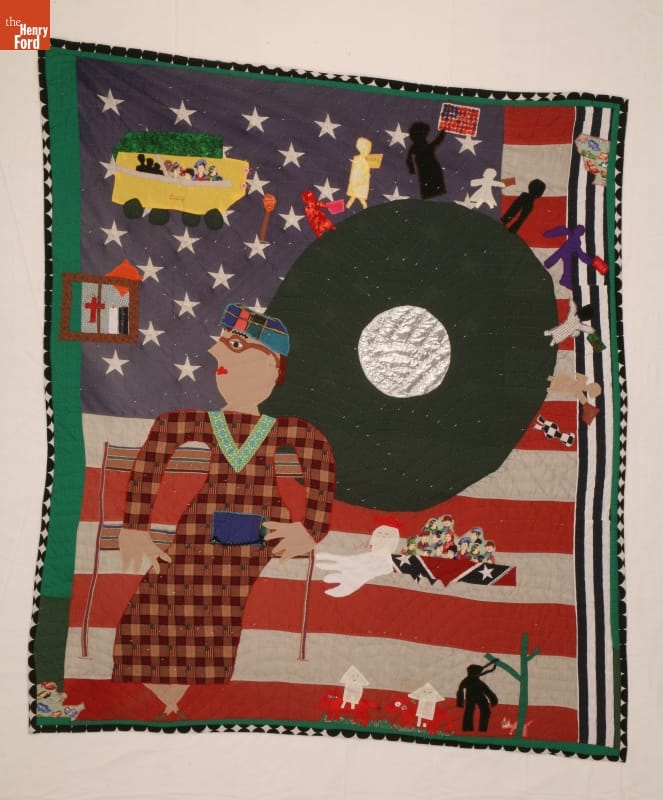 Curated sets
The Fabric of America
- 30 Artifacts
Fabric powers economies, clothes our bodies, and furnishes our homes. The textiles that Americans have made and used offer us a rich perspective of the many stories that make up our history and the enduring values that our nation holds.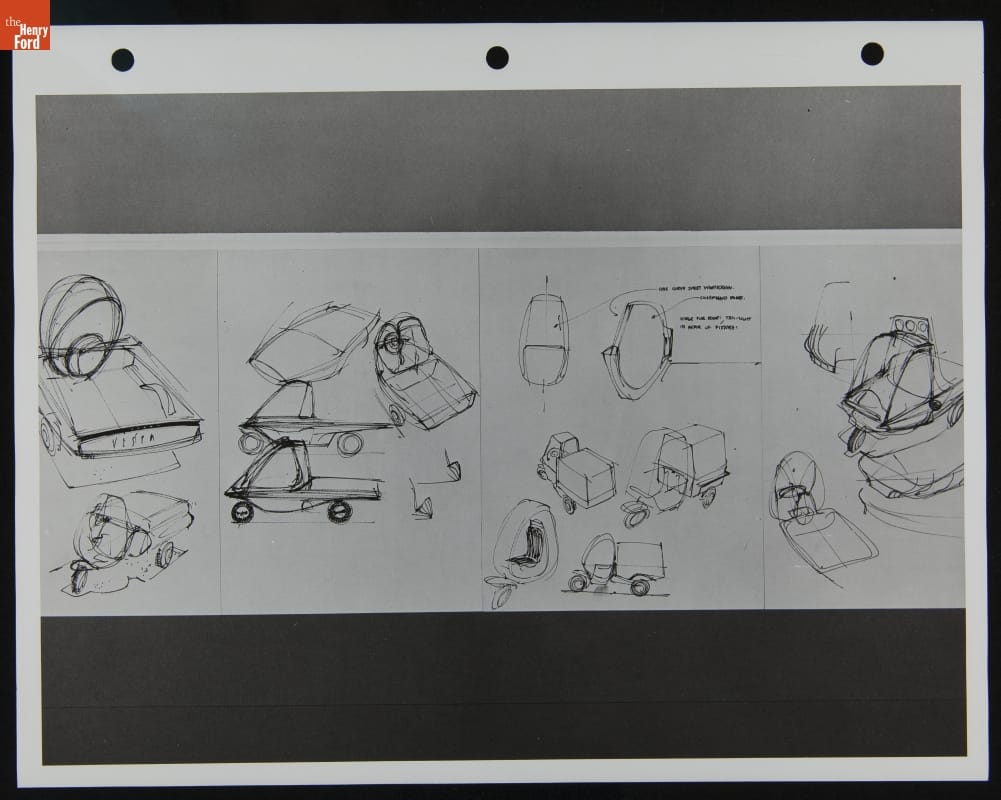 Curated sets
Thinking on Paper: Notebooks, Sketches, and Jot Books
- 10 Artifacts, 1 Article
Jotting, doodling, and sketching serves many purposes. These processes can help us organize our thoughts, convey the inner workings of our brain, or respond to the world around us. Relaxed or formal, rushed or intentional, sketches and jottings help reveal our minds.
 Curated sets
Hospitality in the Jackson Home
- 9 Artifacts
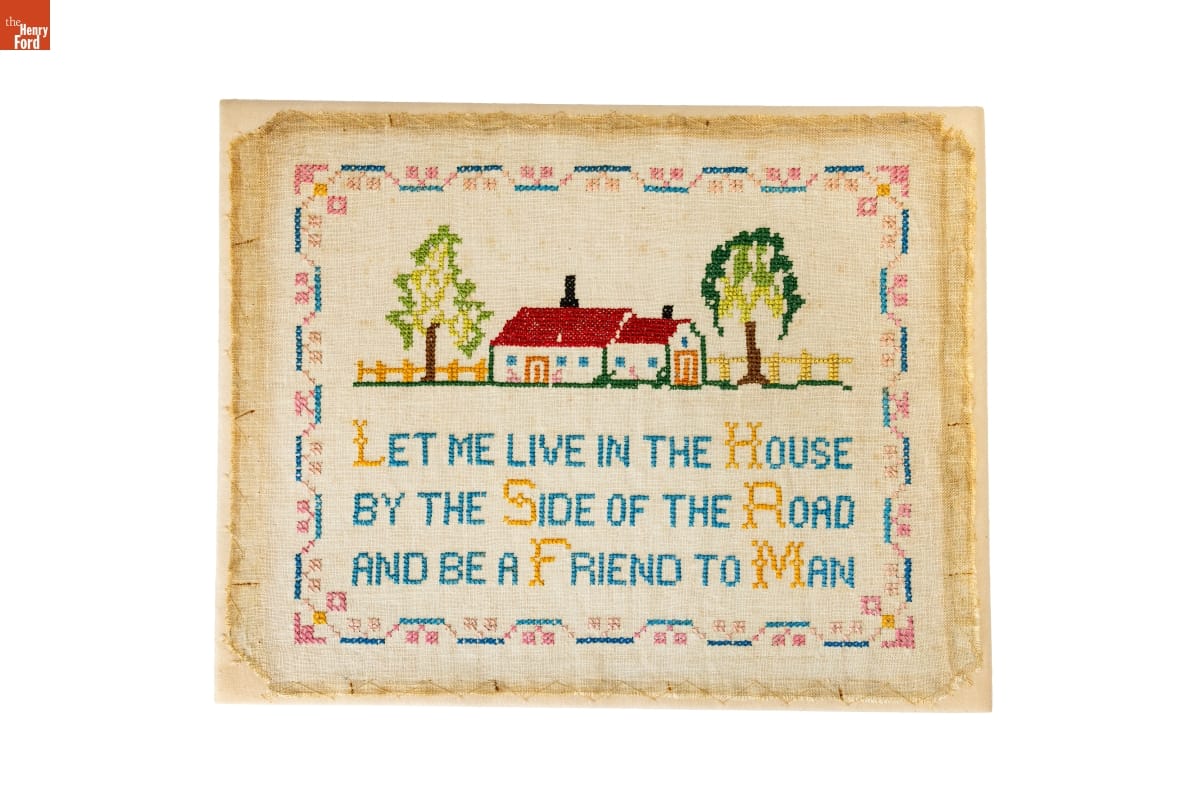
The Jackson Home was known as “The House by the Side of the Road” for the way it welcomed everyone who came by. It was this welcoming spirit that would place the home at the center of history, as the struggle for Civil Rights came to Selma in 1965.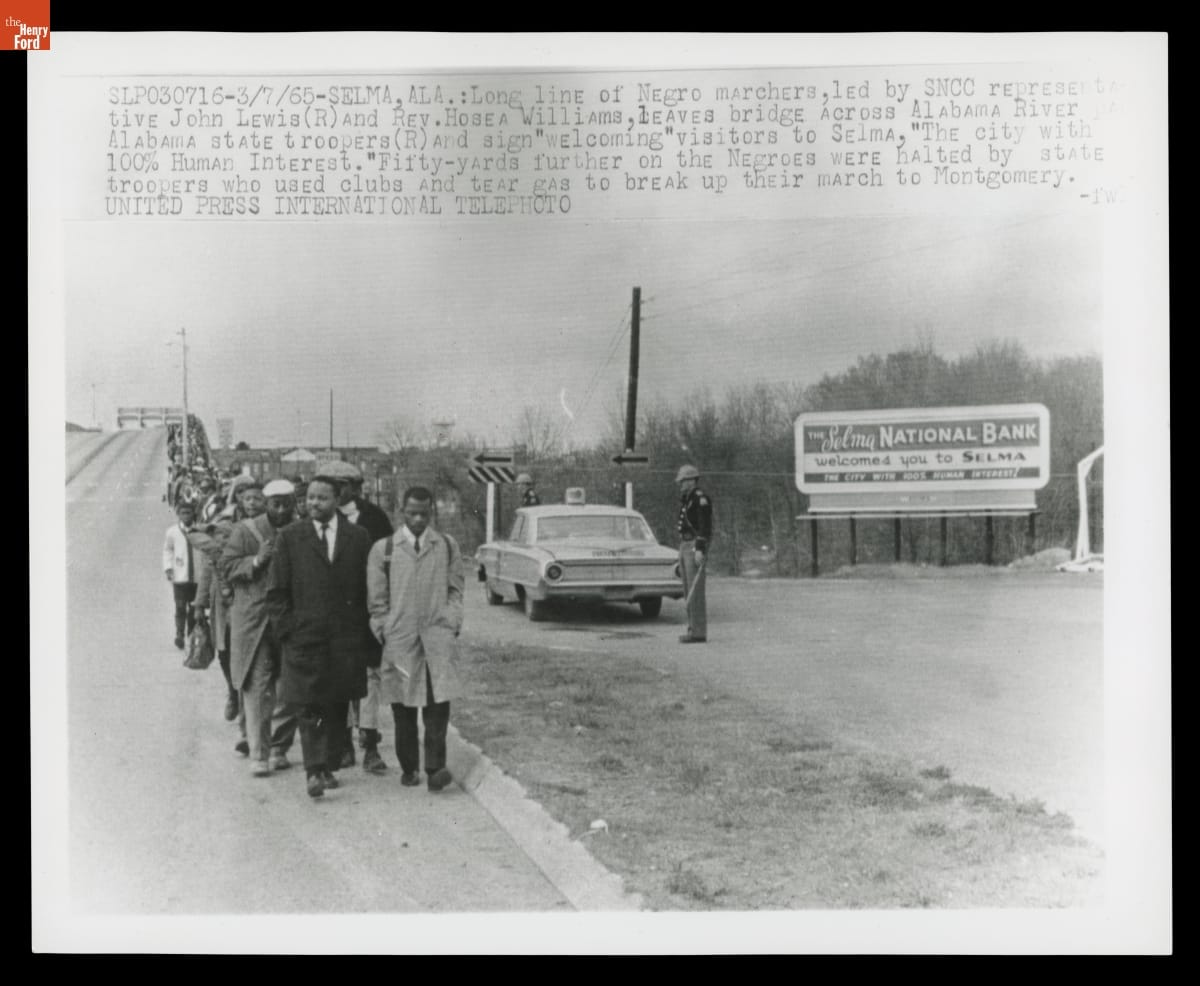 Curated sets
The Long March to Voting Rights
- 24 Artifacts
In 1965, all eyes turned to Selma, Alabama, as the next stage in the fight for civil rights. Dr. Martin Luther King, Jr., the Student Nonviolent Coordinating Committee, the Southern Christian Leadership Conference, and other activists planned a series of marches from Selma to Montgomery to draw attention to the continued struggle for voting rights for Black Americans.
More to Explore

Explore Popular Research Topics

View Articles
Explore stories from the collections of The Henry Ford.
