
Power & Energy
Curated sets
America's Industrial Revolution
- 61 Artifacts

Article
The Allegheny Articulated Steam Locomotive: Technology Pushed to the Limit
The Allegheny Steam Locomotive in Henry Ford Museum of American Innovation is one of the most advanced examples of reciprocating steam technology as applied to railroads.

Article
Building and Operating a Highland Park Plant for the Digital Age
Learn how The Henry Ford's archives has supported our digitization efforts by producing tens of thousands of collections images through a process known as Rapid Capture.

Article
What If the World Ran on Steam?
In 1849, George H. Corliss’s new steam engine helped steam power surpass waterpower in American industry.
Curated sets
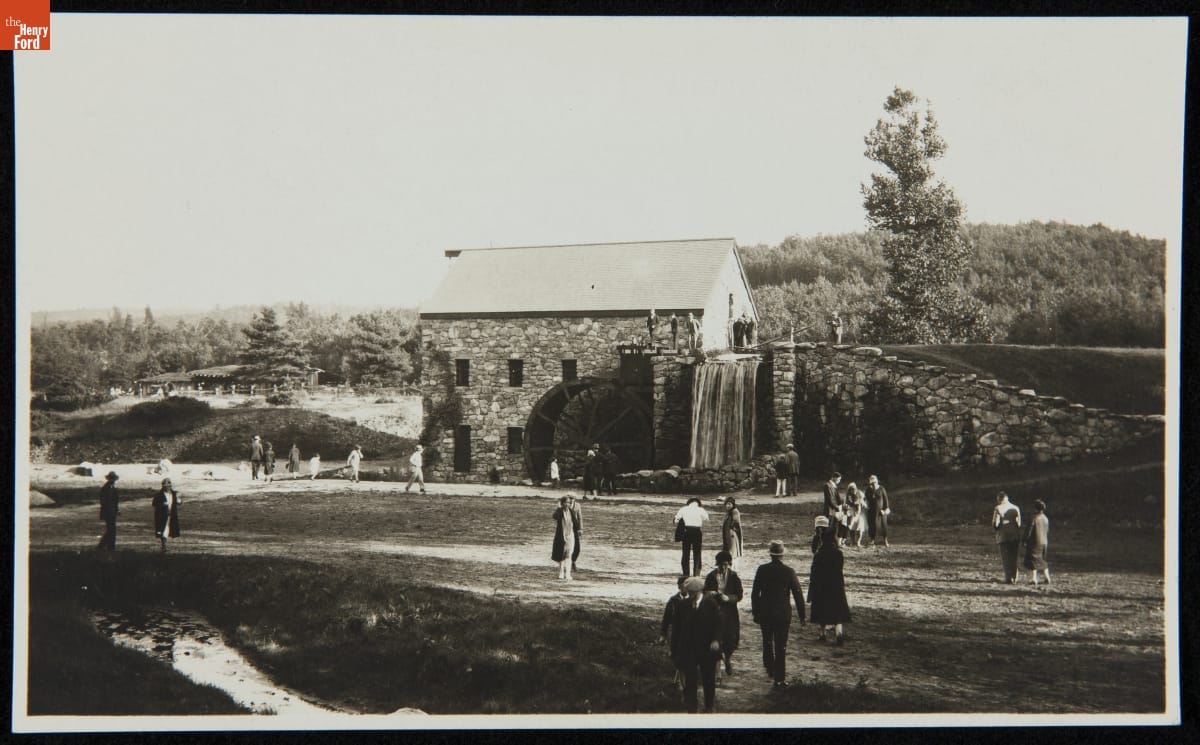
America’s Romance with Water Power
- 20 Artifacts
Set within nature, water power operations often evoke an emotional response. With idyllic “old mill” imagery and reverential views of modern hydroelectric plants, these objects illustrate water power’s enduring allure.
49:45

video
Engineering Our Future
In honor of National Engineers Week, our latest THF Conversation, supported by our partners at Arrow Components and Astemo brought together business and education leaders as they shared their career experiences and talked about educating and empowering the next generation to engineer a better tomorrow.
01
Thomas Edison
One of the most prolific inventors who ever lived.

Article
What If Thomas Edison Hadn’t Turned Failure into Success?
Pushed from the industry he helped build, Thomas Edison turned 1890s setbacks into a defining legacy.
Curated sets
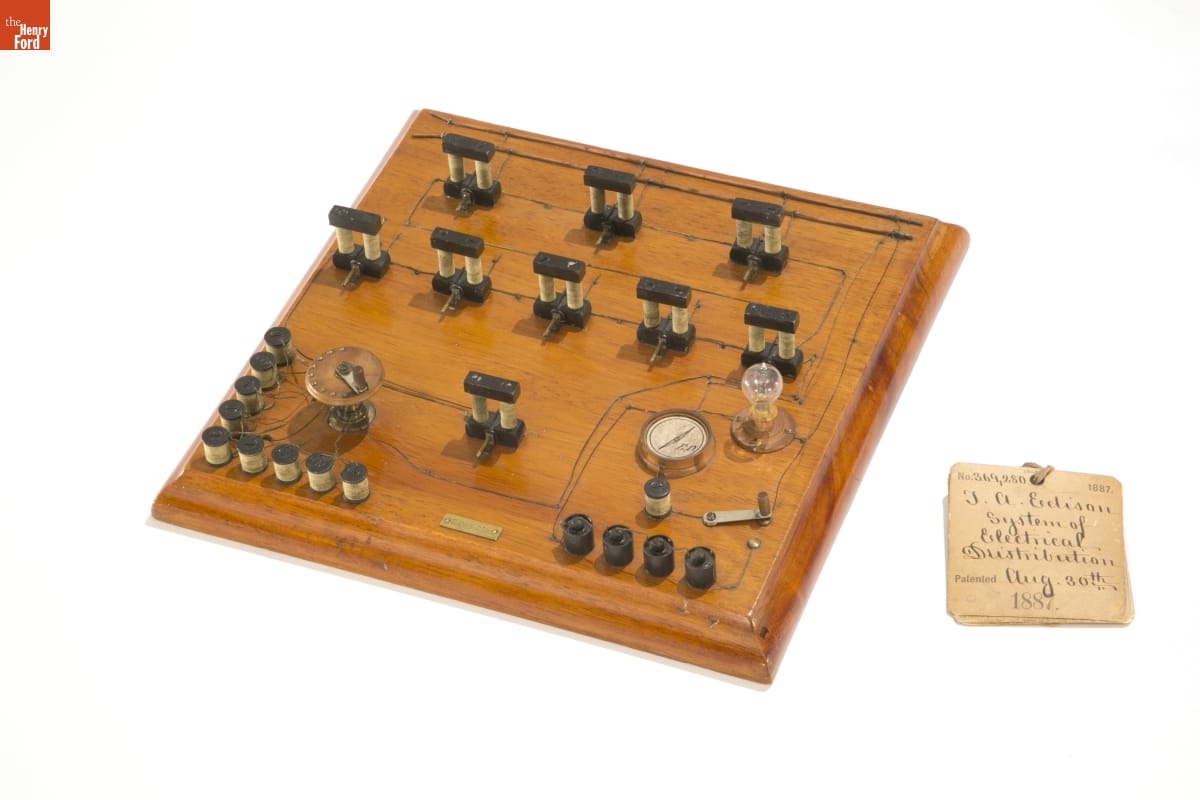
Thomas Edison Patent Models
- 49 Artifacts
When Thomas Edison applied for a patent, he often included an intricate model showing how his invention worked. These models helped explain Edison’s ideas to patent office officials. Later, Edison could display them for visitors to his laboratory.

Article
Thomas Edison’s Menlo Park Laboratory
Learn how Henry Ford rebuilt and recreated Thomas Edison's Menlo Park Laboratory on the grounds of Greenfield Village in Dearborn, Michigan.

Article
Thomas Edison: Inventor AND Chemist
This weekend, members of the American Chemical Society will be joining staff from The Henry Ford to designate Thomas Edison's Menlo Park Laboratory in Greenfield Village a National Historic Chemical Landmark.
19 Videos

video playlist
Thomas Edison
He was, at heart, a tinkerer. Small wonder, then, that he and Henry Ford saw one another as kindred spirits. Edison, of course, was much older, born 16 years before Ford.

Article
Thomas Edison, Innovator and Beachcomber
We've just digitized shadowboxes filled with seashells collected by inventor Thomas Edison in Fort Myers, Florida.
Curated sets
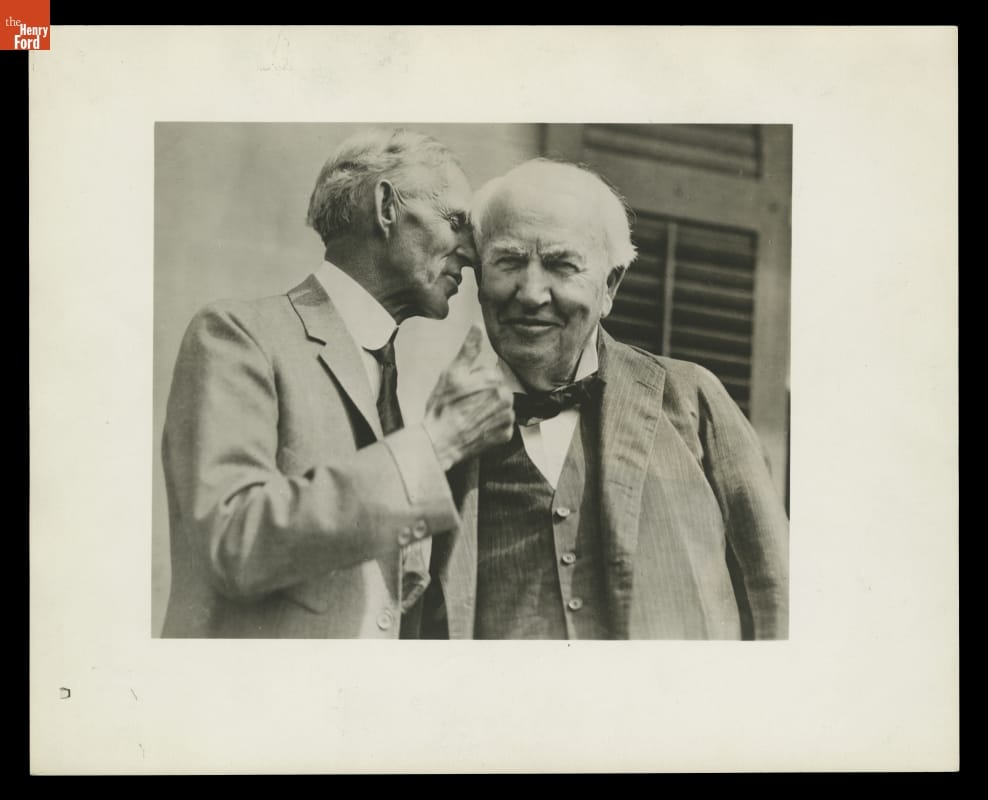
Edison and Ford: A Lasting Friendship
- 19 Artifacts
When he met Thomas Edison at a conference in 1896, Henry Ford could not know that he and his boyhood hero would become good friends -- exchanging gifts and birthday wishes, traveling together, even purchasing neighboring vacation homes.
02
Industrial Revolution
Transforming how goods were made and how people worked.

Article
1859 Corliss Steam Engine
Learn more about the massive yet graceful Corliss steam engine on display in Henry Ford Museum of American Innovation and its inventor, self-made engineer George Corliss.

Article
What If a Locomotive Powered by Fire and Water Could Haul More Freight Than Ever Before?
A triumph of human ingenuity, the Allegheny locomotive pushed the limits of what steam power could do just before the Age of Steam ended.

Article
Elijah McCoy’s Steam Engine Lubricator
Learn how Elijah McCoy, the Black son of formerly enslaved parents, secured at least 52 patents and design registrations during his lifetime--and explore his 1882 steam engine lubricator, on exhibit in Henry Ford Museum of American Innovation.

Article
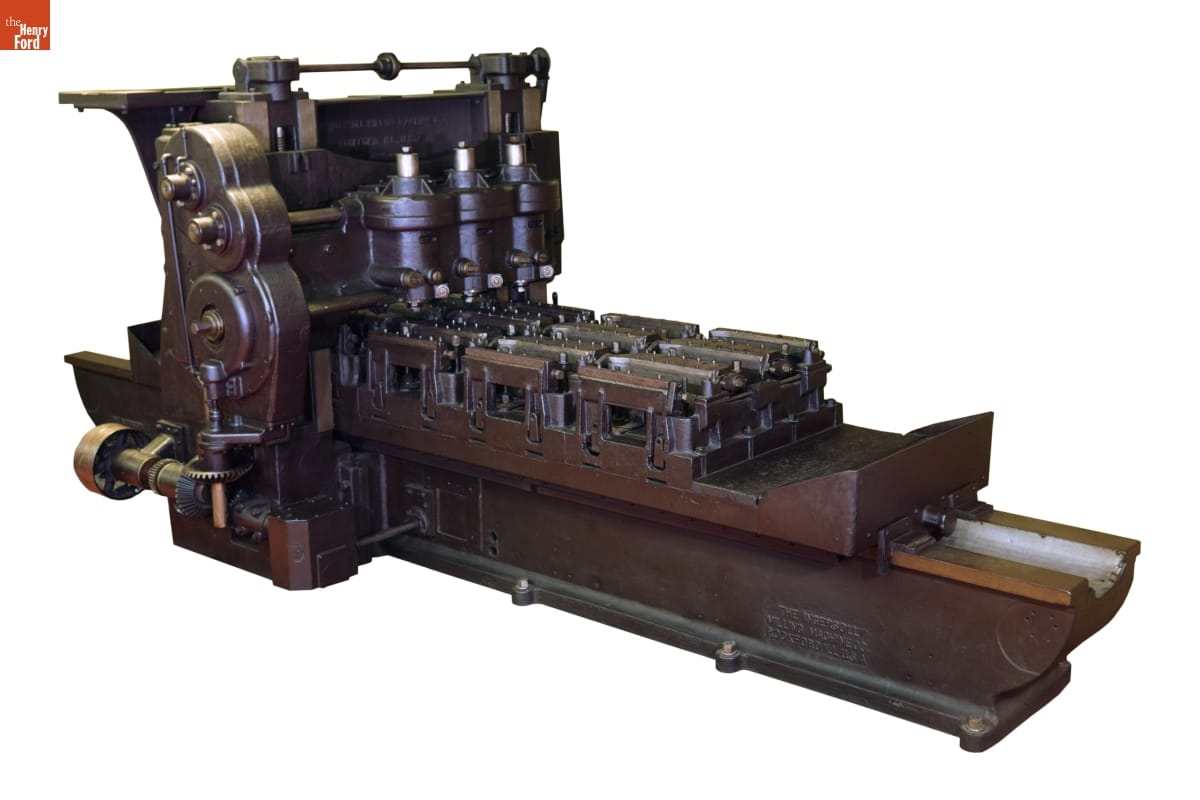
The Henry Ford’s Ingersoll Milling Machine and Mass Production at Highland Park
The Ingersoll Milling Machine is exhibited in Henry Ford Museum of American Innovation as the only survivor of the custom-designed high-production machine tools used at Ford Motor Company's Highland Park Plant to produce Model Ts.
Curated sets
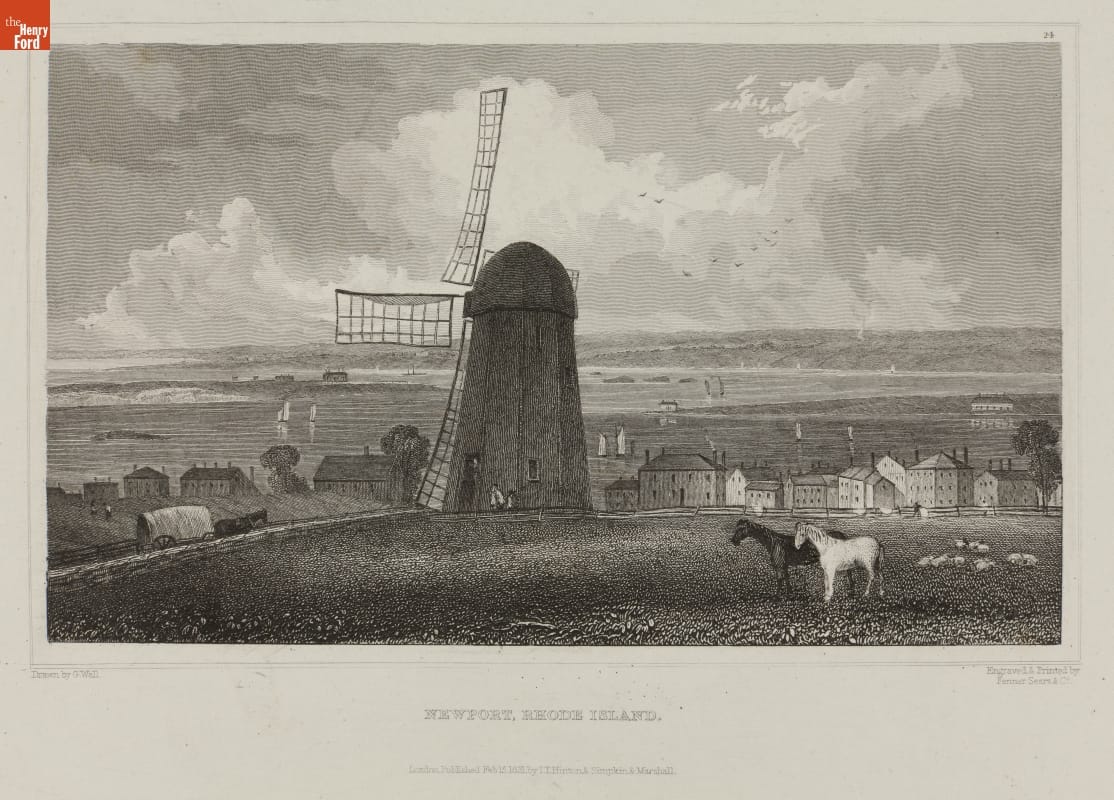
Windmills: Extracting Power from the Air
- 16 Artifacts
For many centuries windmills have been used as gristmills, to grind grain, or windpumps, to pump water from the ground. Modern windmills can even generate electricity.
Curated sets
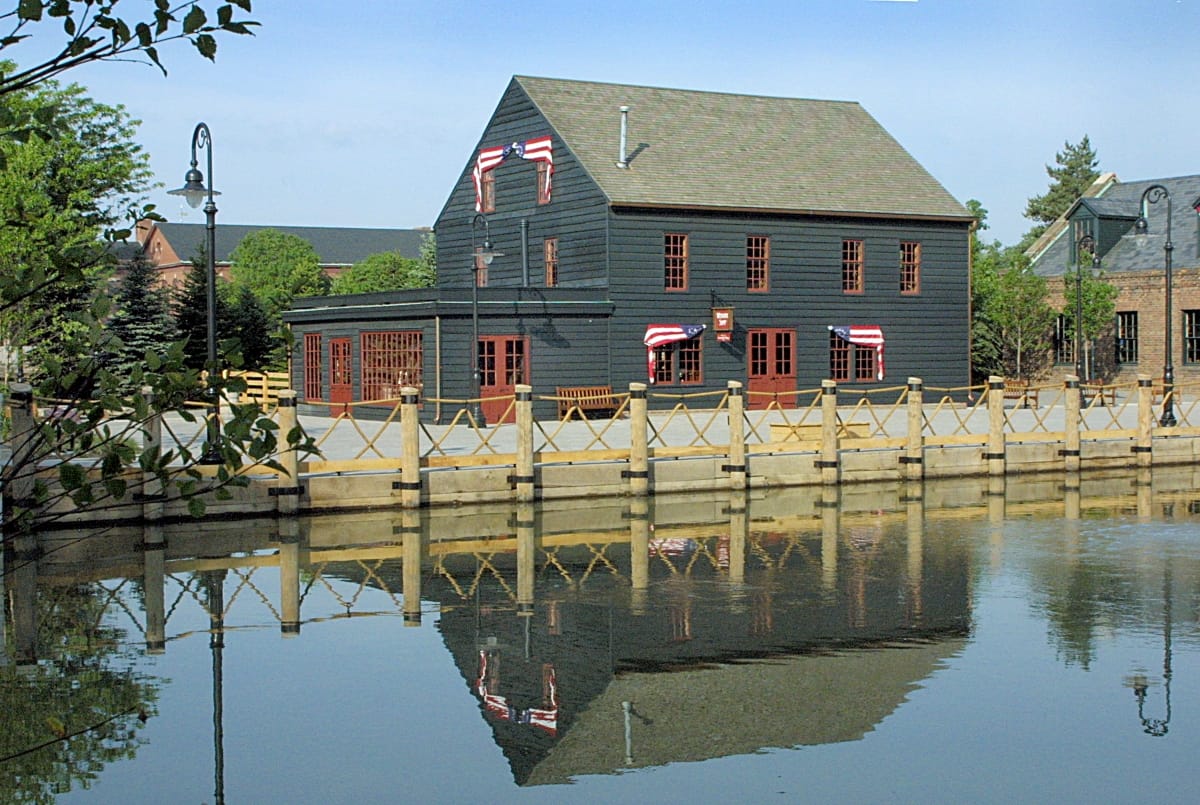
Working Looms of Greenfield Village
- 8 Artifacts
Take a virtual tour of the Greenfield Village Weaving Shop through this expert set highlighting its working looms.
Artifact
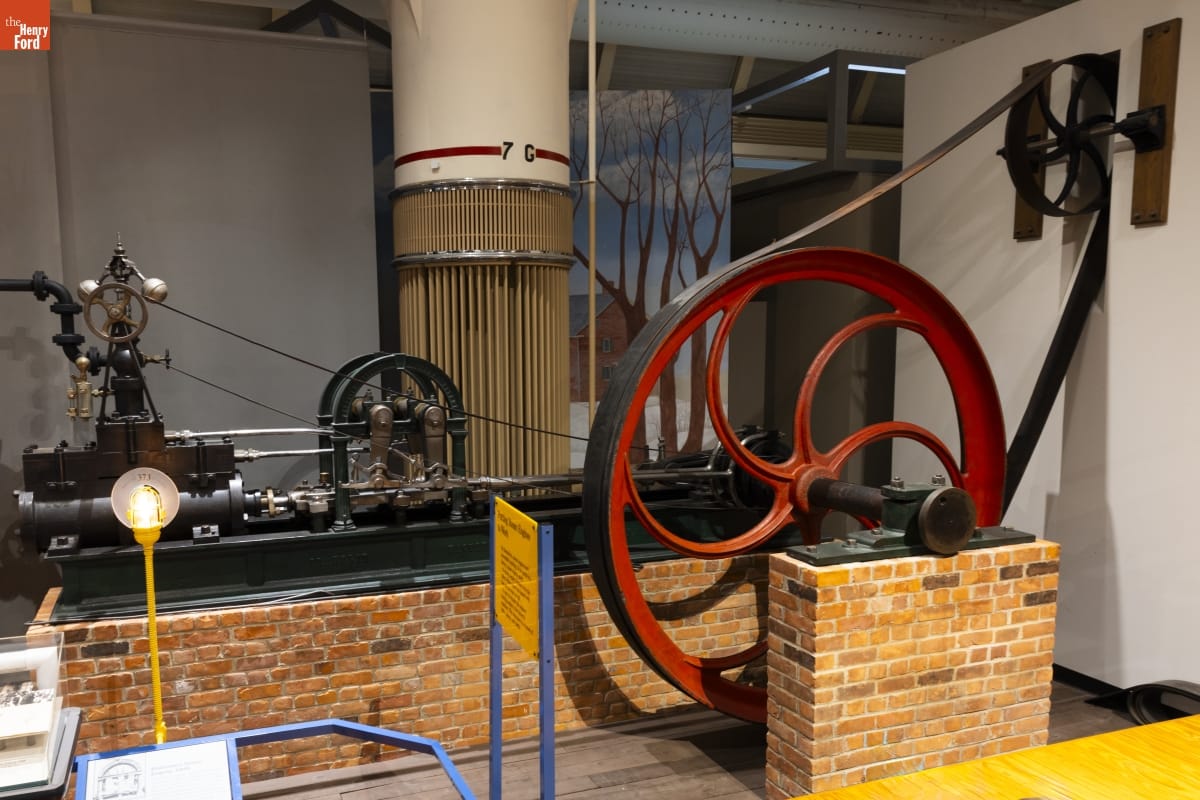
Stationary Steam Engine, 1848
Steam power initially spread in the United States via its adoption and adaptation in ships and boats. This early mill engine's layout and dimensions are firmly rooted in Mississippi riverboat practice, while its applied decorative detail and vibrant color scheme speak to the increasingly elevated status of steam technology as it found a firm footing in mills and factories.
Artifact
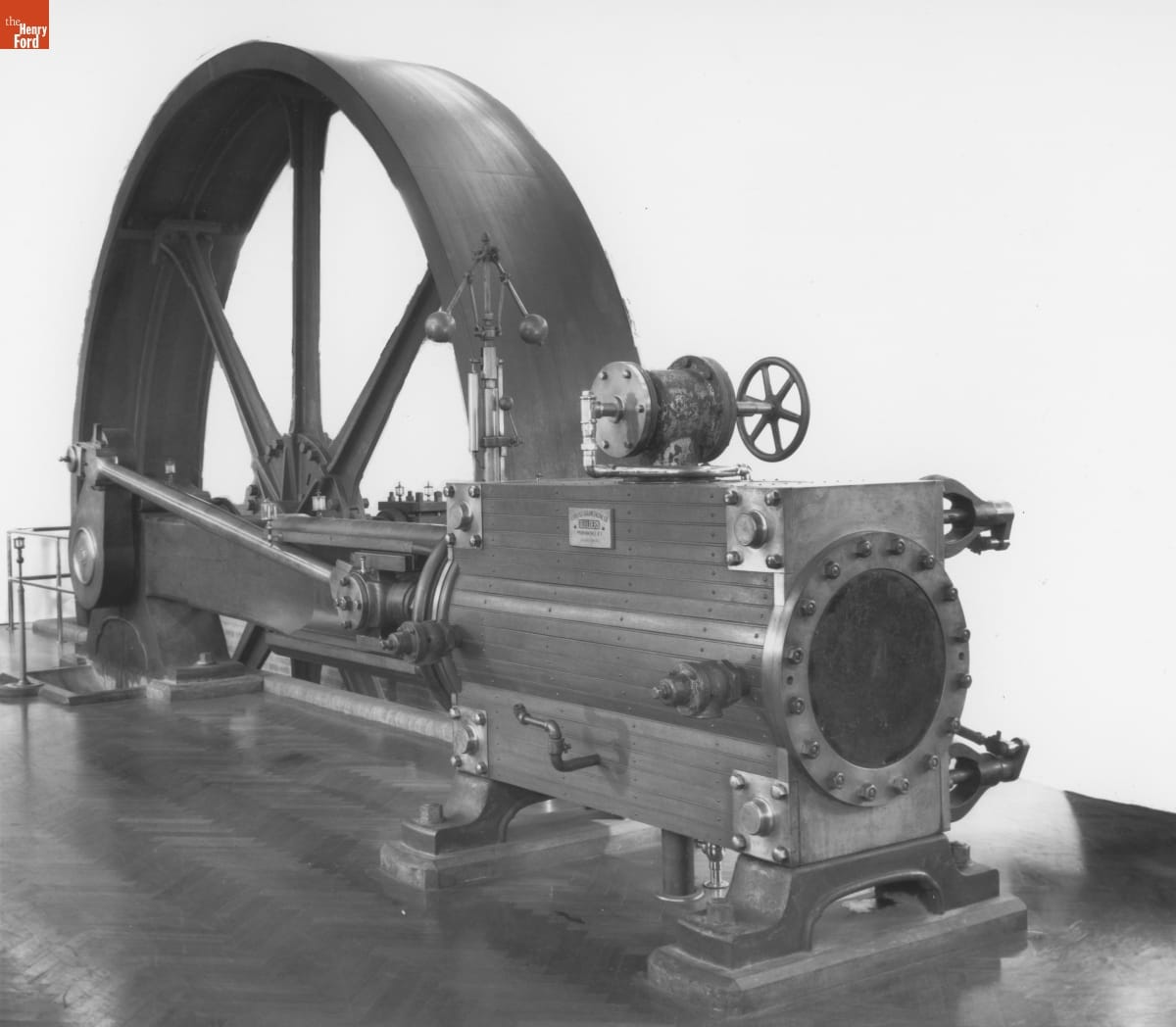
Corliss Steam Engine, 1859
George Corliss was one of the United States' most highly regarded steam engine designers. His valve innovations made his engines particularly important to the textile industry--where a combination of high power output and quick response to changes in load were greatly valued. He designed many of the machines used to manufacture his engines and was a pioneer in standardized manufacturing techniques.
Artifact
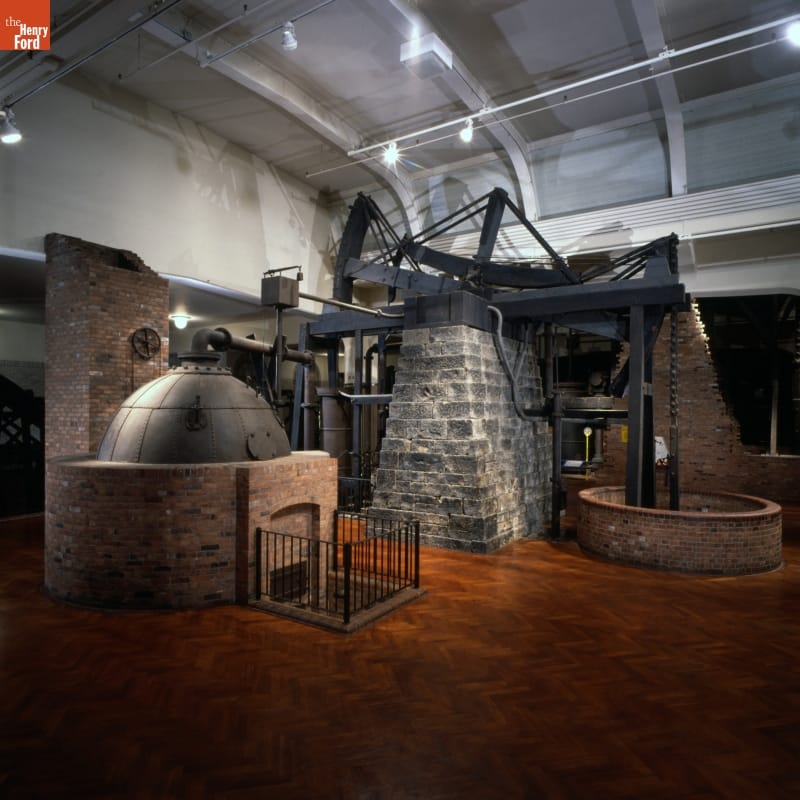
Newcomen Engine, circa 1750
This is the oldest known surviving steam engine in the world. Named for its inventor Thomas Newcomen, the engine converted chemical energy in the fuel into useful mechanical work. Its early history is not known, but it was used to pump water out of the Cannel mine in the Lancashire coalfields of England in about 1765. The engine was presented to Henry Ford in 1929.
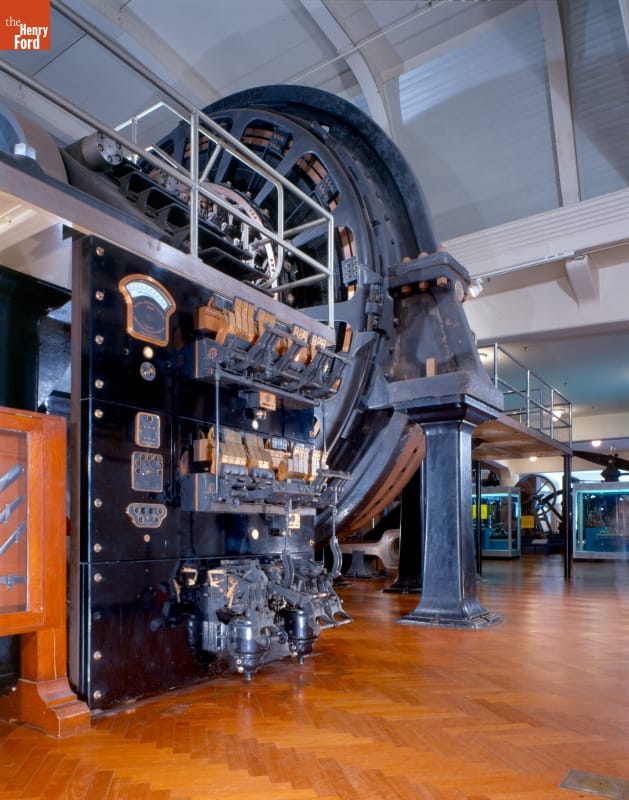
Artifact
Highland Park Plant Engine- Generator, 1915-1916
Ford's Model T mass production system would not have been practical without electricity; by 1919 nine of these Ford-designed hybrid internal combustion/steam engines generated the power needed by the Highland Park plant's assembly lines and associated machinery. By 1926 the engines were rendered obsolete when electricity was fed from the power plant at Ford's River Rouge plant ten miles away.
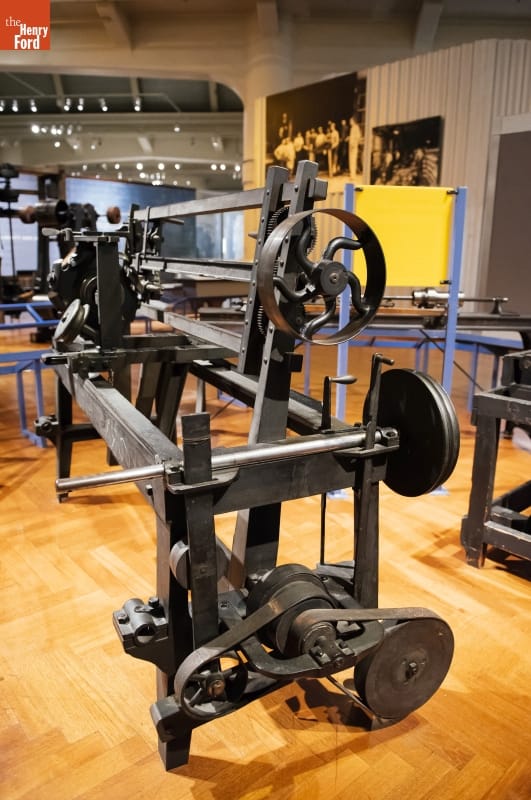
Artifact
Wood Copying Lathe, circa 1865
Thomas Blanchard's duplicating lathe was originally developed in 1818 for manufacturing rifle stocks. It made copies using a rotating blade whose position was guided by the shape of a prototype -- much in the manner of a modern key cutting machine. These lathes -- readily operated by semi-skilled operators -- were adapted to make other irregularly-shaped forms such as shoe lasts and axe handles.
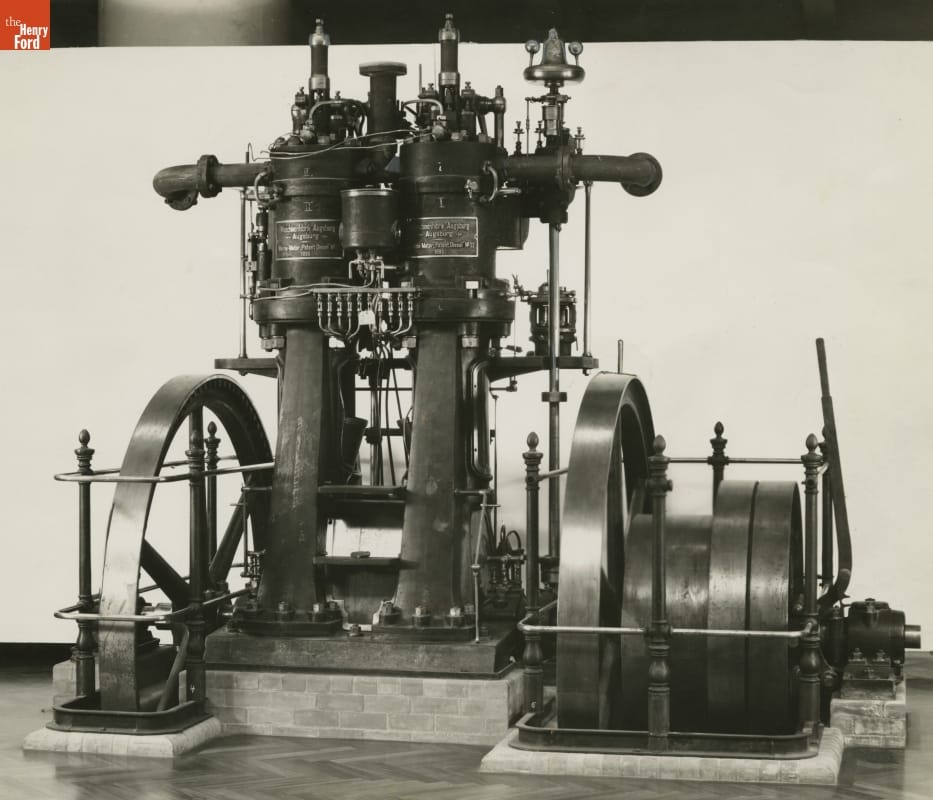
Artifact
Diesel Engine, 1898
Artifact
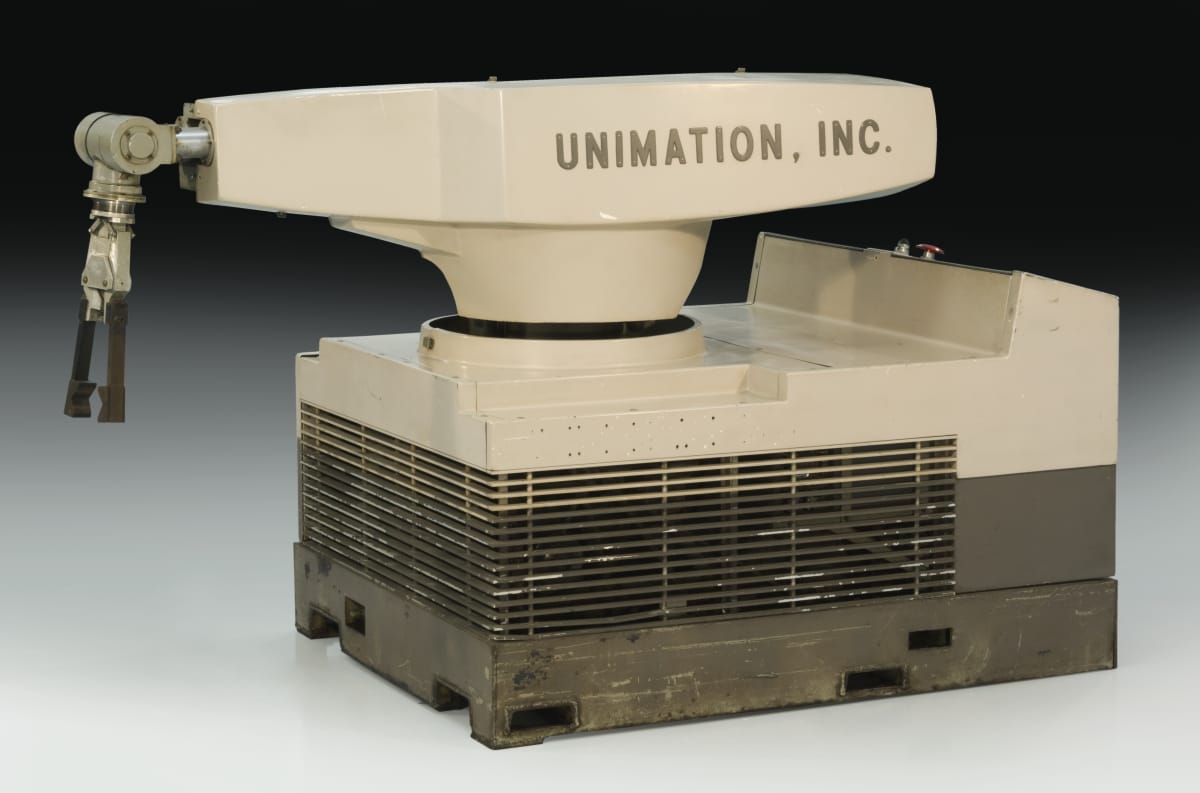
Robot, First Unimate Robot Ever Installed on an Assembly Line, 1961
Unimate robots were the world's first successful industrial robots. The units, designed by Unimation Inc., could perform tasks in manufacturing facilities that were difficult, dangerous, or monotonous for human workers. This is the first Unimate ever used on an assembly line. It was installed at the General Motors plant in Trenton, New Jersey, in 1961 to unload a die-casting press.
Artifact
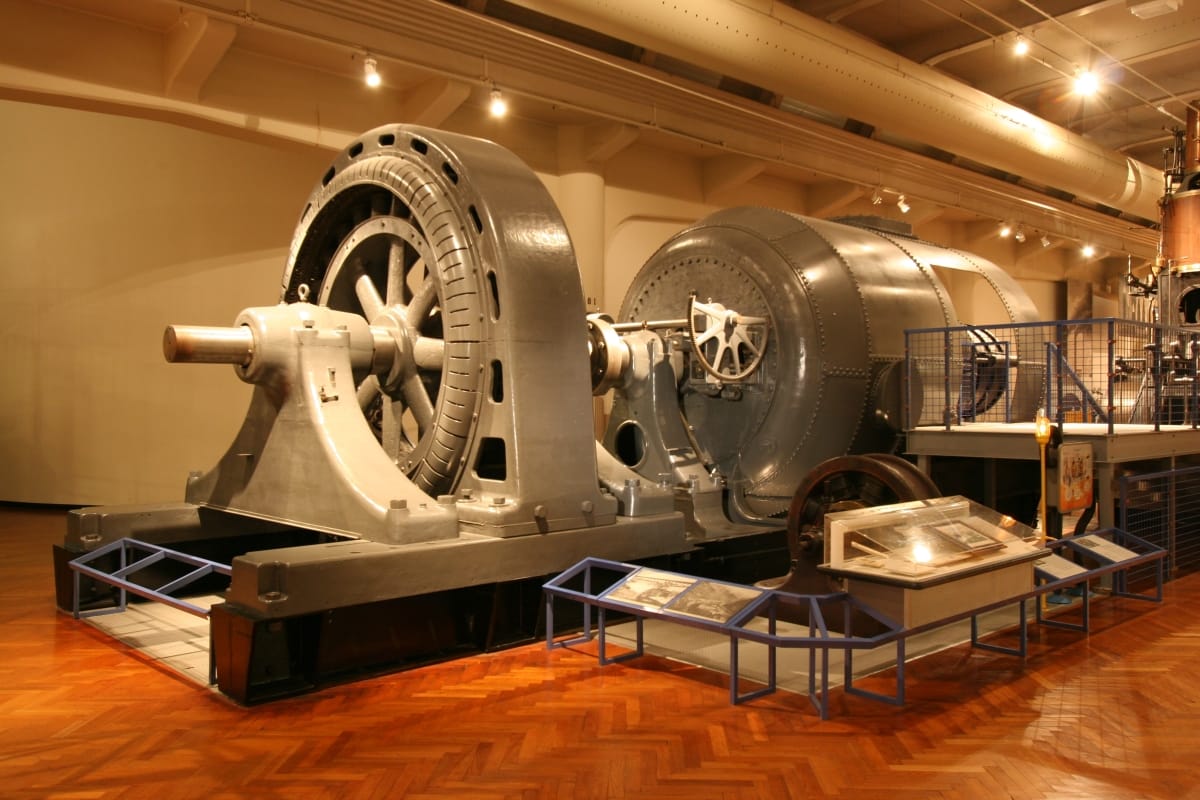
Water Turbine, Used by the Washington Water Power Company, 1903
Artifact
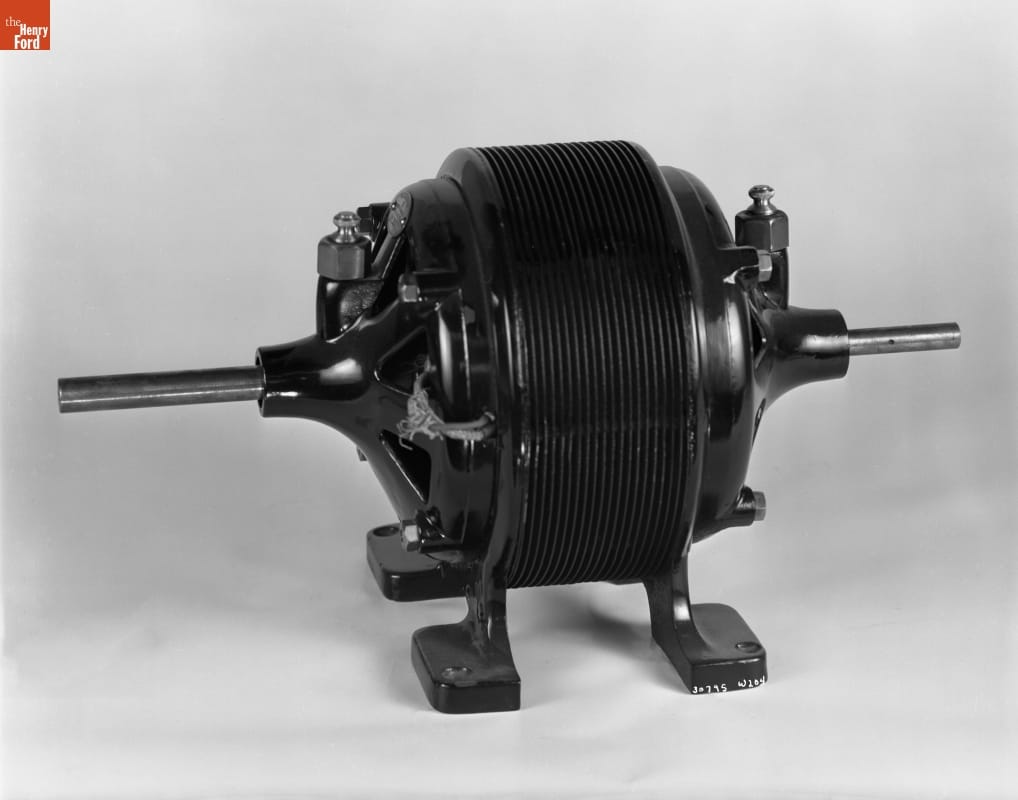
Westinghouse Induction Motor
Nikola Tesla's name is inseparable from the development of alternating current electricity--particularly with regard to polyphase transmission, but especially with regard to the induction motor. His motor, patented in 1888, was the first practical AC motor. George Westinghouse licensed Tesla's motor patents that same year--enabling the Westinghouse AC lighting system to become a real competitor with direct current systems.
Artifact
Edison Patent Model of Electric Distribution System, 1887
04
Videos
06
More to Explore

View Articles
Explore stories from the collections of The Henry Ford.

Explore Popular Research Topics
Get authoritative information on key topics related to our collections.