
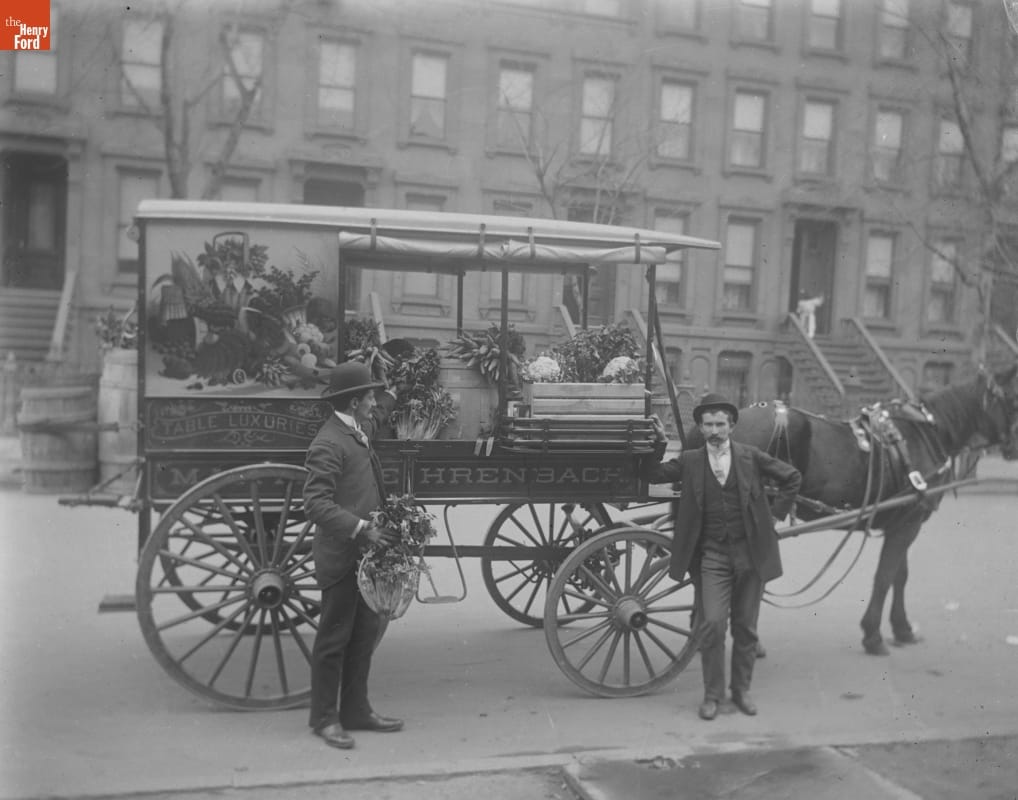
Delivery Wagon, Fehrenbach Table Luxuries, 1890-1915
THF38079 / Delivery Wagon, Fehrenbach Table Luxuries, 1890-1915
01
Artifact Overview
In 1890, Jenny Young Chandler, 25 years old and recently widowed, began working for the New York Herald. As a photojournalist and feature writer, Chandler captured life in Brooklyn, New York, and vicinity. By 1922, the time of her death, she had produced over 800 glass plate negatives. Her sensitive, insightful photographs depict people from all walks of life and the world in which they lived.
Artifact Details
Artifact
Negative (Photograph)
Subject Date
1890-1915
Creators
Place of Creation
Collection Title
Location
By Request in the Benson Ford Research Center
Object ID
32.351.79
Credit
From the Collections of The Henry Ford. Gift of Betty R. K. Pierce.
Material
Glass (Material)
Technique
Gelatin dry plate process
Color
Black-and-white (Colors)
Dimensions
Height: 4 in
Width: 5 in
Keywords |
|---|
02
Related Content
 Set
SetHorse-drawn Deliveries
- 11 Artifacts
Horse-drawn delivery wagons remained in use well into the automobile age. Even in the 1920s, it wasn't unusual to see milk, ice, or produce delivered by horse--especially in smaller towns. Horses were well suited to the frequent stops and starts along a route and could negotiate poor roads better than early motorized vehicles. As roads improved and trucks became less expensive to operate and maintain, the horse-drawn delivery wagon faded away.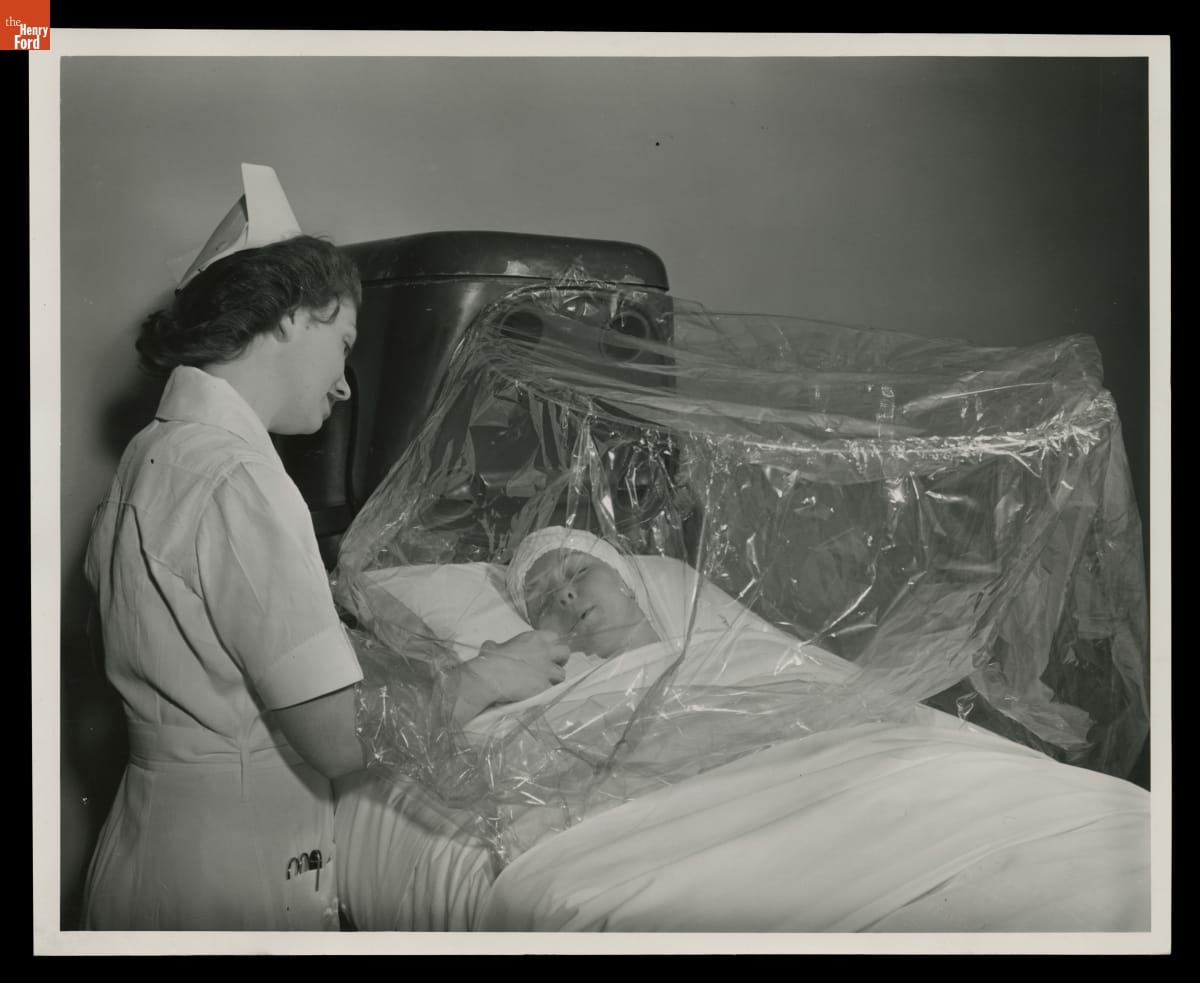 Set
SetFrontline Workers: An Historic Appreciation
- 13 Artifacts
At the one-year anniversary of the start of closures and lockdowns in the United States related to the 2020-21 COVID-19 pandemic, we, as so many others, are reflecting on those who kept our society running while our day-to-day life radically changed. These artifacts show how much we have always depended on the "essential workers" covered here (and many others not covered), while a pandemic year brought that dependence into sharper relief.