
In the Seams of Sound: Hip Hop & Fashion
| Written by | |
|---|---|
| Published | 8/14/2026 |
In the Seams of Sound: Hip Hop & Fashion
| Written by | |
|---|---|
| Published | 8/14/2026 |
Hip hop emerged out of the Bronx in the early 1970s, in the post-Civil Rights era. Seeking a platform for self-expression, Black, Puerto Rican, and Afro-Caribbean youth living in this NYC borough formed a creative community that soon exploded into a global phenomenon. As the trailblazing DJ Kool Herc described, “It's like a volcano, right? It bubbled up and broke grounds. And it progressed into a phenomenon. It's official.”
The “phenomenon” of hip hop in its nascent years wasn’t solely focused on music. It was a holistic cultural movement, centered on four classic pillars: DJing (music), MCing (voice), breakdancing (movement), and graffiti art (visual). Today, the cultural impacts of hip hop and rap are undeniable and always evolving.
DJ Kool Herc: “Yes, Yes, Y’all! You Don’t Stop!”
DJ Kool Herc (born Clive Campbell) is one of the original architects of hip hop culture. In 1967, when he was twelve, his family emigrated from Jamaica to the Bronx. In his native Trenchtown neighborhood in Kingston, Jamaica, Campbell witnessed aspects of sound culture that became vital influences — especially dancehall parties. Campbell was too young to attend the parties, but he watched and listened from the sidelines.
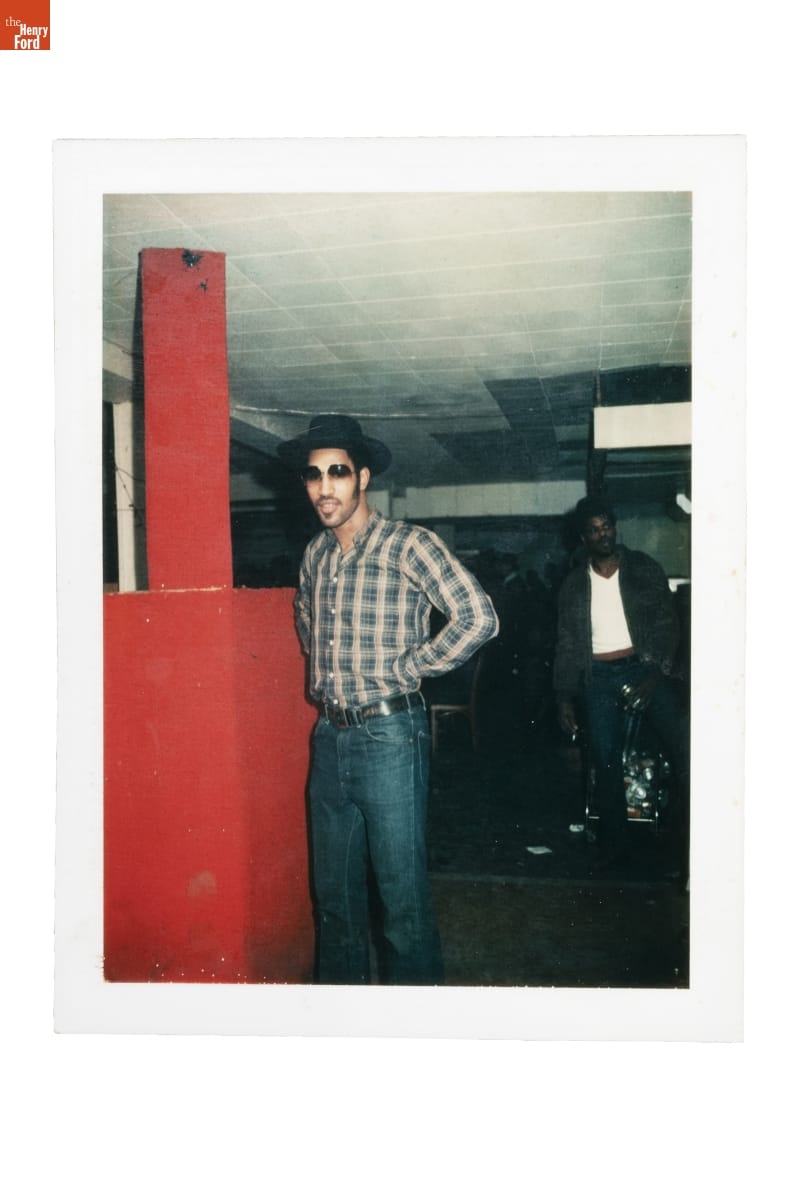
DJ Kool Herc at Emma's Place Nightclub, Bronx, New York, circa 1981. / THF19160
In the Bronx, Campbell hid his Jamaican accent and adopted American fashion to avoid anti-immigrant bullying. As a teenager, he learned to DJ by co-opting his father’s massive Shure PA sound system. He soon adopted the name DJ Kool Herc and began to perfect his “Merry Go Round” breakbeat technique.
On August 11, 1973, Herc and his younger sister, Cindy Campbell, organized a rec room party at 1520 Sedgwick Avenue in the Bronx to raise funds for Cindy’s “back to school” wardrobe. This detail is often overshadowed by the fact that this legendary gig is now celebrated (and debated) as the “birthplace” of modern hip hop culture. Cindy hand-drew invitations on index cards and the Campbells managed to pack the room. No recordings exist of Herc’s earliest gigs, because in the nascent days of the genre, live performance was emphasized over professional studio recording. Luckily, other early recordings and bootlegs survive of Herc playing, including a 1978 tape, but his studio album output is extremely limited.
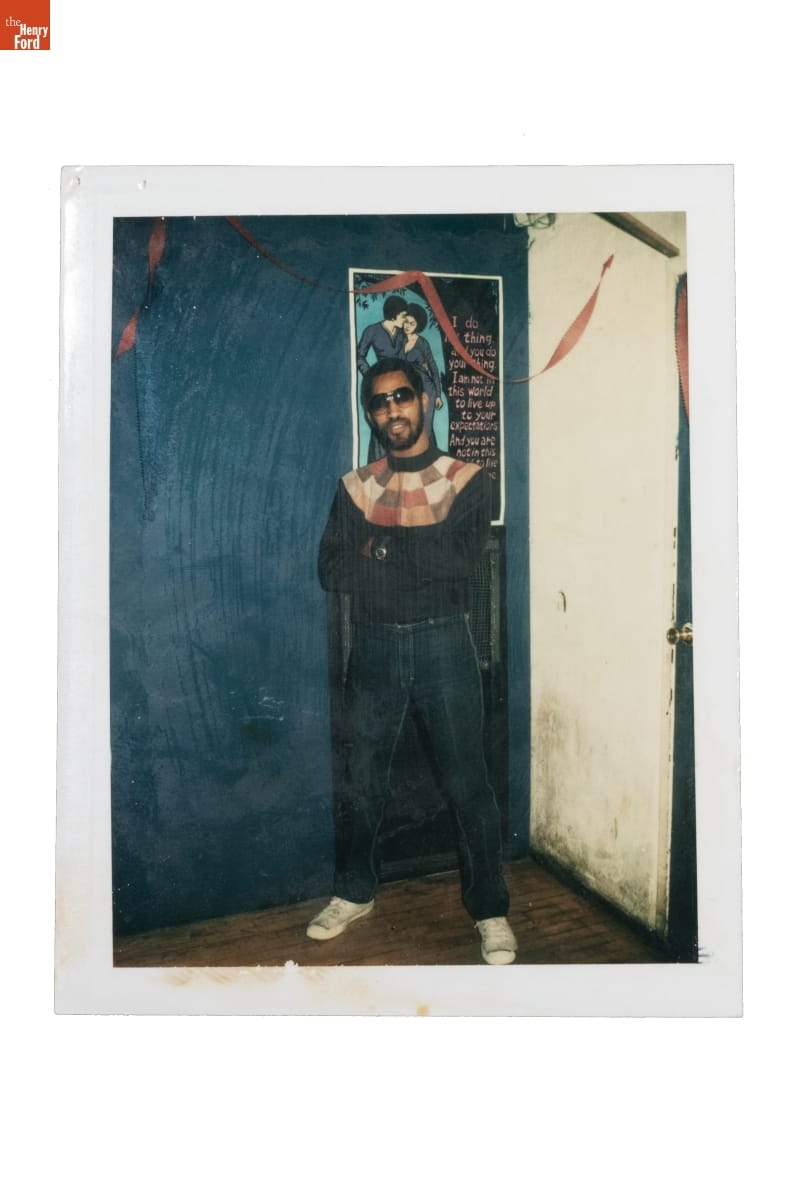
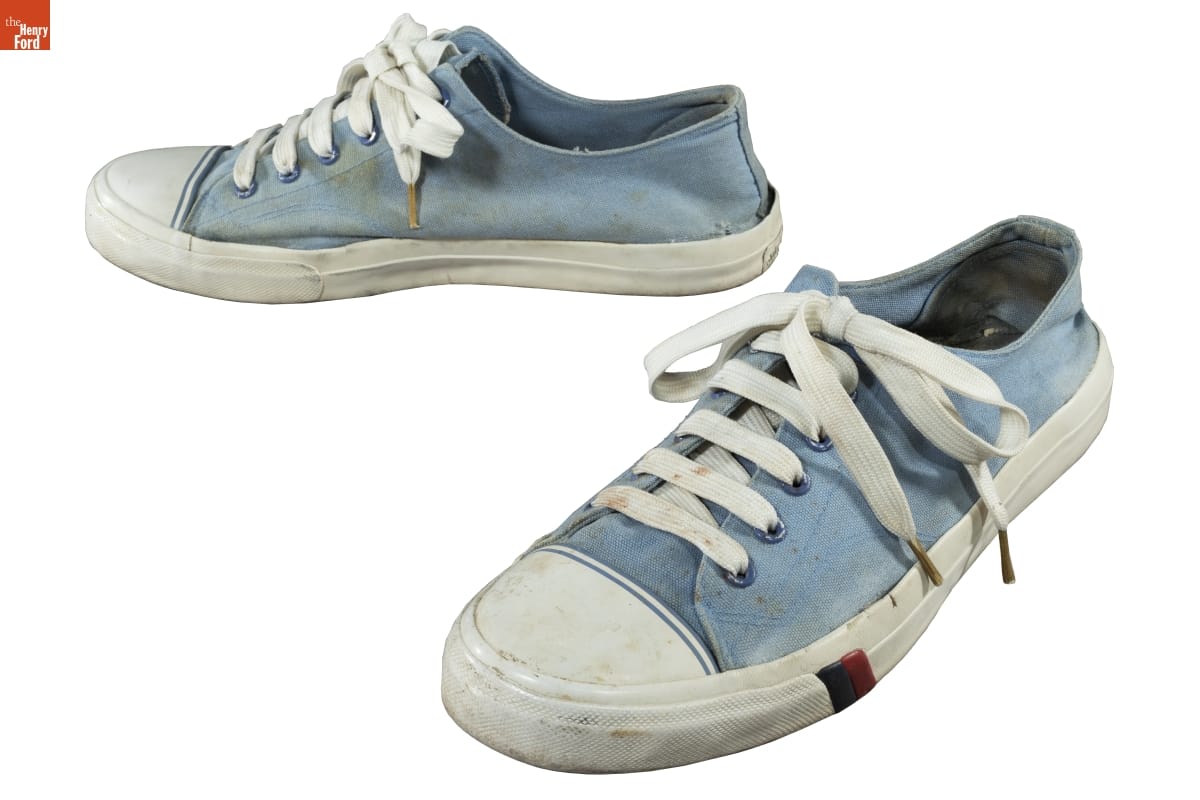
DJ Kool Herc at The T-Connection Nightclub, Bronx, New York, circa 1981 (top). / THF191961; DJ Kool Herc’s PRO-Keds worn in the same image (bottom). / THF191958
In a circa-1981 photograph taken at the fabled T-Connection club, DJ Kool Herc wears a Caransa sweater purchased at A.J. Lester’s store in Harlem, straight cut denim, and light blue PRO-Ked Super “69er” sneakers — the first athletic shoes to become popular within the hip hop scene. At a 2022 auction, The Henry Ford acquired Herc’s sweater and shoes worn in this image. These fashionable traces serve to document the day-to-day of the musician’s life from the early years of the hip hop scene. The shoes are well-loved, retaining their 1970s-era scuffs, smells — even an old gob of chewing gum on the sole!
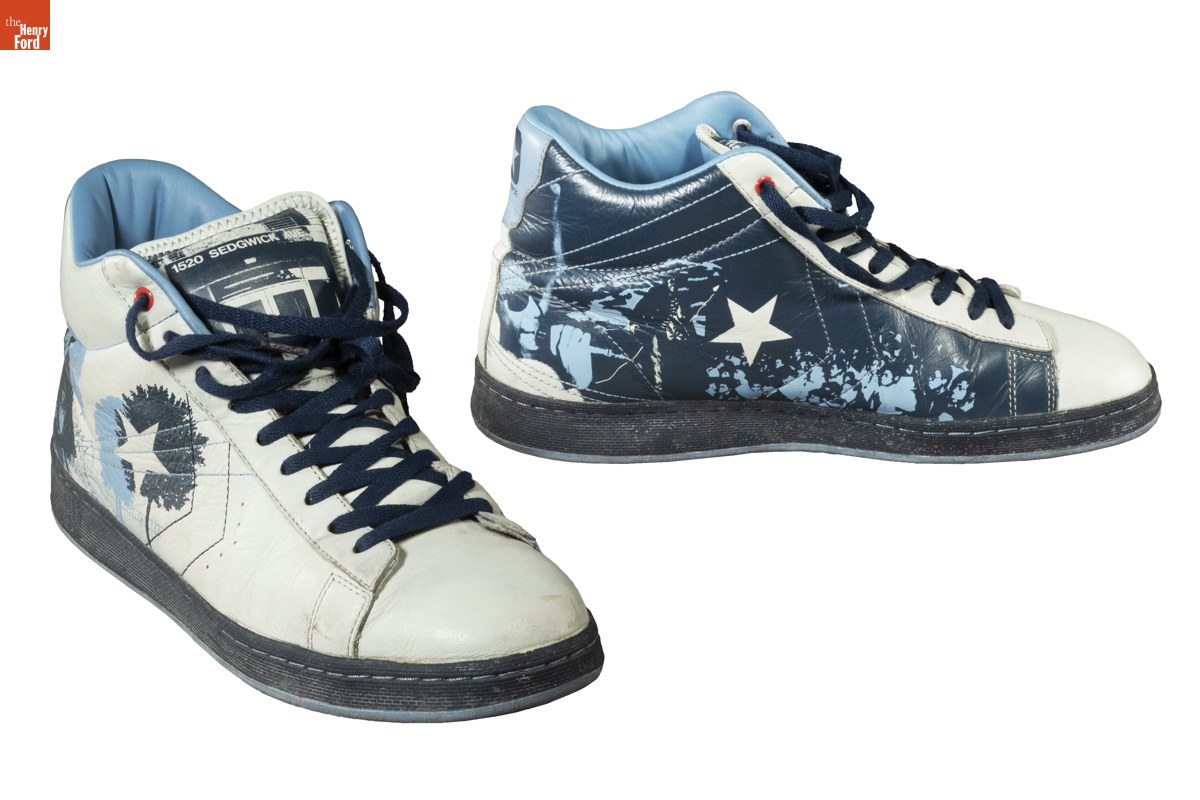
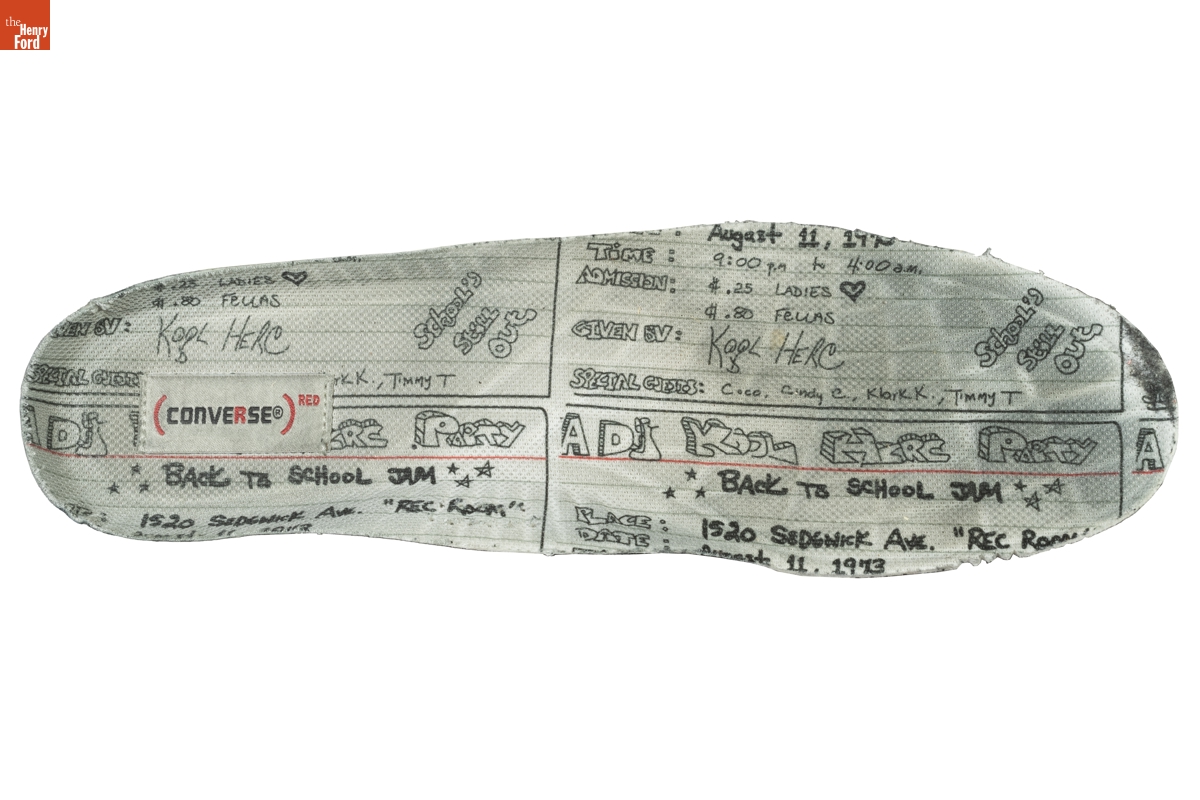
(Product)RED shoes worn by DJ Kool Herc from a 2007 collaboration between Converse and the clothing label Sedgwick & Cedar (top). / THF191942; their fabric insoles reproduce the 1973 handmade invitation for the 1520 Sedgwick party (bottom). / THF191945
Run-DMC: “Funky Fresh & Cold On My Feet”
Run-DMC was a pivotal trio credited with ushering hip hop music into the mainstream. Founded in 1983, they were the first hip hop group to achieve platinum records, have a video on MTV, and land a Rolling Stone cover feature. Their fashion identity was inspired by “post-disco” New York City “hustler fashion,” which typically included matching tracksuits, black leather, gold chains, and laceless Adidas Superstar sneakers.
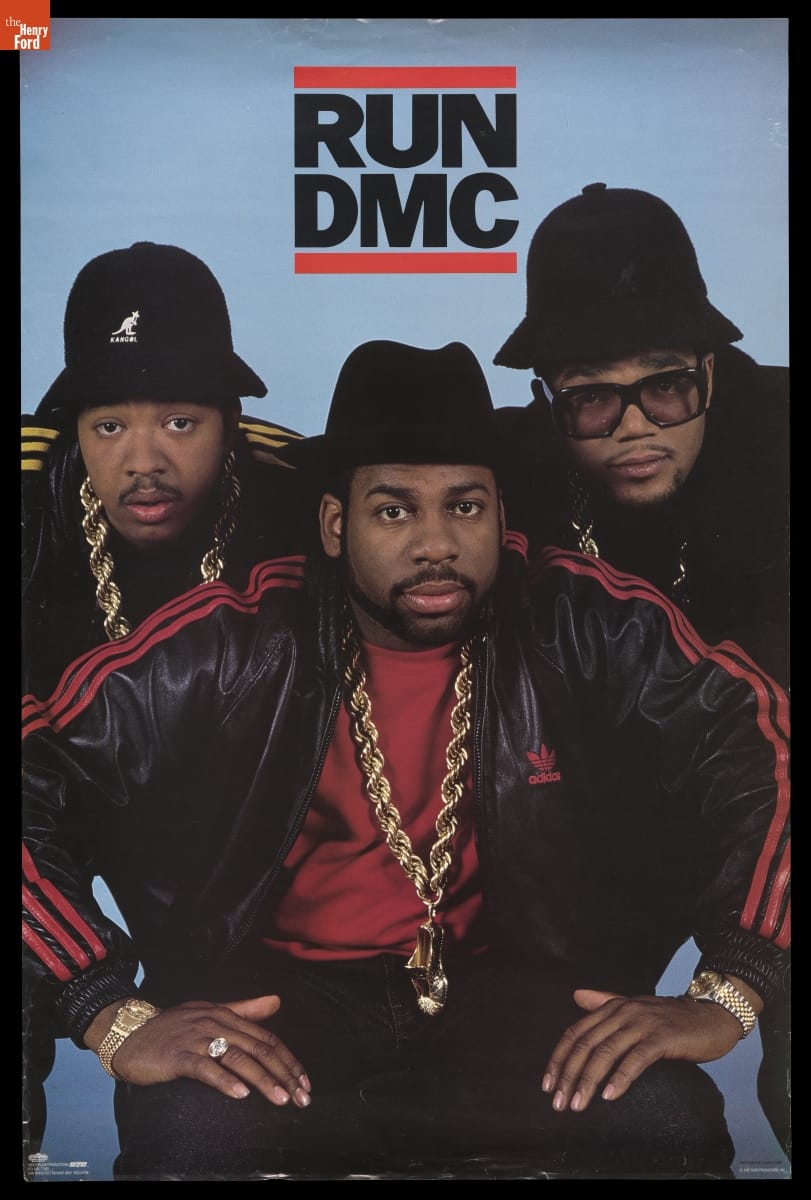
This 1987 promotional poster features an image of Run-DMC wearing Adidas tracksuits and gold chains with Superstar shoes as pendants. The photograph was taken by Laura Levine, who also documented Madonna, Sinead O’Connor, Beastie Boys, Iggy Pop, James Brown, and many other musicians. / THF730894
Their 1986 hit single “My Adidas” was an ode to the sneaker: I wear my Adidas when I rock the beat / On stage front page every show I go / It's Adidas on my feet high top or low. The song achieved triple-platinum status, which caused a sales uptick for Adidas. Like the PRO-Ked “69ers,” the Adidas Superstar was a once-humble sport shoe that pivoted into an attainable status symbol — a signal of collective belonging within hip hop culture.
In July 1986, an Adidas executive was invited to Run-DMC’s sold-out concert at Madison Square Garden concert to witness fan fervor for the footwear. From the stage, the band asked fans to hold up their Adidas sneakers and dared the executives to “Give us a million dollars!” Soon after, Run-DMC became the first music group to sign a major fashion endorsement—totaling $1.6 million dollars.
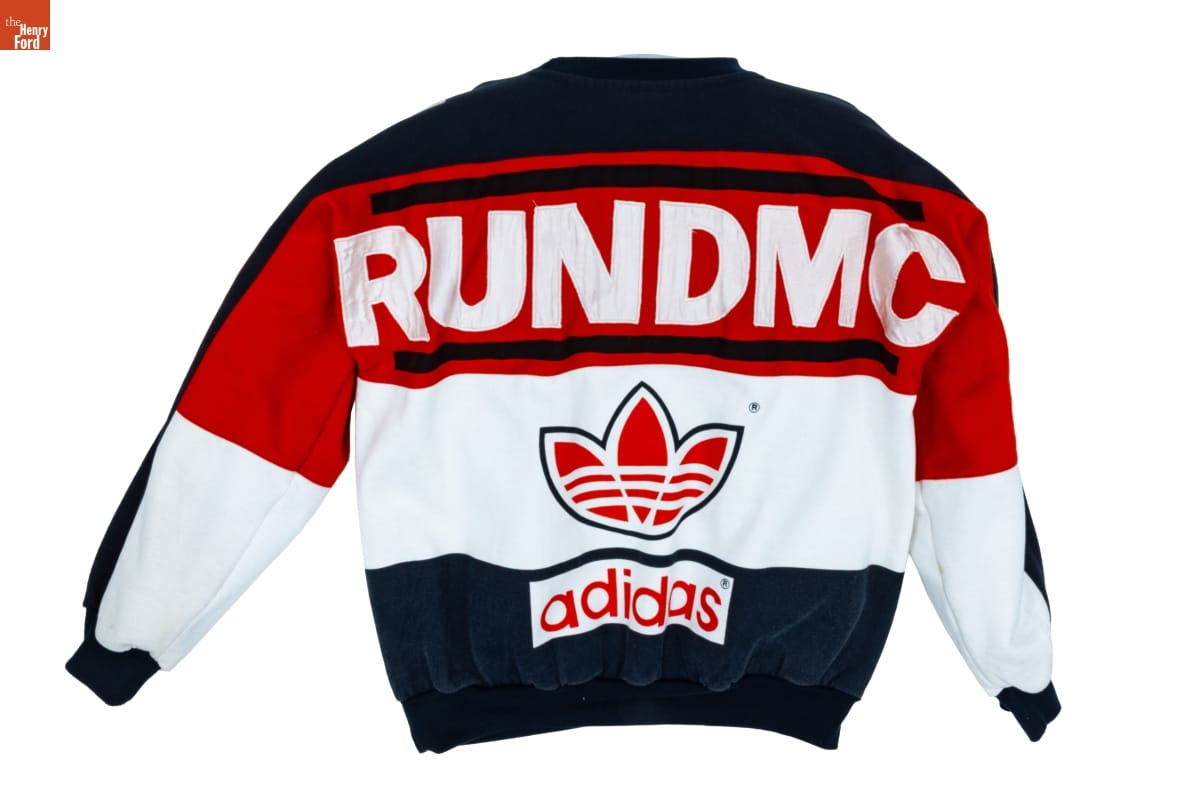
This sweatshirt was created through the collaboration of Adidas and Run-DMC—the first major brand sponsorship between a sportswear company and a hip hop artist. Approximately 500 of these sweatshirts were made in the initial 1986-87 product campaign. / THF807603
Dapper Dan: Luxury and Logos
In 1982, Daniel R. Day established his now legendary Dapper Dan apparel atelier in Harlem. Known for his all-over “logomania” patterns, Day’s remixed luxury monograms from Louis Vuitton, Gucci, and Fendi into bespoke, well-tailored garments.
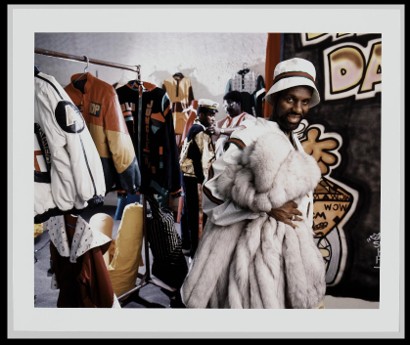
A 1989 image of Dapper Dan for MTV by photographer Wyatt Counts. / Image courtesy of Smithsonian National Museum of African American History and Culture
In the mid-1980s, his custom clothing was sought out by artists in the rising NYC hip hop scene, including LL Cool J, KRS-One, and Salt-N-Pepa, along with sports stars Mike Tyson and Diane Dixon. By the early 2000s, Dapper Dan’s work was recognized for its historically important contributions to Black fashion.
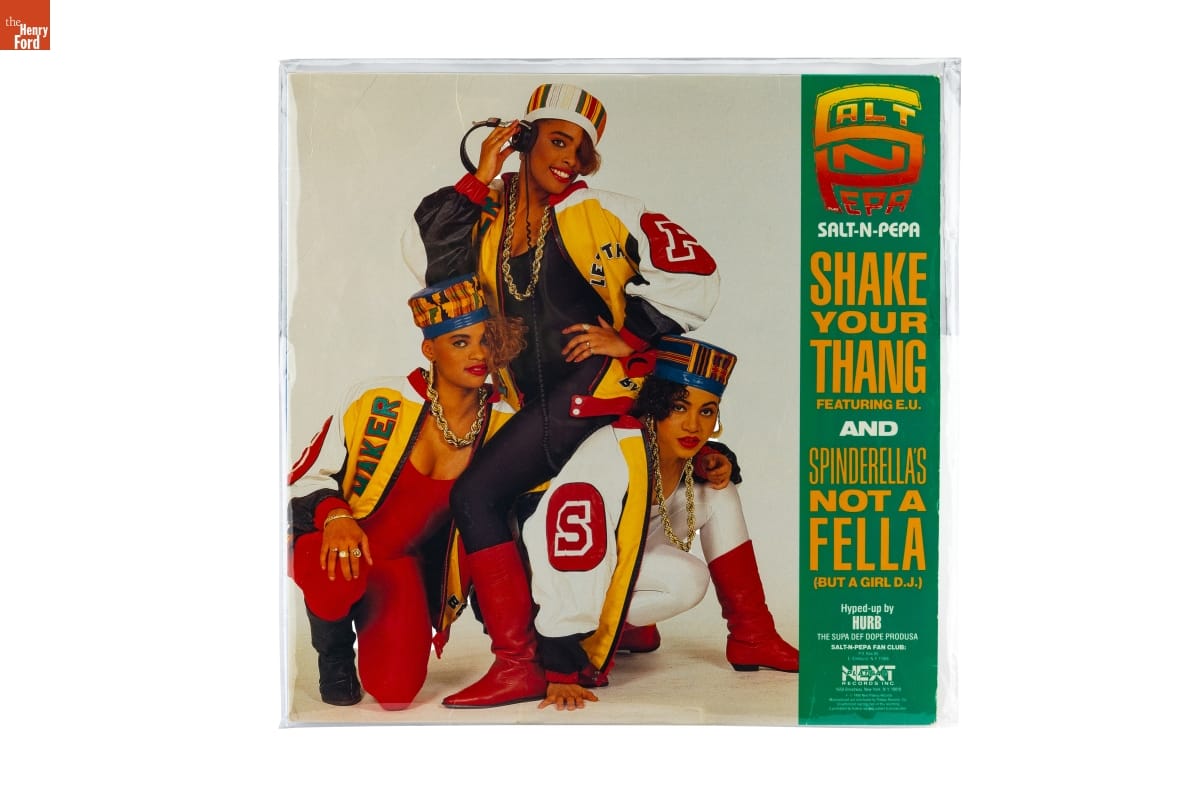
Record Album, "Shake Your Thang" and "Spinderella's Not a Fella (But a Girl D.J. ,)" 1988. / THF807132
The band Salt-N-Pepa appears on a record cover in leather jackets created at Dapper Dan’s Boutique in 1987. The concept designs are credited to Christopher “Play” Martin (of the band Kid 'N Play), who also designed the band’s logo. Martin worked with Dapper Dan’s studio to produce the jackets in time to appear in their iconic “Push It” video.
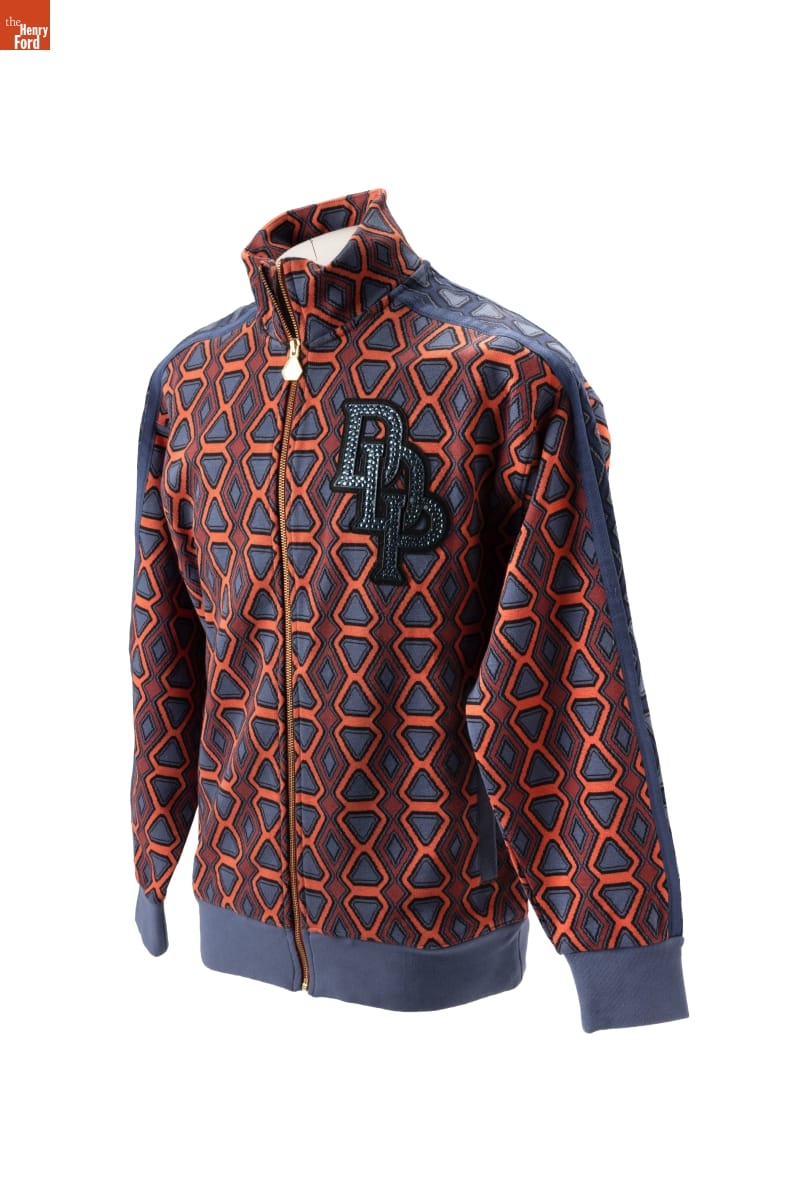
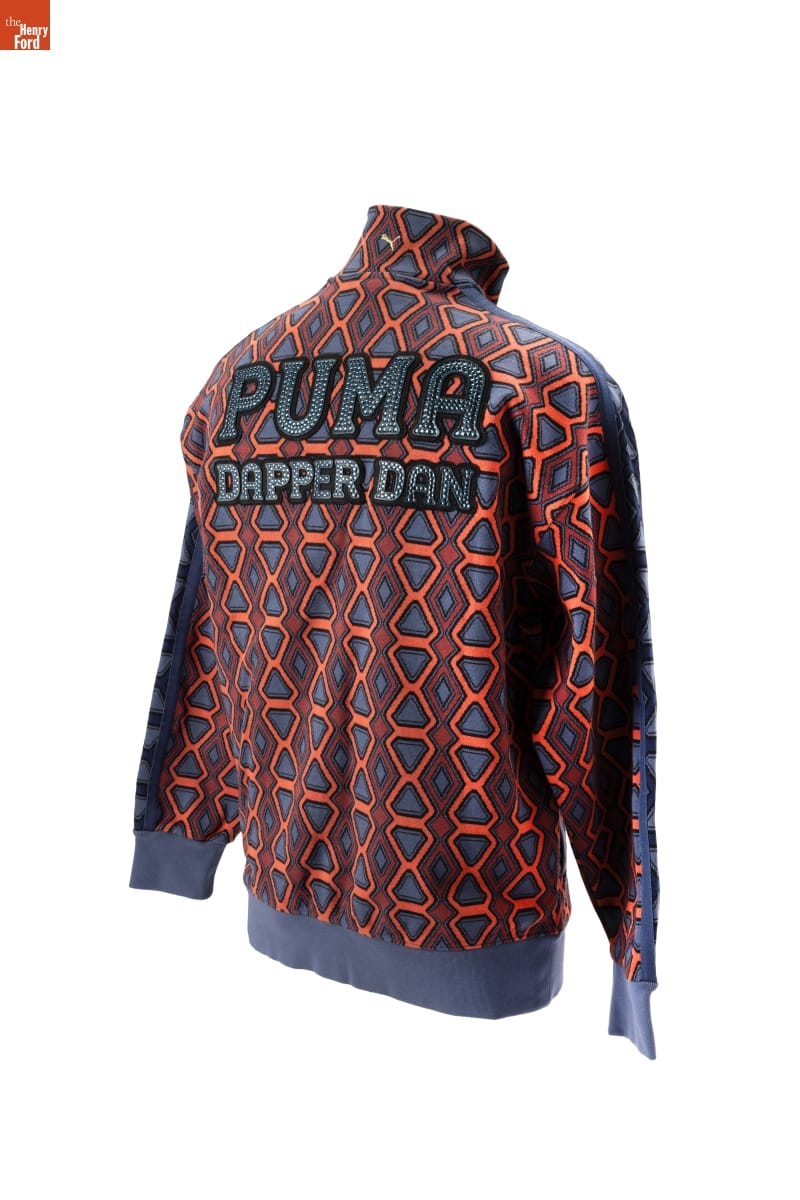
Dapper Dan x PUMA track jacket, 2022. / THF807140 (top), THF807142 (bottom)
In 2022, Dapper Dan debuted a luxury streetwear capsule collection at New York Fashion Week, in partnership with PUMA and lifestyle brand Kith. This collection—which included this T7 style track jacket — explored the cohesive relationship between hip hop and luxury while maintaining an affordable price point. To broaden accessibility even further, Dapper Dan also launched yearly “DAP” collections with fast fashion brand The Gap from 2022-24.
Lens Poetics: Brian “B+” Cross & Hip Hop Photography
Brian Cross—who professionally goes by the moniker “B+” — is an Irish-born, LA-based photographer and filmmaker. Since the 1990s, he has devoted his life to chronicling underground hip hop, rap, jazz, cumbia, and reggae music scenes. B+ was the photo editor for the celebrated music magazines Wax Poetics and Rap Pages. Since 1997, his production company, Mochilla (cofounded by Eric Coleman), has produced renowned music documentaries, videos, and album covers.
As a visual cartographer of sound culture, B+ is a master of capturing intangible moments of contemplation and inspiration within creative lives beyond the spotlight. As he notes in his book, Ghost Notes: Music of the Unplayed: “[History] has always been the hustle and toil of ordinary folks to find new ways to survive, maintain dignity, and contribute to the conversation with the ancestors. Music makes maps of these moments. Hip hop makes strategic paths back to these maps.”
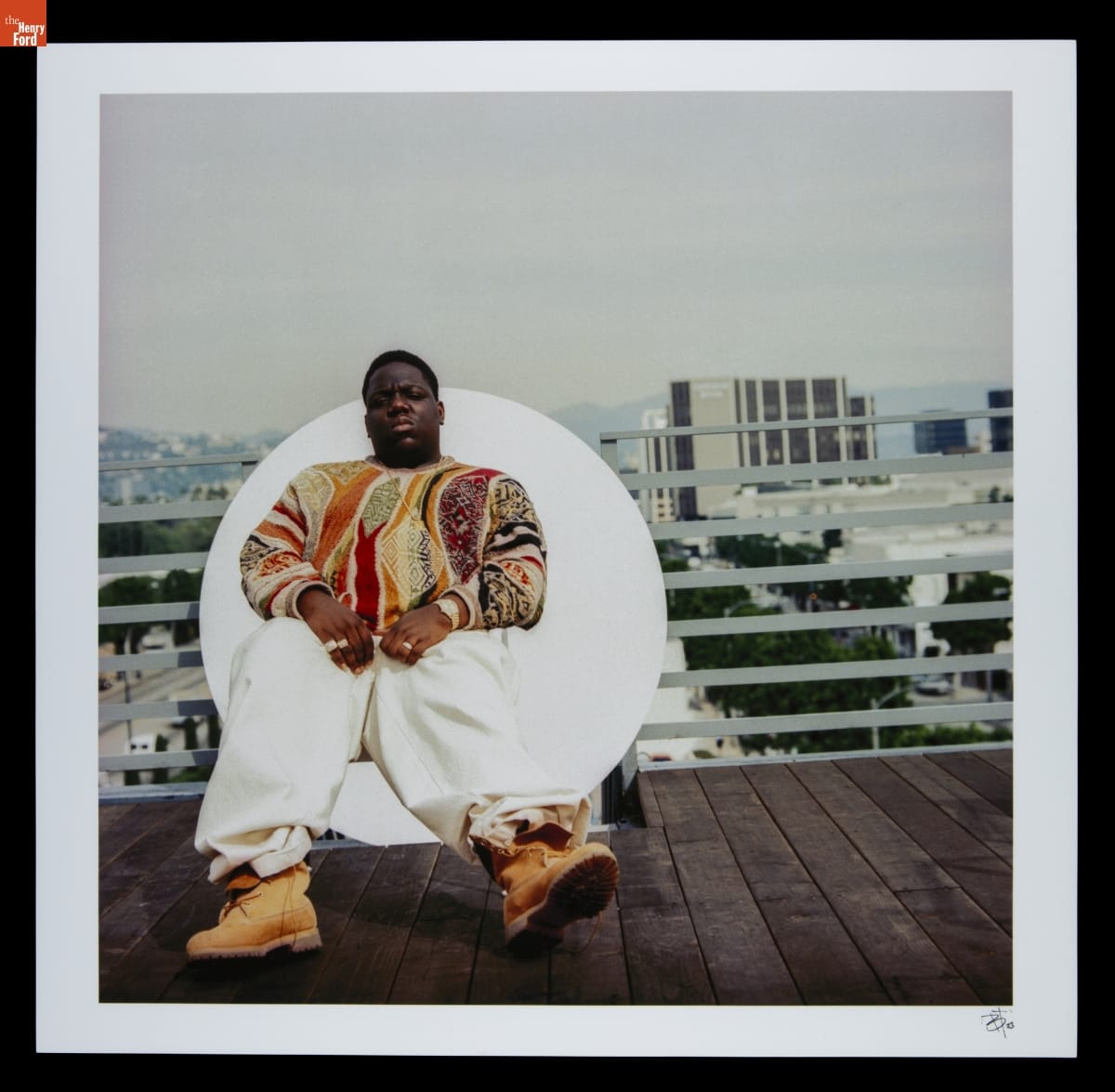
Photograph by Brian “B+” Cross, “The Notorious B.I.G.,” Beverly Hills, California, US. April 1995. / THF714379
The Notorious B.I.G. exudes swagger in a colorful COOGI sweater, Karl Jani jeans, and Timberland boots — brands the musician namechecked in his tracks like “Big Poppa” and “One More Chance.” This is one of B+’s most iconic images. Originally taken while on assignment for the Japanese magazine, Fine, it was revisited in 2023 as the cover for Wax Poetics’ “50 Years of Hip Hop” issue.
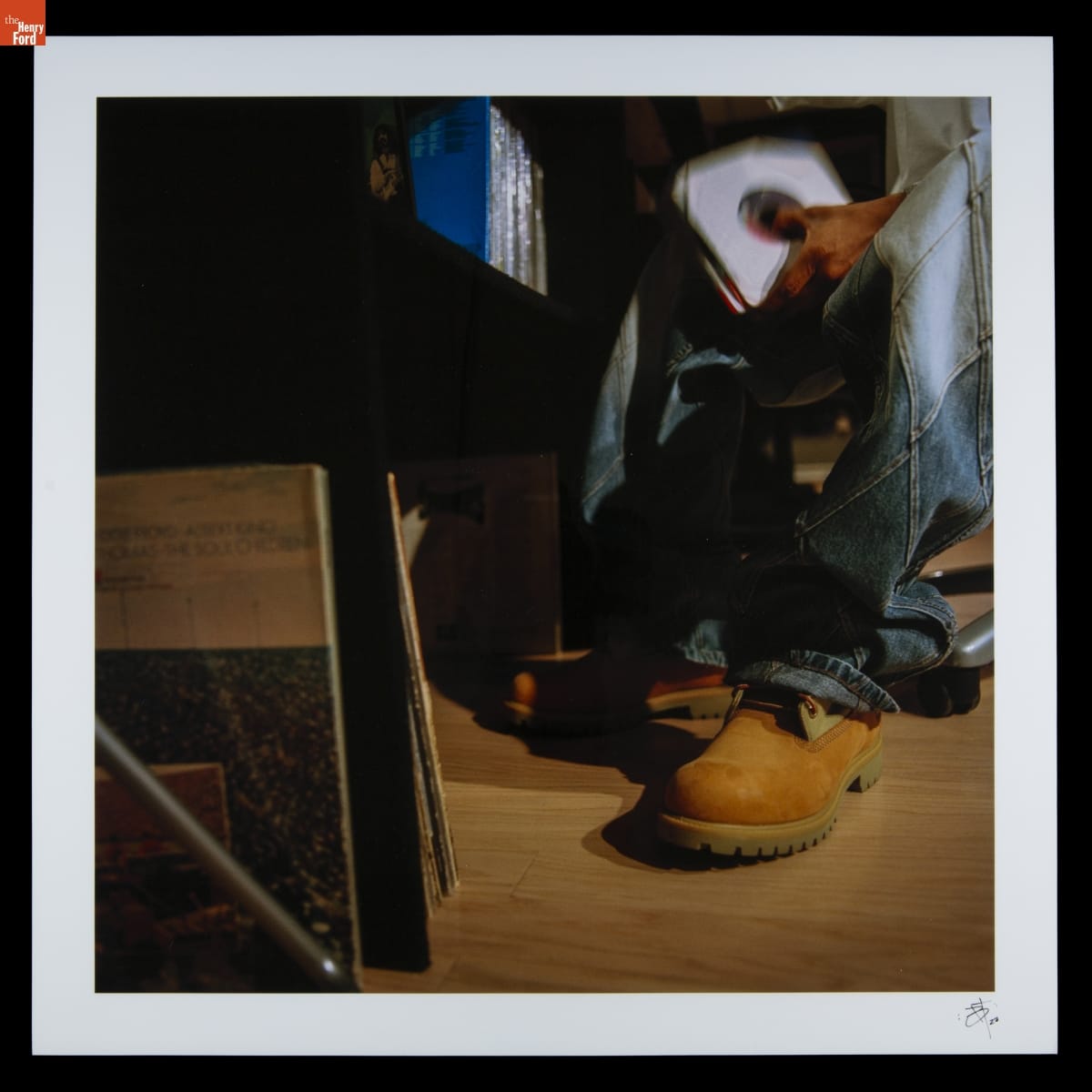
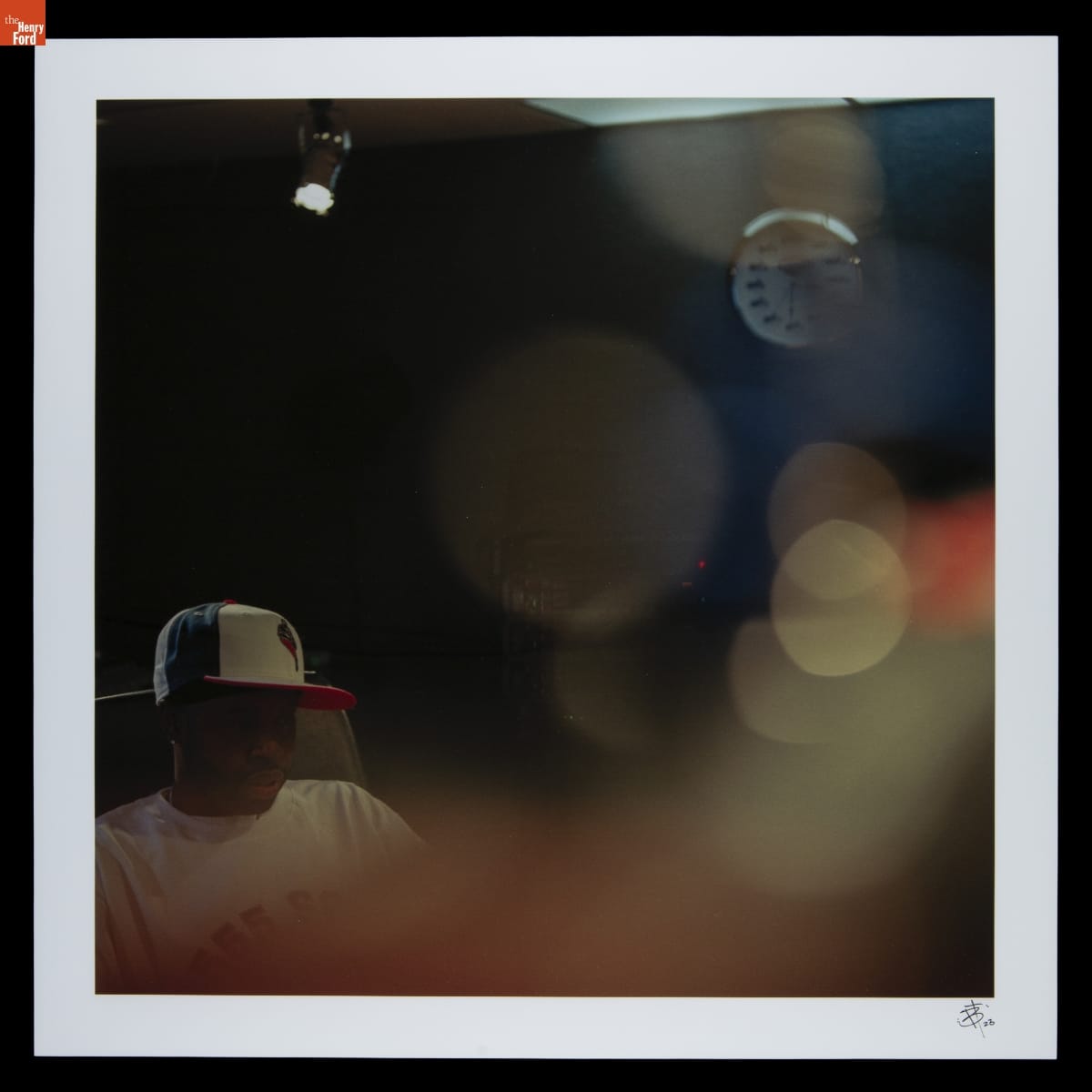
Photographs by Brian “B+” Cross of J Dilla in his studio in Clinton Township, Detroit, Michigan, 2000. / THF714380 (top), THF714383 (bottom)
J Dilla (James DeWitt Yancey) was another favorite subject for B+. J Dilla is celebrated as one of the most important musicians to emerge from Detroit’s underground hip hop scene as a member of Slum Village and of the Soulquarians — and for his innovative solo work. In these images, we see the artist working at “The Spaceship” recording studio in Clinton Township, Detroit. In one image, he is seated at his mixing console wearing a fitted baseball cap. In another, his pristine Timberland boots are planted next to rows of LPs — his hand holding a stack of 7” records.
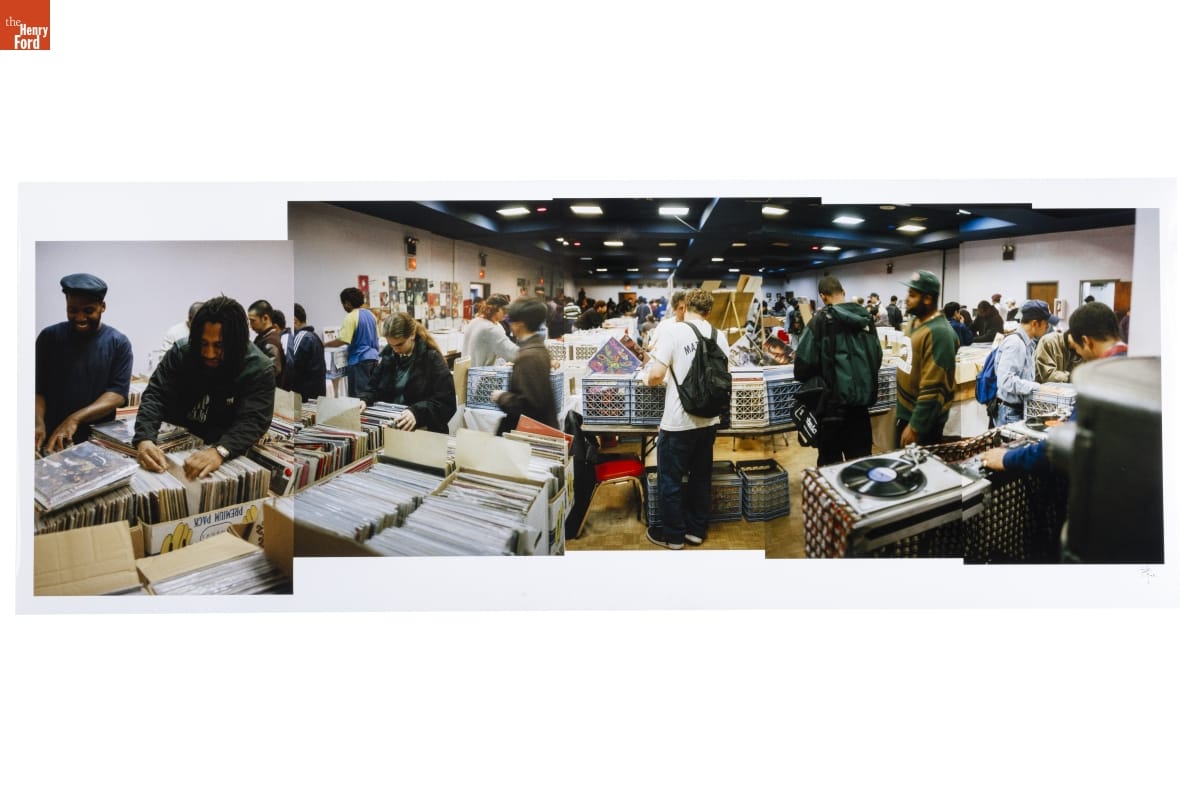
Photograph by Brian “B+” Cross of DJ Kool Herc (second from left) at the WFMU Record Fair in New York, September 1997. / THF197976
And finally, in the image above, we come full circle to DJ Kool Herc himself, digging for records at the WFMU Record Fair in New York. A founding member of hip hop at one with the crowd, wearing a work jacket and t-shirt, searching for sounds and samples.
Kristen Gallerneaux is the Curator of Communication & Information Technology at The Henry Ford. Many of the artifacts cited in this article are on view in Fabric of America: Our Textiles, Fashions, and Technologies (June 7 – September 13, 2026).
Series | |
|---|---|
Themes |