
Broadway Blockbusters
| Written by | |
|---|---|
| Published | 6/18/2026 |
Broadway Blockbusters
| Written by | |
|---|---|
| Published | 6/18/2026 |
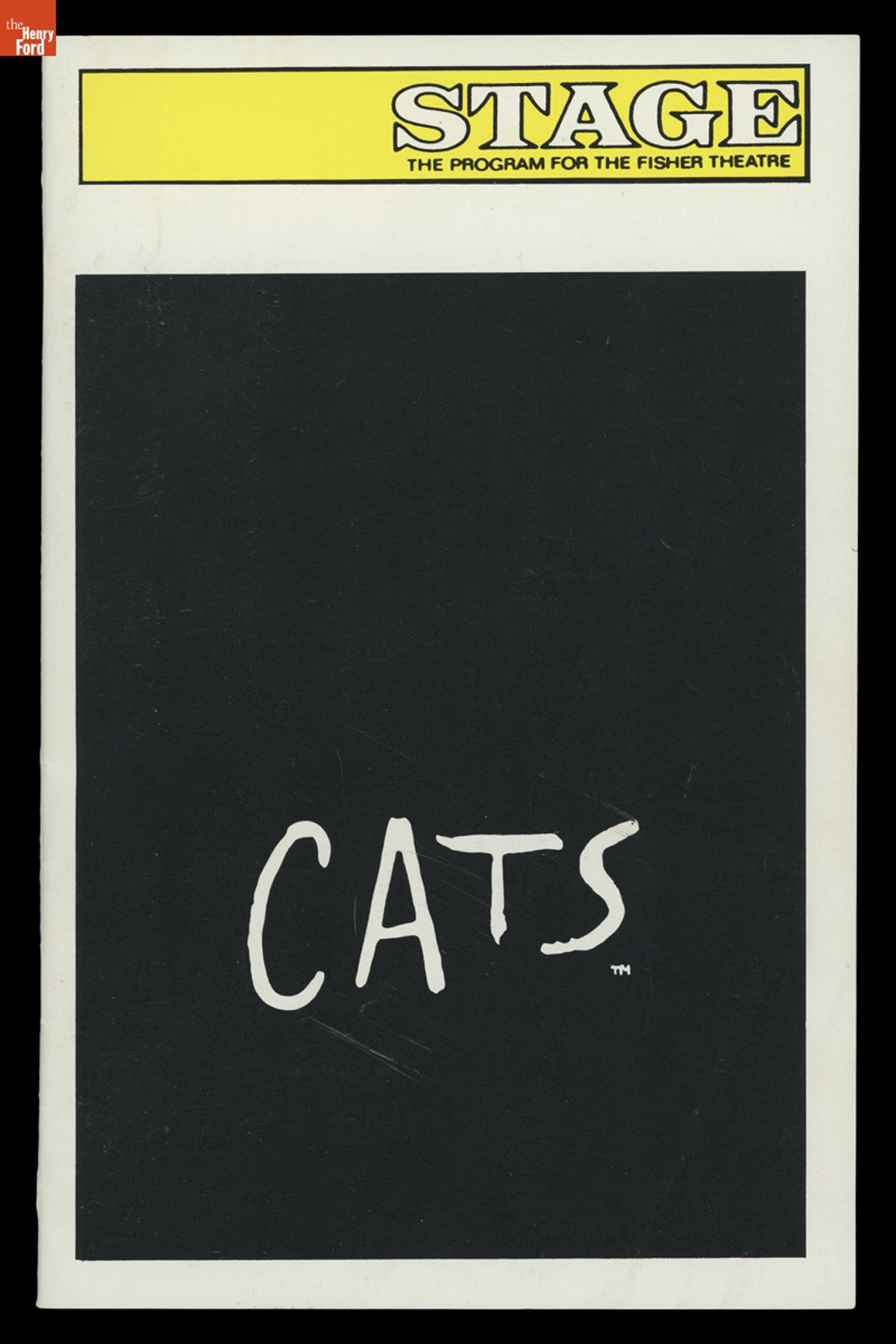
Cats, 1987 program from Detroit's Fisher Theatre. / THF735555
Inspiration for a musical can come from a myriad of sources. Andrew Lloyd Webber proved that when he created Cats, a sung-through musical (meaning there is no dialogue, only sung lyrics) based on T.S. Eliot’s poetry collection Old Possum’s Book of Practical Cats. The plot of the musical centers on a group of Jellicle cats competing for the chance to ascend to the Heaviside Layer and be reborn into a new life.
Despite mixed reactions to the show — audiences tended to either love or hate it — Cats was immensely successful and is widely credited with starting the era of blockbuster mega-musicals, in which producers focused on big-budget shows that could draw in families and tourist crowds. For several years, Cats was the longest-running musical both on Broadway and in London's West End, and it has been revived multiple times and staged in several different countries. It also spawned a direct-to-video stage recording (1998), a feature film (2019), and a newly reimagined staging based on ballroom culture: Cats: The Jellicle Ball (2026).
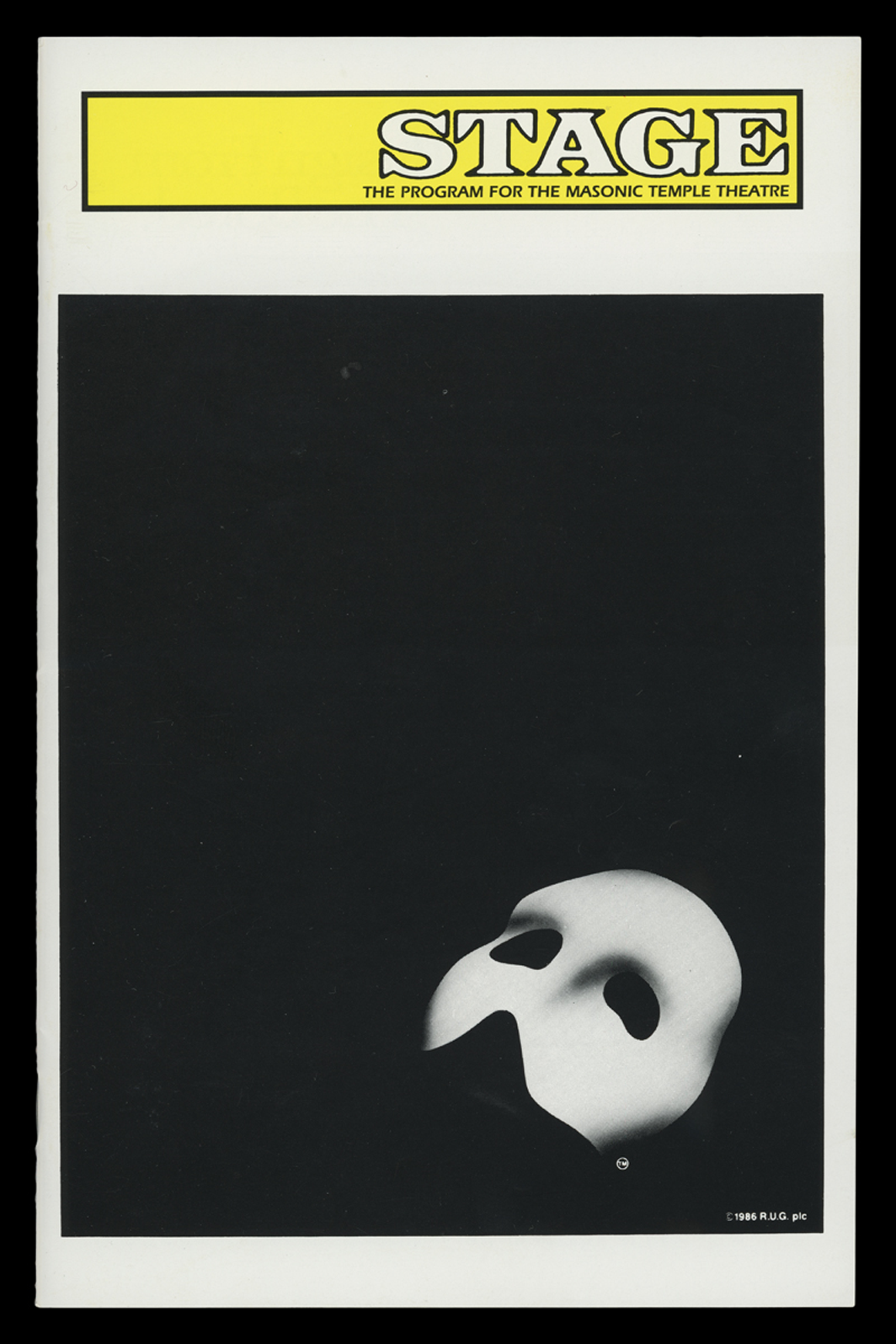
The Phantom of the Opera, 1993 program from Detroit's Fisher Theatre. / THF735576
From the late 1970s onward, theater has become a huge industry in New York City. Entities like the New York City Convention and Visitors Bureau (now called New York City Tourism + Conventions) and New York Department of Economic Development have used successful Broadway shows to promote tourism. According to the Broadway League, over 14 million people attended a Broadway show during the 2024–2025 season — approximately 11 million of those attendees being tourists. Among the theatrical blockbusters that draw out-of-town crowds, a favorite was the longest-running musical in Broadway history, The Phantom of the Opera.
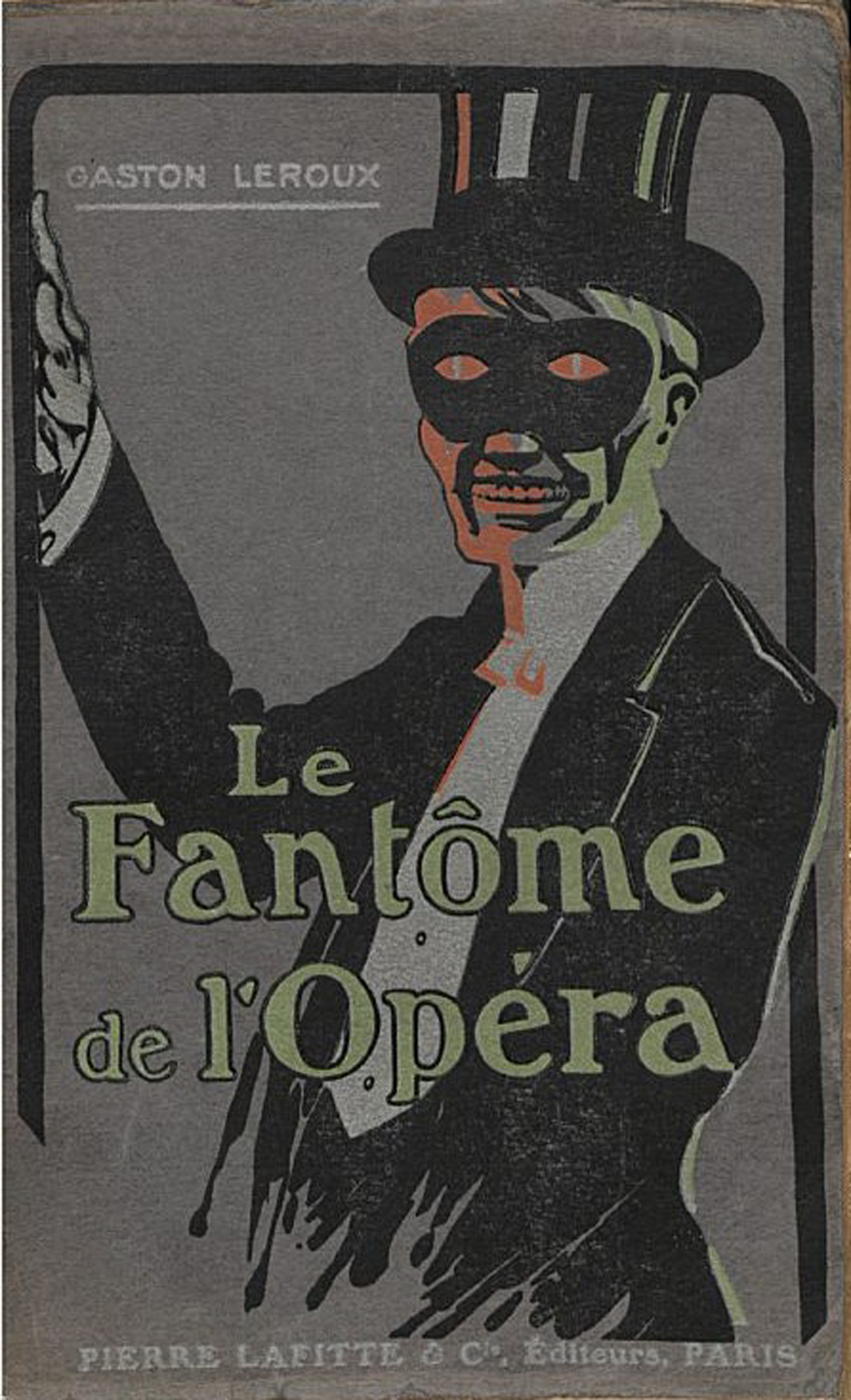
The Phantom of the Opera is a French novel by journalist Gaston Leroux published in 1910. While the book blends tropes of detective fiction and gothic horror, the popular Broadway musical adaptation also focuses on the love story between its main characters. / Via Wikimedia Commons

The Phantom of the Opera, based on the Gaston Leroux novel of the same name, follows Erik, a mysterious man living under the Paris Opera House — Palais Garnier — and Christine, the aspiring opera singer whom Erik trains and later kidnaps. Thanks to the musical's success in the West End, there was immense anticipation for its January 1988 opening on Broadway. The Phantom of the Opera was the first show in Broadway history to play 10,000 performances; itclosed in 2023 after 13,981 total shows over the course of 35 years. It earned an estimated $1 billion dollars through its run and remains loved by its so-called "Phans."
While producer Cameron Mackintosh attributed this success to The Phantom of the Opera's "wonderful, mythic story," its status as a mega-musical also bolstered its appeal. Mega-musicals are full of melodrama and spectacle: large casts, full orchestras, lavish costumes, and huge set pieces like a revolutionary barricade or an evacuation helicopter. Maria Bjornson, designer for The Phantom of the Opera, made over 200 individual costumes for the musical and recreated the opulent Palais Garnier on stage. Critic Frank Rich called Bjornson's work a "tour de force throughout — as extravagant of imagination as of budget."
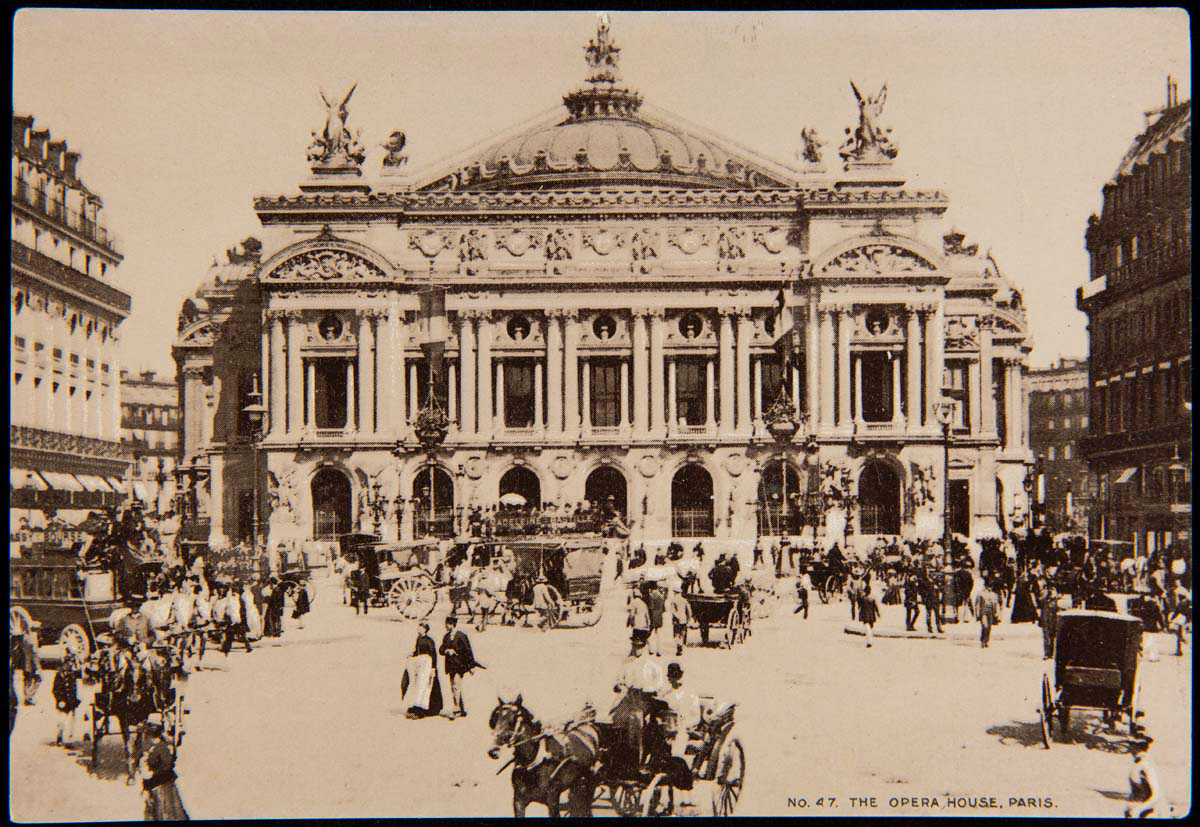
Trade Card for C.I. Hood & Co. with Hood's Photos of the World, "Opera House, Paris," 1890-1910. Gaston Leroux set his novel The Phantom of the Opera at Palais Garnier, pictured here. To bring this setting to life on stage, Maria Bjornsen visited Paris in 1985 and took extensive notes on the exterior and interior of the opera house. / THF297451
As Rich alluded to, the extravagance that wows audiences comes at a great cost. During the final months of its historic run, The Phantom of the Opera cost over $950,000 per week to produce; budgetary pressure was a reason the show closed after three decades. In the 21st century, especially after the 2008 financial crisis, many successful Broadway shows rely on minimal staging, fewer costumes, and smaller orchestras with smaller budgets.
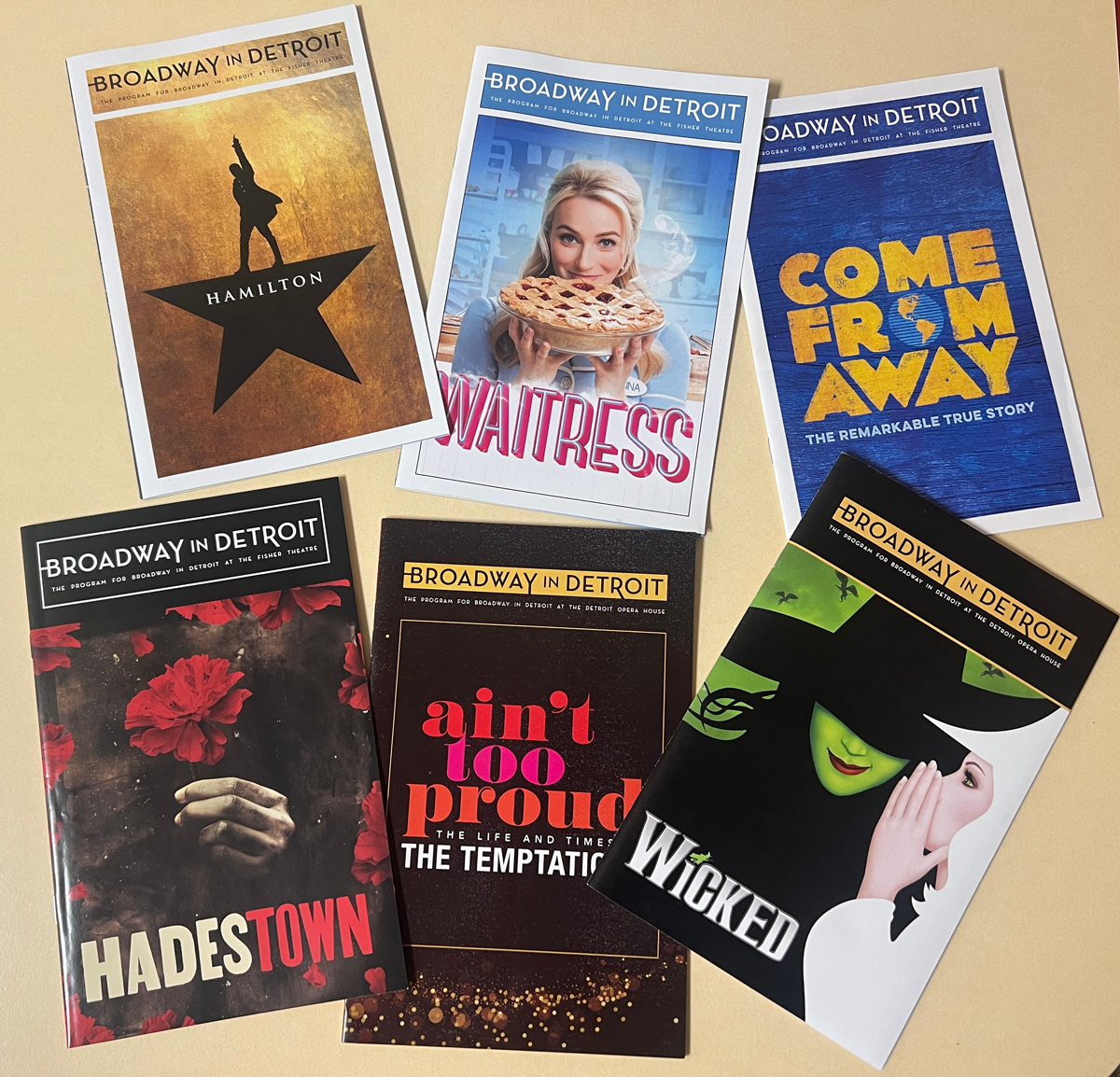 Playbills from Detroit’s Fisher Theatre, 2018-2024. These popular shows demonstrate that there is no one “type” of musical that can capture the audience’s attention. / Photo by staff of The Henry Ford
Even after over 150 years of Broadway shows, there are still new musicals being released that change the way we think about the medium, provide fresh takes on old formats, utilize exciting technologies, and make us think and feel deeply. While there are many examples of blockbuster shows from the recent era, there are three in particular worth mentioning:
Wicked, a tale of the relationship between the Wicked Witch of the West and Glinda the Good Witch, made its debut in 2003 and went on to become the second-highest grossing show on Broadway.
Hamilton: An American Musical became a near-instant hit when it debuted in 2016. Written by Lin Manuel Miranda after he read Ron Chernow’s biography of Alexander Hamilton, it tells the story of the America's founding through Hamilton’s perspective, but through the medium of rap and hip hop. It was nominated for a record-setting sixteen Tony Awards, winning eleven of them, and received the 2016 Pulitzer Prize for Drama.
Born from a 2010 concept album and Greek mythology, Hadestown began its Broadway run in 2019. At a time when many felt that Broadway might be getting stale — restaging old classics and rehashing old formulas — the show was praised as a breath of fresh air. Despite being interrupted by the COVID-19 pandemic, Hadestown became a critical and popular hit. It spawned several international showings, two US national tours, and a professional filmed performance for wide release.
These shows and more have already made their mark on the history of musical theater. As Broadway continues to evolve, one can only imagine what exciting performances may lie in store.
Kayla Chenault and Rachel Yerke-Osgood are associate curators at The Henry Ford.
Keywords | |
|---|---|
Themes |