
The Jackson Home Opens: A Family’s History Through the Voting Rights Movement
| Written by | |
|---|---|
| Published | 6/12/2026 |
The Jackson Home Opens: A Family’s History Through the Voting Rights Movement
| Written by | |
|---|---|
| Published | 6/12/2026 |
1416 Lapsley St.’s journey to its forever location on Maple Lane in Greenfield Village began with a phone call from Jawana Jackson in 2022 with a unique request: to take over as stewards of her family’s story and home. After a year of planning, The Henry Ford agreed to bring the home and all its contents into its collection. Traveling over one thousand miles from Selma, Alabama, to Dearborn, Michigan, in two halves, the home was placed on its new foundation in September 2024.
From the beginning, curators and collections team members began to research and organize the home’s interpretation: how in 1965, Dr. Sullivan Jackson and his wife, Richie Jean Sherrod Jackson, welcomed members of the Southern Christian Leadership Conference, including their president, Rev. Dr. Martin Luther King Jr., who used their home as a base of operations for the organization’s efforts in Selma’s voting rights movement.
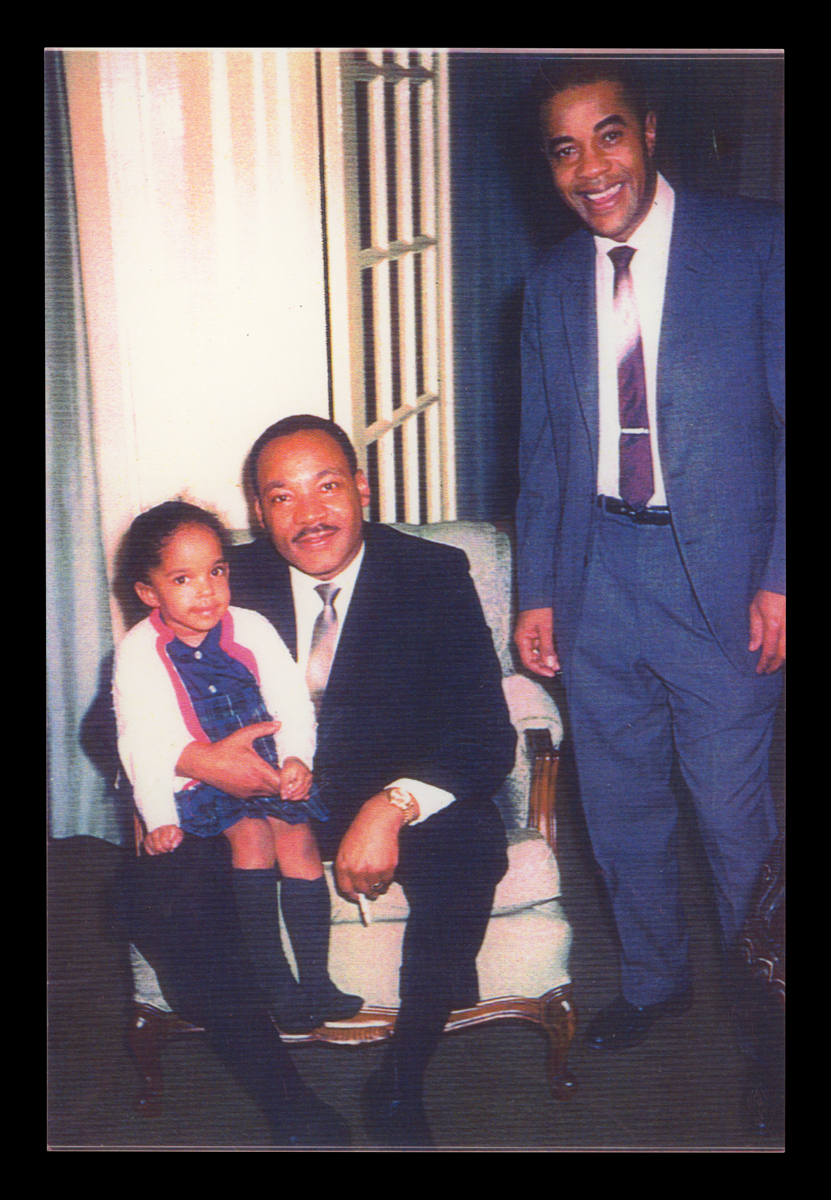 Dr. and Mrs. Jackson created a space of rest and comfort for their friend, Martin, and his colleagues in the battle for equal justice and access under the law. / THF715726
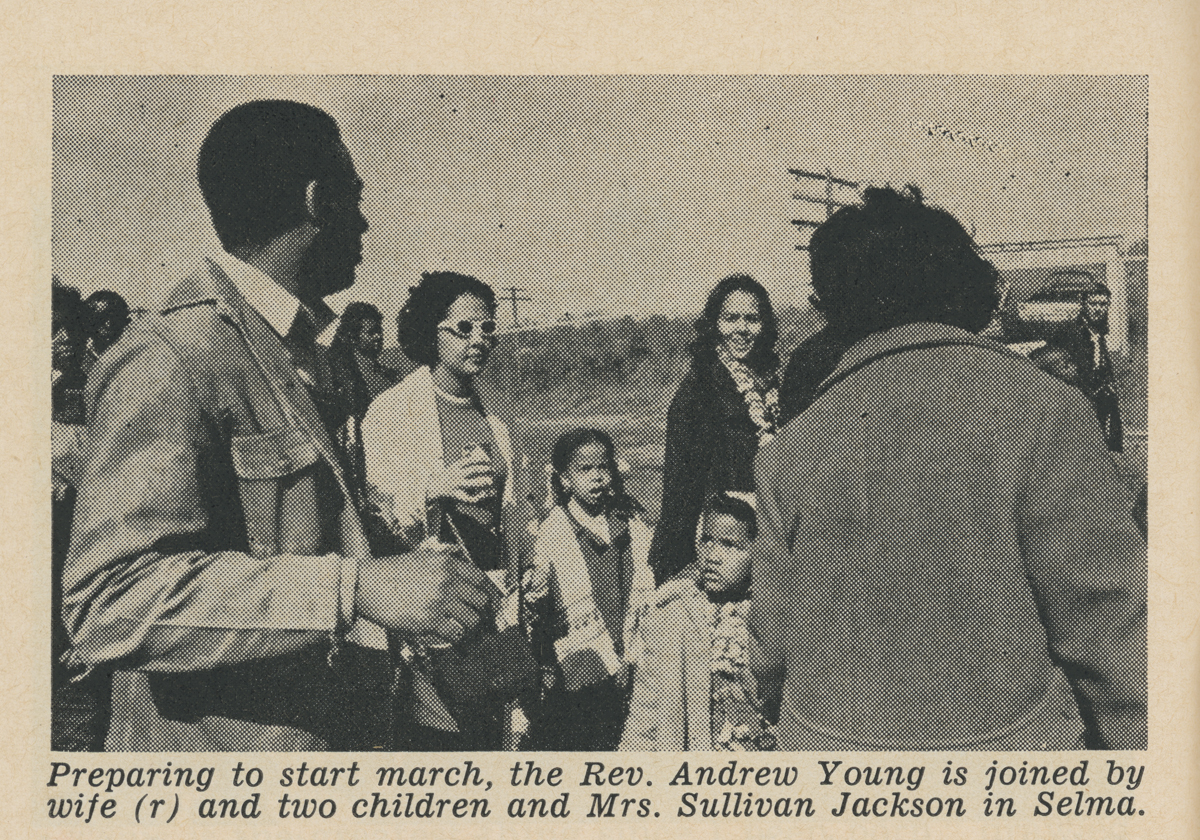 Image of Richie Jean and Jawana from Jet magazine (April 8, 1965). The pair joined the start of the Selma to Montgomery march on March 21, 1965. Over 25,000 people would participate over the course of the five-day direct action. / THF731682
And now, opening day is here — and beyond the restoration and the immersive learning experience offered in our 1965 presentation of their home, “Sully” and “Jean’s” selfless actions can be reintroduced with the context necessary for the world at a time when it could not be needed more.
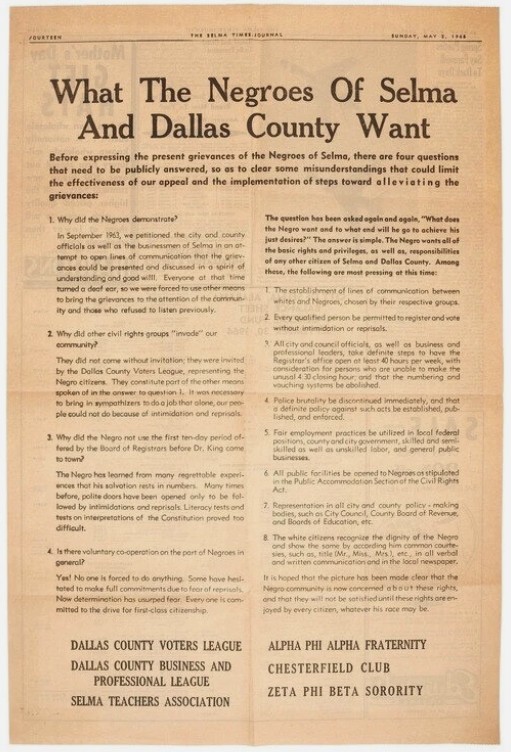 Page from The Selma Times-Journal. Black organizations across Selma and Dallas County led the charge for voting access. In this ad from May 1965, these groups list the demands of the community, emphasizing citizenship, dignity, and respect. / Photograph by staff of The Henry Ford
The Dr. Sullivan and Mrs. Richie Jean Sherrod Jackson Home presents an overview of the history of the Black vote and how communities worked together to transform American politics through several major themes:
- Voting in the United States has always been a question of expanding or contracting access for Americans of various backgrounds, abilities, sex, and economic levels. There was no right to vote enshrined in the original United States Constitution. States decided who was able to vote. In certain places, without intervention from the Federal government, individual states were able to use tools of voter suppression, like literacy tests, poll taxes, and gerrymandering, and threats of physical and economic violence to keep people afraid of challenging local white supremacist power structures.
- The Civil Rights Movement required individuals and communities to take deeply personal social and economic risks in the effort to push the movement forward. Across the country, ordinary people took stands in ways that put themselves and their families at risk, including Dr. and Mrs. Jackson. The Jackson family used their socioeconomic position as an upper-middle-class African American family with deep community connections to benefit movement organizers, while providing for their basic needs. Despite the threat, despite their trepidation, everyday people took on extraordinary odds with their heads held high, for a future that they might not ever see.
- The Selma Voting Rights Movement was dependent on collaboration between local and national organizations over the course of several decades. And, although the actions in Selma, Alabama, are often depicted as being led by a small set of individuals, it was an interracial, interfaith, intergenerational coalition across state and racial lines that worked to make action happen. Communities nationwide united to challenge an unjust American standard and put pressure on political leaders to bring about change.
With the opening of the Dr. Sullivan and Mrs. Richie Jean Sherrod Jackson Home, The Henry Ford presents the story of a family that, in many ways, represents the best of America’s ideals. Whose ancestry laid a foundation in Alabama’s fertile soil that shaped one of the most important moments in American social innovation. Representing the hundreds of unknown everyday people who took action to foster progress. Dr. Sullivan and Mrs. Richie Jean Sherrod Jackson, by opening their door to their dear friend Dr. King, opened the door to new possibilities for our collective future.
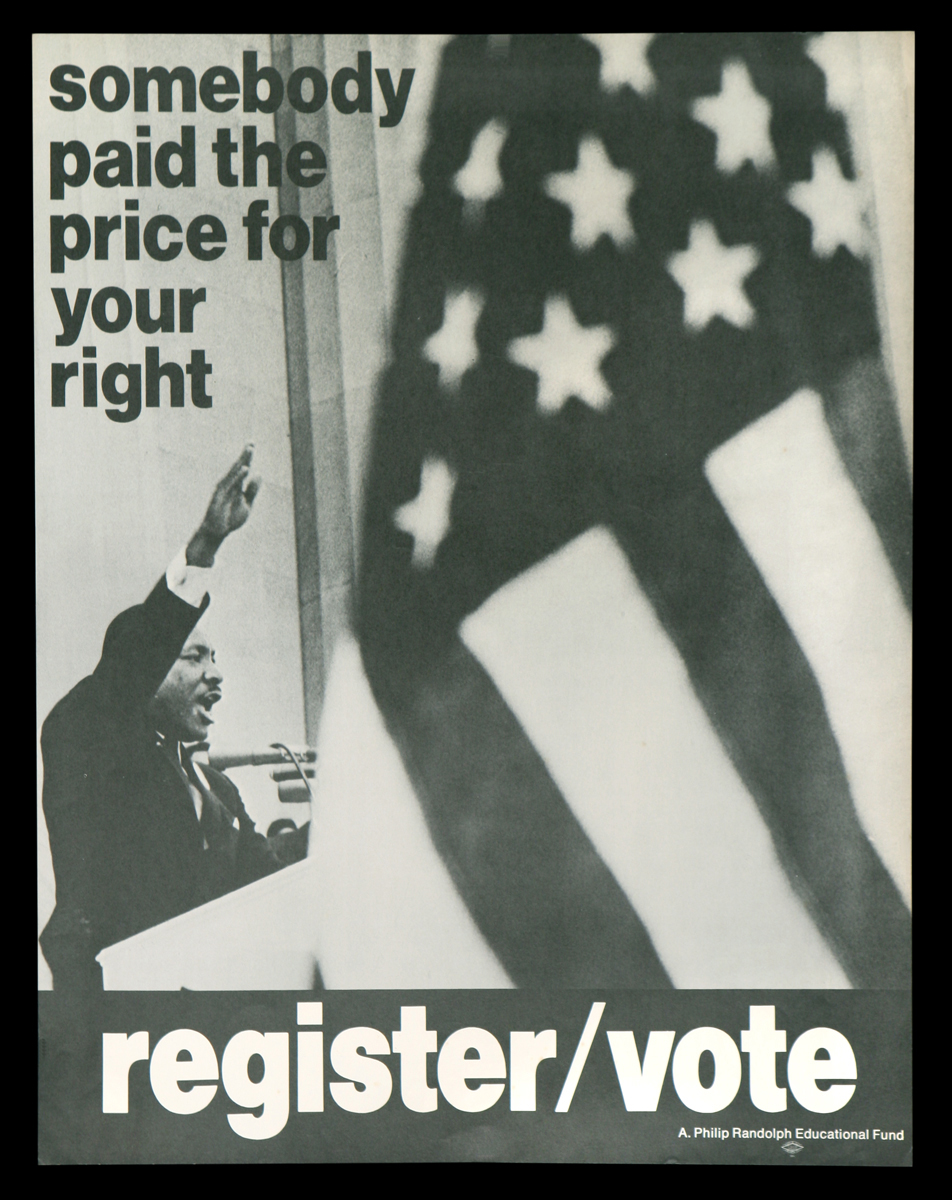 A price was paid by people at every level of the Civil Rights Movement, including by Rev. Dr. Martin Luther King Jr. / THF56914
And at this very moment, the core actions and results of what took place in the Jacksons’ home remain at the center of American daily news. On April 30, 2026, the US Supreme Court decided on Louisiana v. Callais, ending the enforcement of Section 2 of the Voting Rights Act of 1965 — the same piece of civil rights legislation that the Selma voting rights movement fought for.
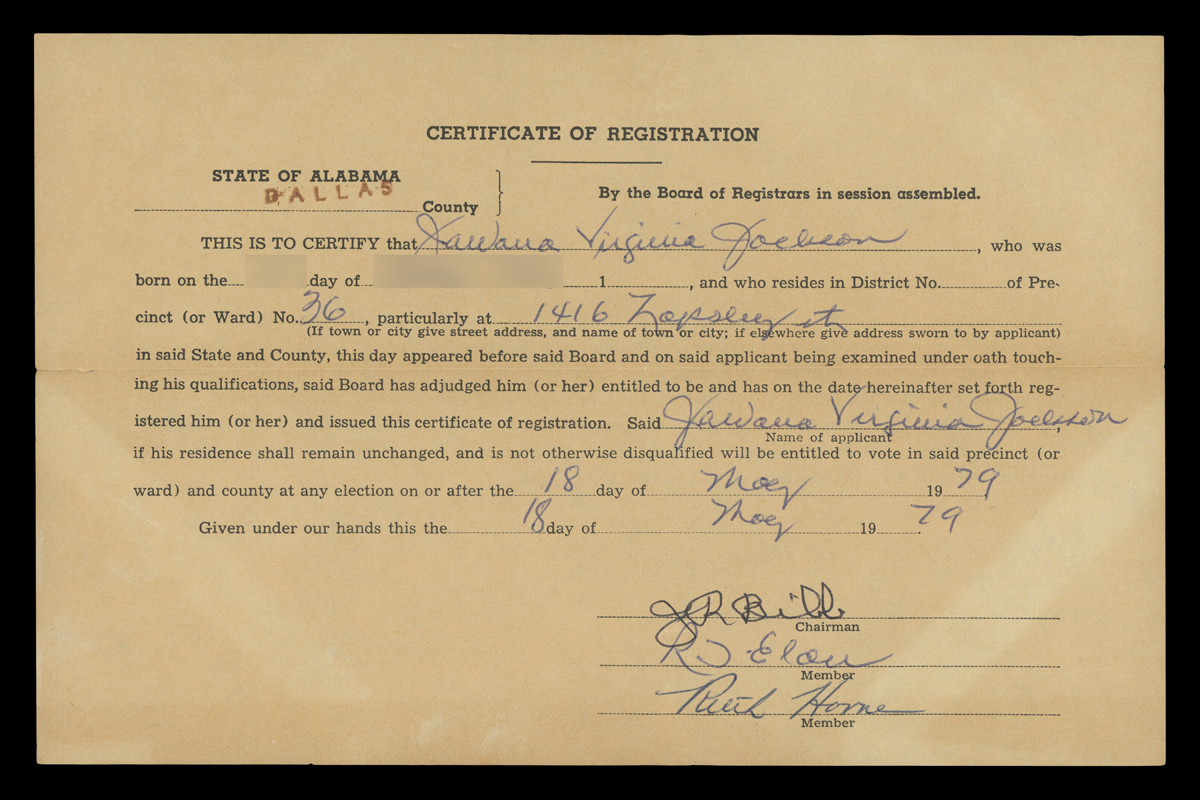 Jawana Jackson would register to vote in 1979 as a direct result of her family’s actions 14 years earlier. / THF721857
The issues at the heart of the Civil Rights and Voting Rights movements in the United States continue to dominate social dynamics in the country. American democracy is a practice, one that time after time requires all of us to be not only be active participants, but active defenders and wideners of its embrace. We all have a role to play in making social transformation in our local, national, and international communities. And through this family’s story, we reach back into history to understand our current moment and how we all can shape our future together.
Welcome to the “House by The Side of the Road.” Welcome to the Jackson family home.
Amber N. Mitchell is curator of Black History at The Henry Ford.
Keywords | |
|---|---|
Series | |
Themes |