
Whetstone, 1880-1920
THF172323 / Whetstone, 1880-1920
01
Artifact Overview
Late-nineteenth and early-twentieth-century shoemakers turned pieces of leather into footwear. These craftspeople used a wide range of specialized tools to measure, cut, shape, stitch, trim, finish, and decorate their handiwork. Their tools included a variety of knives, hammers, punches, clamps, awls, and polishers and burnishers. Though these tools seem highly specialized, shoemakers were always adapting, using whatever tools were at hand to make shoes.
Artifact Details
Artifact
Whetstone
Date Made
1880-1920
Location
Not on exhibit to the public.
Object ID
28.997.205
Credit
From the Collections of The Henry Ford.
Material
Stone (Worked rock)
Dimensions
Length: 1.75 in
Width: 1.25 in
Height: 1.25 in
Keywords |
|---|
02
Related Artifacts
 Artifact
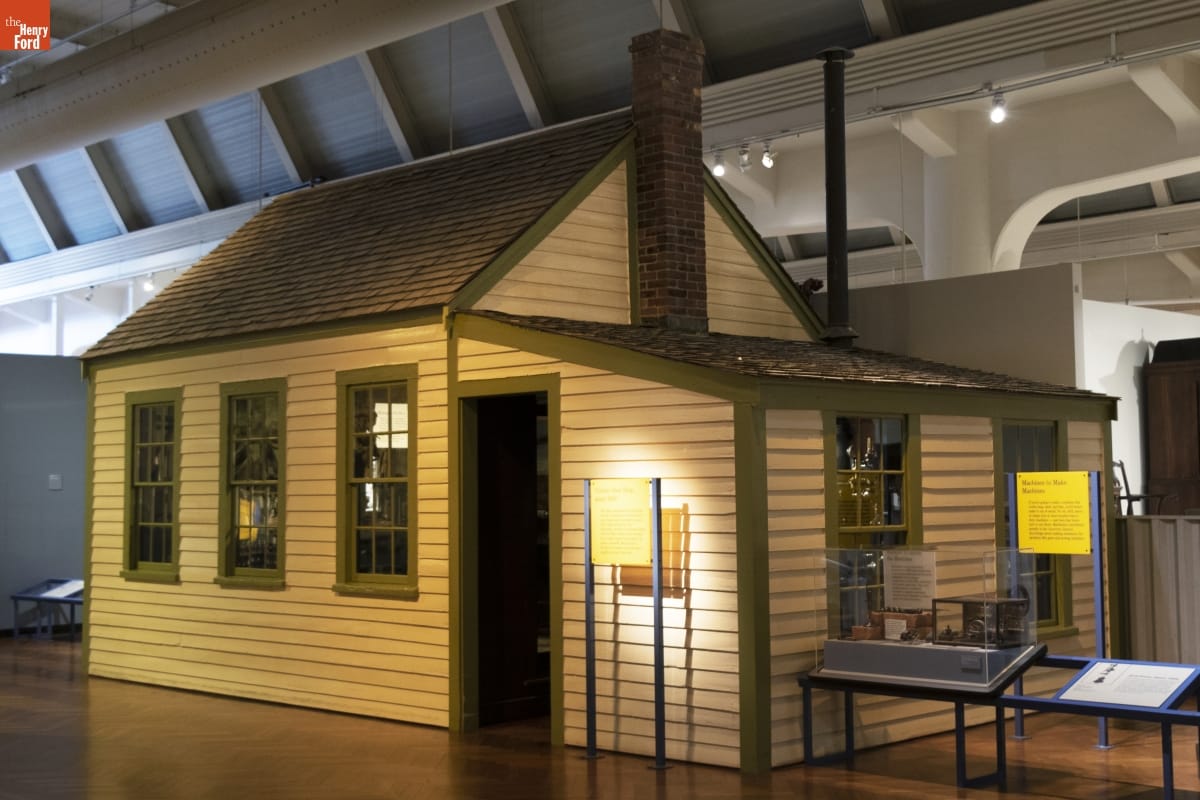
Currier Shoe Shop
In the late nineteenth century, this small shoe shop located in Newton, New Hampshire, was part of a larger factory system. The owner, Will Currier, received cut leather pieces from a factory in nearby Haverhill, Massachusetts. He and two workmen sewed these pieces together to create a finished shoe. The three could make about sixty-five pairs of shoes a day.