
Section of the First Transatlantic Cable, 1858
THF77301 / Section of the First Transatlantic Cable, 1858
01
Artifact Overview
Telegraphs could be sent wherever wires could be hung in the 1850s, but hardwiring signals between transoceanic continents required a feat of engineering. In 1858, a team laid underwater cable across the Atlantic and sent a successful telegram. Though the cable soon failed, pieces were sold as souvenirs in Charles Tiffany's renowned jewelry store as symbols of speed and progress.
Artifact Details
Artifact
Transatlantic cable
Date Made
1858
Creators
Place of Creation
Creator Notes
Possibly made by Sheffield Works of Sheffield, England.
Location
Not on exhibit to the public.
Object ID
41.74.1
Credit
From the Collections of The Henry Ford. Gift of All American Cables and Radio, Inc.
Material
Brass (Alloy)
Copper (Metal)
Inscriptions
Brass ferrule:
ATLANTIC TELEGRAPH CABLE / GUARANTEED BY / TIFFANY & CO. / BROADWAY - NEW YORK - 1858
Keywords |
|---|
02
Related Content
 Set
SetSignals Under the Ocean
- 15 Artifacts
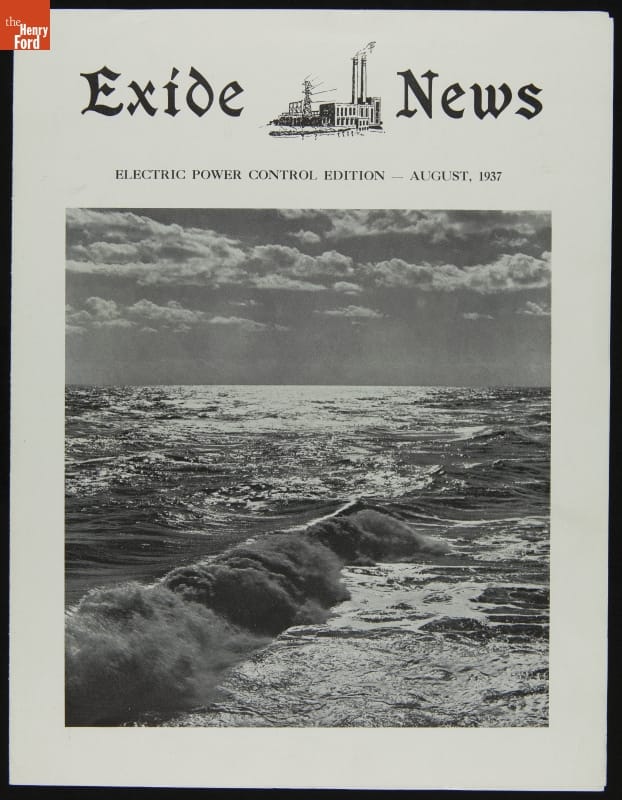
This publication contains the article "Trouble Shooting the Atlantic Telegraph Cables." It discusses the difficulty of maintaining the large network of undersea communication cables. Safety challenges include: uneven topography on the ocean floor, interference from marine life, and trawling fishing boats accidentally severing cables. Damaged cables are found using echolocation and electrical equipment and drawn to the surface for repair.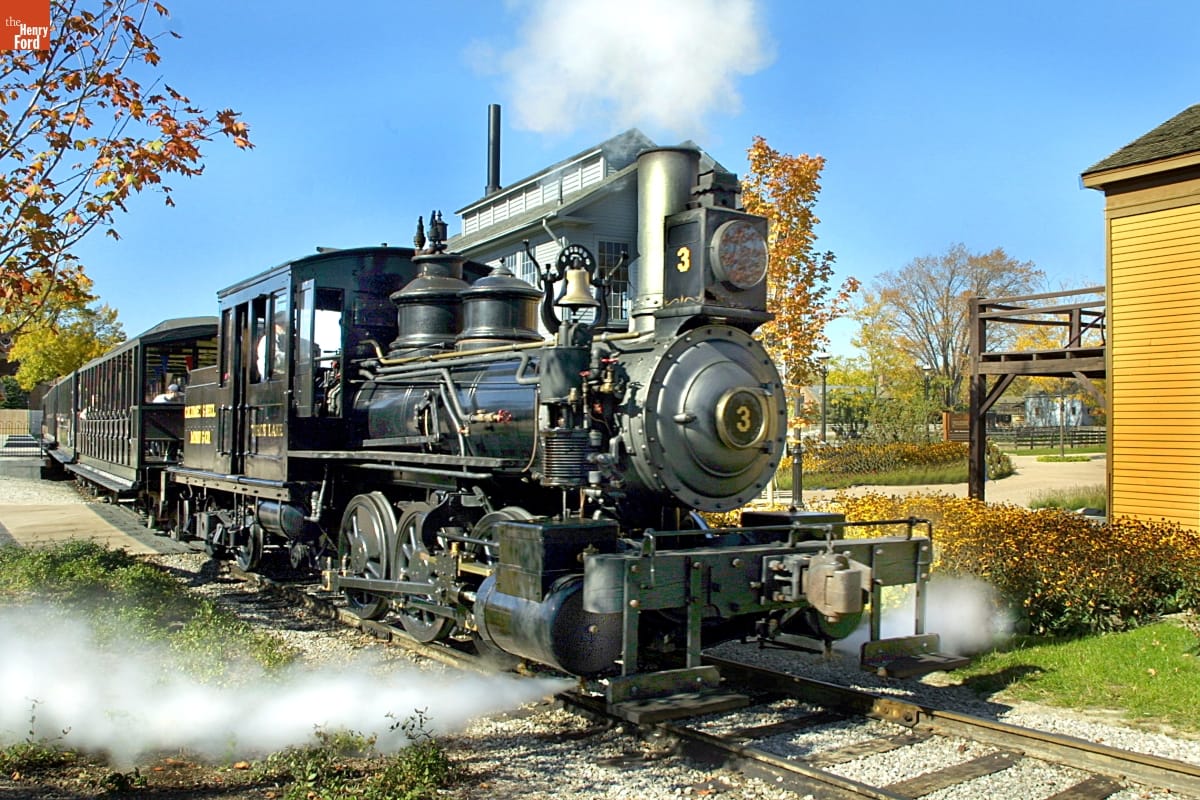 Set
SetFeatured on The Henry Ford's Innovation Nation: Season 3
- 26 Artifacts
Torch Lake, built by Mason Machine Works in 1873, hauled ore for the Calumet and Hecla Mining Company on Michigan's Keweenaw Peninsula. The engine is an articulated design. The driving wheels pivot under the boiler, allowing the locomotive to handle sharp curves. Torch Lake joined The Henry Ford's collection in 1969. Set
SetStarts and Stalls: Creating a Successful Transatlantic Cable
- 14 Artifacts
This sheet music celebrates the first transatlantic cable. The ships depicted are the USS Niagara and HMS Agamemnon. These vessels met in the middle of the Atlantic Ocean, spliced their cable payloads together, and set off to separate shores in Ireland and Canada. The man at center is likely Cyrus W. Field, financier of the first and second transatlantic cables.