
Firestone Chicken Shed
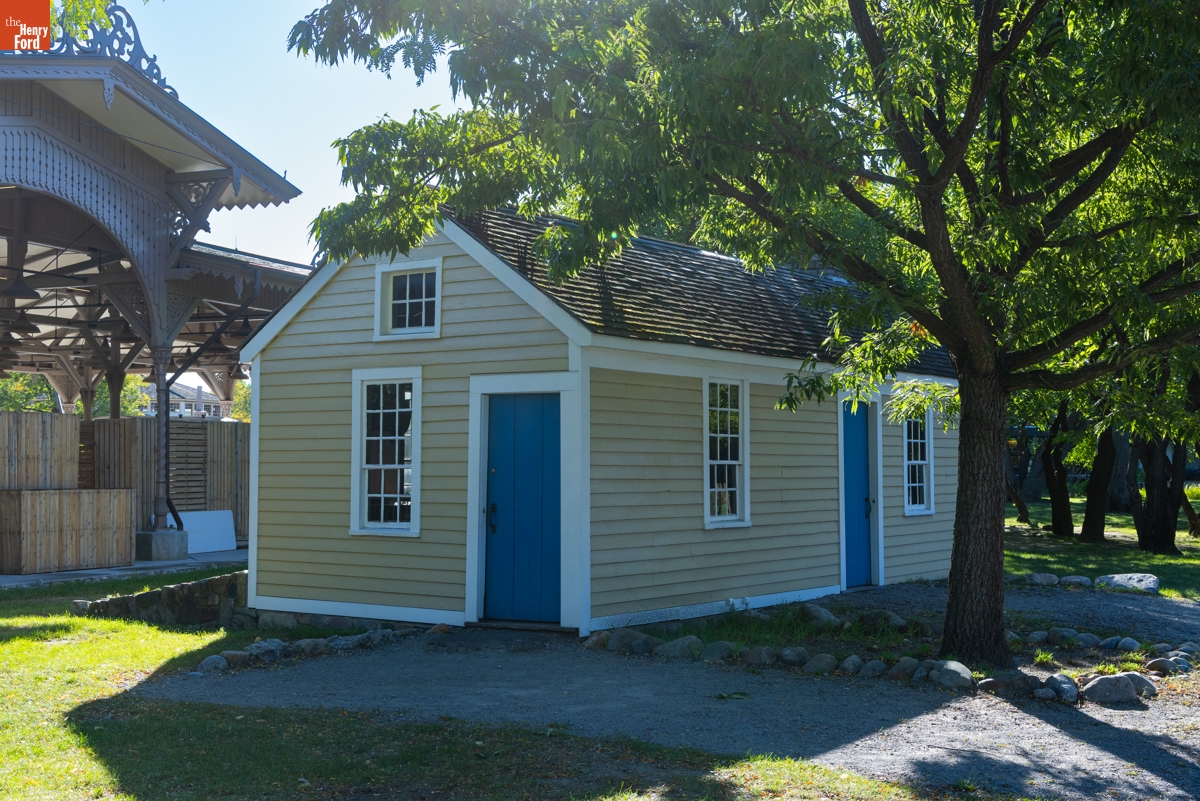
THF151603 / Firestone Chicken Shed
01
Artifact Overview
This is a replica of the Firestones' chicken house in Ohio. Chickens spend their days in the farmyard, foraging for seeds and bugs for food. They spend their nights on their roosts in the chicken house, which provides warmth, protection from predators, and keeps the eggs in one place, making them easier to gather.
Artifact Details
Artifact
Chicken house
Date Made
1985
Subject Date
1880-1889
Place of Creation
Creator Notes
Built in Greenfield Village in 1985 as a reproduction of a 1880s chicken shed.
Location
at Greenfield Village in Working Farms District
Object ID
85.130.1
Credit
From the Collections of The Henry Ford.
Material
Wood (Plant material)
Keywords |
|---|
02
Related Content
 Set
SetGreenfield Village Buildings
- 84 Artifacts
As America was taking its first steps towards industrialization, the Hanks family of Mansfield, Connecticut, made early attempts to mechanize the production of silk thread. Rodney Hanks and his nephew Horatio Hanks built this mill in 1810. It was the first silk mill in America, producing some of the first silk with machines that were powered by a waterwheel.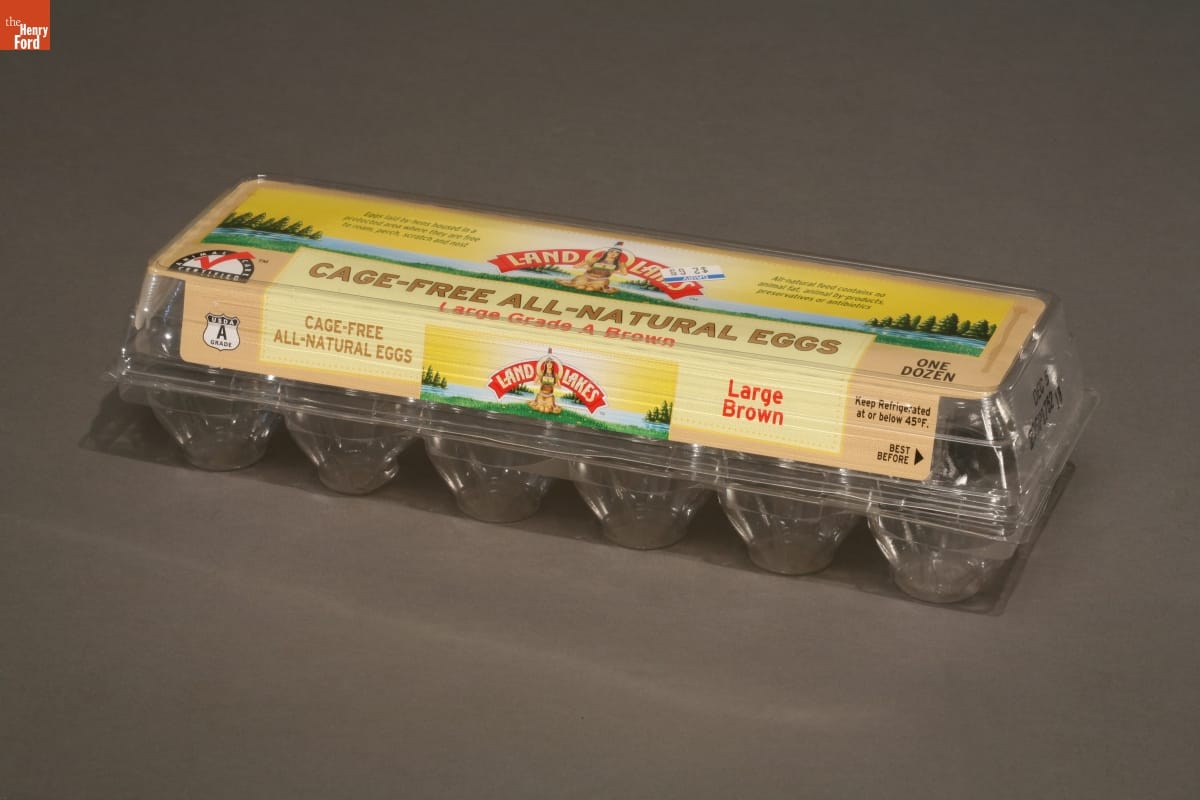 Set
SetEggs
- 23 Artifacts
Eggs are familiar. They're available nearly everywhere Americans shop for food and appear daily on menus at homes and restaurants across the country. What's less familiar is the story of their rise from products of the family farm to a major agricultural commodity. This group of artifacts helps document that story, revealing important developments in egg production and distribution and exploring consumers' evolving relationship with eggs.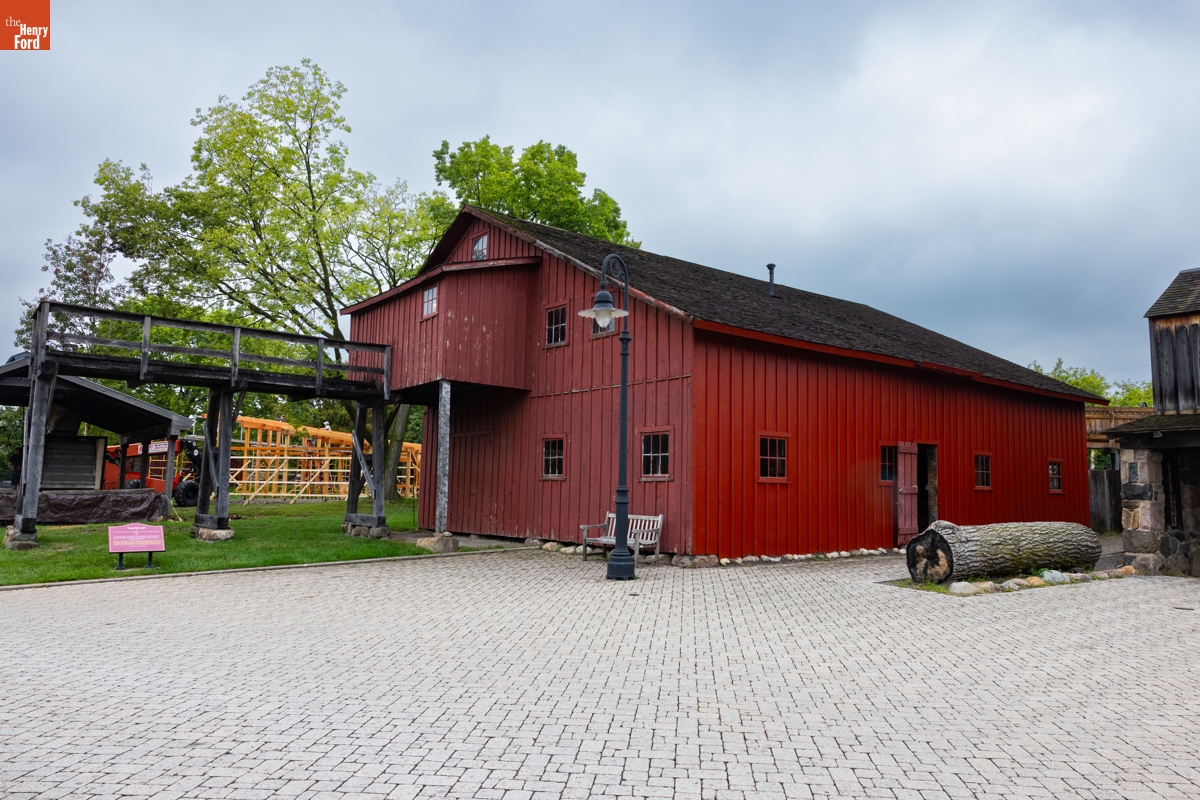 Set
SetFeatured on The Henry Ford's Innovation Nation: Season 6
- 25 Artifacts
Small sawmills played a fundamental role in rural communities in nineteenth century America, processing locally-logged wood to provide sawn lumber for construction in the immediate area. While many such mills were water powered, this was steam-powered from the outset. It was simple but refined -- a modest, self-sufficient industrial operation (water and fuel was available onsite), comfortably wedded to its rural location.