
General Electric "Monitor-Top" Refrigerator, circa 1934
THF193845 / General Electric "Monitor-Top" Refrigerator, circa 1934
01
Artifact Overview
The big news in the kitchen during the 1920s? Reliable, affordable electric refrigeration. As more homes had access to electric power, people replaced their messy wooden iceboxes with stylish, low maintenance, enameled porcelain electric refrigerators. In 1930, 10% of households had them -- by 1940, 56% did. General Electric's distinctive "Monitor Top" refrigerator was a big seller in the late 1920s and early 1930s.
Artifact Details
Artifact
Refrigerator
Date Made
circa 1934
Creators
Place of Creation
Location
at Henry Ford Museum in Home Arts
Object ID
86.45.1
Credit
From the Collections of The Henry Ford. Gift of James Ruth.
Material
Steel (Alloy)
Color
White (Color)
Inscriptions
on front:
GENERAL GE ELECTRIC
Keywords |
|---|
02
Related Content
 Set
SetDesign and Making
- 50 Artifacts
This 1937 Sparton radio was designed by Walter Dorwin Teague, a designer renowned for his use of streamlined forms. A study in contrasts -- the blue mirrored finish and curved sled-like base suggest speed while the five jutting parallel panels appear almost architectural -- this expensive and glamorous radio had a limited market during the Great Depression.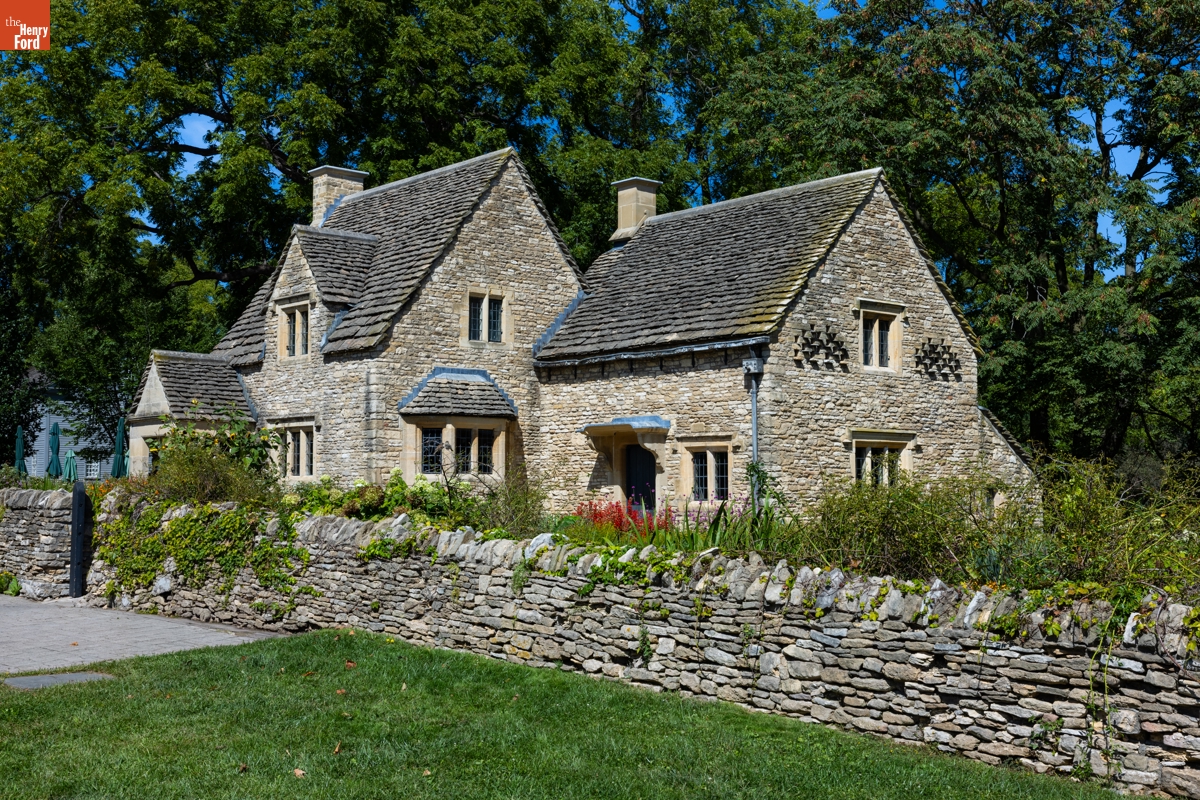 Set
SetFeatured on The Henry Ford's Innovation Nation: Season 5
- 26 Artifacts
Cotswold Cottage is from the Cotswold Hills in southwest England. The Fords were attracted to the distinctive character of Cotswold buildings, which are characterized by the yellow-brown stone, tall gables, steeply pitched roofs, and stone ornamentation around windows and doors. Several decorative additions were made to the house in England, before dismantling and re-erecting it in Greenfield Village.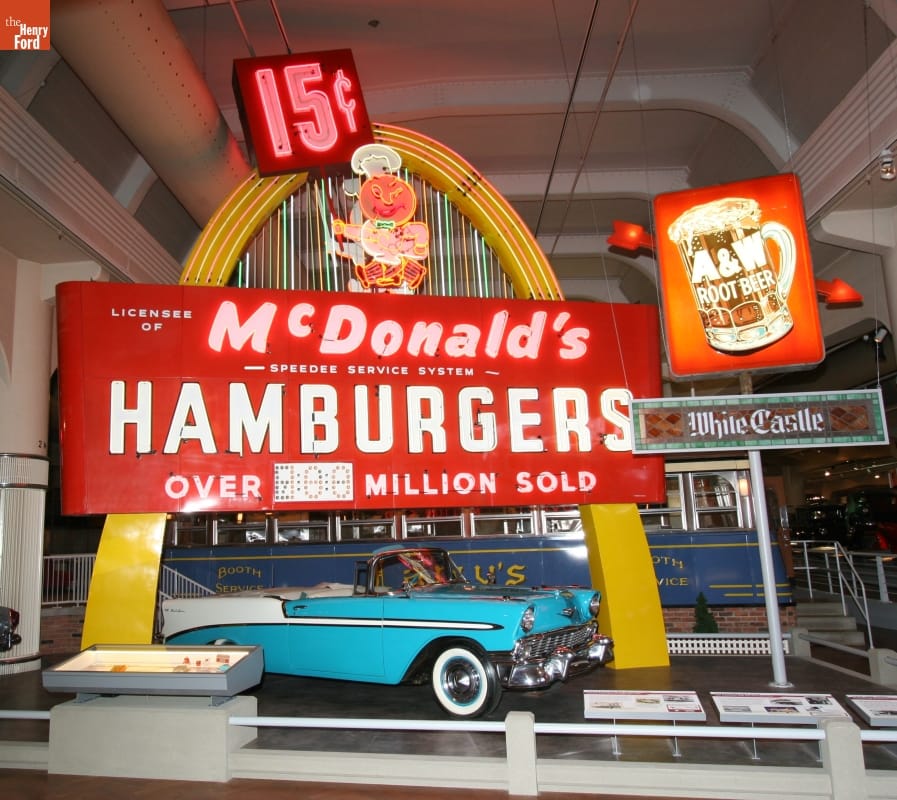 Set
SetSocial Transformation
- 50 Artifacts
In 1948, the McDonald brothers transformed their Southern California drive-in restaurant with their radical new "Speedee Service System"--assembly-line production of a limited menu at drastically reduced prices. Richard McDonald created this sign design in 1952. In 1955, milkshake machine salesman Ray Kroc franchised the McDonald's concept--prompting numerous imitators and ultimately turning America into a "fast food nation."