
1927 Chrysler Imperial Sportif Convertible
THF87047 / 1927 Chrysler Imperial Sportif Convertible
01
Artifact Overview
The Imperial Model E-80 was Chrysler's top-of-the-line car for 1926 and 1927. This Sportif's look, inspired by Laurence Pomeroy's designs for British automaker Vauxhall, suggested speed. The car's 112-horsepower, six-cylinder engine was capable of 80 miles per hour. The dual-cowl layout provided separate windshields for front and back passengers. Chrysler called these models, "as fine as money can build."
Artifact Details
Artifact
Automobile
Date Made
1927
Place of Creation
Creator Notes
Chassis made by Chrysler Coporation in Detroit, Michigan; custom body manufactured by Locke & Company in Rochester, New York.
Location
Not on exhibit to the public.
Object ID
62.9.1
Credit
From the Collections of The Henry Ford. Gift of John Warren Watson.
Material
Metal
Steel (Alloy)
Glass (Material)
Canvas
Leather
Rubber (Material)
Nickel (Metal)
Color
Cream (Color)
Light yellow
Black (Color)
Blue
Gray (Color)
Dimensions
Height: 57 in
Width: 67 in
Length: 192 in
Wheelbase: 133 in
Inscriptions
Circular emblem on radiator: THIS CAR AND PASSENGERS PROTECTED BY / WATSON STABILIZERS / CONTROL / AND / SAFETY / OVER ALL / ROADS
Emblem on center edge of hood: CHRYSLER
On hubcaps: C
Stamped on center of rear taillight: CHRYSLER
Center emblem on front and rear bumpers: CHRYSLER
Plate on firewall: CHRYSLER CORPORATION / DETROIT, MI., U.S.A.
Specifications
Make & Model: 1927 Chrysler Imperial Sportif
Maker (Chassis): Chrysler Corporation, Detroit, Michigan
Maker (Body): Locke & Company, Rochester, New York
Engine: inline-6, L-head valves, 309 cubic inches
Transmission: 3-speed manual
Height: 57 inches
Wheelbase: 133 inches
Width: 67 inches
Overall length: 192 inches
Weight: 4240 pounds
Horsepower: 112 at 3200 revolutions per minute
Pounds per horsepower: 37.9
Price: $2,895
Average 1927 wage: $1,380 per year
Time you'd work to buy this car: about 2 years, 1/2 month
Keywords |
|---|
02
Related Content
 Set
SetConvertibles
- 22 Artifacts
This car symbolizes 1950s America: a time of exuberance, self-confidence, excess, and self-indulgence. Cadillac designers drew on jet aircraft for ideas, from the sharp, swept-back tailfins to the front parking lights that resemble B-52 bomber air intakes. Under that jet-inspired skin is a 345 horsepower engine, air suspension, and a host of luxury options, including an automatic headlight dimmer. We are unlikely to ever see such cars again.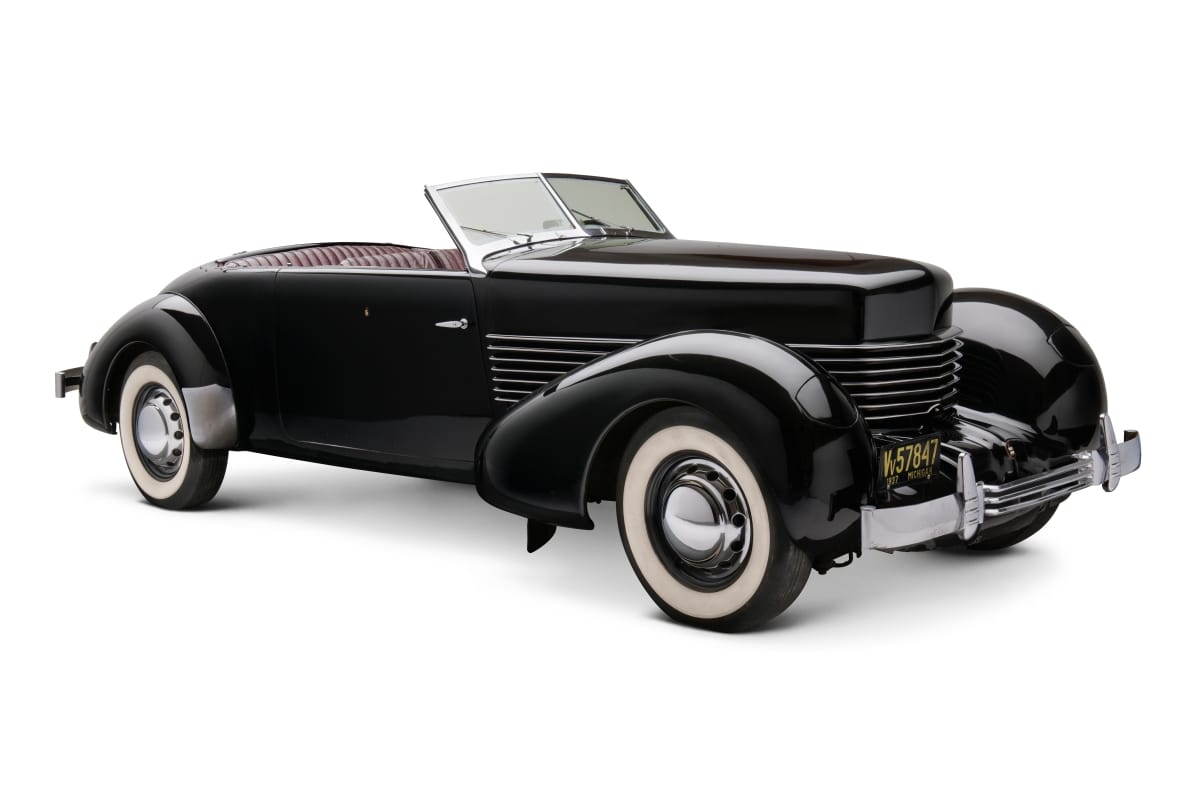 Set
SetLuxury Cars
- 18 Artifacts
Luxury cars offered the greatest in comfort and the latest in technology. They also provided status -- a large part of their attraction. Builders like Rolls-Royce specialized in extravagant cars with corresponding prices, while mass-market manufacturers like General Motors and Ford offered Cadillacs and Lincolns for customers of more modest means. Sport sedans and SUVs may have replaced carriage-inspired Victoria bodies, but luxury still sells.