
Charles Steinmetz Cabin
THF812137 / Charles Steinmetz Cabin
01
Artifact Overview
This cabin was originally located on a steep bank overlooking a tributary of the Mohawk River, just outside of Schenectady, New York. Its simplicity was a contrast to the General Electric laboratories where Steinmetz spent his workweek. It served as a getaway -- for quiet study or writing, but also for more animated weekend camp gatherings for selected friends and associates.
Artifact Details
Artifact
Cabin (House)
Date Made
1896
Place of Creation
Creator Notes
Built in 1896 on the banks of Viele Creek in the Mohawk Valley near Schenectady, New York.
Location
at Greenfield Village in Porches and Parlors District
Object ID
30.632.1
Credit
From the Collections of The Henry Ford. Gift of Joseph R. Hayden.
Material
Wood (Plant material)
Brick (Clay material)
Keywords |
|---|
02
Related Content
 Set
SetCharles Proteus Steinmetz
- 13 Artifacts
Charles Steinmetz applied mathematical theory and scientific methods to practical engineering, helping shape the electrical engineering profession. His theories on alternating currents, experiments on power loss, and influential publications placed him at the front of the field and improved electrical power distribution.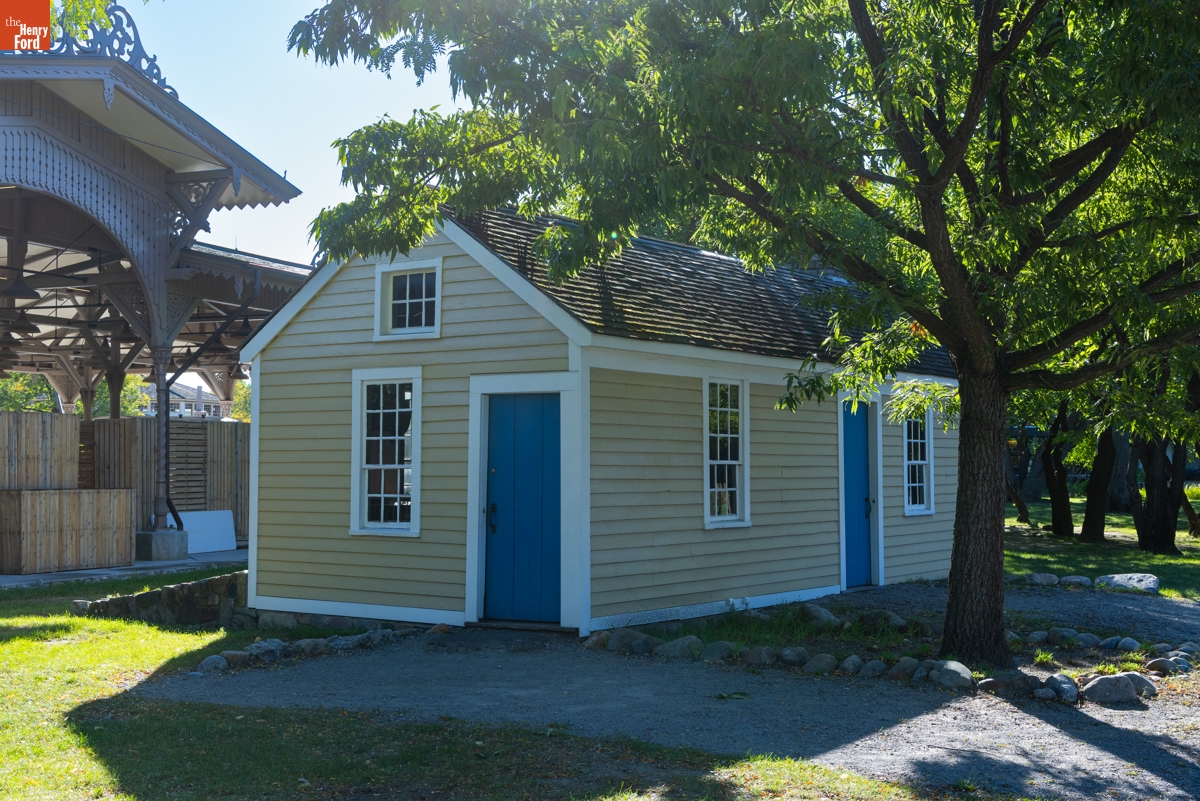 Set
SetGreenfield Village Buildings
- 84 Artifacts
As America was taking its first steps towards industrialization, the Hanks family of Mansfield, Connecticut, made early attempts to mechanize the production of silk thread. Rodney Hanks and his nephew Horatio Hanks built this mill in 1810. It was the first silk mill in America, producing some of the first silk with machines that were powered by a waterwheel.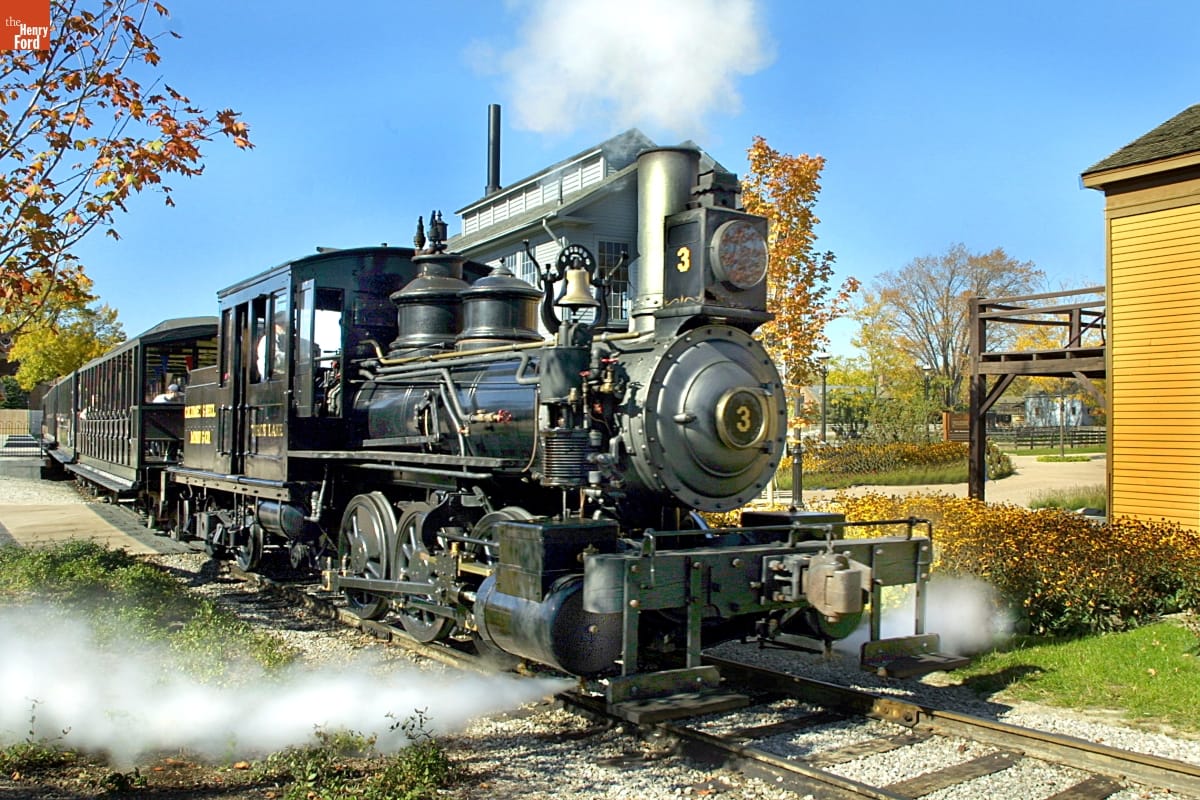 Set
SetFeatured on The Henry Ford's Innovation Nation: Season 3
- 26 Artifacts
Torch Lake, built by Mason Machine Works in 1873, hauled ore for the Calumet and Hecla Mining Company on Michigan's Keweenaw Peninsula. The engine is an articulated design. The driving wheels pivot under the boiler, allowing the locomotive to handle sharp curves. Torch Lake joined The Henry Ford's collection in 1969.