
1922 Lincoln Vehicle Used by Henry Ford on Camping Trips
THF85797 / 1922 Lincoln Vehicle Used by Henry Ford on Camping Trips
01
Artifact Overview
The Vagabonds -- Henry Ford, Thomas Edison, and Harvey Firestone -- enjoyed their annual camping trips taken from 1916 to 1924. While the three men delighted in the outdoors, their accommodations weren't particularly rustic. This vehicle, built on a 1922 Lincoln chassis, traveled with them. It carried food and cooking utensils for elaborate meals that might include steak, chicken, or freshly baked pie.
Artifact Details
Artifact
Truck
Date Made
1922
Place of Creation
Creator Notes
1922 Lincoln Limousine rebuilt as a truck and camp kitchen for Henry Ford's camping trips.
Location
Not on exhibit to the public.
Object ID
28.743.1
Credit
From the Collections of The Henry Ford.
Material
Steel (Alloy)
Metal
Wood (Plant material)
Leather
Brass (Alloy)
Technique
Customizing
Color
Black (Color)
Gray (Color)
Dimensions
Height: 85.5 in
Width: 69.5 in
Length: 217 in
Wheelbase: 136 in
Inscriptions
Radiator front: LELAND BUILT/ LINCOLN
Hubs: LINCOLN
Specifications
Make & Model: 1922 Lincoln camp truck
Maker: Lincoln Motor Company, Detroit, Michigan
Engine: V-8, L-head valves, 358 cubic inches
Transmission: 3-speed manual
Height: 85.5 inches
Wheelbase: 136 inches
Width: 69.5 inches
Overall length: 217 inches
Horsepower: 81
Keywords |
|---|
02
Related Content
 Set
SetOn the Road with The Henry Ford
- 16 Artifacts
Despite the vast acreage of exhibit space that comprises the campuses of The Henry Ford, most of our assets reside in storage. The Henry Ford's loan program allows audiences from around the world who may never be able to visit Dearborn to connect with our collections. We collaborate with local, national, and international institutions to provide artifacts that tell America's innovation story to inspire learners and doers everywhere.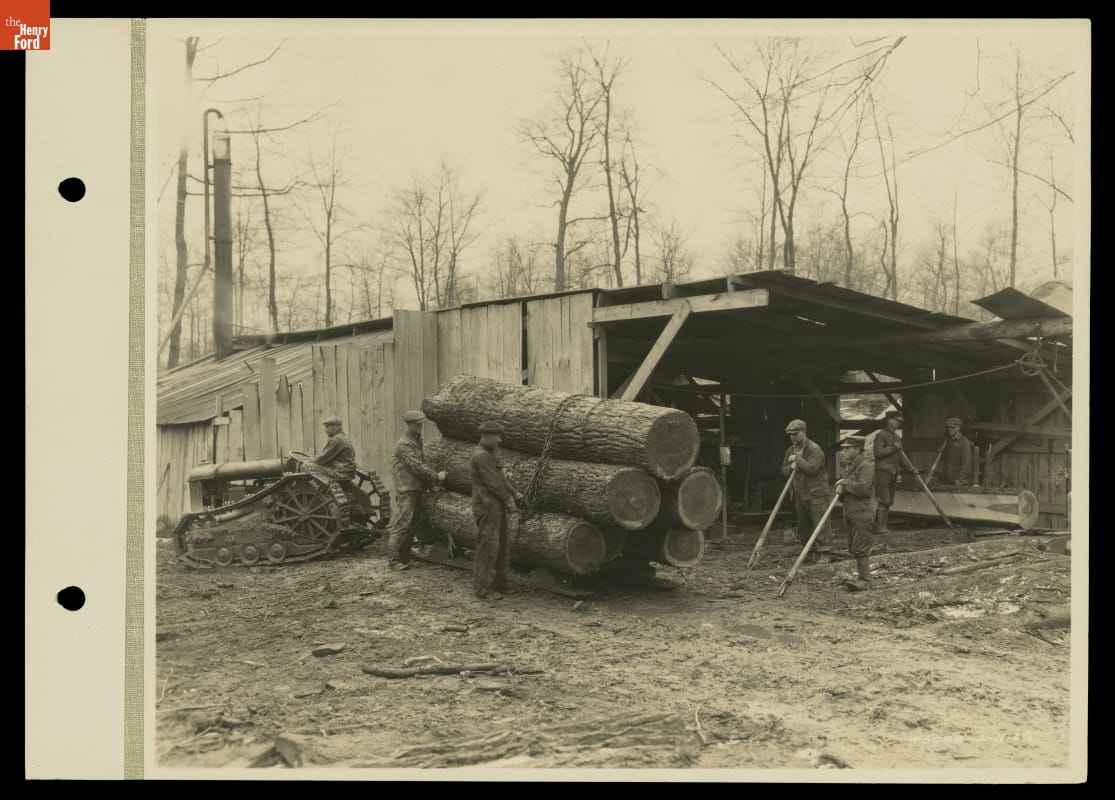 Set
SetFord in Michigan’s Upper Peninsula
- 33 Artifacts
In 1919, Henry Ford began buying vast amounts of forestland in Michigan's Upper Peninsula. These prime hardwood forests supplied the lumber used to create vehicle bodies and parts. Other products such as railroad ties, shipping containers and chemical byproducts were also made -- all to support Ford's automobile operations and his goal of manufacturing self-sufficiency.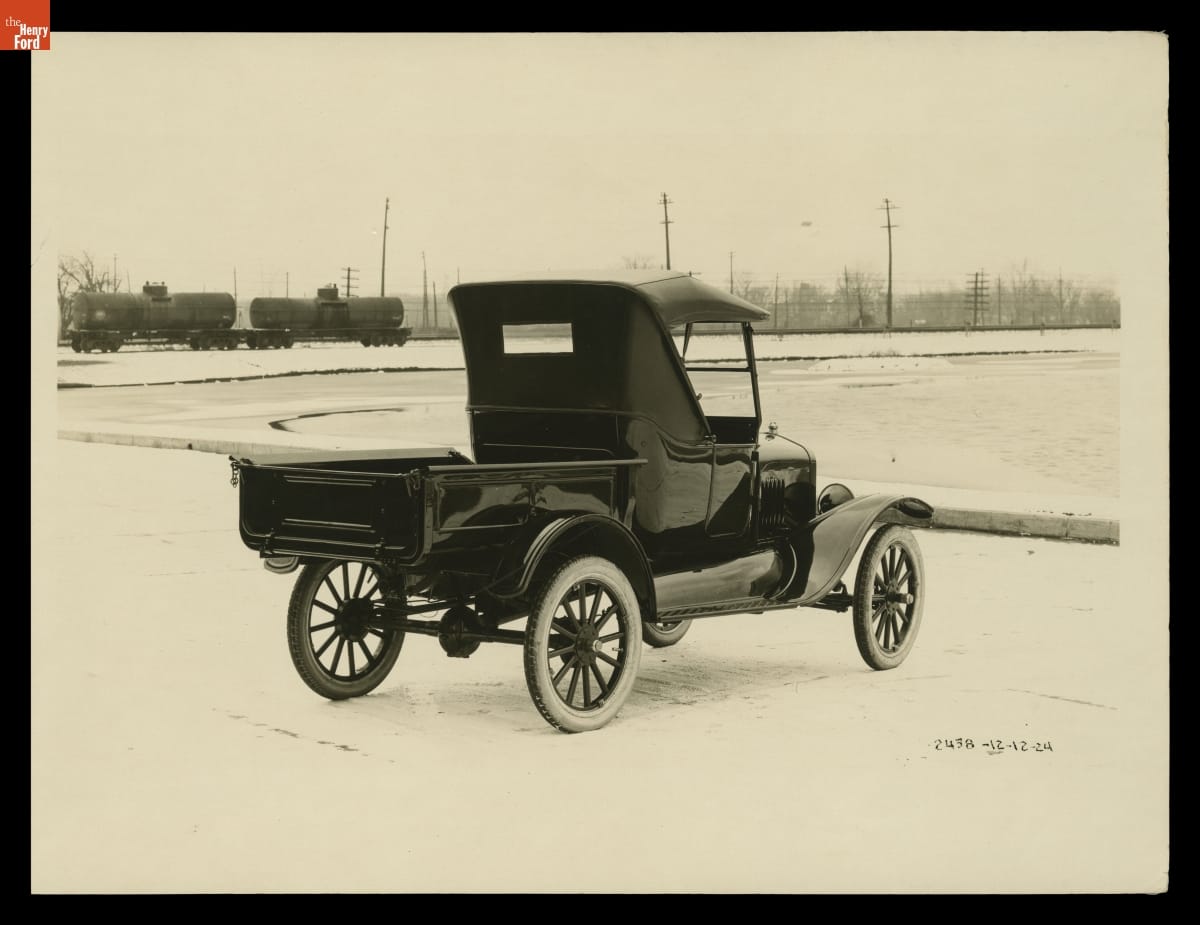 Set
SetEarly Ford Trucks
- 25 Artifacts
Trucks have been a regular part of Ford Motor Company's lineup since 1917. The earliest models were utilitarian with chassis and bodies based on the company's automobiles. But their low cost and reliable service made Ford trucks popular with farmers and business owners, and with municipal and military operators too. Over time, Ford trucks evolved into distinct products with a look and a following all their own. article
Prosperity Found: A Glimpse into the Life of Thomas Sato
In the early 1920s, Tsuneji "Thomas" Sato (1882-1969) found himself in the middle of a Michigan lumber camp on the opposite side of the world from his birthplace in Japan.