
Draisine, circa 1818
THF108100 / Draisine, circa 1818
01
Artifact Overview
German Karl Drais invented the draisine in 1817. Operators of this human-powered vehicle sat astride the wooden rail and pushed off with their feet. The early velocipede caught the public's attention, but its novelty soon wore off. A number of substantial improvements, made many years later, were needed before this running machine would evolve into the modern bicycle.
Artifact Details
Artifact
Draisine
Date Made
circa 1818
Place of Creation
Creator Notes
Attributed to a German maker.
Location
Not on exhibit to the public.
Object ID
32.161.1
Credit
From the Collections of The Henry Ford.
Material
Wood (Plant material)
Leather
Metal
Technique
Carving (Processes)
Dimensions
Height: 38.5 in
Width: 15 in
Length: 69 in
Wheelbase: 46.5 in
Diameter: 22.75 in
Keywords |
|---|
02
Related Content
 Set
SetBicycles
- 25 Artifacts
Charles Metz of Waltham, Massachusetts, built the Orient Oriten in 1896 as a way to promote his Orient line of bicycles. Metz featured this 23-foot-long, 305-pound ten-seater at bicycle meets and races throughout the country. Though difficult to ride, the vehicle could reach speeds of 45 miles per hour. The Henry Ford owns the only surviving Oriten. Set
SetWright Cycle Company
- 35 Artifacts
When Wilbur and Orville Wright established Wright Cycle Company in 1892, they joined a booming business. Americans loved bicycles. By 1895, over 300 manufacturers produced a combined 1.2 million bikes each year. The Wrights sold and repaired cycles and accessories. For a time, they even built bikes under their own brands. Bicycles gave the brothers the skills and resources to pursue loftier goals, and they closed Wright Cycle Company in 1908.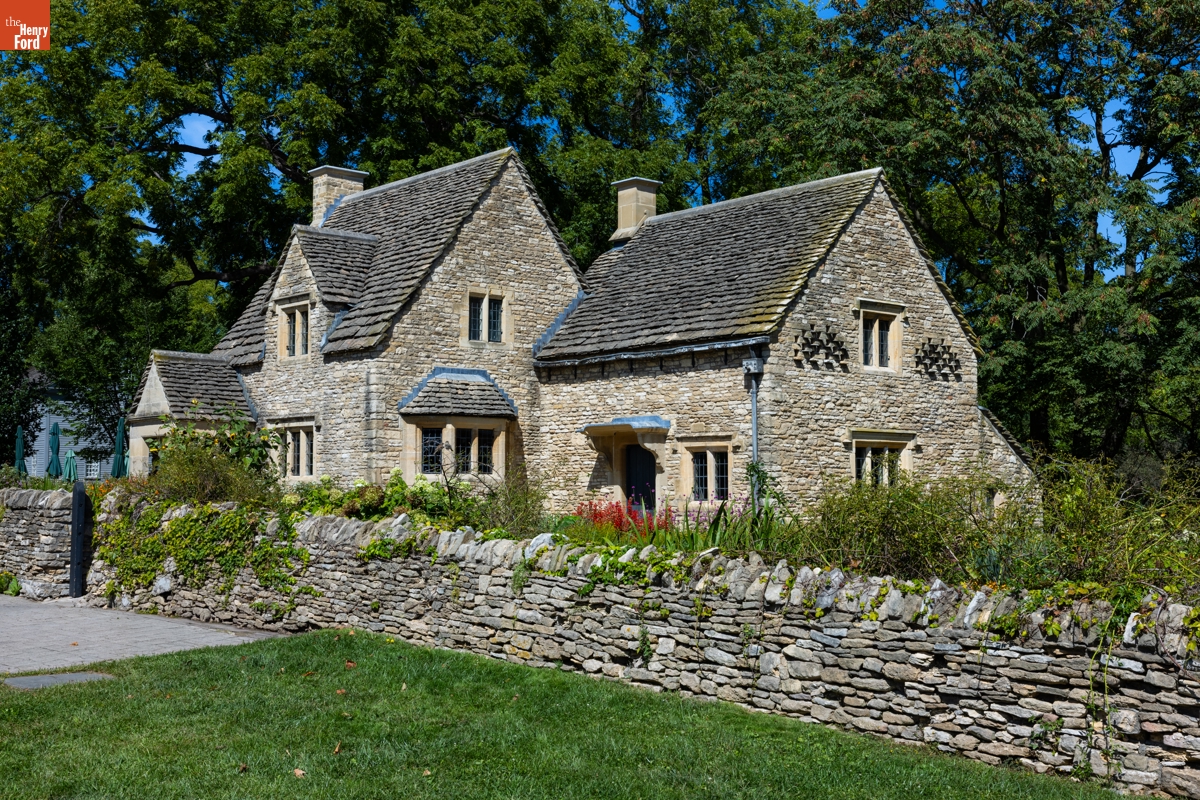 Set
SetFeatured on The Henry Ford's Innovation Nation: Season 5
- 26 Artifacts
Cotswold Cottage is from the Cotswold Hills in southwest England. The Fords were attracted to the distinctive character of Cotswold buildings, which are characterized by the yellow-brown stone, tall gables, steeply pitched roofs, and stone ornamentation around windows and doors. Several decorative additions were made to the house in England, before dismantling and re-erecting it in Greenfield Village.