
Patent Model of Edison's Electrographic Vote Recorder and Register, His First Patent, 1869
THF11607 / Patent Model of Edison's Electrographic Vote Recorder and Register, His First Patent, 1869
01
Artifact Overview
Edison received a patent for this electrographic vote recorder in 1869. Legislative bodies could record votes accurately and instantaneously with his device. Edison's invention stirred little interest and was never manufactured. The invention's significance, however, should not be overlooked. This was the first of Edison's 1093 U.S. patents and in a way marks the start of his inventive activity.
Artifact Details
Artifact
Model (Patent)
Date Made
circa 1868
Subject Date
01 June 1869
Place of Creation
Location
at Greenfield Village in Menlo Park Laboratory
Object ID
29.1980.284
Credit
From the Collections of The Henry Ford. Gift of the Edison Pioneers.
Material
Brass (Alloy)
Steel (Alloy)
Glass (Material)
Wood (Plant material)
Dimensions
Height: 14.625 in
Width: 10.25 in
Length: 15.5 in
Keywords |
|---|
02
Related Content
 Set
SetThomas Edison Patent Models
- 49 Artifacts
 Set
SetThe Patent Process
- 20 Artifacts
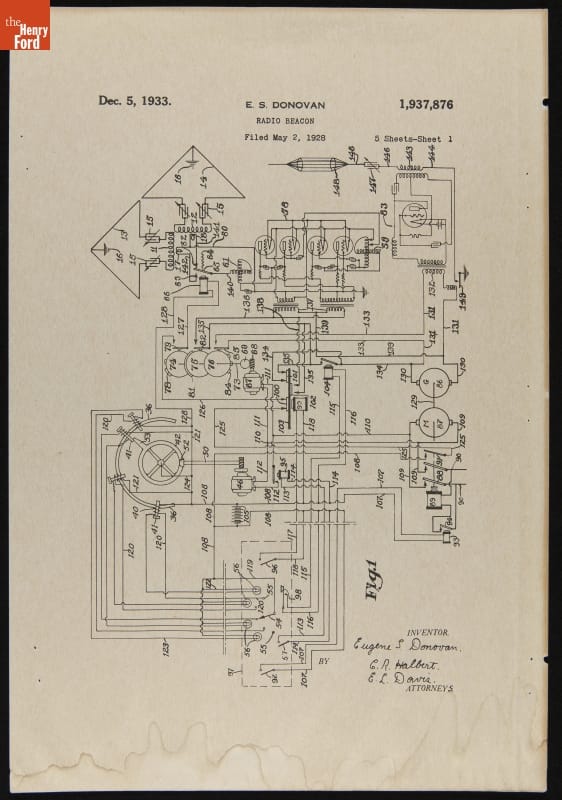
The radio beacon may be Henry Ford's most important contribution to aviation. Early pilots depended on landmarks, preventing reliable navigation in bad weather. Ford's engineers developed a radio beacon that simultaneously transmitted the Morse code letter "A" (dot-dash) in one direction and the letter "N" (dash-dot) in another. The pilot steered until the separate signals merged into a steady hum.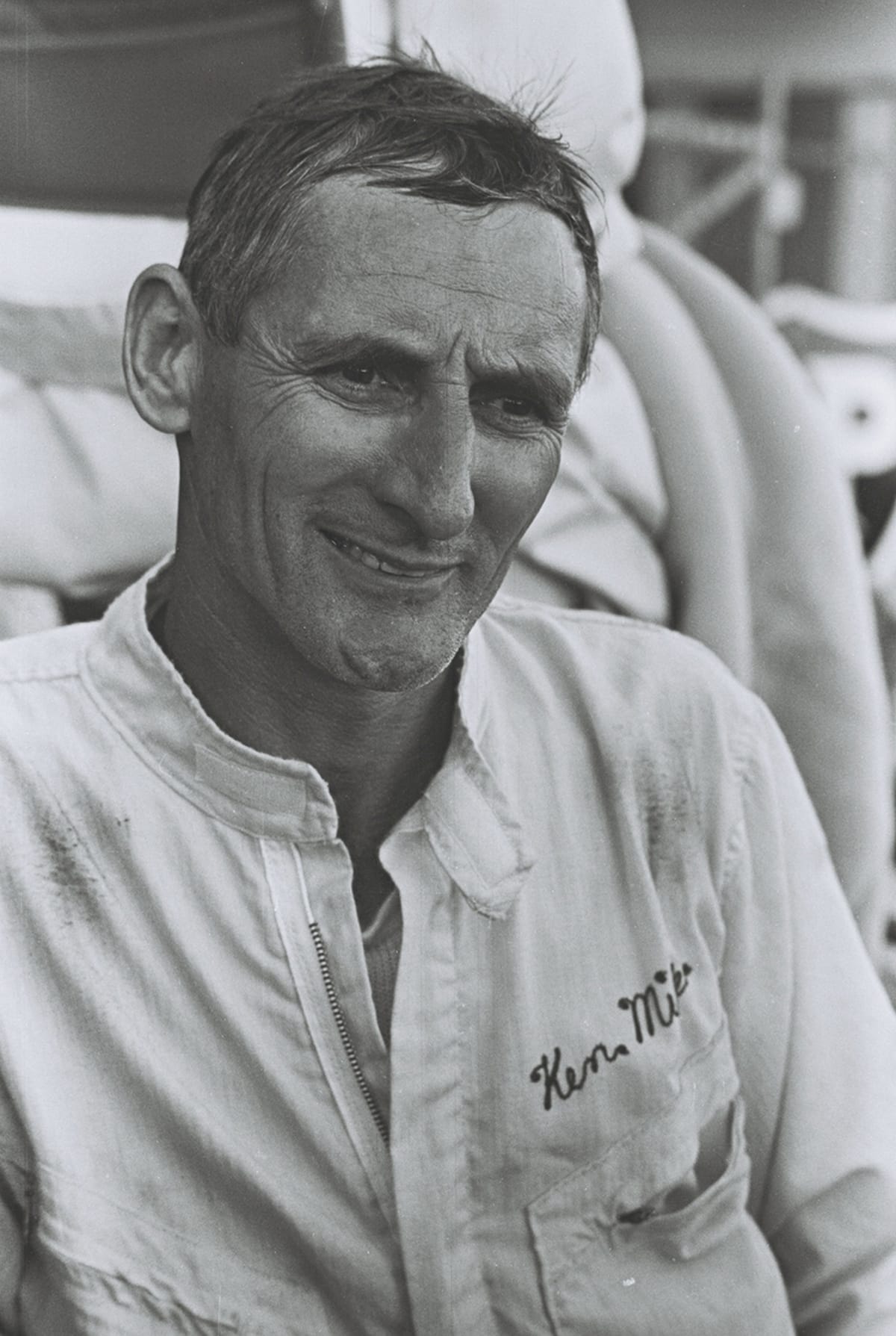 Set
SetOur Most-Viewed Digitized Artifacts of All Time
- 100 Artifacts
British-born Ken Miles was a gifted race car engineer and driver. Through his work for Carroll Shelby, Miles got involved in Ford's GT racing program. Miles won the 24 Hours of Daytona and the 12 Hours of Sebring in 1966, and he placed second at Le Mans. Miles died in a crash while testing Ford's J-Car later that year.