
Thomas Edison's Fort Myers Laboratory
THF812227 / Thomas Edison's Fort Myers Laboratory
01
Artifact Overview
This well-equipped laboratory enabled Edison to carry on his investigations even as he seemed to seek a break from business and other matters. The first building to be completed in Greenfield Village, it had a second experimental life, offering seclusion to a select group of Ford Motor Company engineers tasked with developing the Ford V-8 engine in the early 1930s.
Artifact Details
Artifact
Laboratory
Date Made
1885
Creators
Place of Creation
Creator Notes
Prefabricated building manufactured by Kennebec Framing Co. in Fairfield, Maine in 1885; it was erected in Fort Myers, Florida in 1886.
Location
at Greenfield Village in Edison at Work District
Object ID
28.998.1
Credit
From the Collections of The Henry Ford. Gift of Thomas A. Edison.
Material
Wood (Plant material)
Glass (Material)
Technique
Prefabrication
Keywords |
|---|
02
Related Content
 Set
SetThe Ford V-8
- 20 Artifacts
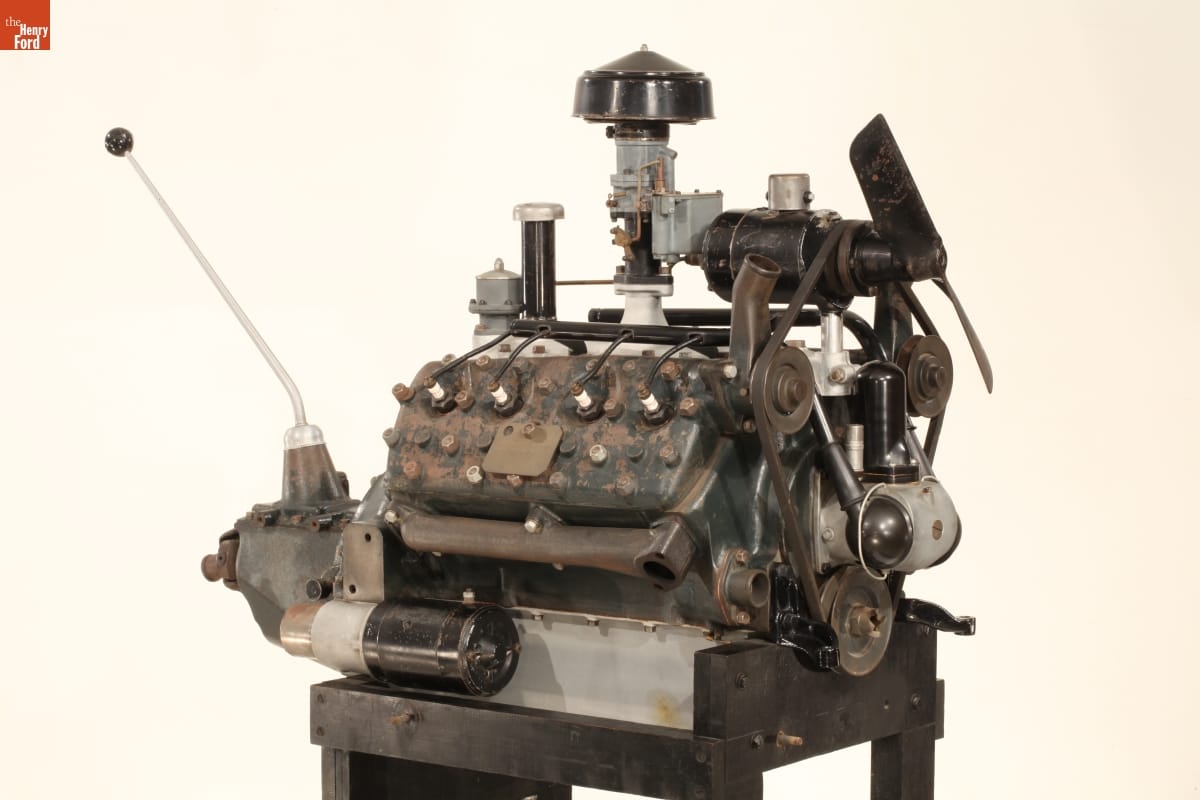
Henry Ford and Ford Motor Company revolutionized the auto industry once again in 1932 with the introduction of a low-priced V-8 engine. By casting the crankcase and cylinder banks as a single unit, Ford cut manufacturing costs and could offer its V-8 in a car starting under $500. Ford's original V-8 design remained in production, with modifications, until 1953.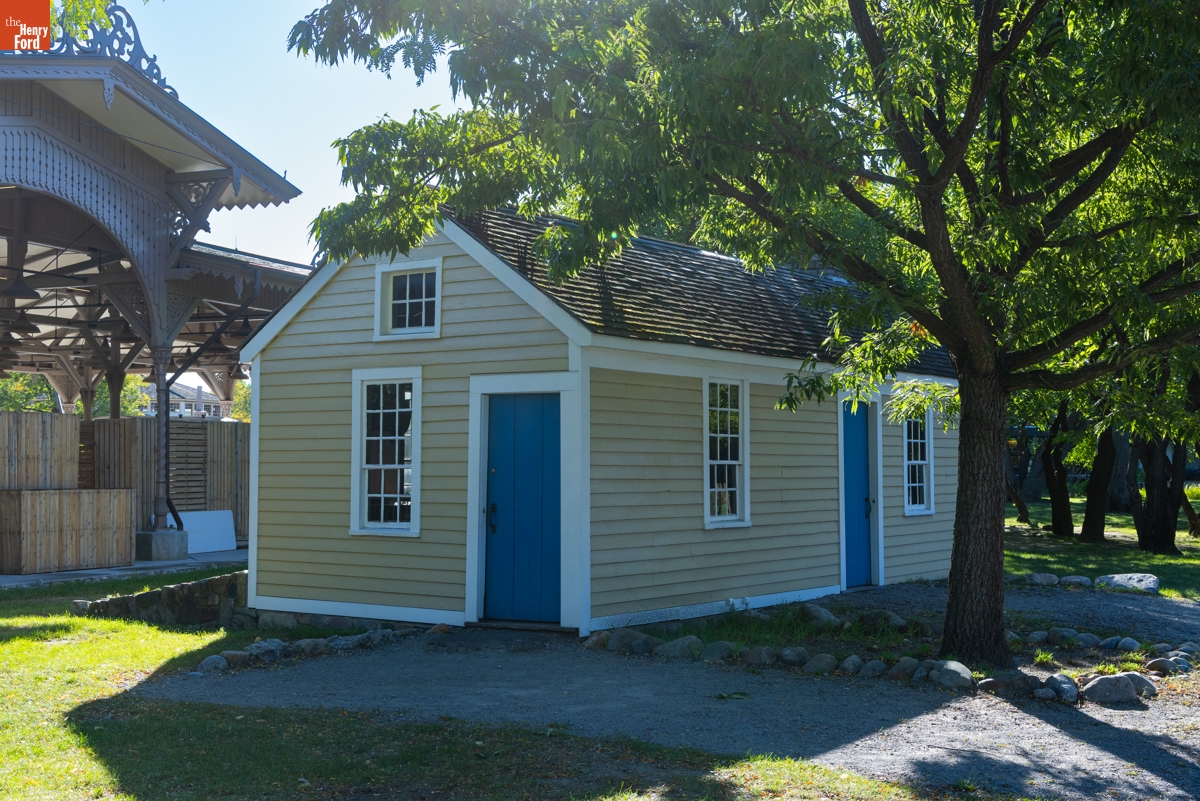 Set
SetGreenfield Village Buildings
- 84 Artifacts
As America was taking its first steps towards industrialization, the Hanks family of Mansfield, Connecticut, made early attempts to mechanize the production of silk thread. Rodney Hanks and his nephew Horatio Hanks built this mill in 1810. It was the first silk mill in America, producing some of the first silk with machines that were powered by a waterwheel.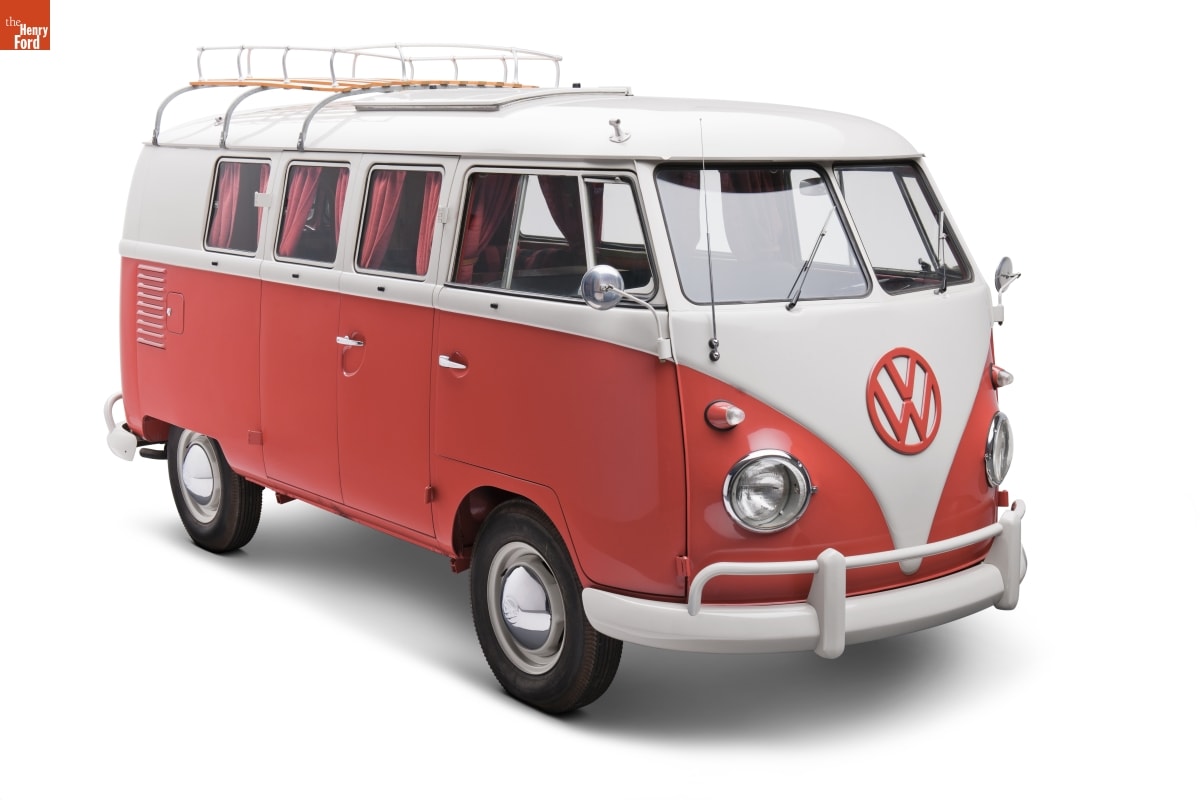 Set
SetFeatured on The Henry Ford's Innovation Nation: Season 2
- 26 Artifacts
Volkswagen introduced its "box on wheels," the VW Type 2 Bus, in 1949. A few years later, VW contracted with Westfalia and introduced converted campers. First exported to the U.S. in 1956, Westfalia campers provided home-like camping comfort and created a postwar recreational-vehicle lifestyle. This soon-to-be cultural icon transported Americans down highways and byways and into the great outdoors.