
Mattox Family Home at Its Original Site, Richmond Hill, Georgia, circa 1935
THF123292 / Mattox Family Home at Its Original Site, Richmond Hill, Georgia, circa 1935
01
Artifact Overview
Henry Ford brought this house to Greenfield Village in 1943, one of a group of buildings to represent African Americans' progress from bondage through emancipation to world recognition. Later research revealed that this home belonged to the Mattoxes, a land-owning African-American family--not a white plantation overseer, as Ford had believed. Current interpretation presents Mattox family life from the 1930s.
Artifact Details
Artifact
Photographic print
Subject Date
circa 1935
Collection Title
Location
Not on exhibit to the public.
Object ID
EI.1929.2474
Credit
From the Collections of The Henry Ford.
Material
Paper (Fiber product)
Technique
Gelatin silver process
Color
Black-and-white (Colors)
Dimensions
Height: 4 in
Width: 5.25 in
Inscriptions
verso, stamped:
1 2
Keywords |
|---|
02
Related Artifacts
 Artifact
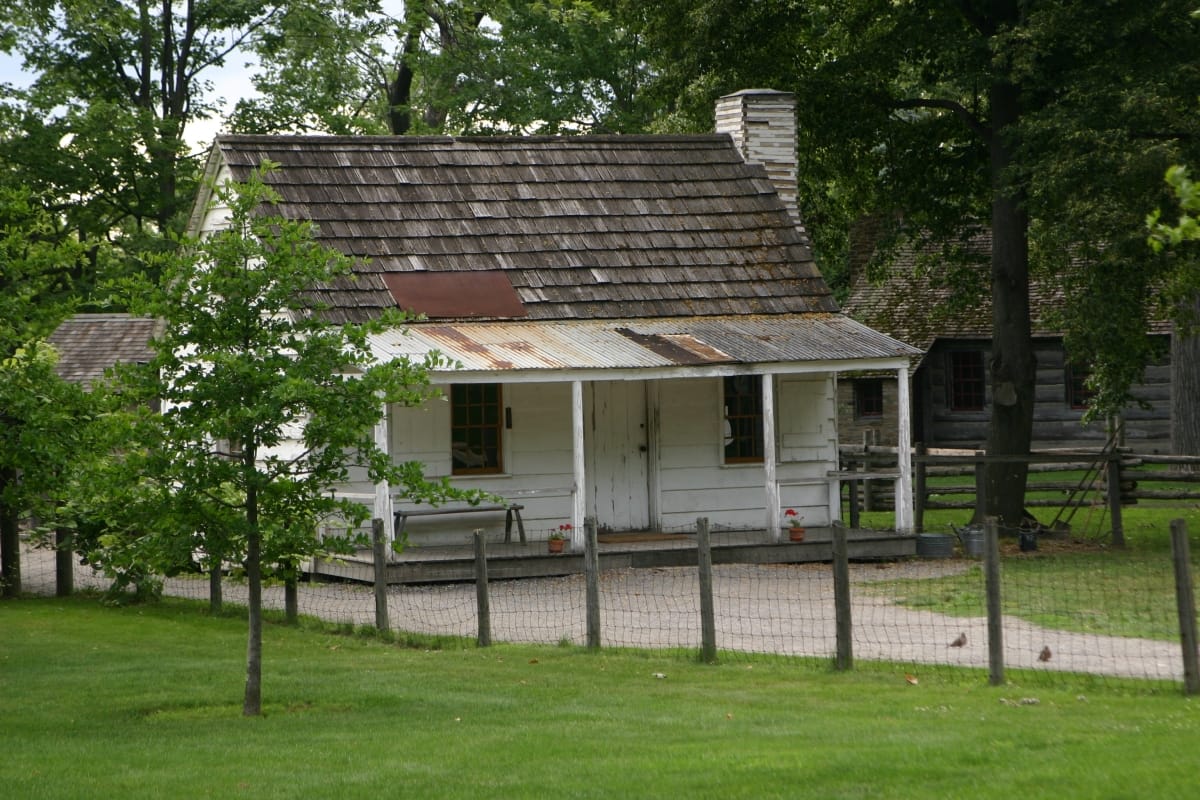
Mattox Family Home
Amos and Grace Mattox -- descended from enslaved African Americans -- raised their two children in this rural Georgia farmhouse during the Great Depression of the 1930s. Amos farmed, cut hair, made shoes, and preached at the local church, while Grace sewed, canned, cooked, and helped needy neighbors. Although life was hard, the family proudly affirmed that there was "always enough."
03
Related Content
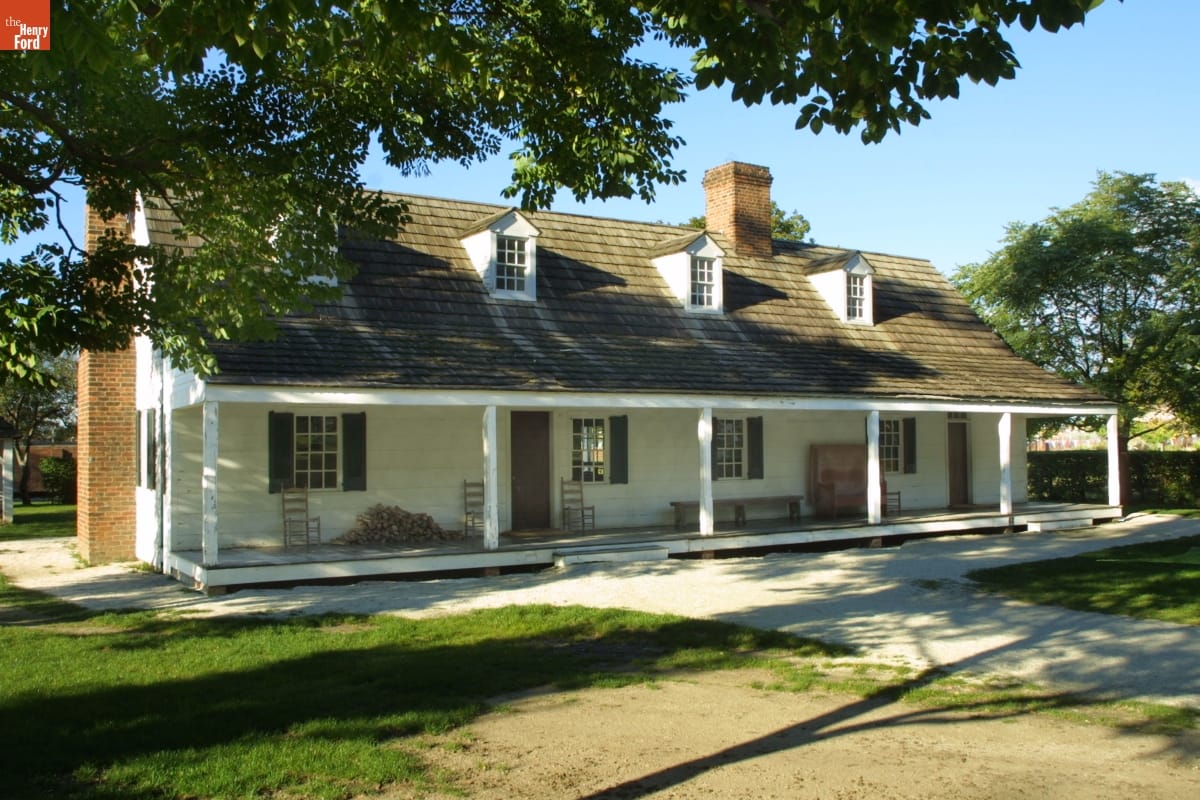 Set
SetPorches of Greenfield Village
- 12 Artifacts
During the 19th century, the front porch was a popular feature on many buildings in American towns, crossroads villages, and rural areas. Porches served a multitude of purposes--from providing cooling breezes to bringing friends and family members together to welcoming outside guests. The porches on Greenfield Village buildings represent many different styles, eras, and places.