
RCA Radiola 60 Radio in Custom Made Cabinet, 1927-1928
THF159541 / RCA Radiola 60 Radio in Custom Made Cabinet, 1927-1928
01
Artifact Overview
The RCA Radiola 60 receiver is carefully concealed in a custom-made case by Anthony Osebold, a European-trained carver of church altars in Detroit. This example is an opulent showcase of his woodworking skills. The cabinet's appeal is two-fold: it houses some of the most refined radio technology available at the time--yet its lavish craftsmanship harkens back to earlier historical traditions.
Artifact Details
Artifact
Radio receiver
Date Made
1927-1928
Place of Creation
Creator Notes
Radio made by Radio Corporation of America. Cabinet hand carved by Anthony Osebold in Detroit, Michigan.
Location
at Henry Ford Museum in Fully Furnished
Object ID
2014.85.1
Credit
From the Collections of The Henry Ford. Gift in memory of Joseph and Marie Nitkowski by their daughter Edna Nitkowski Sbordon.
Material
Wood (Plant material)
Metal
Color
Brown
Gray (Color)
Dimensions
Height: 57.5 in
Width: 32.5 in
Length: 15.5 in
Inscriptions
On front dial plate:
RCA Radiola 60/ Super Heterodyne/ SEE LICENSE NOTICE ON BOTTOM
On back loudspeaker:
RCA LOUDSPEAKER/ MODEL 100-B/ NO. 319149 EM/ PATENTS/ 1271537/.../1669513/...
Keywords |
|---|
02
Related Content
 Set
SetTurning Technology into Furniture
- 7 Artifacts
The first heating stoves, sewing machines, radios, and televisions seemed out of place next to furniture, so designers used cabinetry to conceal functional parts and make them blend into their environments.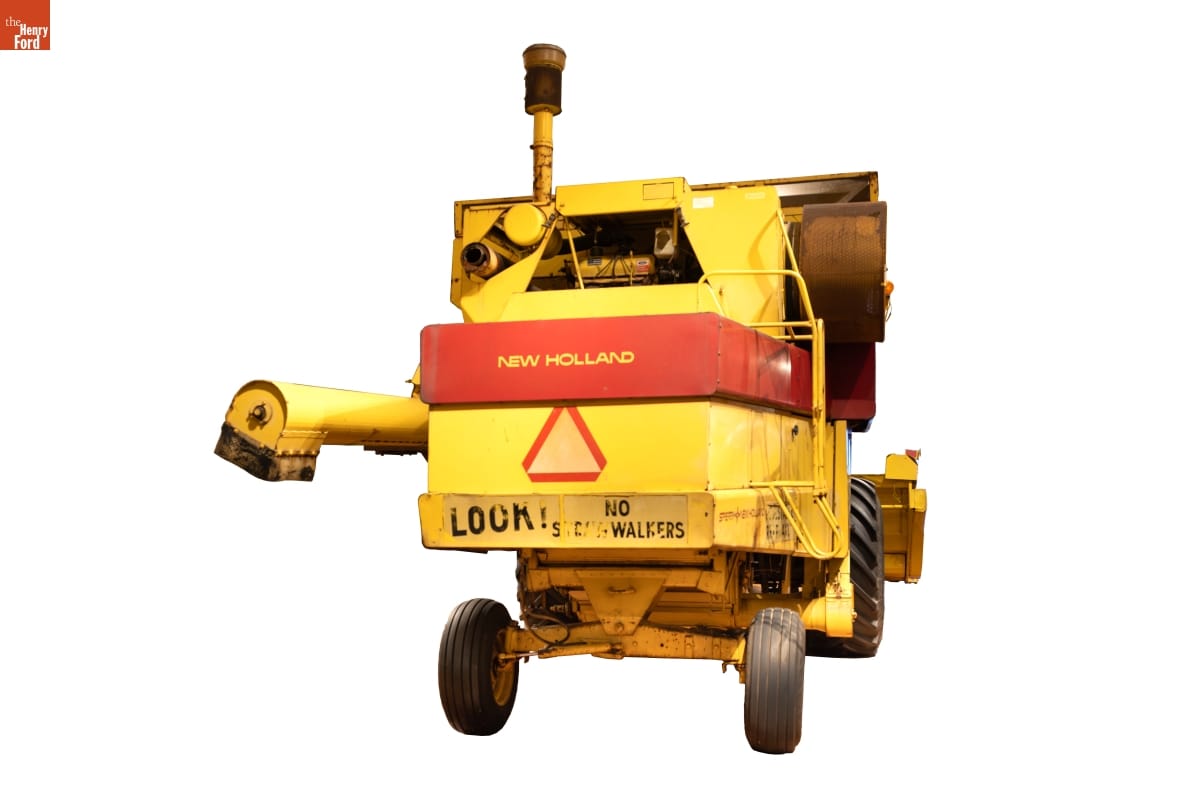 Set
SetFeatured on The Henry Ford’s Innovation Nation: Season 9
- 26 Artifacts
Engineers designed the TR70 as a compact machine suitable for hilly terrain. The twin rotors (TR) shelled corn or threshed grain and moved it through the combine's body. Setting the rotors at an angle (axial) shortened the machine. Farmers changed the front-end attachment to harvest corn, beans, or wheat. Stencils on this prototype, exhibited at trade shows, explained additional features.