
Ford Model 9N Prototype Tractor, 1939
THF173322 / Ford Model 9N Prototype Tractor, 1939
01
Artifact Overview
This is the first prototype of the Model 9N tractor. This tractor marked the first practical hydraulic three-point hitch on a tractor, a feature standard on all tractors today. Henry Ford helped debut this machine when he demonstrated its versatility on April 1, 1939 at a media event on the property of his Dearborn home.
Artifact Details
Artifact
Tractor (Agricultural equipment)
Date Made
1939
Creators
Place of Creation
Location
at Henry Ford Museum in Agriculture
Object ID
00.4.1045
Credit
From the Collections of The Henry Ford.
Material
Metal
Color
Gray (Color)
Dimensions
Diameter: 3.188 in (Bore)
Length: 3.75 in (Stroke)
Height: 52 in
Width: 69 in
Length: 106 in
Weight: 2100 lbs
Inscriptions
on plate:
This is the first Ford Tractor to be developed with the Ferguson System. Mr. Henry Ford turned the first furrow with it on April 1, 1939 at Dearborn, Michigan
Keywords |
|---|
02
Related Content
 Set
SetCurators' Choice: Agriculture & the Environment
- 25 Artifacts
Calling it his "automotive plow," Henry Ford had Joseph Galamb and C.J. Smith construct this experimental machine. It is powered by a 1905 Ford Model B engine with copper water jackets. This tractor represents either the first or, more probably, the second of several experimental lightweight tractor designs which culminated in the production of the Fordson tractor for U.S. markets in 1918. Set
SetAgriculture and the Environment
- 50 Artifacts
"Combines" combine the major tasks of grain harvest: cutting and gathering the crop, threshing and separating the kernels from the chaff, and disposing of the straw. The Massey-Harris Model 20, introduced in 1938, culminated over 100 years of mechanical improvements. One driver operated the self-propelled machine, which reduced the need for hired help during the labor shortages of World War II.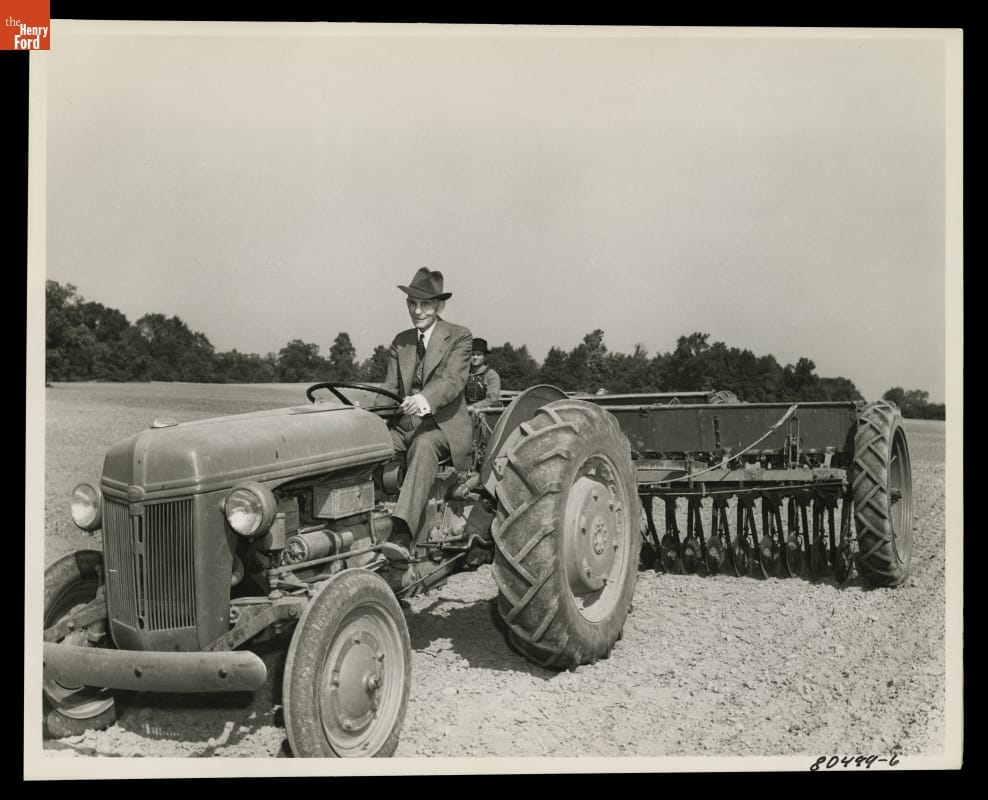 Set
SetHenry Ford: Tractors
- 18 Artifacts
 Set
SetFeatured on The Henry Ford's Innovation Nation: Season 5
- 26 Artifacts
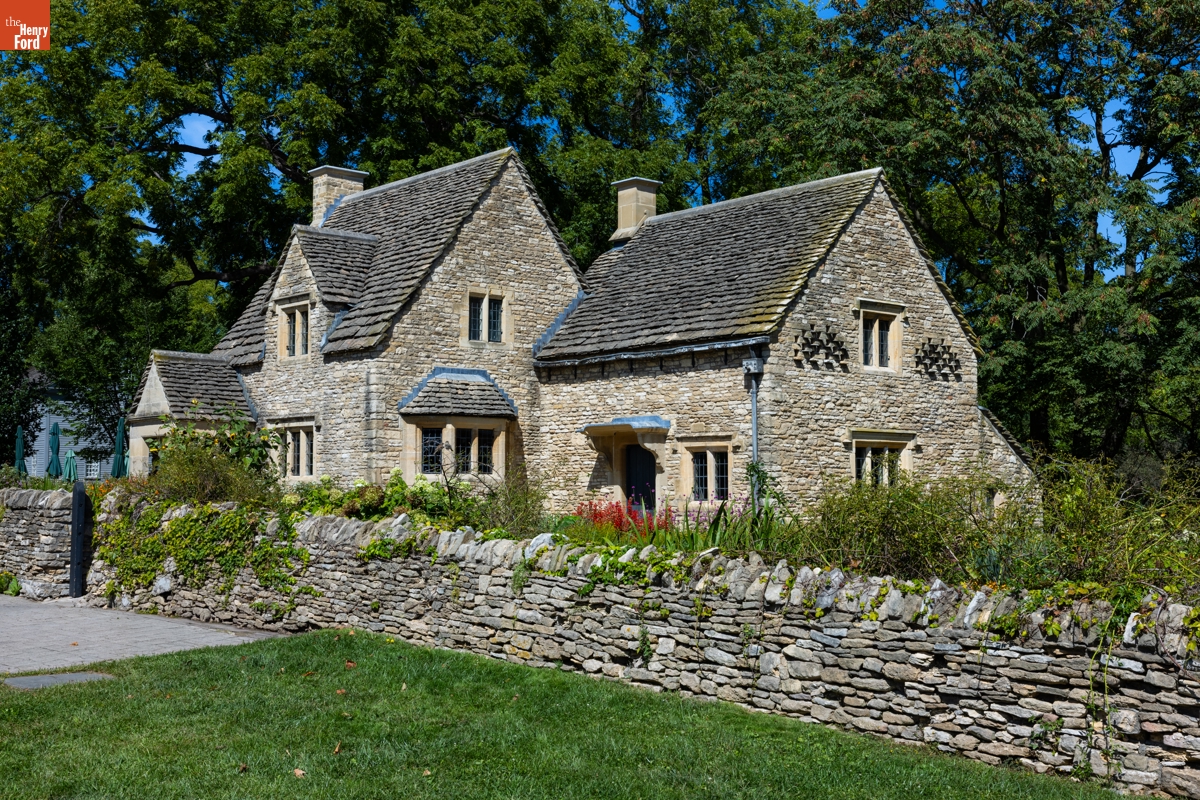
Cotswold Cottage is from the Cotswold Hills in southwest England. The Fords were attracted to the distinctive character of Cotswold buildings, which are characterized by the yellow-brown stone, tall gables, steeply pitched roofs, and stone ornamentation around windows and doors. Several decorative additions were made to the house in England, before dismantling and re-erecting it in Greenfield Village.