
Smiths Creek Depot
THF812093 / Smiths Creek Depot
01
Artifact Overview
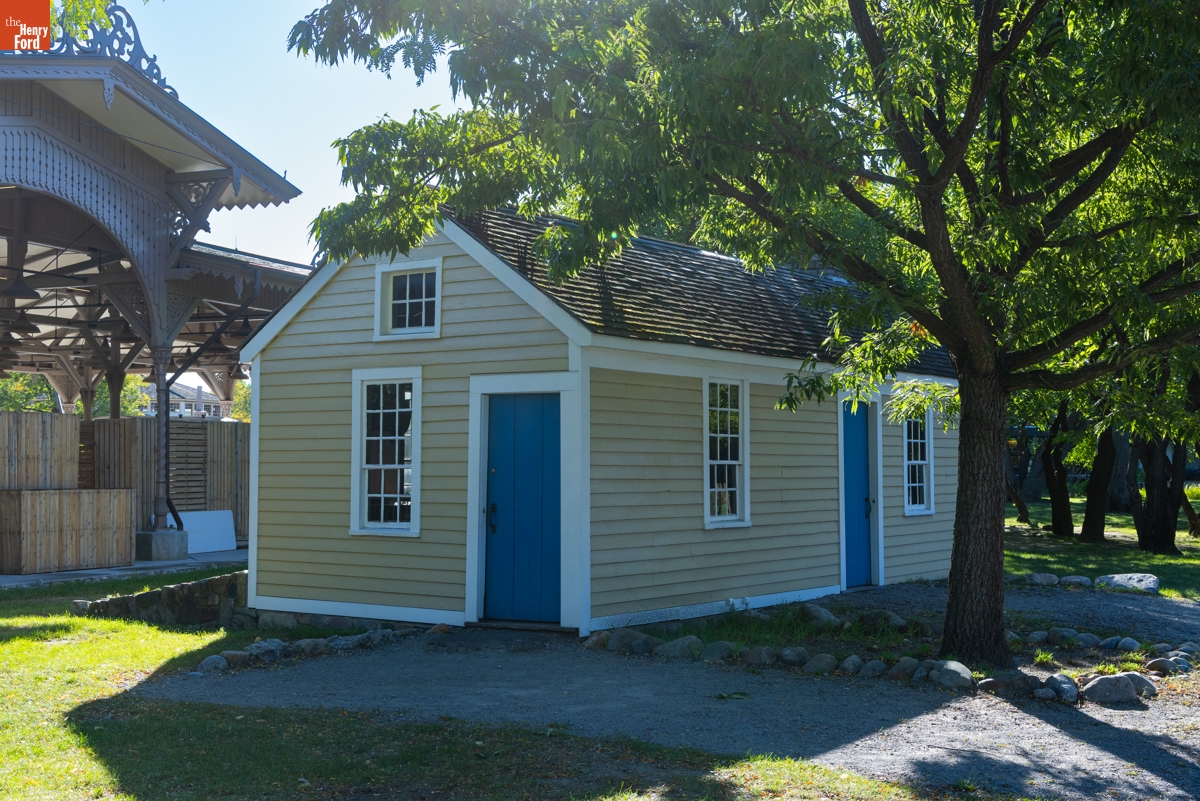
The Smiths Creek Depot stood on the Grand Trunk Western Railway about nine miles southwest of Port Huron, Michigan. The railroad station was a center of 19th-century small-town life. More than a place to catch a train, the depot was where customers sent and received packages and telegrams, caught up on the latest news, and shared gossip.
Artifact Details
Artifact
Railroad station
Date Made
1858
Place of Creation
Creator Notes
Originally constructed in Smiths Creek, Michigan for the Grand Trunk Railway Company. It may have been built by Scottish immigrants Findly McDonald and his brother.
Location
at Greenfield Village in Railroad Junction District
Object ID
29.3059.1
Credit
From the Collections of The Henry Ford.
Material
Brick (Clay material)
Wood (Plant material)
Glass (Material)
Keywords |
|---|
02
Related Content
 Set
SetGreenfield Village Buildings
- 84 Artifacts
As America was taking its first steps towards industrialization, the Hanks family of Mansfield, Connecticut, made early attempts to mechanize the production of silk thread. Rodney Hanks and his nephew Horatio Hanks built this mill in 1810. It was the first silk mill in America, producing some of the first silk with machines that were powered by a waterwheel.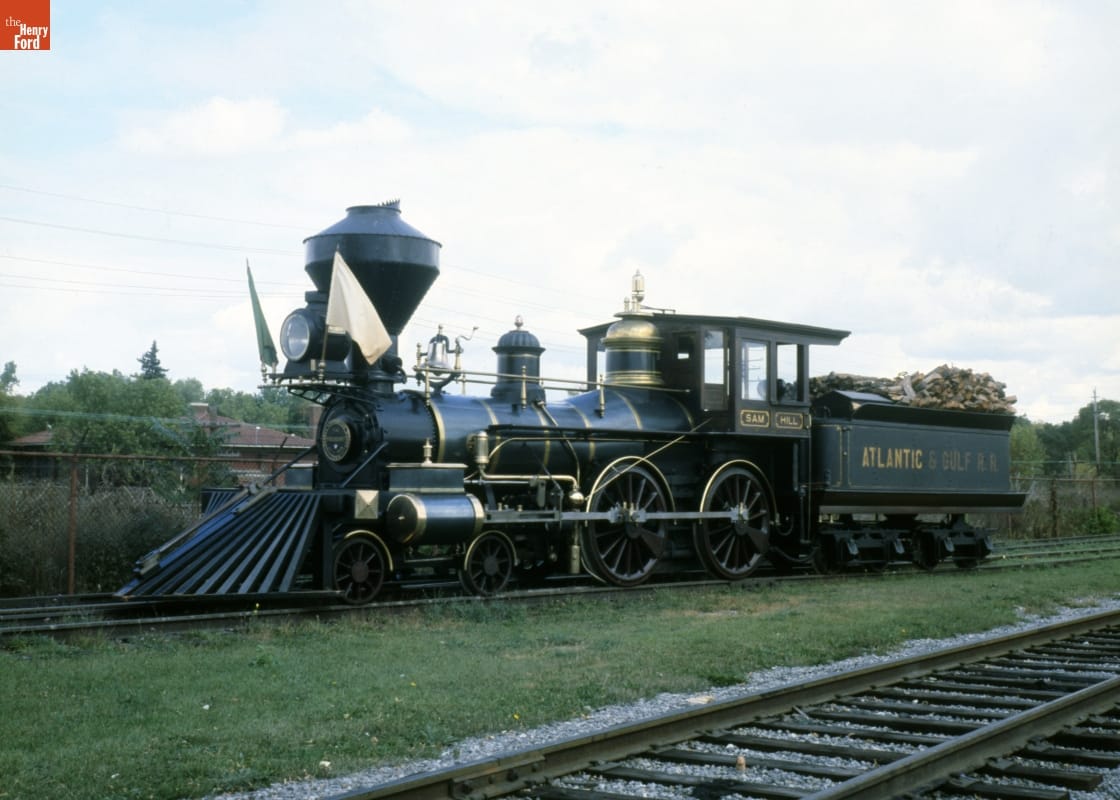 Set
SetMobility
- 49 Artifacts
This 1858 Rogers steam locomotive is typical of those used in the United States in the second half of the 19th century. Its flexible wheel arrangement, high power output, and light weight were well suited to the tight curves, steep grades, and hastily constructed track that characterized American railroads. This locomotive struck an agreeable balance between practicality, safety, and economy.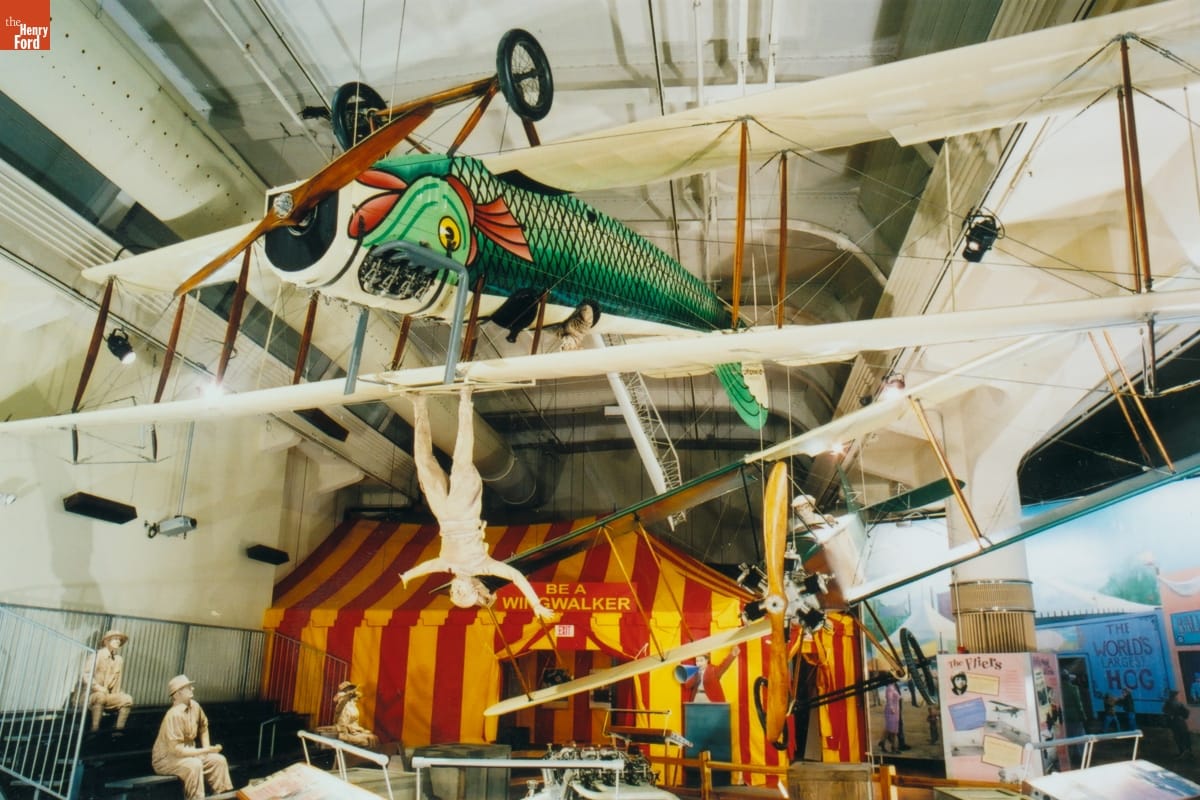 Set
SetFeatured on The Henry Ford's Innovation Nation: Season 7
- 26 Artifacts
The Curtiss JN-4 "Jenny" was the U.S. Army's primary training aircraft in the World War I era. After the war, surplus Jennys formed the core of America's barnstorming fleet. The JN-4D variation employed a control stick rather than the wheel used in the standard version. The JN-4D originally was built for the Canadian market, explaining its "Canuck" nickname.