
Dr. Howard's Office Being Relocated during the Greenfield Village Restoration Project, September 2002
01
Artifact Overview
By 2000, Greenfield Village began showing its age. Buildings and crumbling infrastructure desperately needed repair. Museum planners envisioned a revitalized village. They created themed "Historic Districts" by relocating and refurbishing the historic structures. Workers repaved streets and upgraded water, sewer, electric, and gas lines. In June 2003, nine months after restoration began, visitors passed through a new entrance into a reborn Greenfield Village.
Artifact Details
Artifact
Digital photograph
Date Made
September 2002
Subject Date
September 2002
Collection Title
Location
By Request in the Benson Ford Research Center
Object ID
EI.1929.4483
Credit
From the Collections of The Henry Ford.
Color
Multicolored
Dimensions
Height: undefined in
Width: undefined in
Keywords |
|---|
02
Related Artifacts
 Artifact
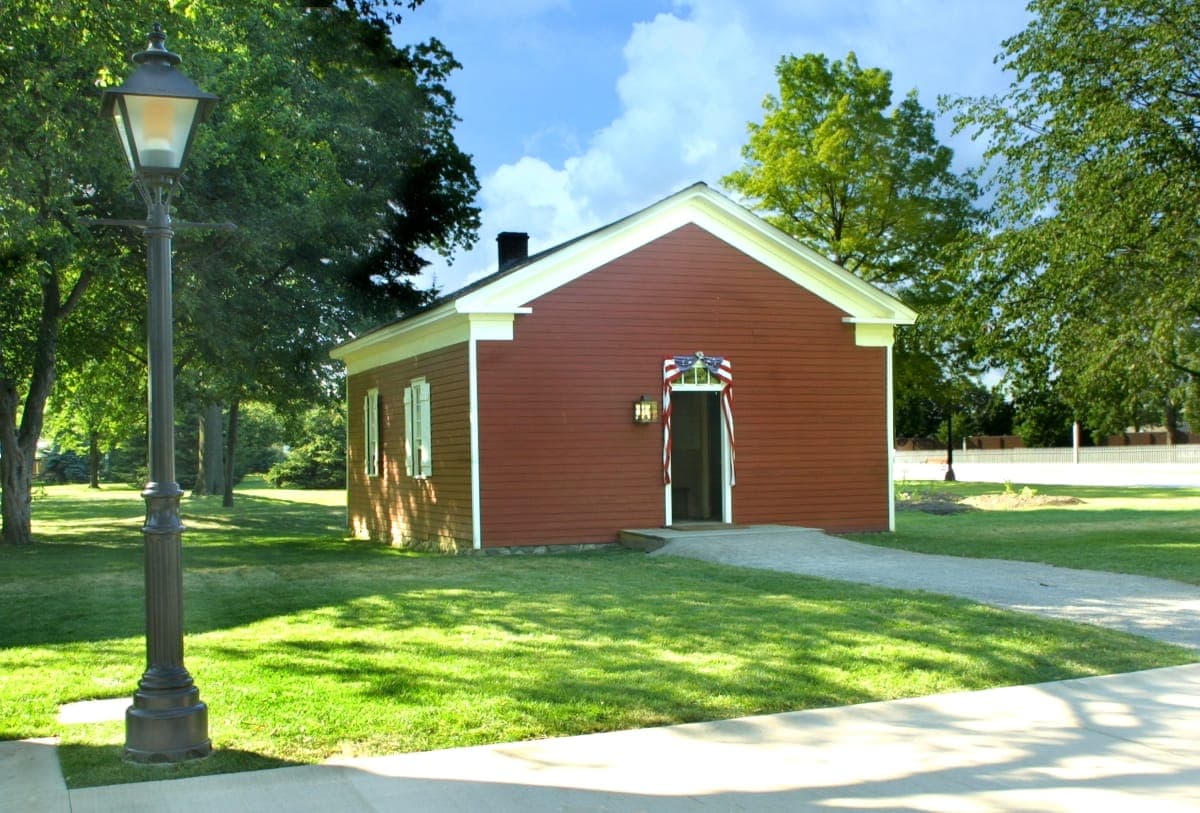
Dr. Howard's Office
Alonson Howard practiced medicine in rural Tekonsha, Michigan, starting around the time of the Civil War. He was an "eclectic" physician, combining Western medicine and surgery with the herbal and homeopathic methods popular in the 19th century. This building was the waiting room, office and laboratory for Doc Howard and his patients. He also made herbal medicines here.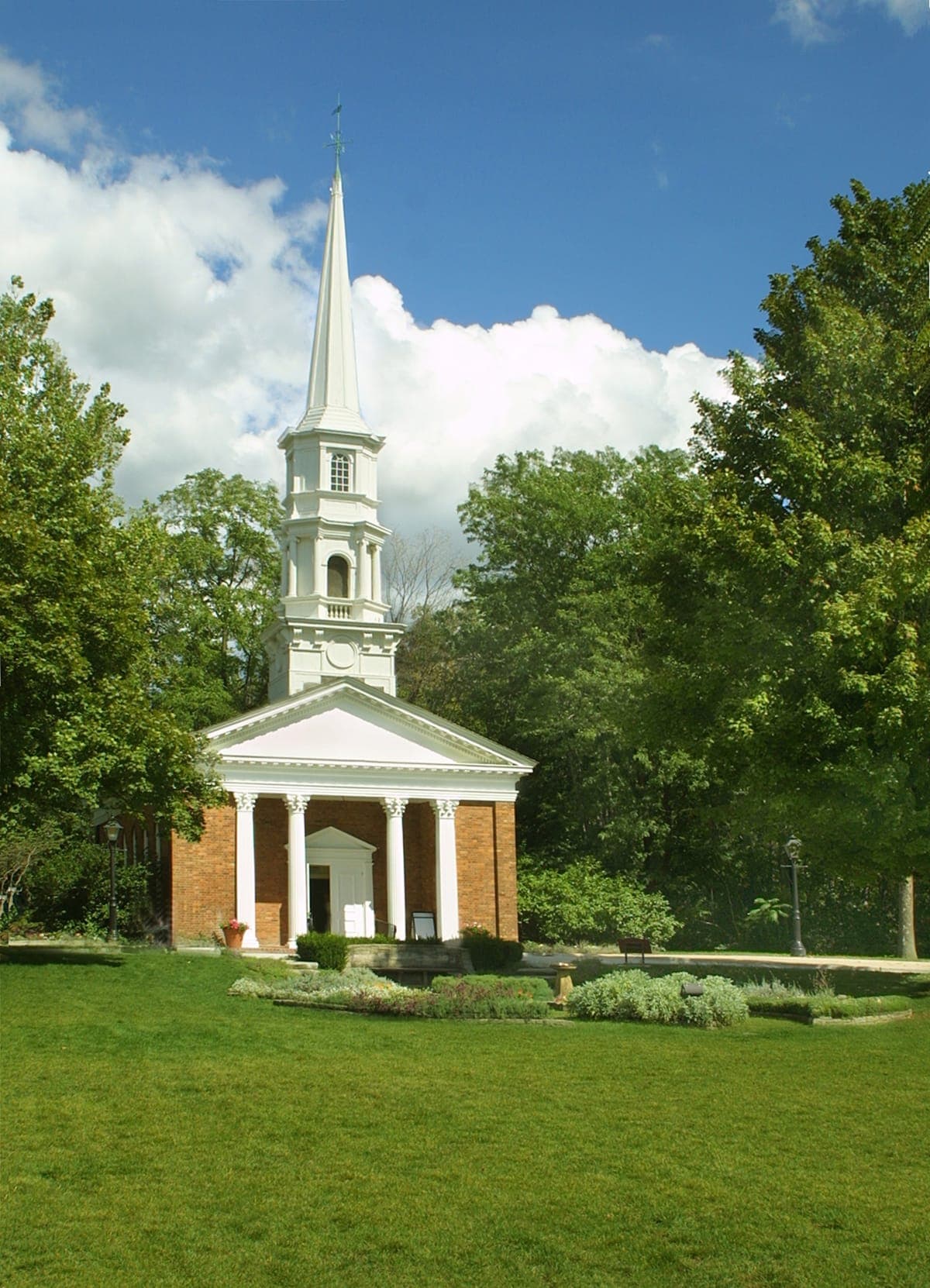 Artifact
Martha-Mary Chapel
Churches were a center of community life in the 1700s, a place where townspeople came together to attend services and socialize. The Martha-Mary Chapel, with its architecture inspired by New England's colonial-era churches, was built in Greenfield Village in 1929. This chapel was named after Henry Ford's mother, Mary Litogot Ford, and his mother-in-law, Martha Bench Bryant.