
Loranger Gristmill Relocation Site, Greenfield Village Restoration Project, November 2002
THF19659 / Loranger Gristmill Relocation Site, Greenfield Village Restoration Project, November 2002
01
Artifact Overview
By 2000, Greenfield Village began showing its age. Buildings and crumbling infrastructure desperately needed repair. Museum planners envisioned a revitalized village. They created themed "Historic Districts" by relocating and refurbishing the historic structures. Workers repaved streets and upgraded water, sewer, electric, and gas lines. In June 2003, nine months after restoration began, visitors passed through a new entrance into a reborn Greenfield Village.
Artifact Details
Artifact
Digital photograph
Date Made
November 2002
Subject Date
November 2002
Collection Title
Location
By Request in the Benson Ford Research Center
Object ID
EI.1929.5521
Credit
From the Collections of The Henry Ford.
Color
Multicolored
Dimensions
Height: undefined in
Width: undefined in
Keywords |
|---|
02
Related Artifacts
 Artifact
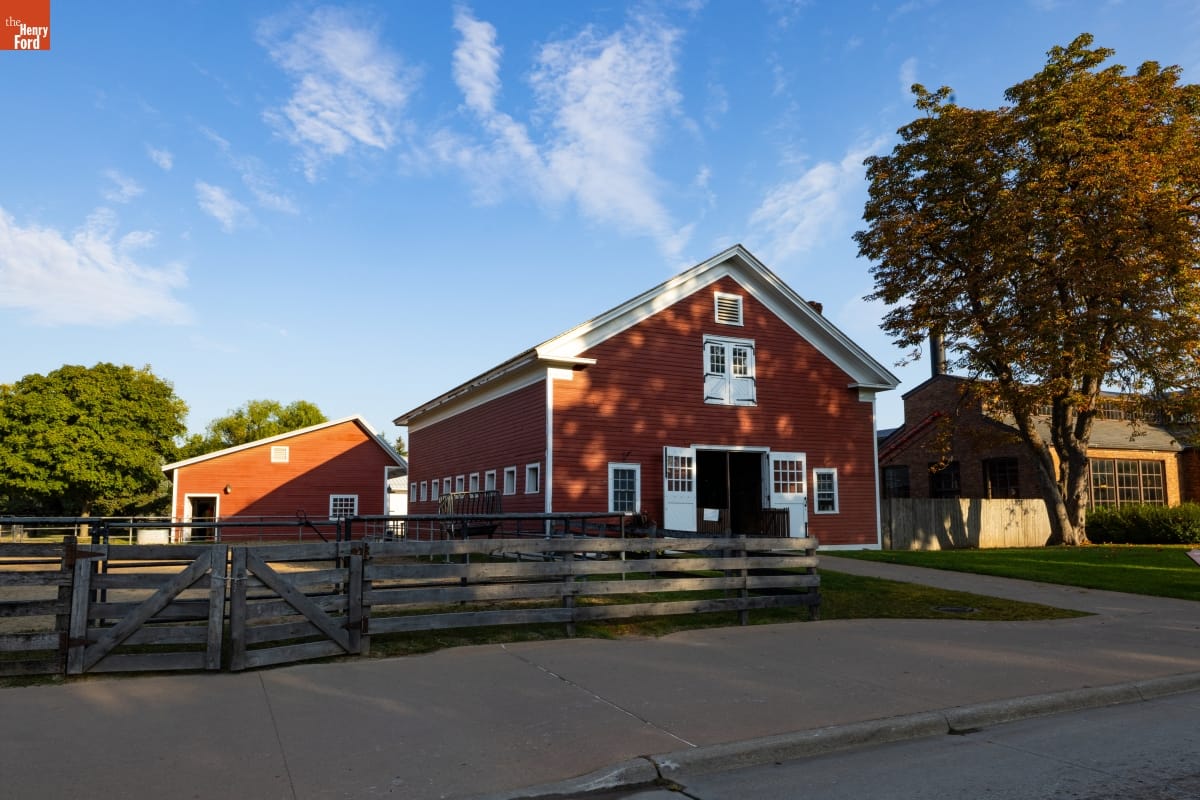
William Ford Barn
William Ford built this barn near present-day Dearborn, Michigan, in 1863 -- the same year his son Henry was born. Ford mainly used it to store grain and hay, though livestock and tools were occasionally housed in the structure. The barn was moved to The Henry Ford in 1934. Today it's used by Greenfield Village's horses.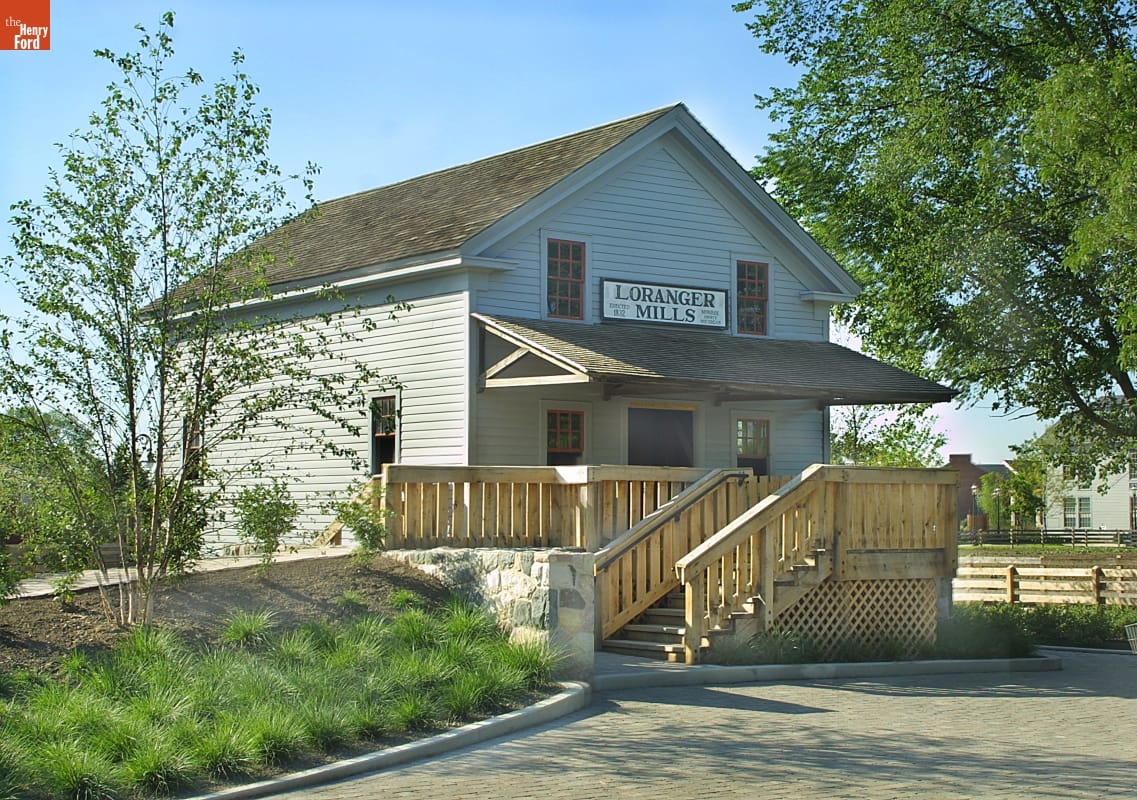 Artifact
Loranger Gristmill
Gristmills -- usually among the earliest businesses established in a community -- ground grain harvested by local farmers. This mill, originally located in Monroe, Michigan, was set up to grind both corn and wheat. It incorporates a sophisticated conveyor system, developed by Oliver Evans in the late 1700s, that moves grain through the building to undergo a variety of processes.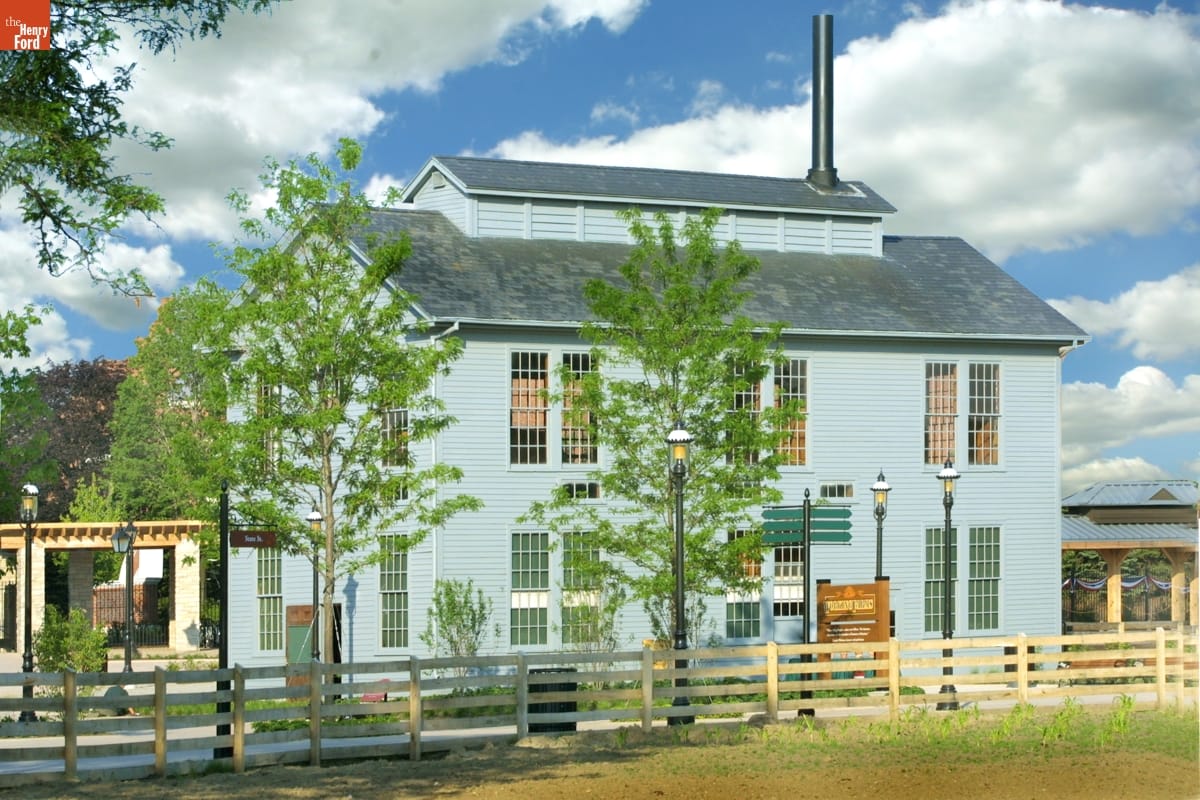 Artifact
Soybean Lab Agricultural Gallery
Constructed in Greenfield Village, this building was an experimental soybean research laboratory during the 1930s. Henry Ford was looking for ways that farmers could use crops for industrial purposes, especially in the manufacture of car parts. Special equipment was designed here to process soybeans into oil and meal. Today, this building houses agricultural implements from the museum's collections.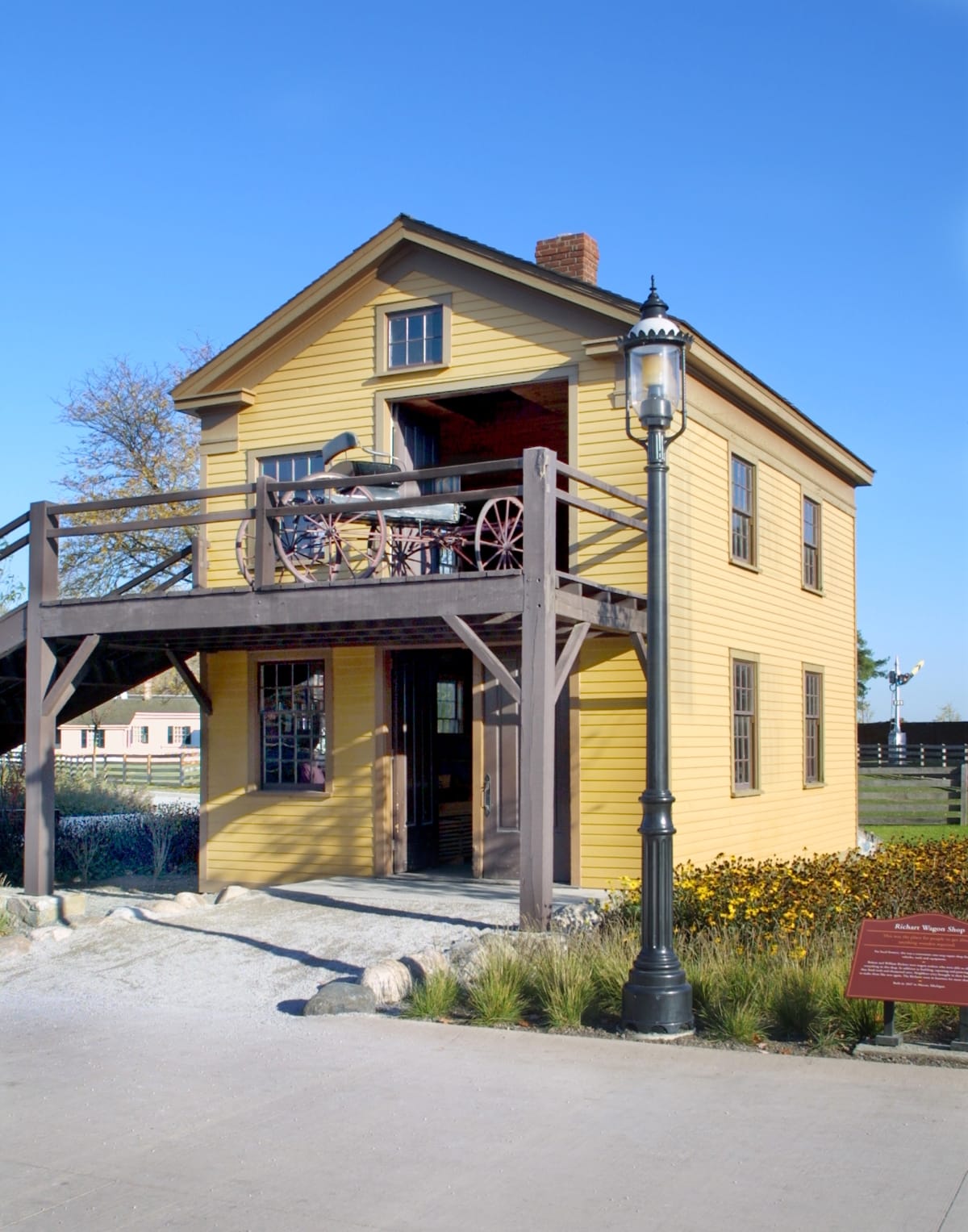 Artifact
Richart Wagon Shop
Wagon makers Robert and William Richart offered many services out of this shop, built in Macon, Michigan, in 1847. In addition to building, painting and repairing wagons, the Richarts fixed tools, sharpened saws and even mended household furniture. The Richarts remained in business for over 50 years. The shop building was moved to Greenfield Village in 1941.