
Vase, 1901-1904
THF176713 / Vase, 1901-1904
01
Artifact Overview
A new kiln in the "Revelation" line, produced by Horace J. Caulkins' Detroit-based company, allowed ceramicists to create pottery with underglaze decoration in their own studios. Beginning in 1901, artist Mary Chase Perry, who had helped develop the kiln, made this vase to demonstrate its potential. Perry and Caulkins would go on to form Detroit's renowned Pewabic Pottery.
Artifact Details
Artifact
Vase
Date Made
1897-1899
Place of Creation
Creator Notes
Made and decorated by Mary Chase Perry at Revelation Pottery in Detroit, Michigan
Location
at Henry Ford Museum in Collections Platform
Object ID
62.53.2
Credit
From the Collections of The Henry Ford.
Material
Earthenware
Glaze
Color
Blue
White (Color)
Brown
Dimensions
Height: 3.5 in
Diameter: 5.5 in
Inscriptions
on bottom [stamp]:
REVELATION POTTERY / M.C.P. / DETROIT / [paper tag] PEWABIC
Keywords |
|---|
02
Related Content
 Set
SetFeatured on The Henry Ford’s Innovation Nation: Season 9
- 26 Artifacts
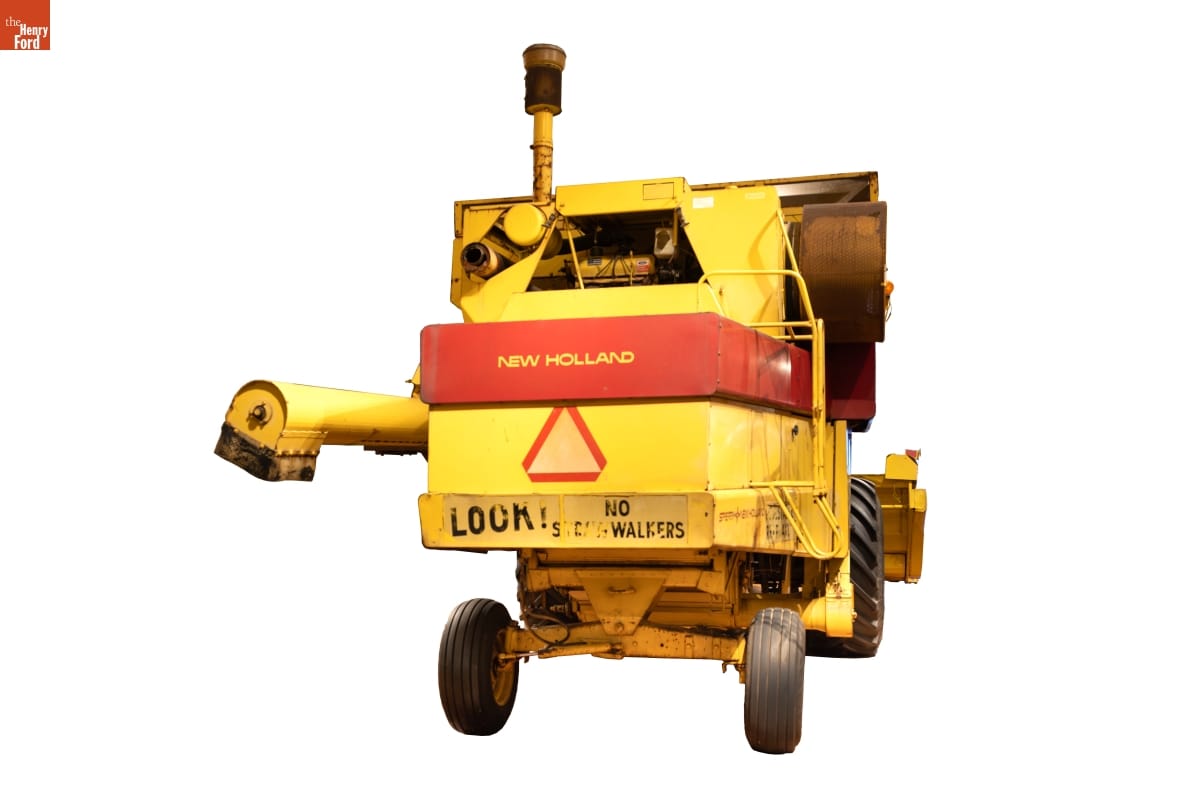
Engineers designed the TR70 as a compact machine suitable for hilly terrain. The twin rotors (TR) shelled corn or threshed grain and moved it through the combine's body. Setting the rotors at an angle (axial) shortened the machine. Farmers changed the front-end attachment to harvest corn, beans, or wheat. Stencils on this prototype, exhibited at trade shows, explained additional features. Set
SetArt Pottery Highlights from the Collection of The Henry Ford
- 22 Artifacts
This crouching rabbit is iconic to the wares made by the Dedham Pottery. In business from 1896 to 1943, Dedham Pottery produced high-fired stone-ware characterized by a controlled and fine crackle glaze with thick cobalt blue border designs. Influenced by Arts and Crafts styles, these popular serving pieces primarily featured rabbits, but others imagery included elephants, dolphins, polar bears, chicks, swans, turtles, and ducks.