
Lightning Rod Stand, 1900-1920
THF191997 / Lightning Rod Stand, 1900-1920
01
Artifact Overview
Lightning can destroy houses, barns, and other buildings--and their contents. In the early 1900s, building owners installed lighting rods made of conductive metals at the highest point of a building to manage the risk of lightning strikes. The rods--and connected cables that safely channeled the high-voltage energy to the ground--became the first line of defense in the event of a strike.
Artifact Details
Artifact
Stand (Support object)
Date Made
1900-1920
Location
Not on exhibit to the public.
Object ID
2022.157.6
Credit
From the Collections of The Henry Ford. Gift of the Family of William N. Jackson.
Material
Metal
Color
Black (Color)
Dimensions
Height: 62.25 in
Width: 10.5 in
Length: 5.625 in
Keywords |
|---|
02
Related Artifacts
 Artifact
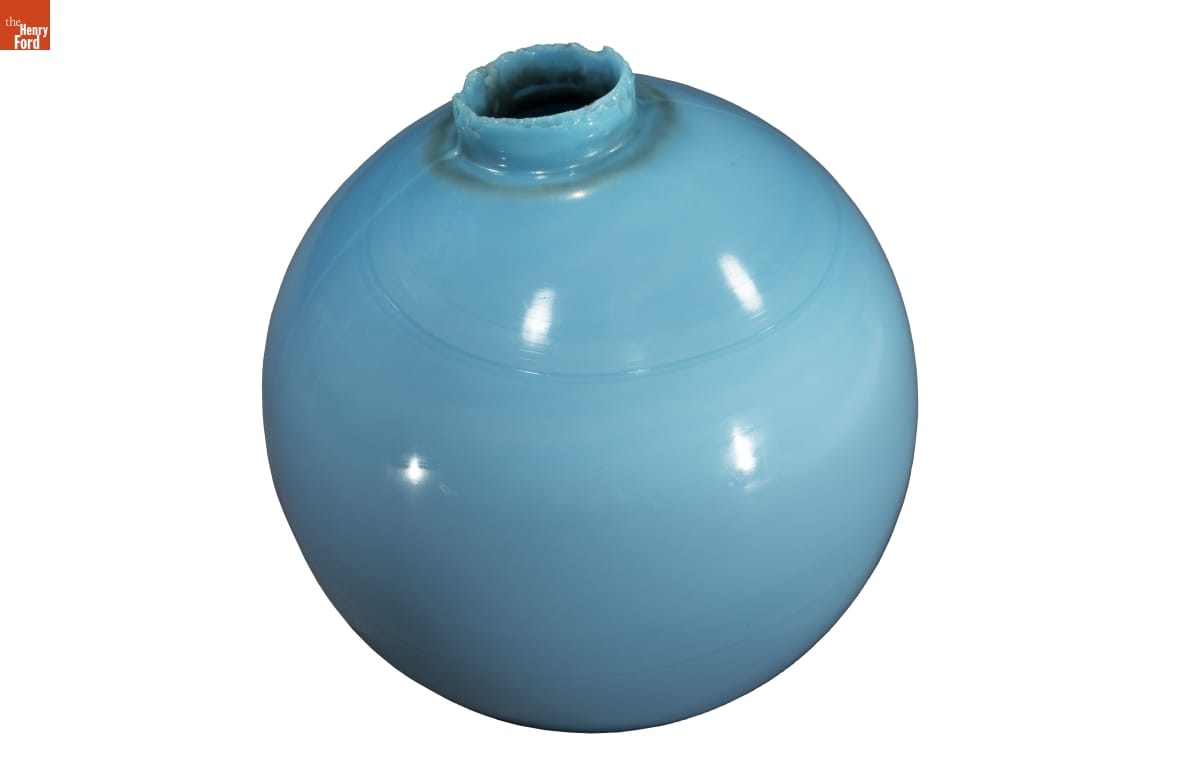
Lightning Rod Bulb, 1900-1920
Lightning can destroy houses, barns, and other buildings--and their contents. In the early 1900s, building owners installed lighting rods made of conductive metals at the highest point of a building to manage the risk of lightning strikes. A glass ball mounted on the rod would shatter when lighting struck, alerting the owner to inspect the lightning rod system before another storm.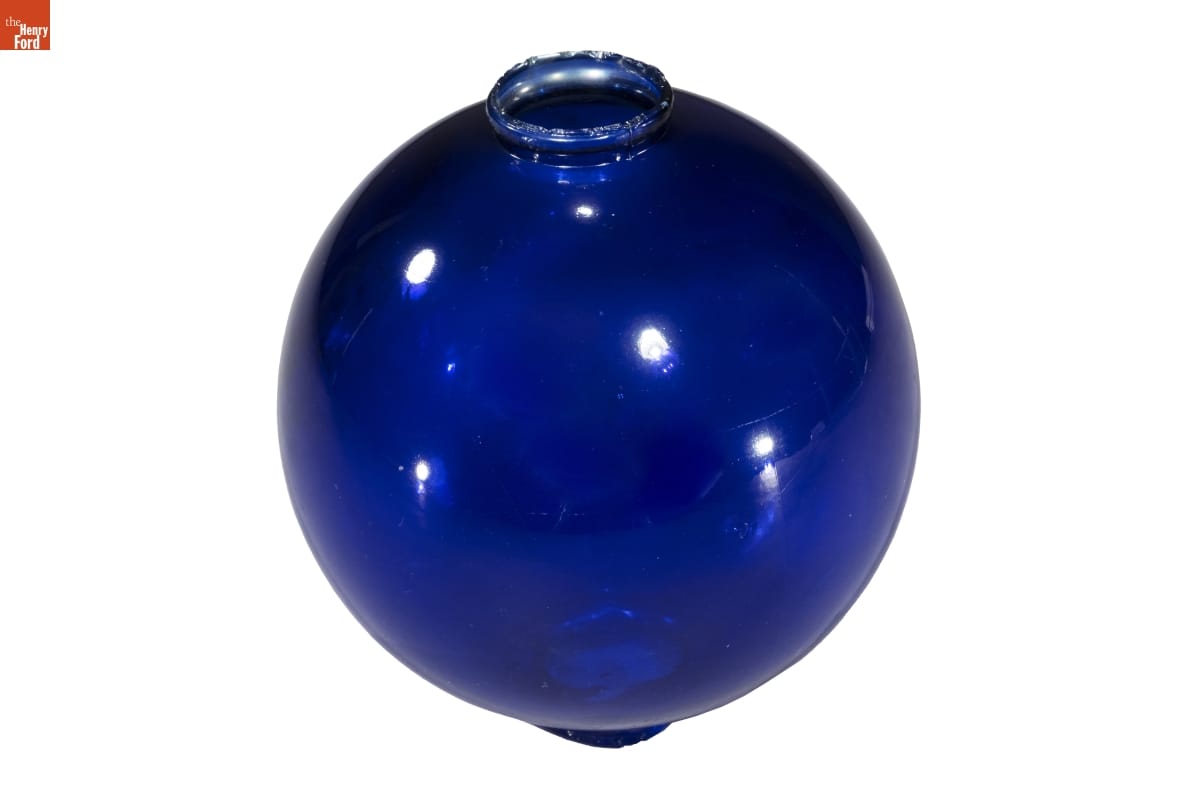 Artifact
Lightning Rod Bulb, 1900-1920
Lightning can destroy houses, barns, and other buildings--and their contents. In the early 1900s, building owners installed lighting rods made of conductive metals at the highest point of a building to manage the risk of lightning strikes. A glass ball mounted on the rod would shatter when lighting struck, alerting the owner to inspect the lightning rod system before another storm.