
1923 Stutz Bearcat Roadster
THF88319 / 1923 Stutz Bearcat Roadster
01
Artifact Overview
The Stutz Bearcat, introduced in 1912, was perhaps America's first true sports car. Stutz individually tested each Bearcat at Indianapolis Motor Speedway, and many were raced with great success. Stutz dropped the model in 1924 only to bring it back in 1931, hoping the beloved name might improve sales during the Great Depression. But Stutz ended automobile production in 1935.
Artifact Details
Artifact
Automobile
Date Made
1923
Place of Creation
Location
Not on exhibit to the public.
Object ID
67.19.1
Credit
From the Collections of The Henry Ford.
Material
Metal
Glass (Material)
Leather
Rubber (Material)
Color
Yellow (Color)
Black (Color)
Red
Tan (Color)
Dimensions
Height: 72 in
Width: 69 in
Wheelbase: 130 in
Length: 194 in
Diameter: 4.375 in (Bore)
Length: 6 in (Stroke)
Inscriptions
Above radiator: STUTZ / INDIANAPOLIS INDIANA, U.S.A.
Specifications
Make & Model: 1923 Stutz Bearcat Roadster
Maker: Stutz Motor Car Company of America, Indianapolis, Indiana
Engine: inline-4, T-head valves, 360 cubic inches
Transmission: 3-speed manual
Height: 72 inches
Wheelbase: 130 inches
Width: 69 inches
Overall length: 194 inches
Weight: 3100 pounds
Horsepower: 109 at 3000 revolutions per minute
Pounds per horsepower: 28.4
Price: $3,500
Average 1923 wage: $1,299 per year
Time you'd work to buy this car: about 2 years, 8 months
Keywords |
|---|
02
Related Content
 Set
SetThe Most Popular Digital Collections Artifacts of 2022
- 47 Artifacts
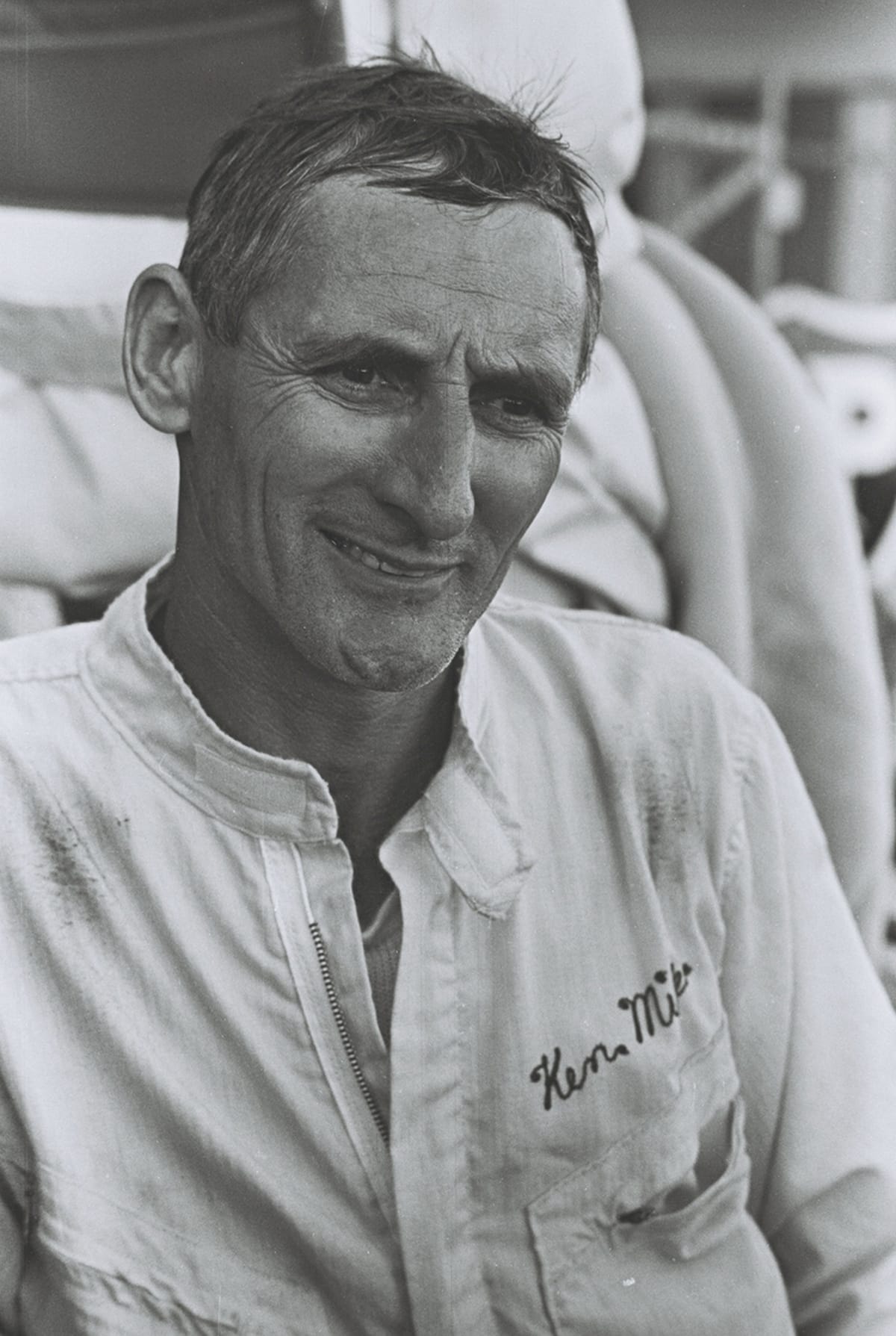
British-born Ken Miles was a gifted race car engineer and driver. Through his work for Carroll Shelby, Miles got involved in Ford's GT racing program. Miles won the 24 Hours of Daytona and the 12 Hours of Sebring in 1966, and he placed second at Le Mans. Miles died in a crash while testing Ford's J-Car later that year.