
Tread Power, circa 1885
THF97299 / Tread Power, circa 1885
01
Artifact Overview
As farmers mechanized barn and farmyard work in the nineteenth century, they began to use stationary power sources. Some invested in animal treadmills, which used the same "endless belt" concept as modern exercise treadmills to convert animals' movement into power for a range of agricultural machinery. This version, designed for dogs, goats, or sheep, could run small machines like butter churns or cream separators.
Artifact Details
Artifact
Treadmill
Date Made
circa 1885
Creators
Place of Creation
Collection Title
Location
at Greenfield Village in Soybean Lab Agricultural Gallery
Object ID
71.1.174
Credit
From the Collections of The Henry Ford. Gift of David M. Gwinn.
Material
Wood (Plant Material)
Dimensions
Height: 48 in
Width: 16.5 in
Length: 61 in
Inscriptions
ENTERPRISE MFG. CO. / TROY PENNA / PAT'S FEB. 25, 1871/June 28, 1881 / ADJUSTABLE TRACK
Keywords |
|---|
02
Related Content
 Set
SetFarm Animals at Work
- 19 Artifacts
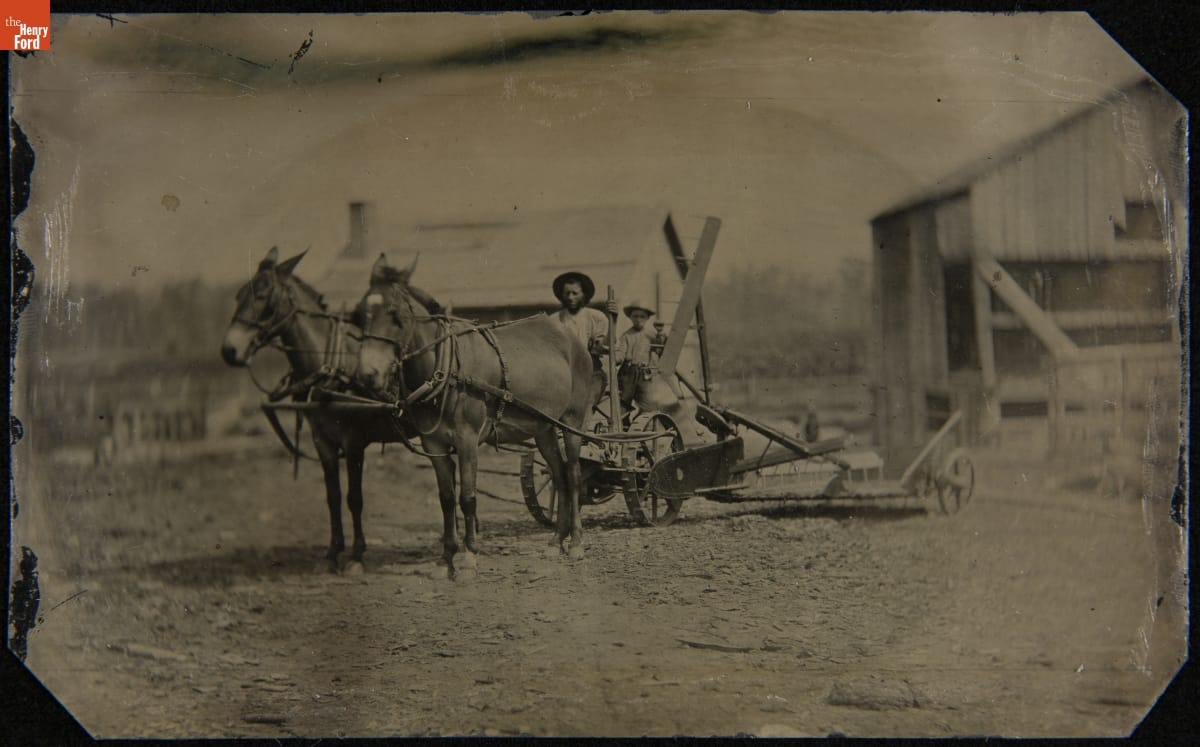
Farming is strenuous, tedious, and repetitive, and chronic labor shortages intensify the demands of farm work. Throughout history, farmers have looked for ways to get the job done with less manpower. By the nineteenth century, animals working in many capacities provided most of the power on American farms.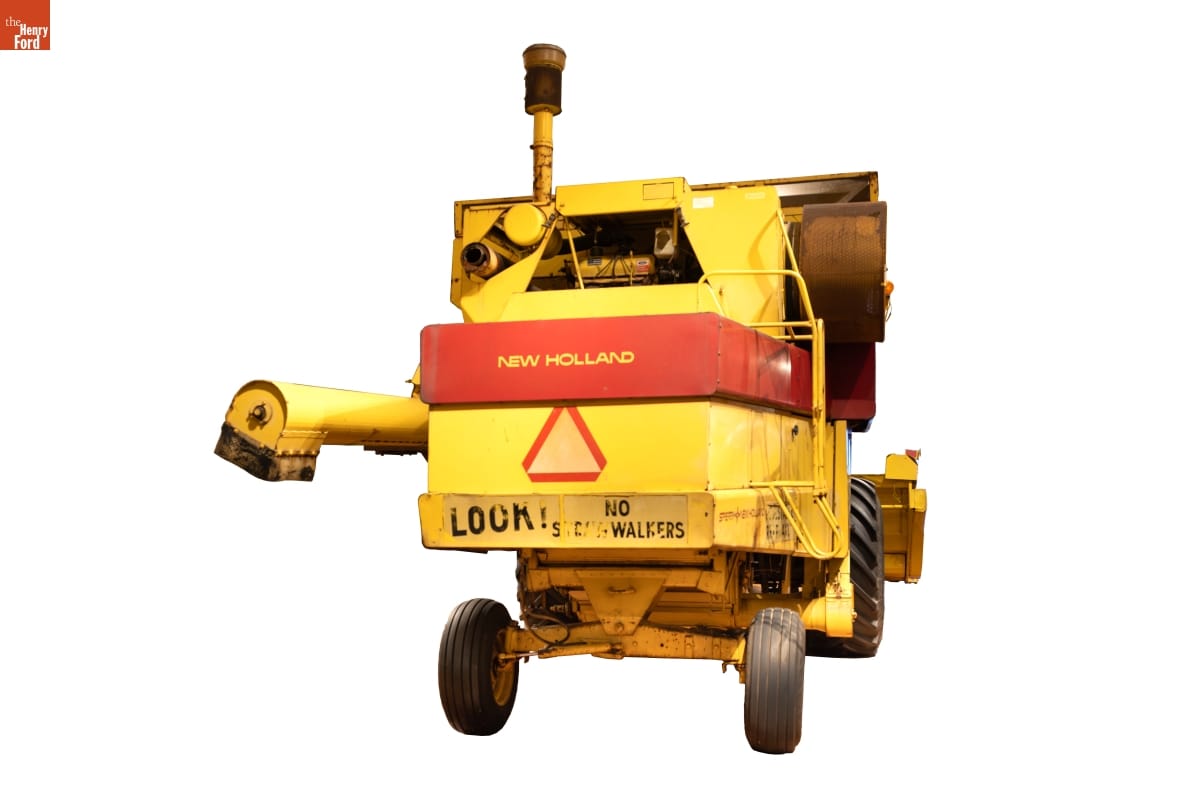 Set
SetFeatured on The Henry Ford’s Innovation Nation: Season 9
- 26 Artifacts
Engineers designed the TR70 as a compact machine suitable for hilly terrain. The twin rotors (TR) shelled corn or threshed grain and moved it through the combine's body. Setting the rotors at an angle (axial) shortened the machine. Farmers changed the front-end attachment to harvest corn, beans, or wheat. Stencils on this prototype, exhibited at trade shows, explained additional features. article
Horse Power
"Horsepower" is a term used for engines—but in the pre-industrial age, it actually referred to horses. So how much horsepower comes from a horse? The short answer is that it depends.