
Edison Tasimeter, 1878
THF169274 / Edison Tasimeter, 1878
01
Artifact Overview
This tasimeter is a heat-measuring device, invented by Thomas Edison. On July 29, 1878, Edison travelled to Wyoming as part of the "Draper Expedition" to study a total solar eclipse along its path of totality. Mounting a tasimeter to a telescope, Edison conducted experiments to measure the energy levels of the sun's corona, amplified by the eclipse.
Artifact Details
Artifact
Tasimeter
Date Made
1878
Place of Creation
Location
at Greenfield Village in Menlo Park Laboratory
Object ID
29.1980.288
Credit
From the Collections of The Henry Ford. Gift of the Edison Pioneers.
Material
Brass (Alloy)
Steel (Alloy)
Carbon
Rubber
Dimensions
Height: 4.75 in
Width: 5.813 in
Length: 5 in
Keywords |
|---|
02
Related Content
 Set
SetExploration
- 9 Artifacts
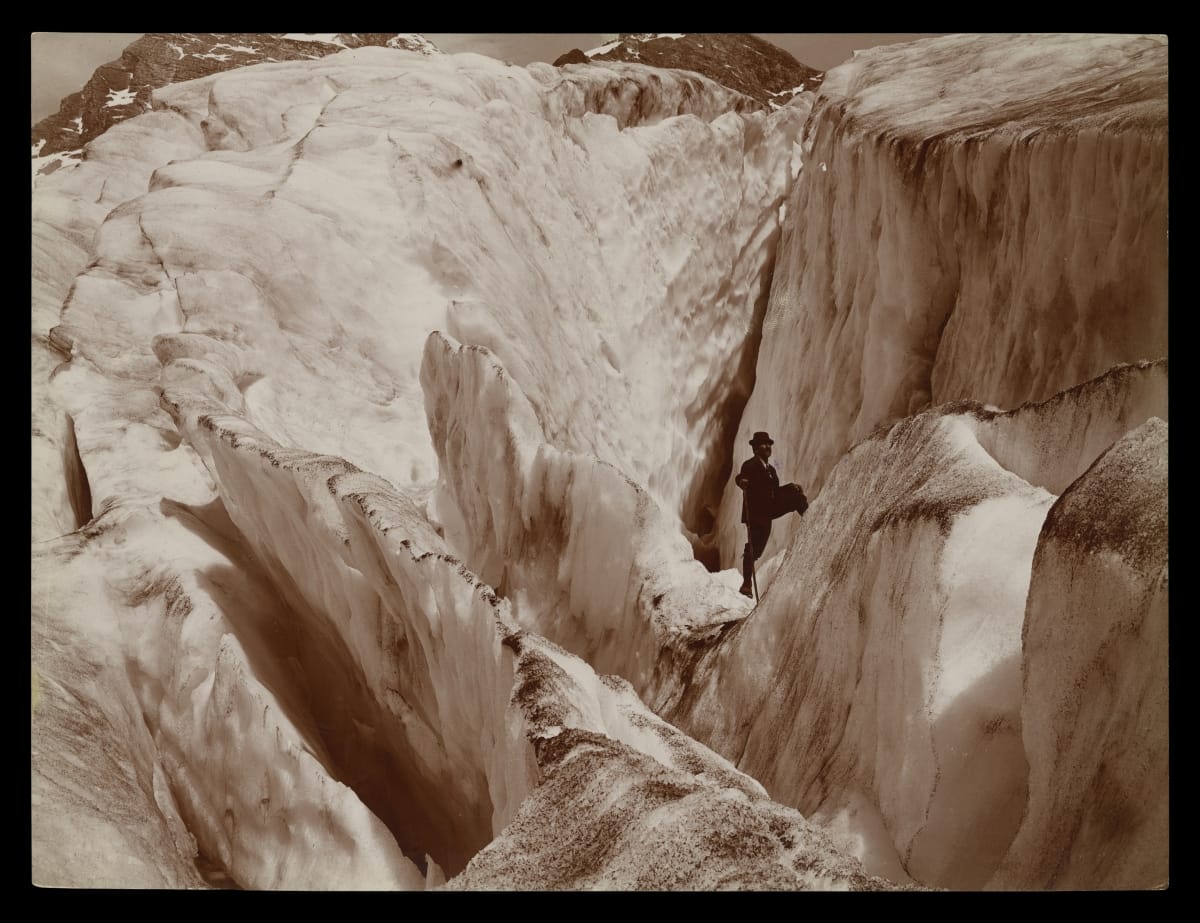
The word "exploration" may make us think of a physical journey into unknown places--but it can also mean studying, documenting, and deepening our knowledge. In this set, staff from The Henry Ford suggest favorite artifacts from our collection related to both these senses of exploration.