
Conestoga Wagon, circa 1840
THF87322 / Conestoga Wagon, circa 1840
01
Artifact Overview
Conestoga wagons first appeared in Pennsylvania's Conestoga River valley about 1750. Designed for freight, the Conestoga's curved body tended to keep the load in the center, rather than shifting it toward the rear. The Conestoga's popularity peaked in the first half of the 19th century -- before railroads replaced it for hauling agricultural products and manufactured goods.
Artifact Details
Artifact
Conestoga wagon
Date Made
circa 1840
Place of Creation
Creator Notes
Wagon attributed to the Conestoga area of Lancaster County, Pennsylvania
Location
Not on exhibit to the public.
Object ID
24.18.1
Credit
From the Collections of The Henry Ford.
Material
Cloth
Iron (Metal)
Paint (Coating)
Wood (Plant Material)
Color
Blue
Red
Dimensions
Height: 110.5 in
Width: 83.5 in
Length: 228 in
Wheelbase: 86 in
Diameter: 47 in (Wheel Diameter)
Diameter: 63 in (Wheel Diameter)
Keywords |
|---|
02
Related Content
 Set
SetFunding the Interstate Highway System
- 25 Artifacts
The 48,000-mile Interstate Highway System connects all corners of the United States with high-speed, limited-access roadways. Funding for new construction and ongoing maintenance comes from taxes on vehicles, tires, and -- mostly -- fuel. But as cars get more efficient and drivers shift to hybrids and electrics, gas tax revenues get smaller. Highway funds shrink as the costs of caring for an aging system grow.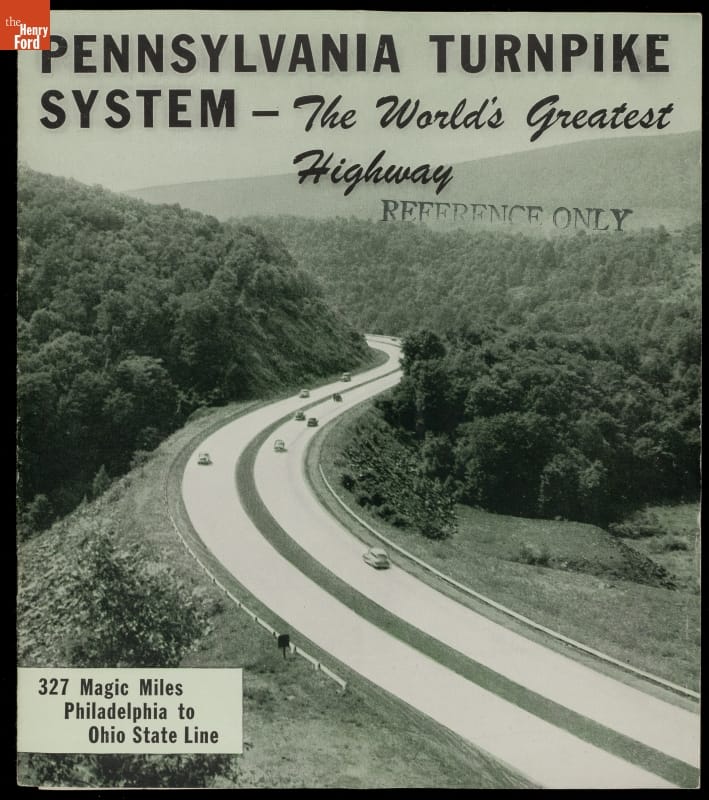 Set
SetThe Pennsylvania Turnpike
- 21 Artifacts
Opened in 1940, the Pennsylvania Turnpike was the prototype for modern limited-access American highways. Financed by user tolls, the turnpike initially ran 160 miles across the Keystone State, connecting Harrisburg with Pittsburgh. It was soon extended 100 miles east to Philadelphia. Drivers appreciated the smooth pavement, gentle curves, and lack of stoplights. The turnpike became a tourist attraction in its own right.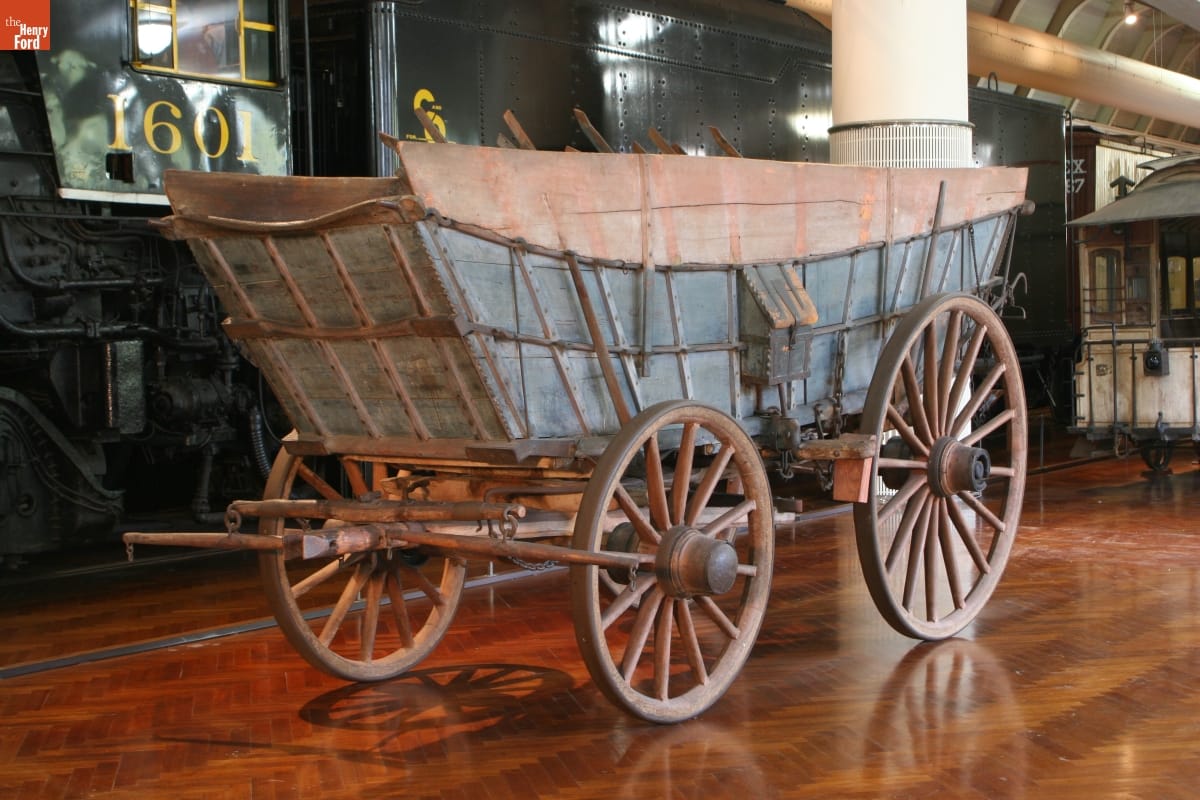 Set
SetLesson: Transportation of Goods and Consumption
- 8 Artifacts
Conestoga wagons first appeared in Pennsylvania's Conestoga River valley about 1750. Designed for freight, the Conestoga's curved body tended to keep the load in the center, rather than shifting it toward the rear. The Conestoga's popularity peaked in the first half of the 19th century -- before railroads replaced it for hauling agricultural products and manufactured goods.