
What We Wore: Movie Costumes
| Written by | |
|---|---|
| Published | 10/23/2025 |
What We Wore: Movie Costumes
| Written by | |
|---|---|
| Published | 10/23/2025 |
Costume design is more than just providing clothes for actors in a movie. Effective costume design can reveal a character's background, personality, occupation, and even their state of mind. Each costume choice made by a designer—type and style of garment, accessories, details, materials, color—is deliberate, contributing to character development and the overall mood of the narrative.
The costumes below are from films directed by award-winning director Francis Ford Coppola. Coppola’s movies The Godfather (1972), The Godfather Part II (1974), and Apocalypse Now (1979) are often cited among the greatest films of all time.
Costumes provided by American Zoetrope
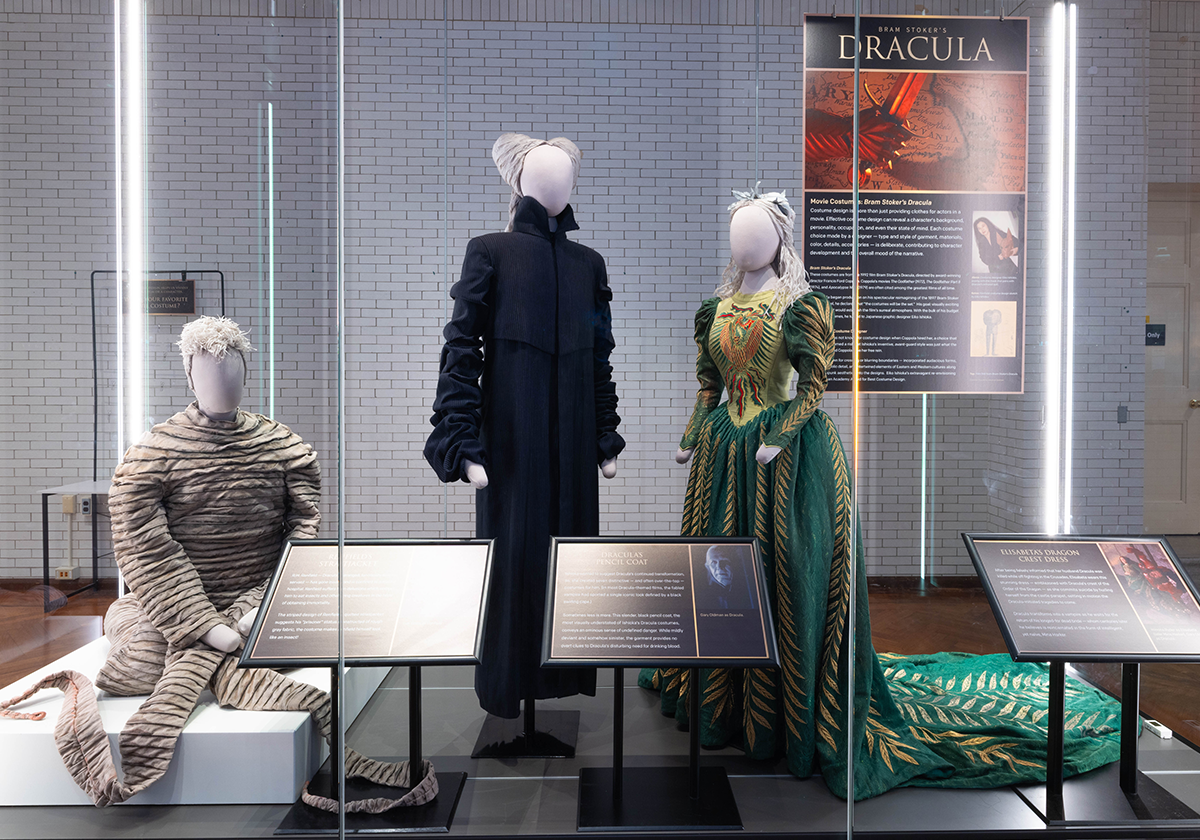
Through mid-December 2025, the What We Wore exhibit in Henry Ford Museum of American Innovation presents costumes from the film Bram Stoker’s Dracula. / THF805834
Bram Stoker’s Dracula
As Coppola began production on his spectacular reimagining of the 1897 Bram Stoker vampire novel, he declared that “the costumes will be the set.” His goal: visually exciting costumes that would establish the film’s surreal atmosphere. With the bulk of his budget slated for costumes, he turned to Japanese graphic designer Eiko Ishioka.
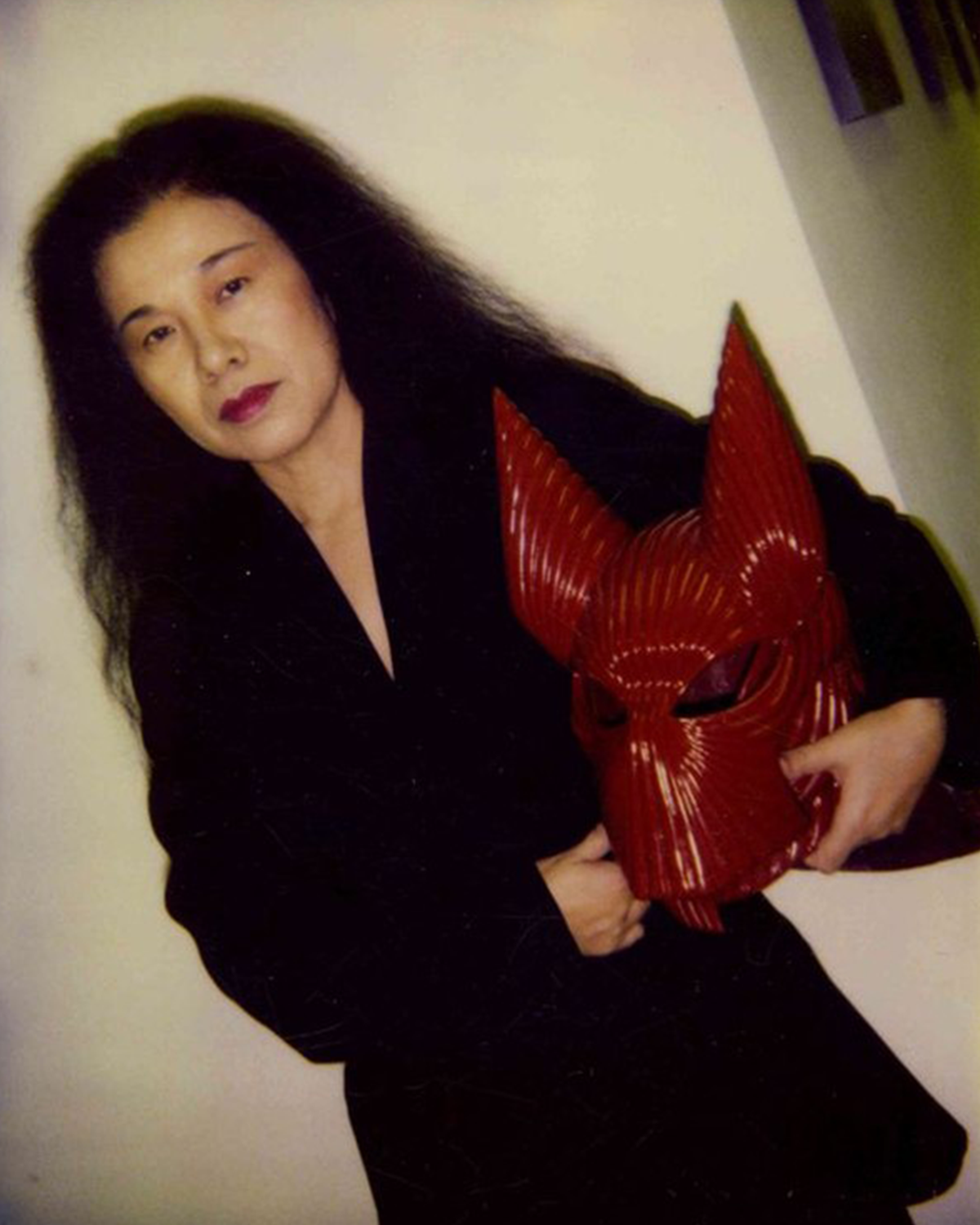
Eiko Ishioka, posing with the mask that pairs with Dracula’s armored suit.
Eiko Ishioka, Costume Designer
Eiko Ishioka was not known for costume design when Coppola hired her, a choice that might have seemed a risk. Yet Ishioka’s inventive, avant-guarde style was just what the film needed. And Coppola gave her free rein.
Ishioka—known for crossing or blurring boundaries—incorporated audacious forms, infused symbolic detail, and intertwined elements of Eastern and Western cultures along with steampunk aesthetics into the designs. Ishioka’s extravagant re-envisioning earned her an Academy Award for Best Costume Design.
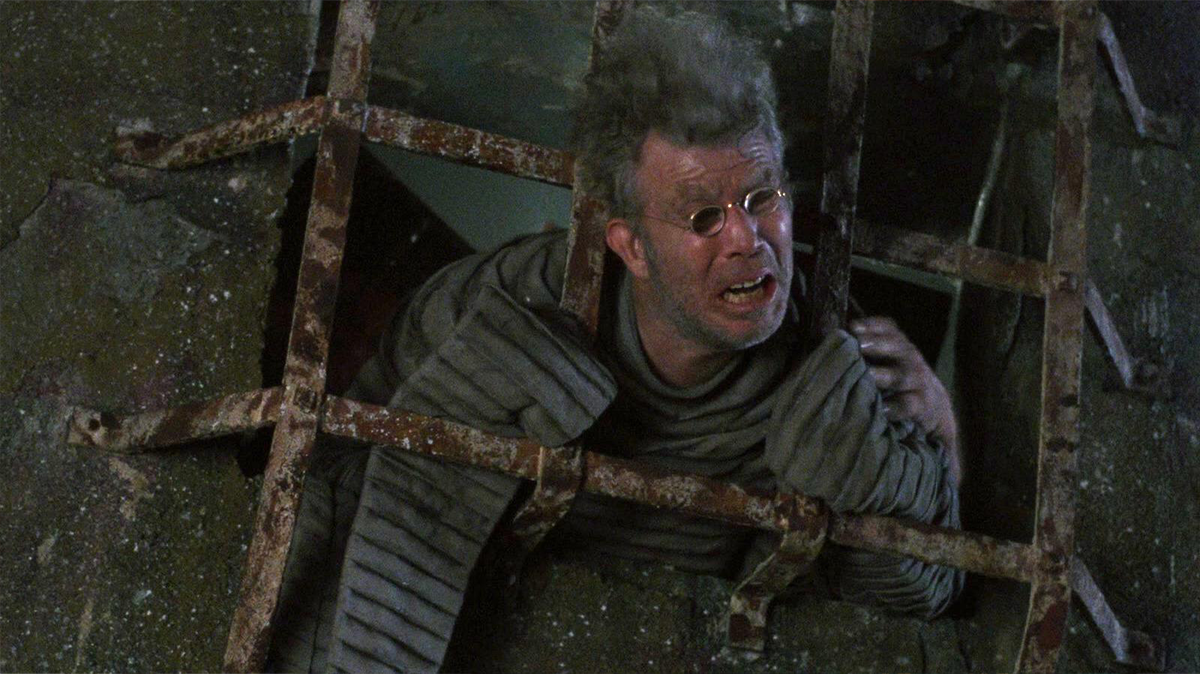
Tom Waits as Renfield in Francis Ford Coppola’s 1992 film, Bram Stoker’s Dracula. / Image by Columbia Pictures.
Renfield
R.M. Renfield—Dracula’s deranged, fanatically devoted servant—has gone insane and is confined to a mental hospital. Renfield suffers from delusions that compel him to eat insects and other living creatures in the hope of obtaining immortality.
The striped design of Renfield’s quilted straitjacket suggests his “prisoner” status. Constructed of rough gray fabric, the costume makes Renfield himself look like an insect!
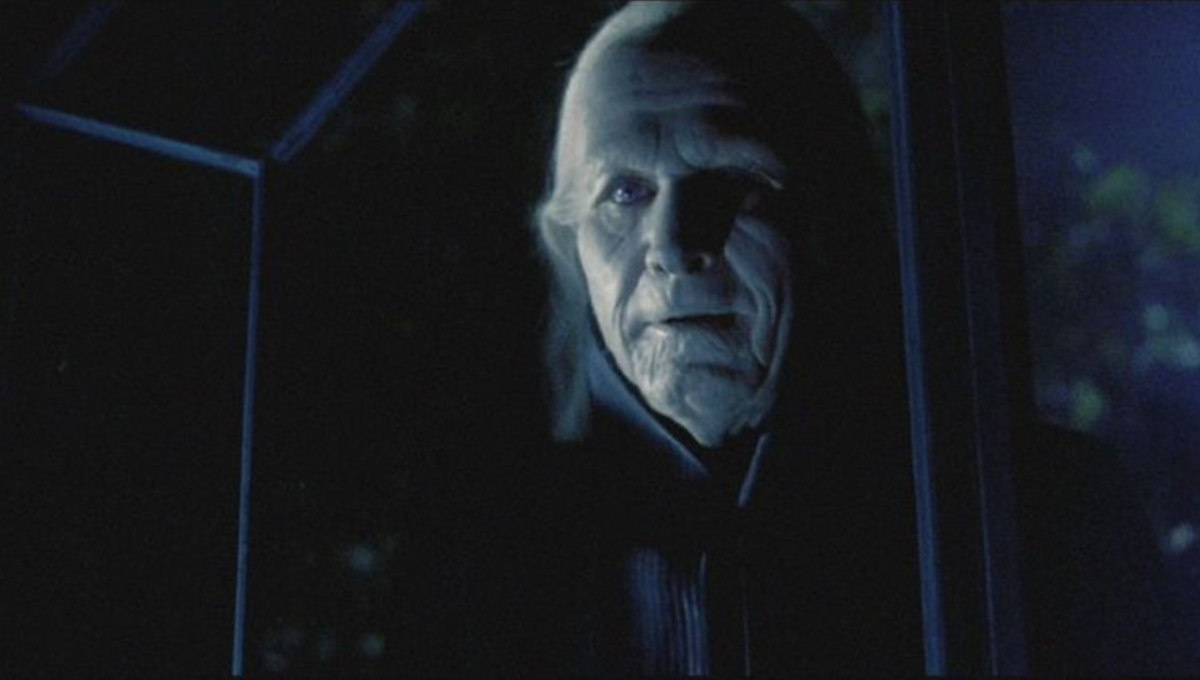
Gary Oldman as Dracula in Francis Ford Coppola’s 1992 film, Bram Stoker’s Dracula. / Image by Columbia Pictures.
Dracula
Ishioka wanted to suggest Dracula’s continued transformation, so she created seven distinctive—and often over-the-top—costumes for him. (In most Dracula-themed films, the fabled vampire had sported a single iconic look defined by a black swirling cape.)
Sometimes less is more. The slender, black pencil coat (shown above), the most visually understated of Ishioka’s Dracula costumes, conveys an ominous sense of undefined danger. While mildly deviant and somehow sinister, the garment provides no overt clues to Dracula’s disturbing need for drinking blood.
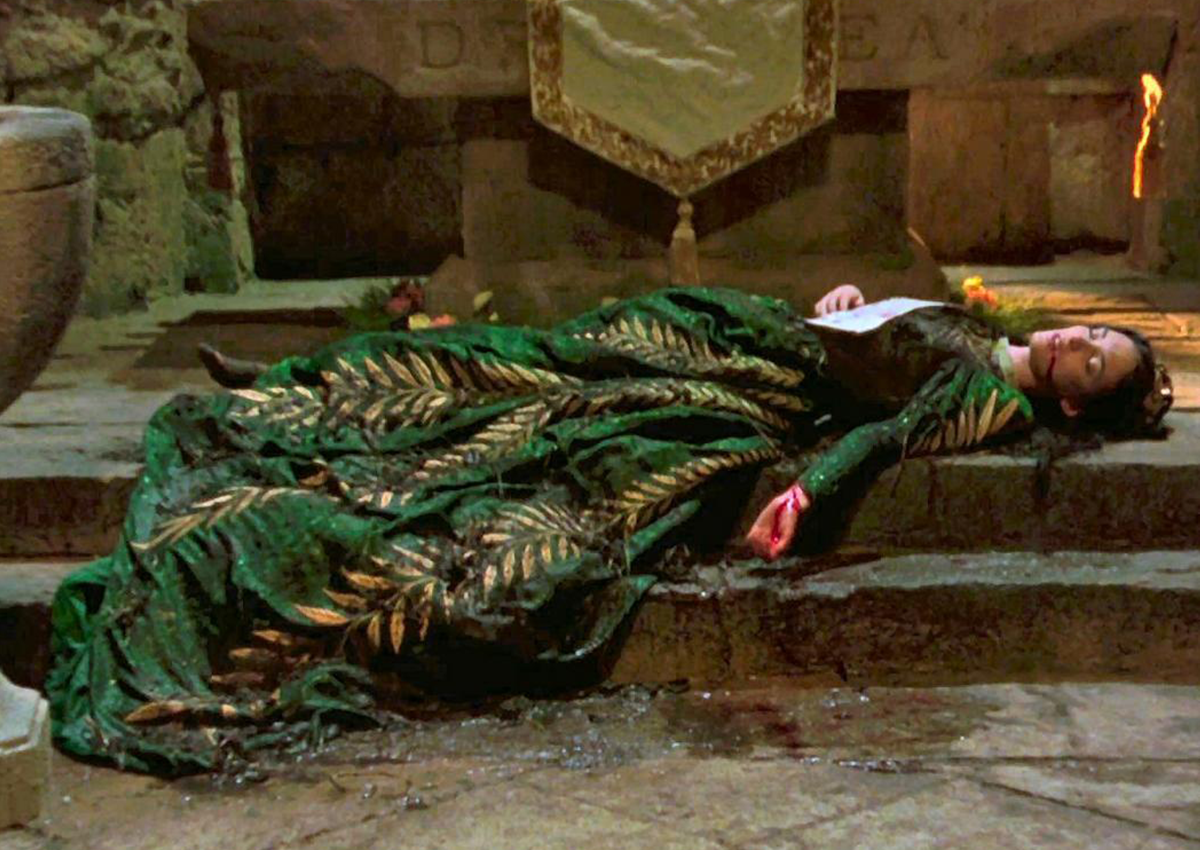
Winona Ryder as Elisabeta (later Mina Harker) in Francis Ford Coppola’s film, Bram Stoker’s Dracula. / Image by Columbia Pictures.
Elisabeta
After being falsely informed that her husband Dracula was killed while off fighting in the Crusades, Elisabeta wears this stunning dress—emblazoned with Dracula’s crest of the Order of the Dragon—as she commits suicide by hurling herself from the castle parapet, setting in motion the Dracula-initiated tragedies to come.
Dracula transforms into a vampire as he waits for the return of his longed-for dead bride—who centuries later he believes is reincarnated in the form of intelligent, yet naïve, Mina Harker.
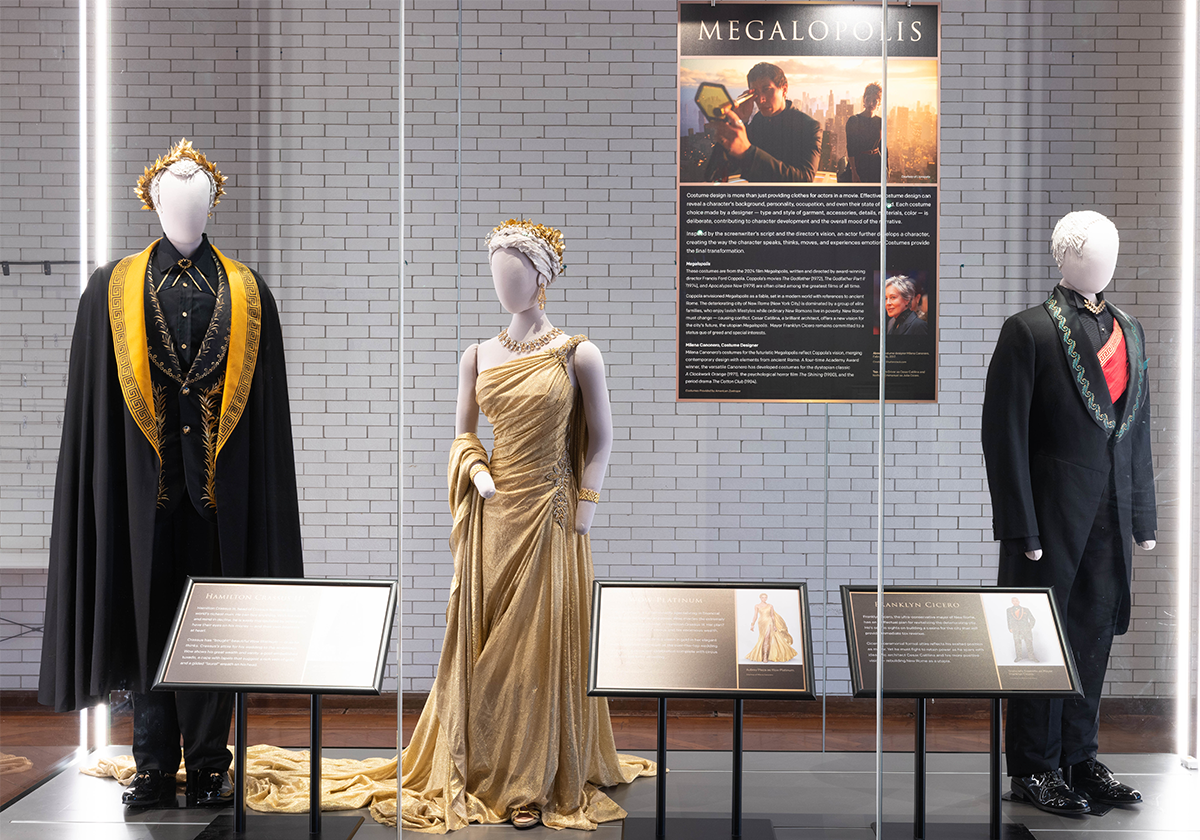
Earlier this year, the What We Wore exhibit in Henry Ford Museum of American Innovation presented costumes from the film Megalopolis. / Image by Staff of The Henry Ford.
Megalopolis
Coppola envisioned Megalopolis as a fable, set in a modern world with references to ancient Rome. The deteriorating city of New Rome (New York City) is dominated by a group of elite families, who enjoy lavish lifestyles while ordinary New Romans live in poverty. New Rome must change—causing conflict. Cesar Catilina, a brilliant architect, offers a new vision for the city’s future, the utopian Megalopolis. Mayor Franklyn Cicero remains committed to a status quo of greed and special interests.

Milena Canonero. Image courtesy of Cineberg/Shutterstock.com
Milena Canonero, Costume Designer
Milena Canonero’s costumes for the futuristic Megalopolis reflect Coppola’s vision, merging contemporary design with elements from ancient Rome. A four-time Academy Award winner, the versatile Canonero has developed costumes for the dystopian classic A Clockwork Orange (1971), the psychological horror film The Shining (1980), and the period drama The Cotton Club (1984).
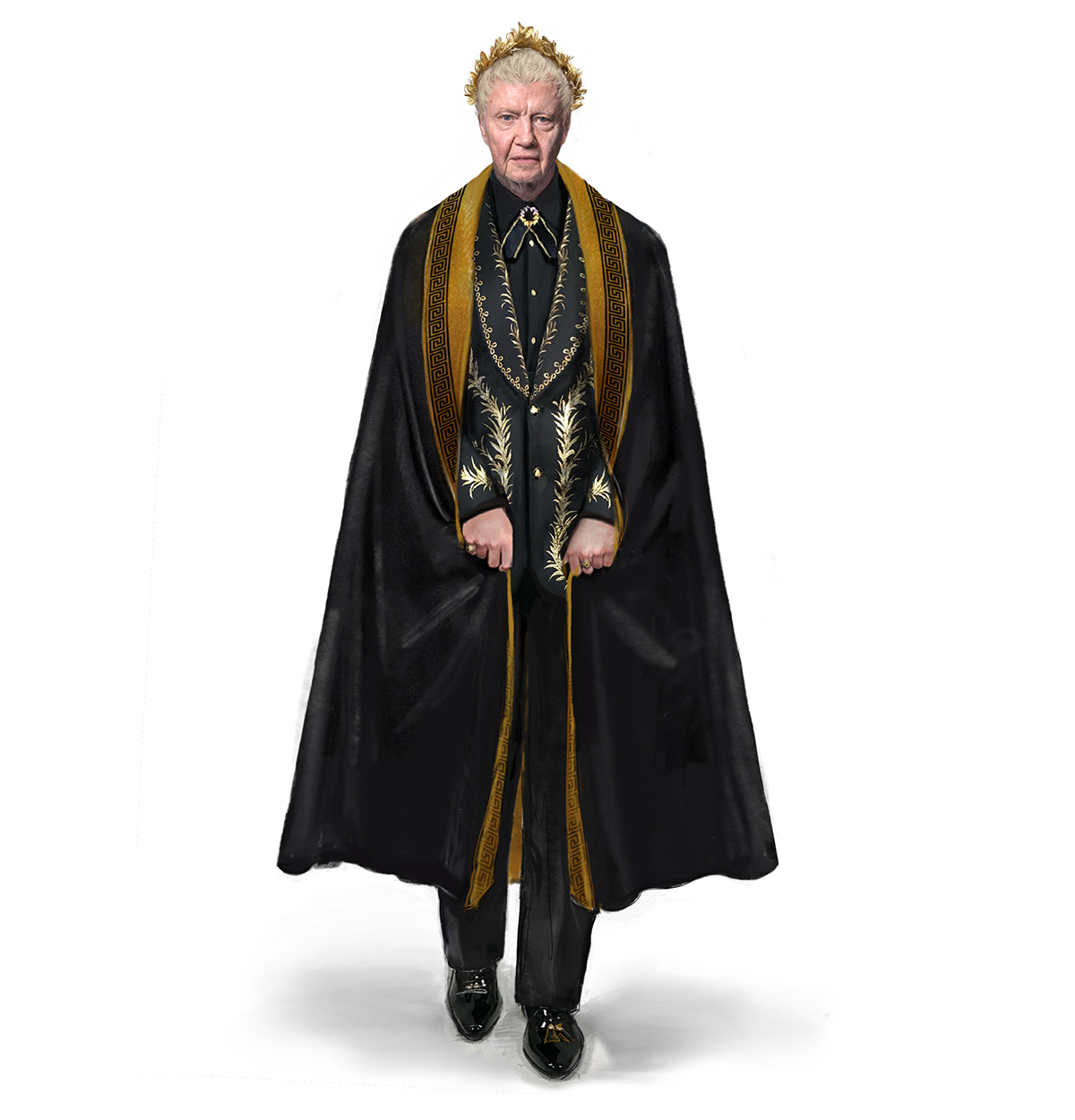
Jon Voight as Hamilton Crassus III in Francis Ford Coppola’s film, Megalopolis (2024). / Image courtesy of Milena Canonero.
Hamilton Crassus III
Hamilton Crassus III, head of Crassus National Bank, is the world’s richest man. He can buy anything. With his health and mind in decline, he is easily manipulated by others who have their eyes on his money—and their own interests at heart.
Crassus has “bought” beautiful Wow Platinum—or so he thinks. Crassus’s attire for his wedding to the ambitious Wow shows his great wealth and vanity: a gold-embroidered tuxedo, a cape with lapels that suggest a rich vein of gold, and a gilded “laurel” wreath on his head.
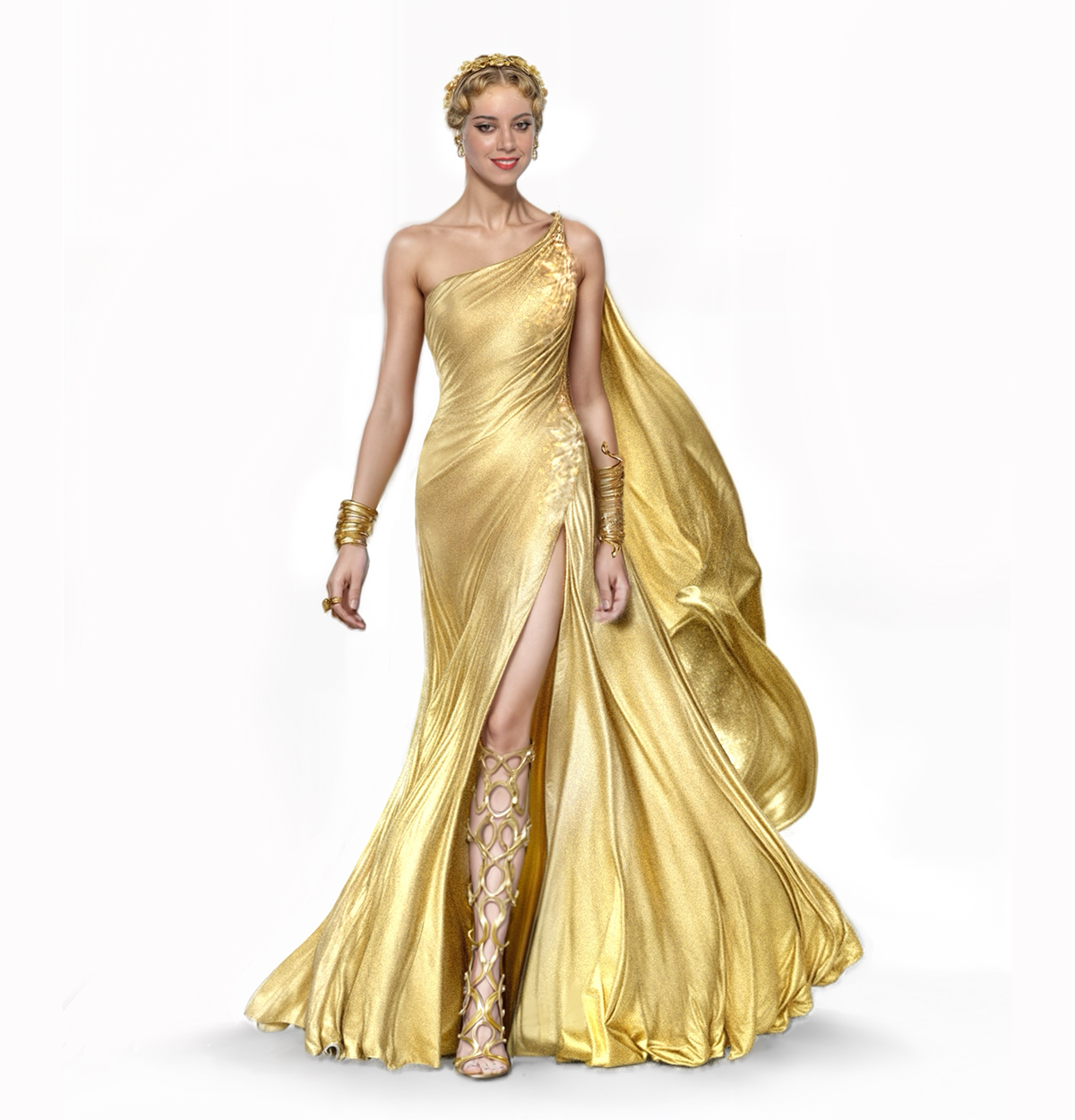
Aubrey Plaza as Wow Platinum in Francis Ford Coppola’s film, Megalopolis (2024). / Image courtesy of Milena Canonero.
Wow Platinum
Wow Platinum, a TV personality specializing in financial news, lives for money and power. Wow marries the extremely wealthy—and much older—Hamilton Crassus III. Her plan? To secure control of Crassus and his enormous wealth.
The unscrupulous Wow is a vision in gold in her elegant wedding dress and crown at the over-the-top wedding reception, a decadent celebration complete with circus acts and gladiator wrestling.
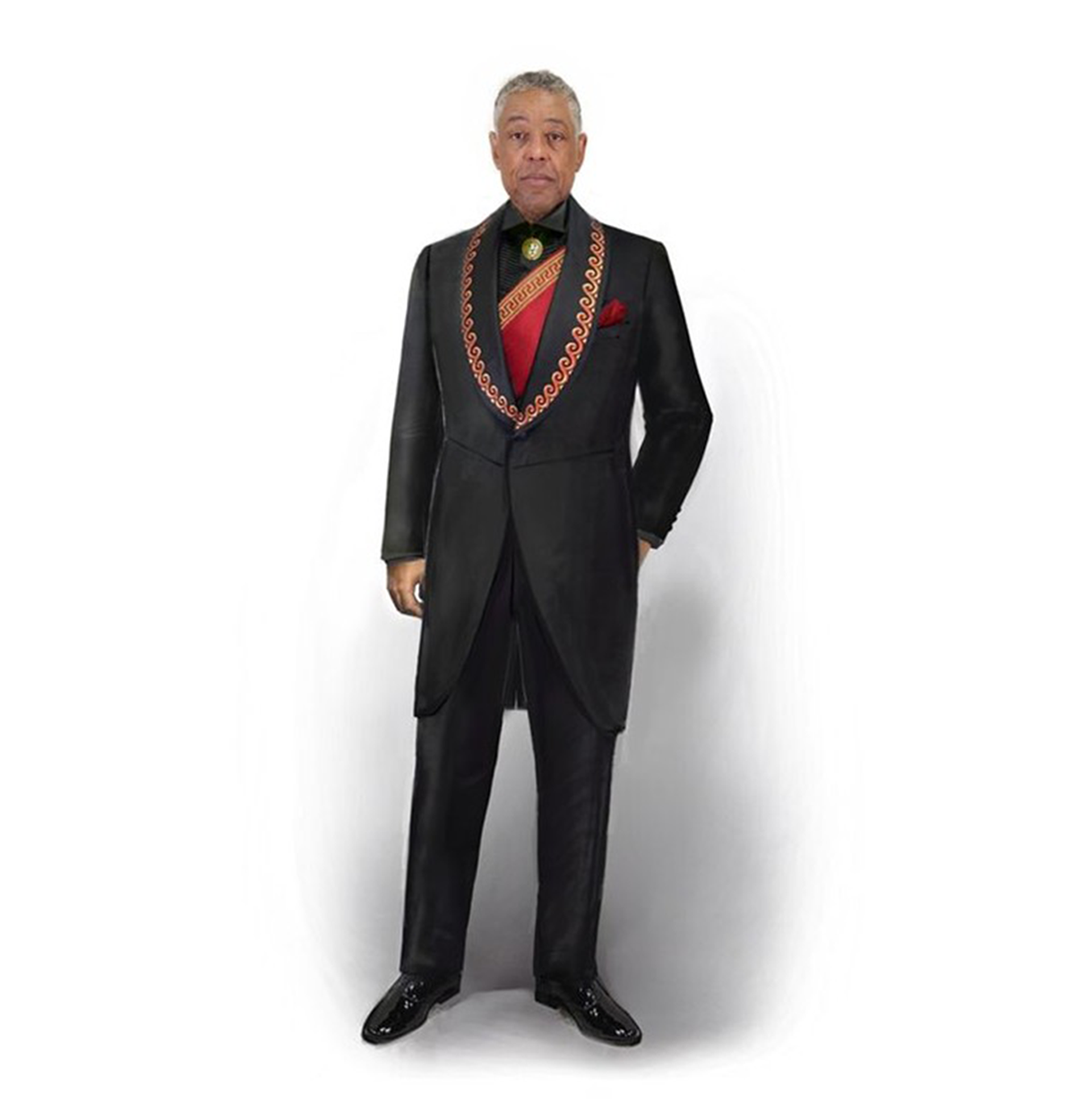
Giancarlo Esposito as Mayor Franklyn Cicero in Francis Ford Coppola’s film, Megalopolis (2024). / Image courtesy of Milena Canonero.
Franklyn Cicero
Franklyn Cicero, the ultra-conservative mayor of New Rome, has an ineffectual plan for revitalizing the deteriorating city. He’s set his sights on building a casino for the city that will provide immediate tax revenue.
Cicero’s ceremonial formal attire reflects his exalted position as mayor. Yet he must fight to retain power as he spars with idealistic architect Cesar Catilina and his more positive vision—rebuilding New Rome as a utopia.
Jeanine Head Miller is Curator of Domestic Life at The Henry Ford.
Keywords | |
|---|---|
Themes |