
Search
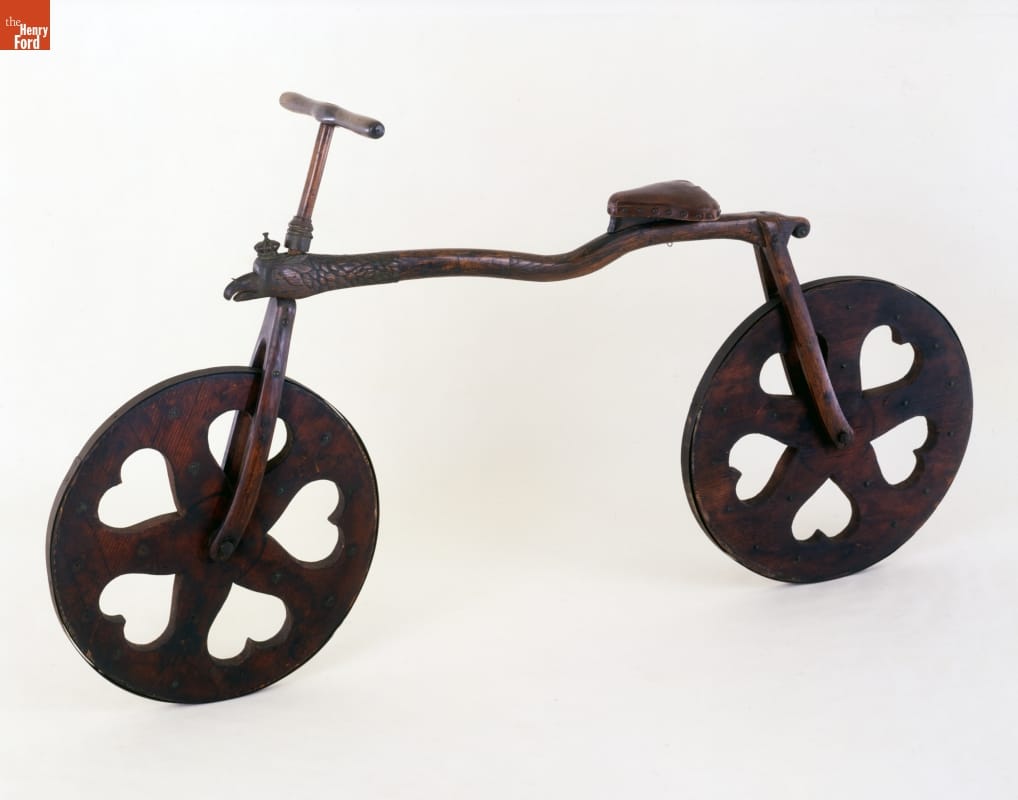
- Draisine, circa 1818 - German Karl Drais invented the draisine in 1817. Operators of this human-powered vehicle sat astride the wooden rail and pushed off with their feet. The early velocipede caught the public's attention, but its novelty soon wore off. A number of substantial improvements, made many years later, were needed before this running machine would evolve into the modern bicycle.
- circa 1818
- Collections - Artifact
Draisine, circa 1818
German Karl Drais invented the draisine in 1817. Operators of this human-powered vehicle sat astride the wooden rail and pushed off with their feet. The early velocipede caught the public's attention, but its novelty soon wore off. A number of substantial improvements, made many years later, were needed before this running machine would evolve into the modern bicycle.
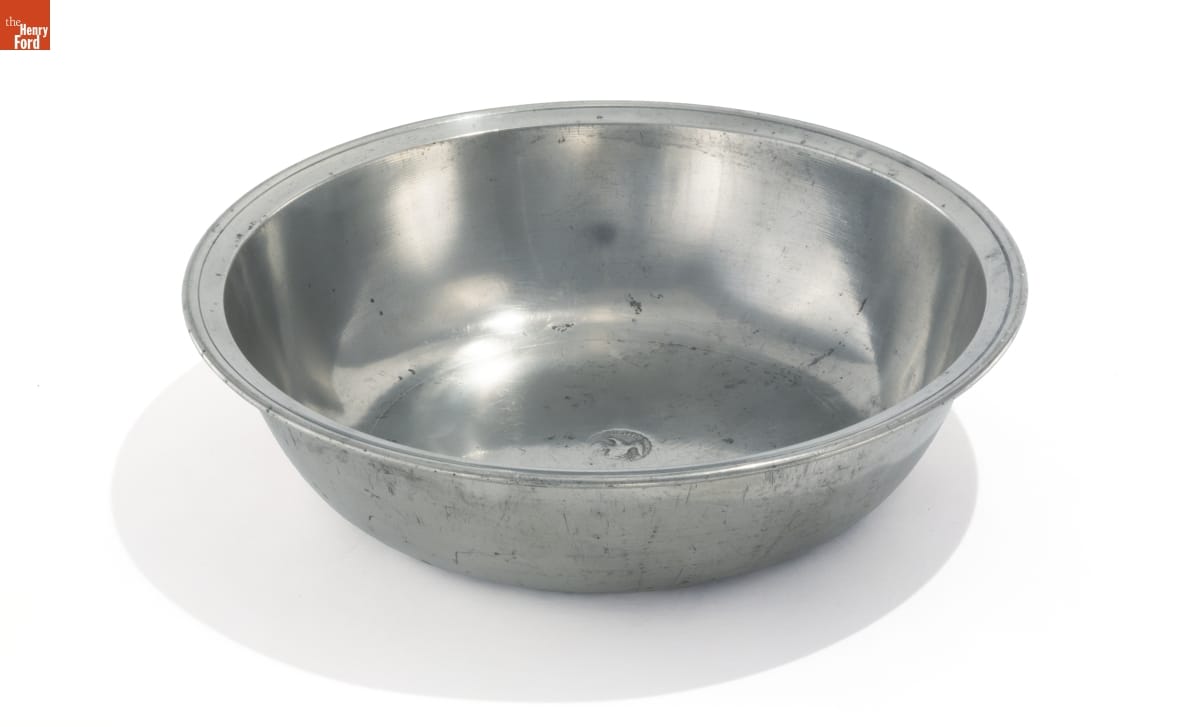
- Basin, 1817-1856 - Pewter goods could be found in many American homes and public buildings in the late 18th and early 19th centuries. Most Americans of modest means could afford to have pewter spoons, ladles, tankards, dishes, plates or other items. Basins, such as this one, generally held puddings, stews or other semi-liquid foods served at meals.
- 1817-1856
- Collections - Artifact
Basin, 1817-1856
Pewter goods could be found in many American homes and public buildings in the late 18th and early 19th centuries. Most Americans of modest means could afford to have pewter spoons, ladles, tankards, dishes, plates or other items. Basins, such as this one, generally held puddings, stews or other semi-liquid foods served at meals.
- Flagon, 1817-1856 -
- 1817-1856
- Collections - Artifact
Flagon, 1817-1856
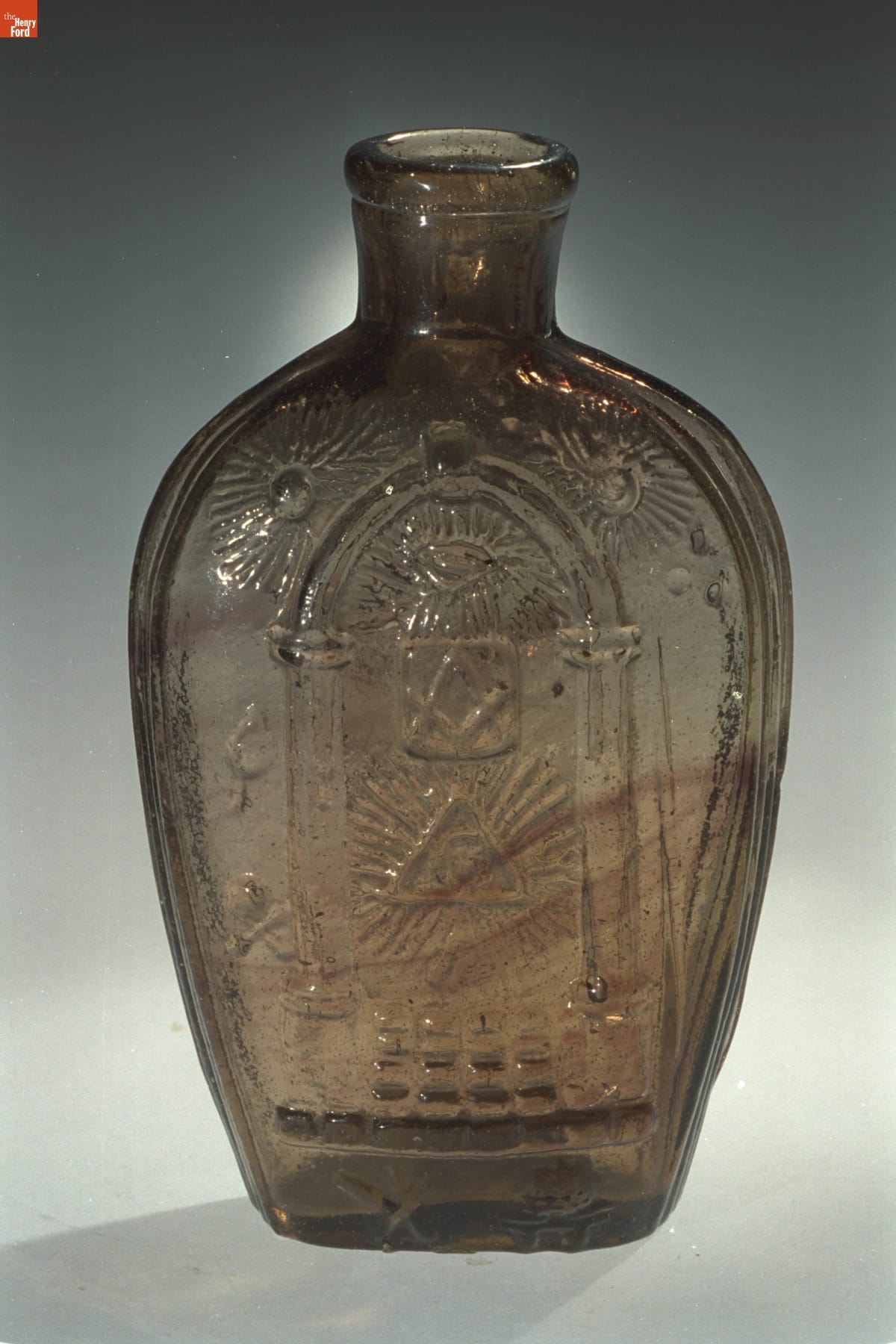
- Flask, 1815-1817 - Glass factories in America began producing inexpensive, mold-formed flasks in the early 1800s. These figured flasks, often decorated with symbols of national pride or political or cultural affiliation, appealed to America's common man. Membership in the Freemasons grew in the early decades of the 1800s. Supporters of the Masonic order would recognize the ritualistic symbols on this and other similar flasks.
- 1815-1817
- Collections - Artifact
Flask, 1815-1817
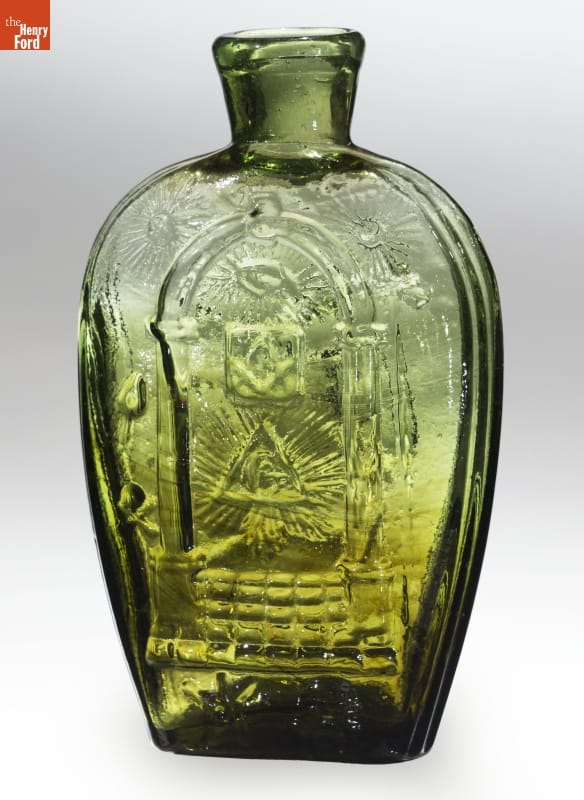
Glass factories in America began producing inexpensive, mold-formed flasks in the early 1800s. These figured flasks, often decorated with symbols of national pride or political or cultural affiliation, appealed to America's common man. Membership in the Freemasons grew in the early decades of the 1800s. Supporters of the Masonic order would recognize the ritualistic symbols on this and other similar flasks.
- Flask, 1815-1817 - Glass factories in America began producing inexpensive, mold-formed flasks in the early 1800s. These figured flasks, often decorated with symbols of national pride or political or cultural affiliation, appealed to America's common man. Membership in the Freemasons grew in the early decades of the 1800s. Supporters of the Masonic order would recognize the ritualistic symbols on this and other similar flasks.
- 1815-1817
- Collections - Artifact
Flask, 1815-1817
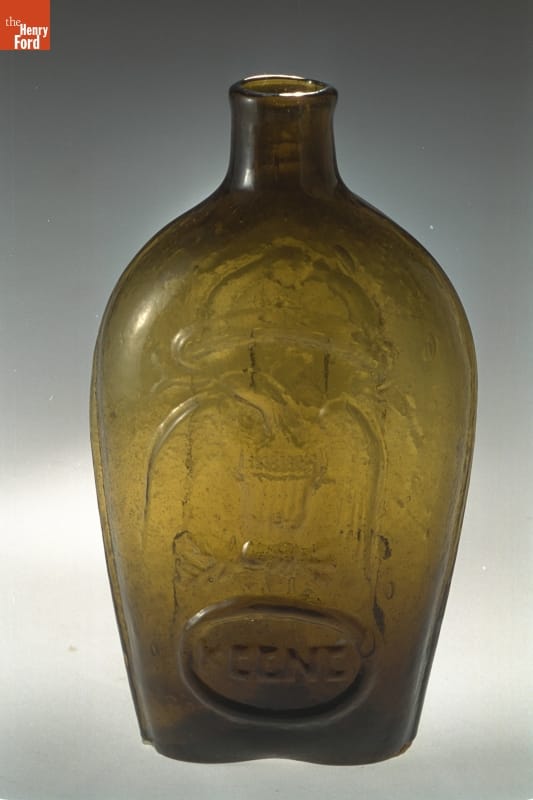
Glass factories in America began producing inexpensive, mold-formed flasks in the early 1800s. These figured flasks, often decorated with symbols of national pride or political or cultural affiliation, appealed to America's common man. Membership in the Freemasons grew in the early decades of the 1800s. Supporters of the Masonic order would recognize the ritualistic symbols on this and other similar flasks.
- Flask, 1815-1817 - Glass factories in America began producing inexpensive, mold-formed flasks in the early 1800s. These figured flasks, often decorated with symbols of national pride or political or cultural affiliation, appealed to America's common man. Membership in the Freemasons grew in the early decades of the 1800s. Supporters of the Masonic order would recognize the ritualistic symbols on this and other similar flasks.
- 1815-1817
- Collections - Artifact
Flask, 1815-1817
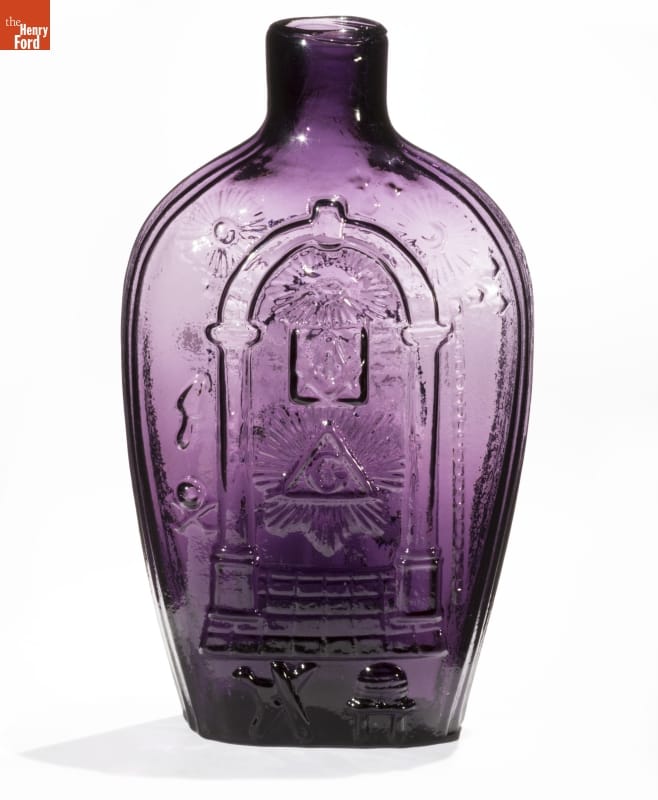
Glass factories in America began producing inexpensive, mold-formed flasks in the early 1800s. These figured flasks, often decorated with symbols of national pride or political or cultural affiliation, appealed to America's common man. Membership in the Freemasons grew in the early decades of the 1800s. Supporters of the Masonic order would recognize the ritualistic symbols on this and other similar flasks.
- Flask, 1815-1817 - Glass factories in America began producing inexpensive, mold-formed flasks in the early 1800s. These figured flasks, often decorated with symbols of national pride or political or cultural affiliation, appealed to America's common man. Membership in the Freemasons grew in the early decades of the 1800s. Supporters of the Masonic order would recognize the ritualistic symbols on this and other similar flasks.
- 1815-1817
- Collections - Artifact
Flask, 1815-1817
Glass factories in America began producing inexpensive, mold-formed flasks in the early 1800s. These figured flasks, often decorated with symbols of national pride or political or cultural affiliation, appealed to America's common man. Membership in the Freemasons grew in the early decades of the 1800s. Supporters of the Masonic order would recognize the ritualistic symbols on this and other similar flasks.
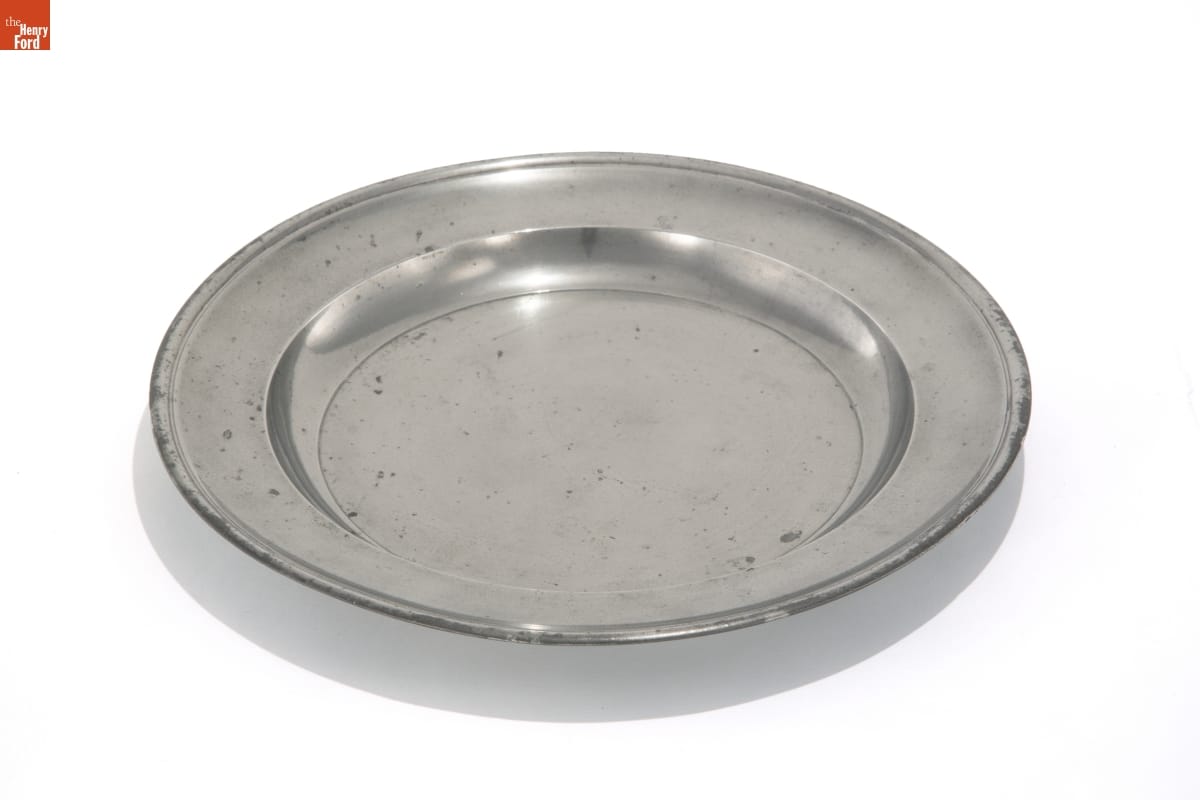
- Dish, 1817-1856 - Pewter plates, like this one, could be found in middle income American homes in the late 18th and early 19th century. The tin alloy plate could be polished and brightened to simulate silver--something many in the middle class aspired to own. Proud owners would display the plates when they were not being used.
- 1817-1856
- Collections - Artifact
Dish, 1817-1856
Pewter plates, like this one, could be found in middle income American homes in the late 18th and early 19th century. The tin alloy plate could be polished and brightened to simulate silver--something many in the middle class aspired to own. Proud owners would display the plates when they were not being used.
- Flagon, 1817-1856 -
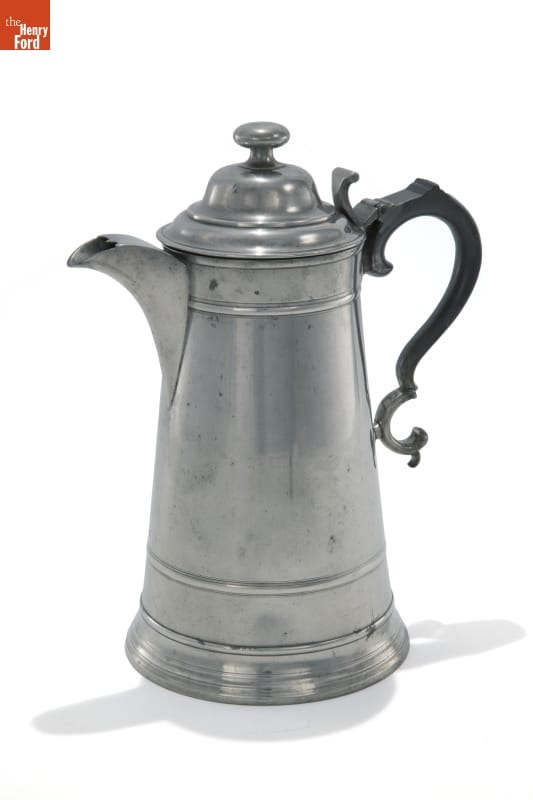
- 1817-1856
- Collections - Artifact
Flagon, 1817-1856
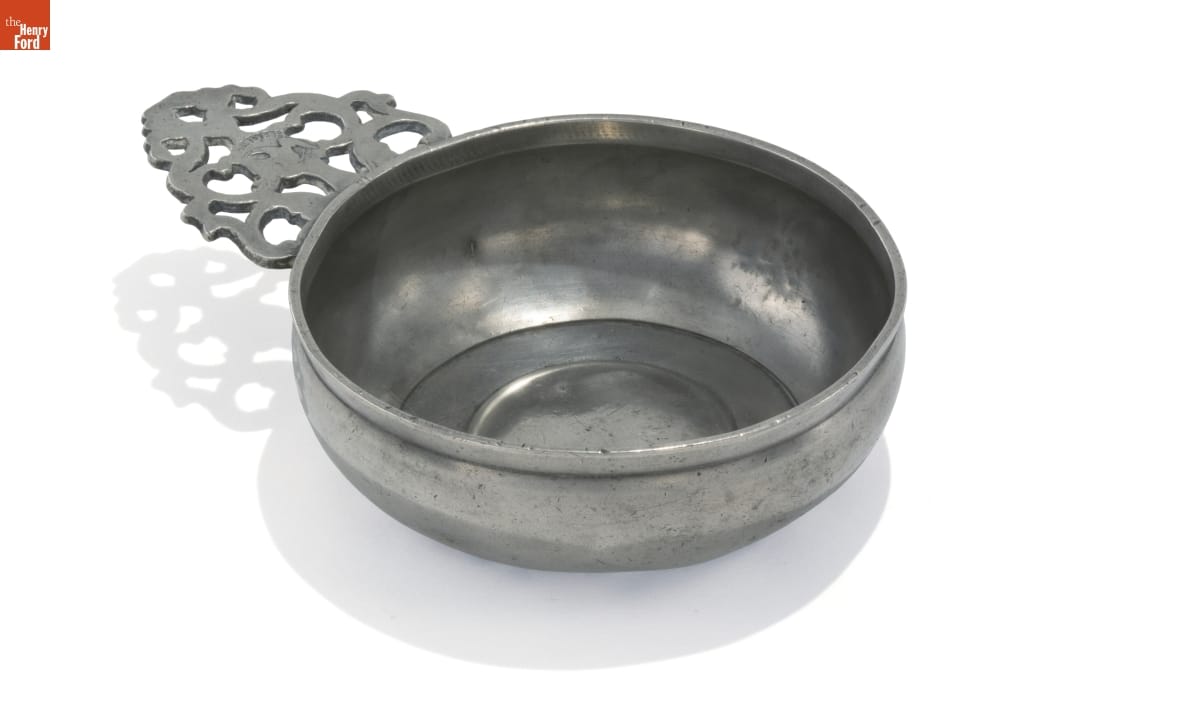
- Porringer, 1817-1856 - Porringers have many uses. They could be used to mix or serve food. People ate meals or drank wine, beer or other beverages from porringers. These small bowls have a flat decorative handle--sometimes two; and were made from silver, cast iron, pottery, or like this one, pewter. These versatile bowls served the needs of many 18th and 19th-century American households.
- 1817-1856
- Collections - Artifact
Porringer, 1817-1856
Porringers have many uses. They could be used to mix or serve food. People ate meals or drank wine, beer or other beverages from porringers. These small bowls have a flat decorative handle--sometimes two; and were made from silver, cast iron, pottery, or like this one, pewter. These versatile bowls served the needs of many 18th and 19th-century American households.