
Search
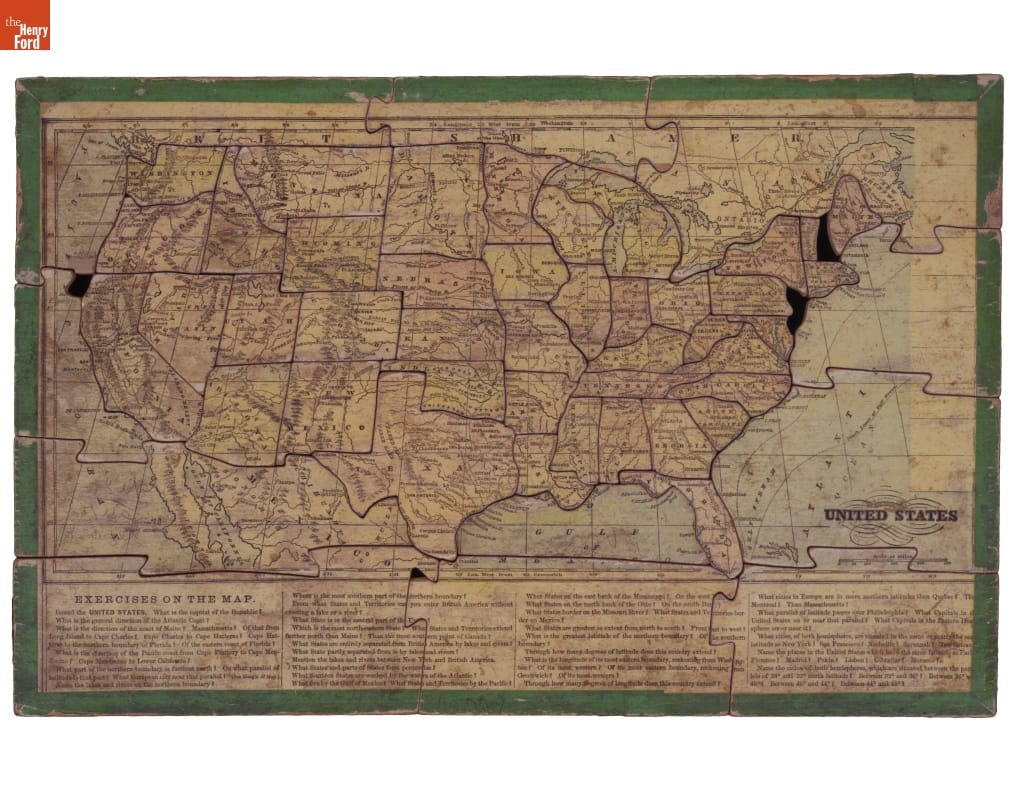
- U.S. Map Puzzle, 1880-1890 - In the late 1800s, American children could learn about the geography of the United States by correctly fitting together this puzzle's state-shaped pieces. On the reverse is a colorful advertisement for the White Sewing Machine Company -- the maker of this puzzle.
- 1880-1890
- Collections - Artifact
U.S. Map Puzzle, 1880-1890
In the late 1800s, American children could learn about the geography of the United States by correctly fitting together this puzzle's state-shaped pieces. On the reverse is a colorful advertisement for the White Sewing Machine Company -- the maker of this puzzle.
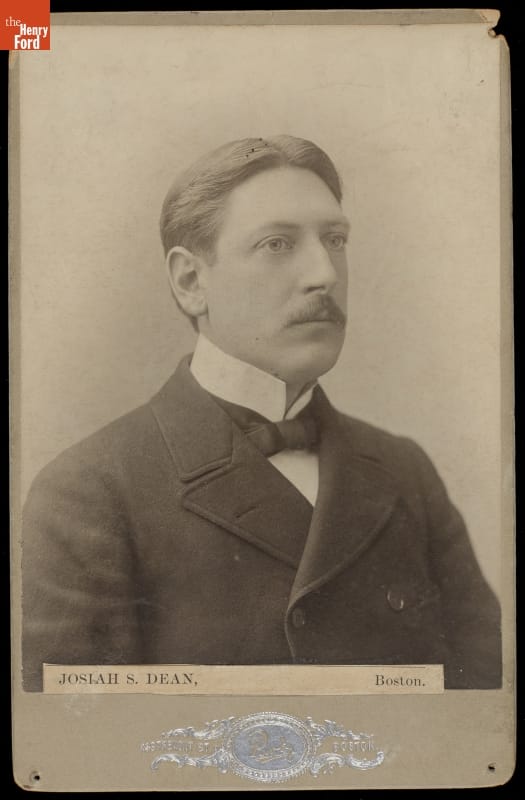
- Josiah S. Dean, Cyclist, circa 1890 - Josiah S. Dean was a Massachusetts lawyer, politician, and an active member of the Boston Bicycle Club. According to the notation on the back of this photograph Dean also was "one of the first fifty riders of the bicycle in America."
- circa 1890
- Collections - Artifact
Josiah S. Dean, Cyclist, circa 1890
Josiah S. Dean was a Massachusetts lawyer, politician, and an active member of the Boston Bicycle Club. According to the notation on the back of this photograph Dean also was "one of the first fifty riders of the bicycle in America."
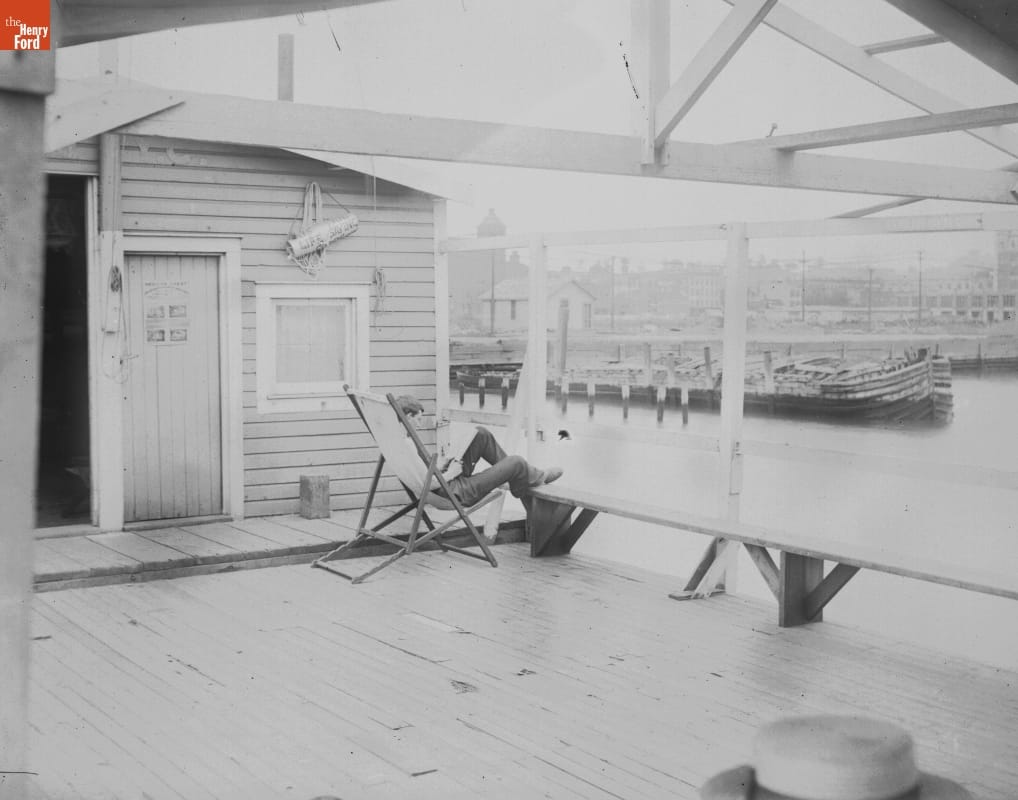
- U. S. Volunteer Lifesaving Corps, 1890-1915 - In 1890, Jenny Young Chandler, 25 years old and recently widowed, began working for the <EM>New York Herald</EM>. As a photojournalist and feature writer, Chandler captured life in Brooklyn, New York, and vicinity. By 1922, the time of her death, she had produced over 800 glass plate negatives. Her sensitive, insightful photographs depict people from all walks of life and the world in which they lived.
- 1890-1915
- Collections - Artifact
U. S. Volunteer Lifesaving Corps, 1890-1915
In 1890, Jenny Young Chandler, 25 years old and recently widowed, began working for the New York Herald. As a photojournalist and feature writer, Chandler captured life in Brooklyn, New York, and vicinity. By 1922, the time of her death, she had produced over 800 glass plate negatives. Her sensitive, insightful photographs depict people from all walks of life and the world in which they lived.
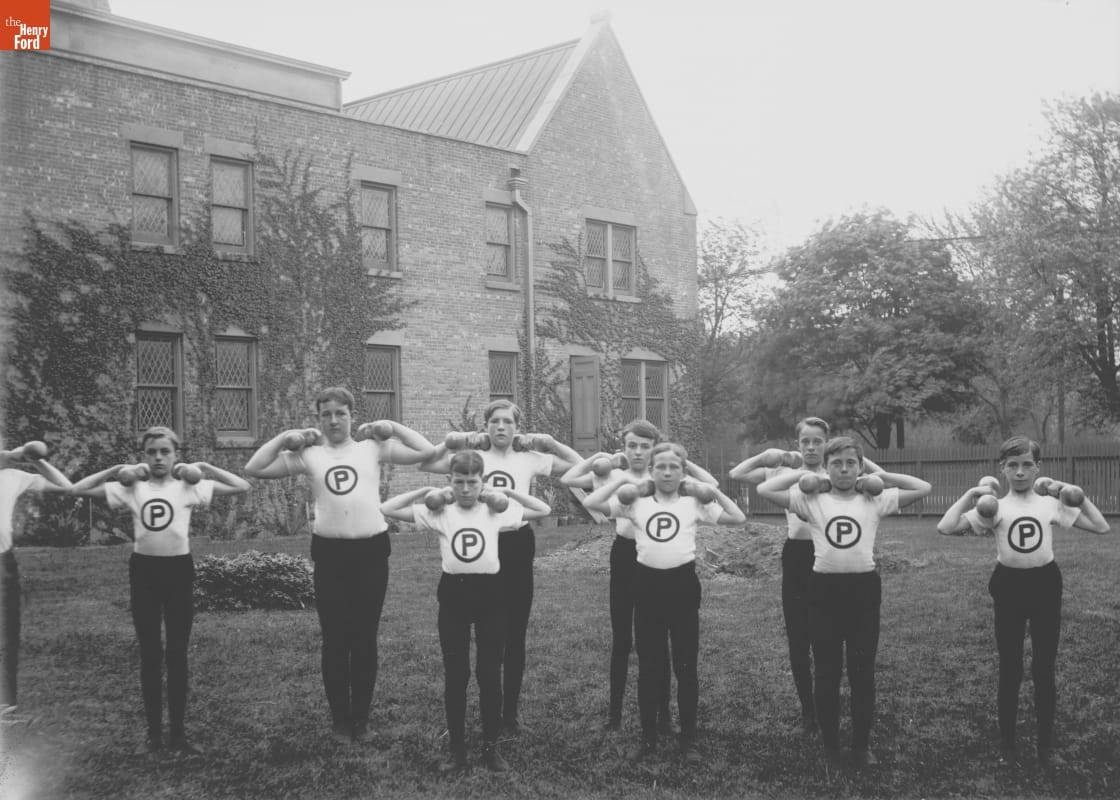
- Puritan S. S. Boys, Gym (Group No. 1 or Group No. 2), 1890-1915 - In 1890, Jenny Young Chandler, 25 years old and recently widowed, began working for the <EM>New York Herald</EM>. As a photojournalist and feature writer, Chandler captured life in Brooklyn, New York, and vicinity. By 1922, the time of her death, she had produced over 800 glass plate negatives. Her sensitive, insightful photographs depict people from all walks of life and the world in which they lived.
- 1890-1915
- Collections - Artifact
Puritan S. S. Boys, Gym (Group No. 1 or Group No. 2), 1890-1915
In 1890, Jenny Young Chandler, 25 years old and recently widowed, began working for the New York Herald. As a photojournalist and feature writer, Chandler captured life in Brooklyn, New York, and vicinity. By 1922, the time of her death, she had produced over 800 glass plate negatives. Her sensitive, insightful photographs depict people from all walks of life and the world in which they lived.
- Puritan S. S. Boys, Gym (Group No. 1 or Group No. 2), 1890-1915 - In 1890, Jenny Young Chandler, 25 years old and recently widowed, began working for the <EM>New York Herald</EM>. As a photojournalist and feature writer, Chandler captured life in Brooklyn, New York, and vicinity. By 1922, the time of her death, she had produced over 800 glass plate negatives. Her sensitive, insightful photographs depict people from all walks of life and the world in which they lived.
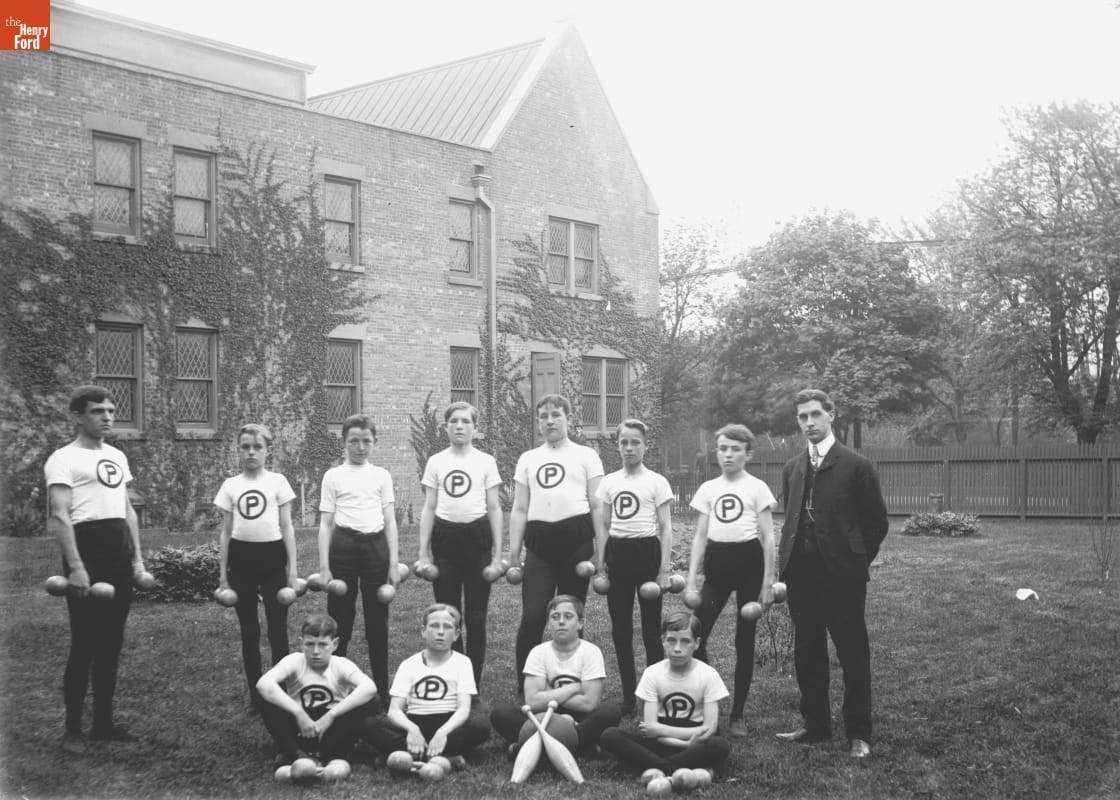
- 1890-1915
- Collections - Artifact
Puritan S. S. Boys, Gym (Group No. 1 or Group No. 2), 1890-1915
In 1890, Jenny Young Chandler, 25 years old and recently widowed, began working for the New York Herald. As a photojournalist and feature writer, Chandler captured life in Brooklyn, New York, and vicinity. By 1922, the time of her death, she had produced over 800 glass plate negatives. Her sensitive, insightful photographs depict people from all walks of life and the world in which they lived.
- Puritan S. S. Boys, Gym (Group No. 1 or Group No. 2), 1890-1915 - In 1890, Jenny Young Chandler, 25 years old and recently widowed, began working for the <EM>New York Herald</EM>. As a photojournalist and feature writer, Chandler captured life in Brooklyn, New York, and vicinity. By 1922, the time of her death, she had produced over 800 glass plate negatives. Her sensitive, insightful photographs depict people from all walks of life and the world in which they lived.
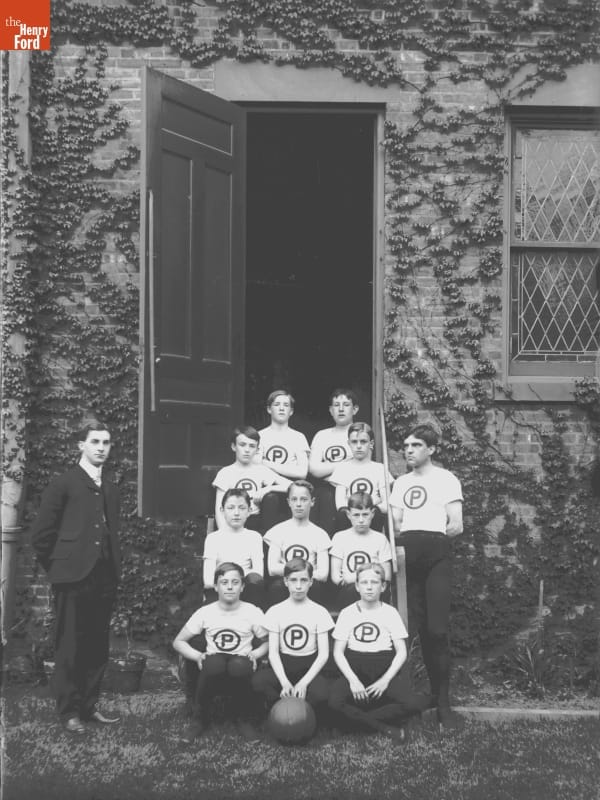
- 1890-1915
- Collections - Artifact
Puritan S. S. Boys, Gym (Group No. 1 or Group No. 2), 1890-1915
In 1890, Jenny Young Chandler, 25 years old and recently widowed, began working for the New York Herald. As a photojournalist and feature writer, Chandler captured life in Brooklyn, New York, and vicinity. By 1922, the time of her death, she had produced over 800 glass plate negatives. Her sensitive, insightful photographs depict people from all walks of life and the world in which they lived.
- Label, "S. W. Hollis & Co. Brand Raisins," 1890-1930 - Food companies sought ways to make their packaged goods stand out on store shelves from other similar products. Attractive labels, like this colorful floral design for S. W. Hollis & Company brand raisins, helped catch the attention of potential customers and encouraged them to purchase the company's product rather than that of a competitor.
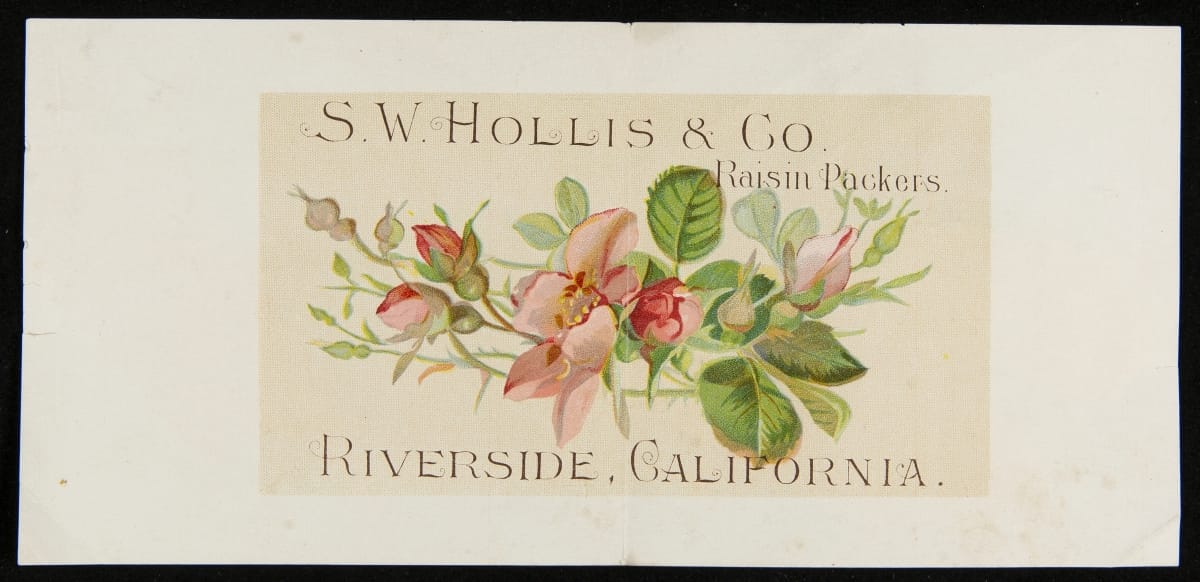
- 1890-1930
- Collections - Artifact
Label, "S. W. Hollis & Co. Brand Raisins," 1890-1930
Food companies sought ways to make their packaged goods stand out on store shelves from other similar products. Attractive labels, like this colorful floral design for S. W. Hollis & Company brand raisins, helped catch the attention of potential customers and encouraged them to purchase the company's product rather than that of a competitor.
- F. S. Hunting and C.A. Bradley Motor, circa 1890 -
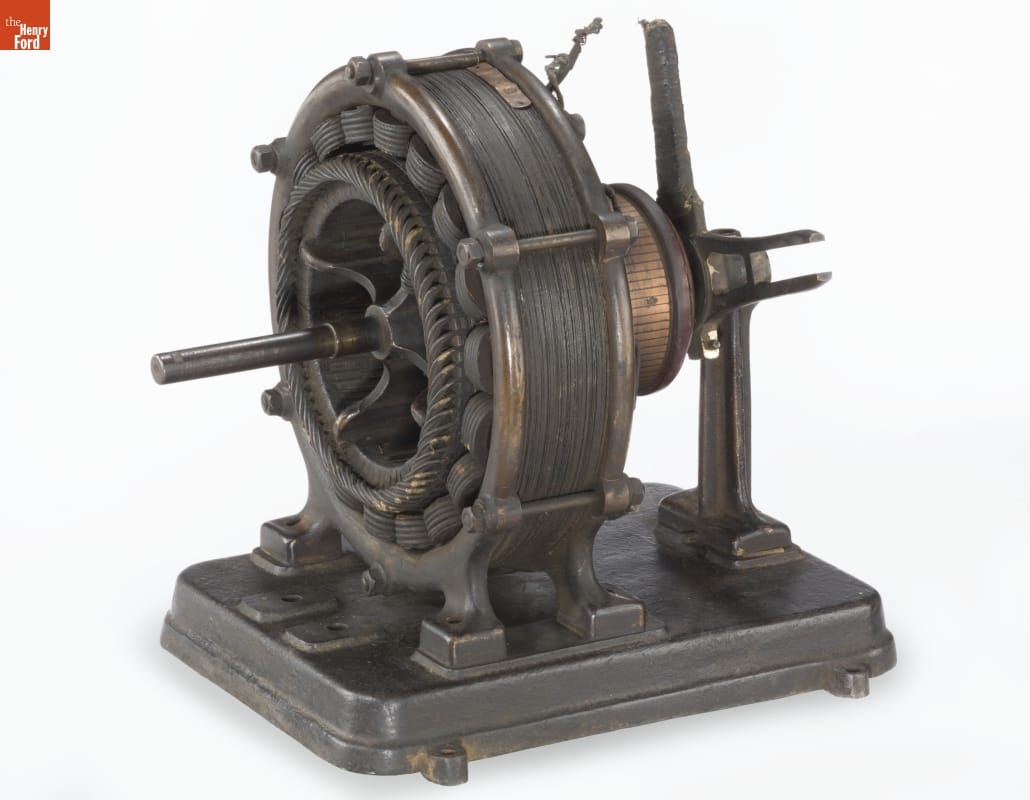
- circa 1890
- Collections - Artifact
F. S. Hunting and C.A. Bradley Motor, circa 1890
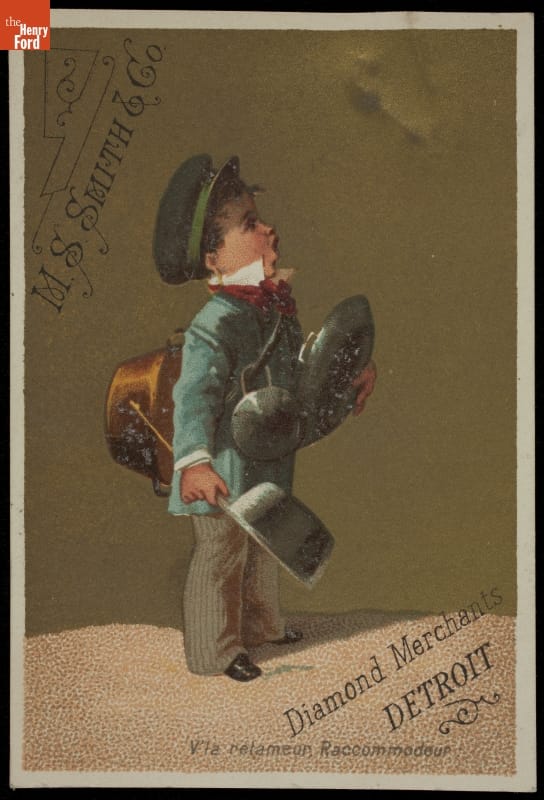
- Trade Card for M.S. Smith & Co., Jewelers, 1870-1890 - In the last third of the nineteenth century, an unprecedented variety of consumer goods and services flooded the American market. Advertisers, armed with new methods of color printing, bombarded potential customers with trade cards. Americans enjoyed and often saved the vibrant little advertisements found in product packages or distributed by local merchants. Many survive as historical records of commercialism in the United States.
- 1870-1890
- Collections - Artifact
Trade Card for M.S. Smith & Co., Jewelers, 1870-1890
In the last third of the nineteenth century, an unprecedented variety of consumer goods and services flooded the American market. Advertisers, armed with new methods of color printing, bombarded potential customers with trade cards. Americans enjoyed and often saved the vibrant little advertisements found in product packages or distributed by local merchants. Many survive as historical records of commercialism in the United States.
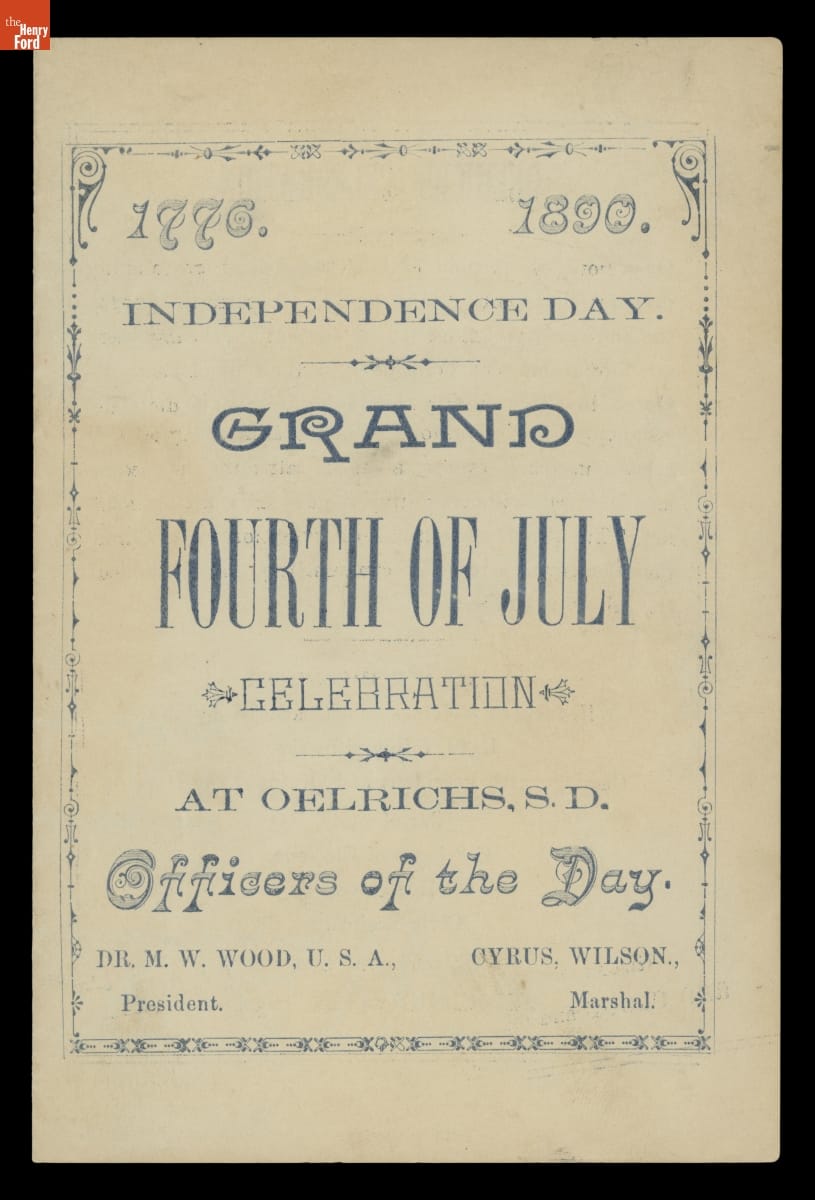
- "Independence Day Grand Fourth of July Celebration at Oelrichs, S.D.," 1890 - The citizens of Oelrichs, South Dakota, celebrated the Fourth of July in 1890 with races, a baseball game, speeches, and a celebratory ball. A morning procession featured a band, local officials, and a group of Lakota (Sioux) led by Mahpíya Lúta (Red Cloud). Mahpíya Lúta, who successfully fought against the United States in the 1860s and later advocated for peace, was also one of the featured speakers.
- 1890
- Collections - Artifact
"Independence Day Grand Fourth of July Celebration at Oelrichs, S.D.," 1890
The citizens of Oelrichs, South Dakota, celebrated the Fourth of July in 1890 with races, a baseball game, speeches, and a celebratory ball. A morning procession featured a band, local officials, and a group of Lakota (Sioux) led by Mahpíya Lúta (Red Cloud). Mahpíya Lúta, who successfully fought against the United States in the 1860s and later advocated for peace, was also one of the featured speakers.