
Search
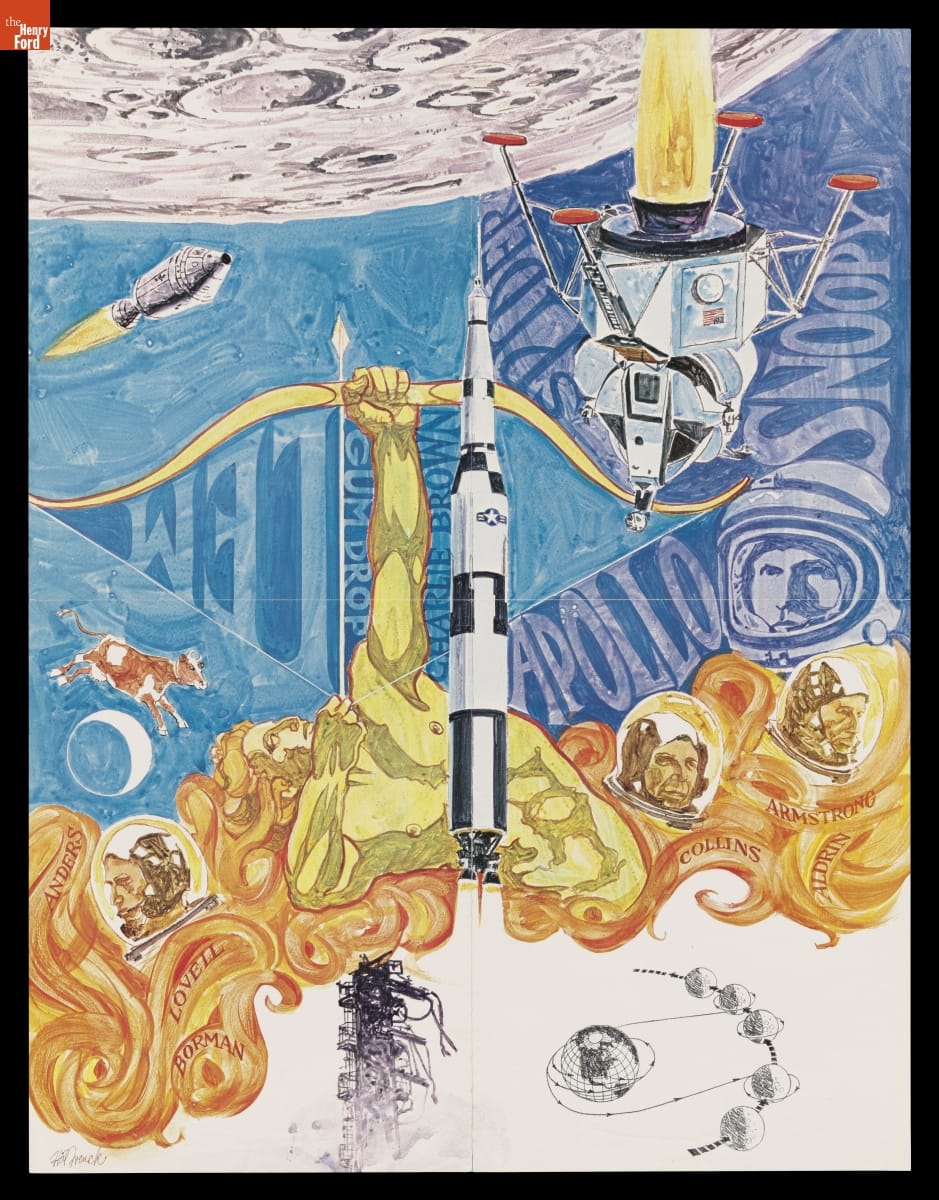
- Moon Landing Poster, 1969 - Scholastic Magazines, Inc., a well-respected educational publisher, produced this poster commemorating the Apollo Moon landing missions to accompany the documentary album "First Men on the Moon." Hal Frenck designed the poster with space imagery and the names of early Apollo astronauts and mission modules. On the back, young readers could find the album's text, which included excerpts from official NASA transcripts.
- 1969
- Collections - Artifact
Moon Landing Poster, 1969
Scholastic Magazines, Inc., a well-respected educational publisher, produced this poster commemorating the Apollo Moon landing missions to accompany the documentary album "First Men on the Moon." Hal Frenck designed the poster with space imagery and the names of early Apollo astronauts and mission modules. On the back, young readers could find the album's text, which included excerpts from official NASA transcripts.
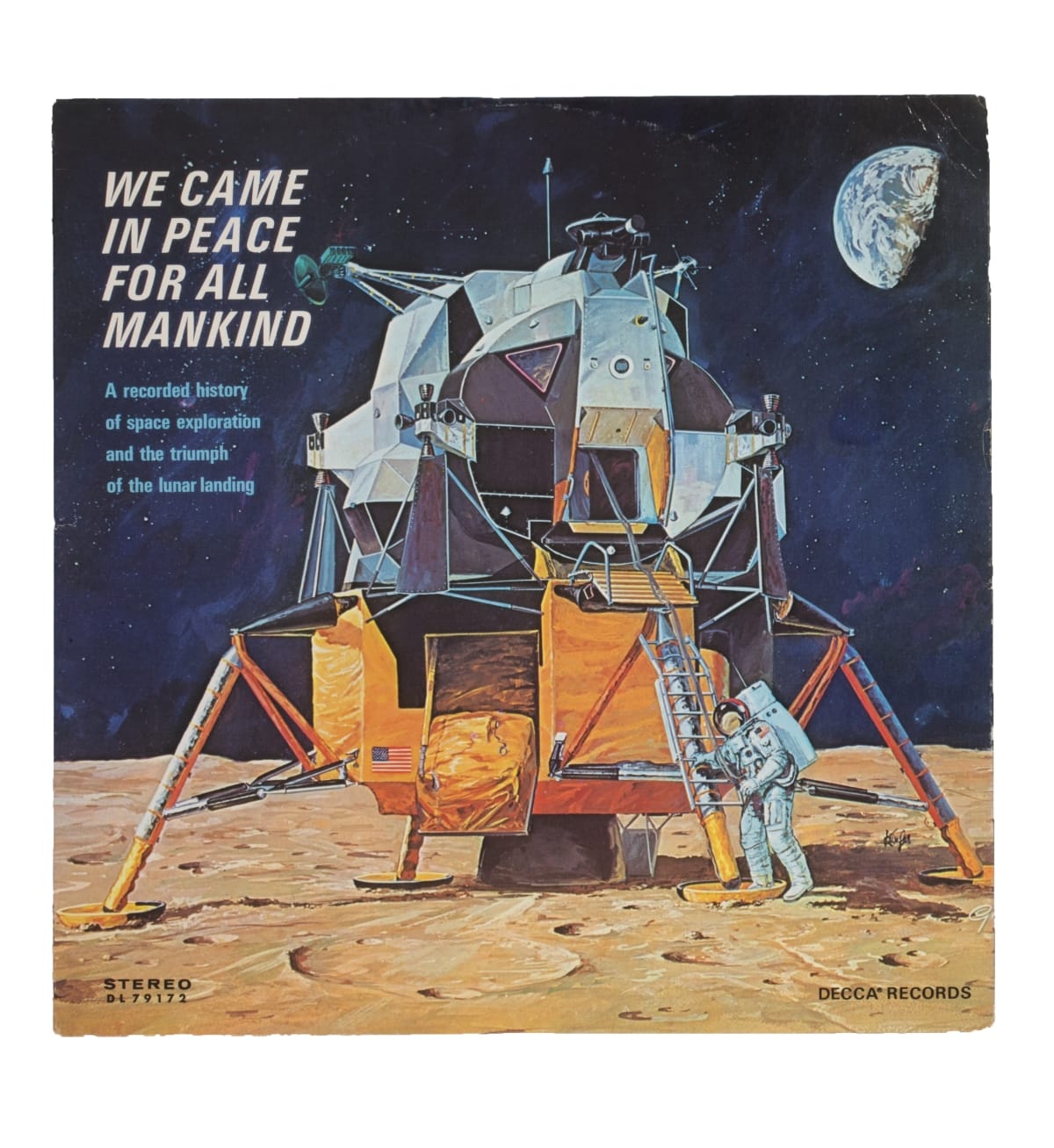
- "One Giant Leap for Mankind": Remembering the First Manned Moon Landing - Three weeks after astronaut Alan Shepard became the first American in space on May 5, 1961, President Kennedy laid out a bold vision that America should commit itself to landing a man on the moon "before the decade is out." Many missions followed until, on July 20, 1969--just six months before the end of the decade--American astronauts Neil Armstrong and Edwin A. "Buzz" Aldrin Jr. became the first humans to set foot on the moon.
- June 28, 2019
- Collections - Set
"One Giant Leap for Mankind": Remembering the First Manned Moon Landing
Three weeks after astronaut Alan Shepard became the first American in space on May 5, 1961, President Kennedy laid out a bold vision that America should commit itself to landing a man on the moon "before the decade is out." Many missions followed until, on July 20, 1969--just six months before the end of the decade--American astronauts Neil Armstrong and Edwin A. "Buzz" Aldrin Jr. became the first humans to set foot on the moon.
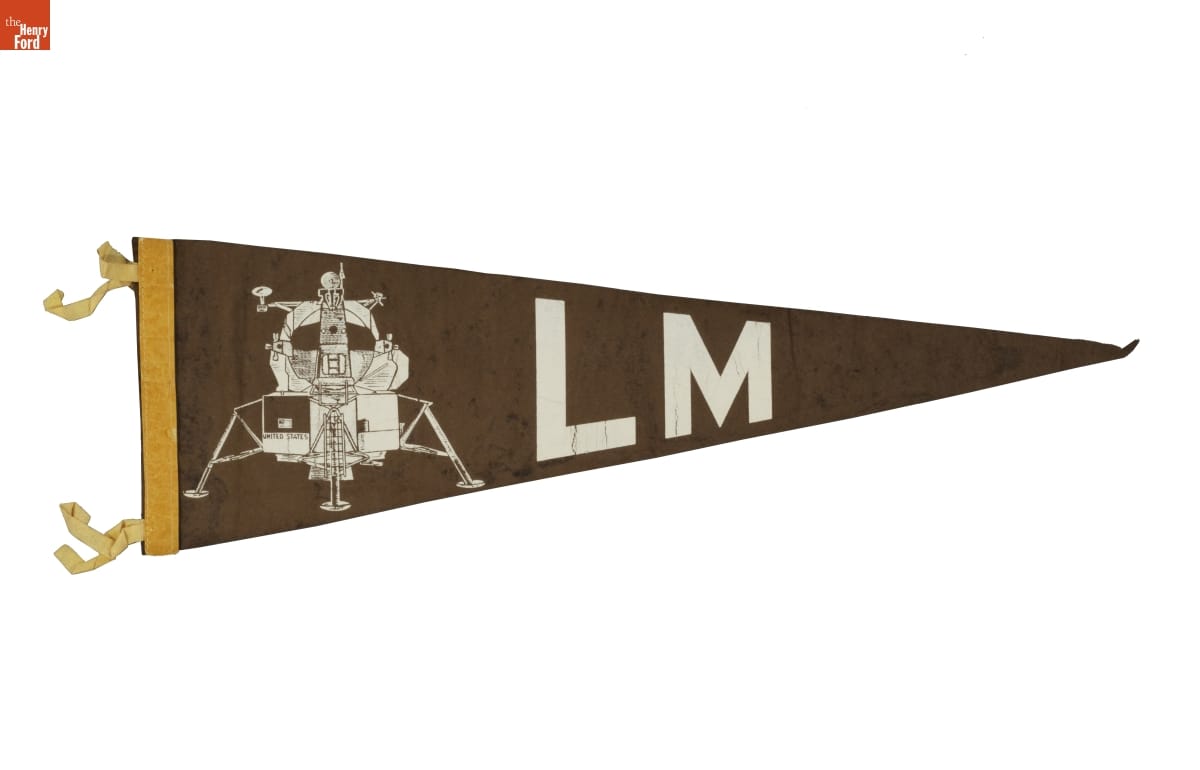
- Apollo Lunar Module "LM" Pennant, circa 1969 - The Lunar Module, or LM, depicted on this pennant allowed the Apollo astronauts to land on the Moon. The LM consisted of an ascent stage and a descent stage. Between 1969 and 1972, six Lunar Modules successfully landed and returned twelve astronauts from the lunar surface.
- circa 1969
- Collections - Artifact
Apollo Lunar Module "LM" Pennant, circa 1969
The Lunar Module, or LM, depicted on this pennant allowed the Apollo astronauts to land on the Moon. The LM consisted of an ascent stage and a descent stage. Between 1969 and 1972, six Lunar Modules successfully landed and returned twelve astronauts from the lunar surface.
- Apollo and the U.S. Space & Rocket Center - Join Matt Anderson, Curator of Transportation at The Henry Ford, as he learns more about the origins of our latest limited-engagement exhibition, “Apollo: When We Went to the Moon,” with Kay Taylor, Vice President of Education at the U.S. Space & Rocket Center®. Working with industry partner Flying Fish, the U.S. Space & Rocket Center® created “Apollo” in celebration of the 50th anniversary of the 1969 lunar landing, pulling from their vast collections and archives. During this conversation we will not only dig deeper into the exhibit’s origins and what you can expect when visiting, but we will look to the future as we ponder where the next generation of space travel will take us.

- February 24, 2022
- Collections - Video
Apollo and the U.S. Space & Rocket Center
Join Matt Anderson, Curator of Transportation at The Henry Ford, as he learns more about the origins of our latest limited-engagement exhibition, “Apollo: When We Went to the Moon,” with Kay Taylor, Vice President of Education at the U.S. Space & Rocket Center®. Working with industry partner Flying Fish, the U.S. Space & Rocket Center® created “Apollo” in celebration of the 50th anniversary of the 1969 lunar landing, pulling from their vast collections and archives. During this conversation we will not only dig deeper into the exhibit’s origins and what you can expect when visiting, but we will look to the future as we ponder where the next generation of space travel will take us.
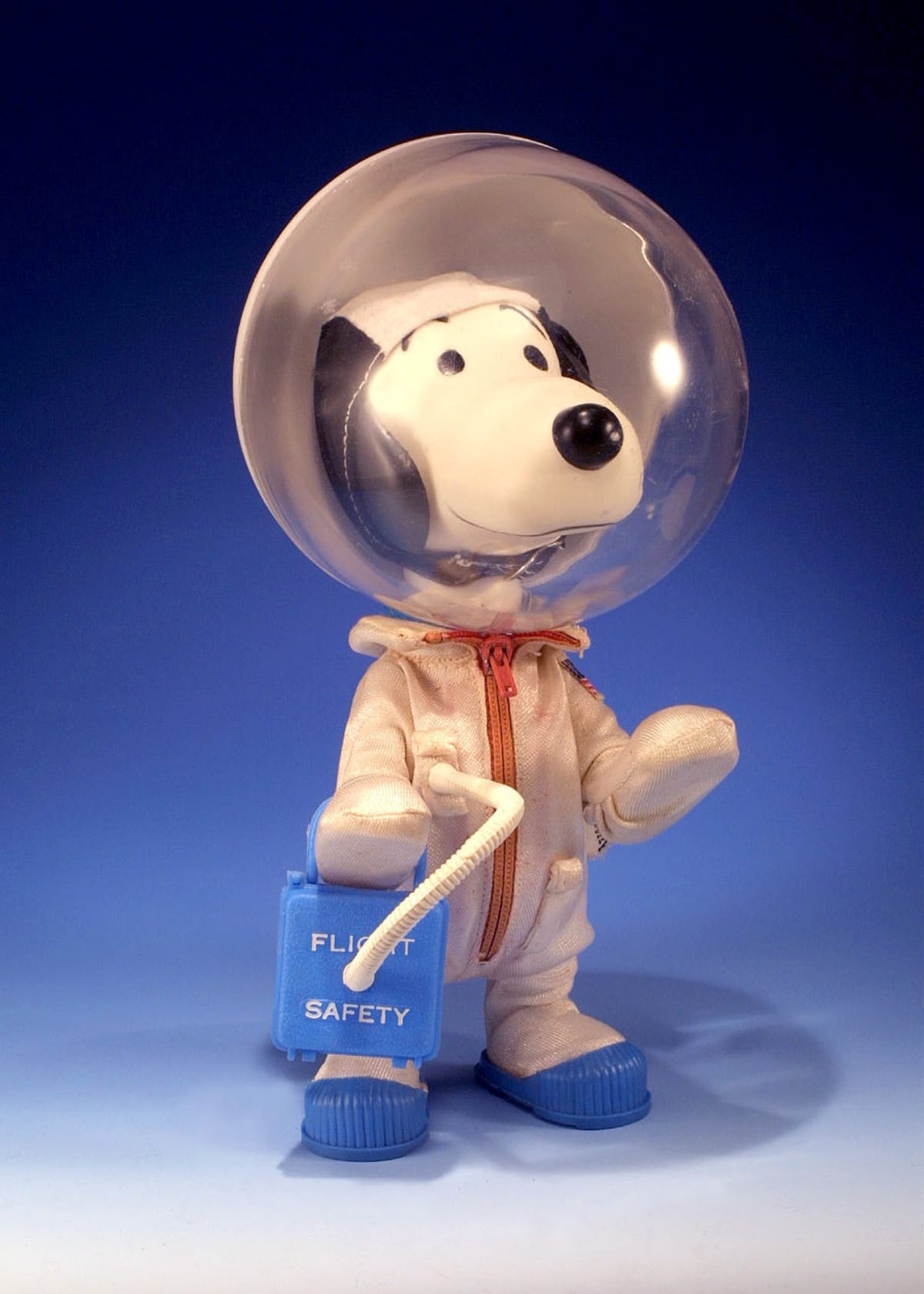
- Snoopy Toy Commemorating Apollo 11 Landing on Moon, 1969 - Charlie Brown's dog Snoopy was no ordinary dog. He walked on two legs, showed a rebellious streak, and daydreamed of being "World Famous." Four months before a real man landed on the moon, Snoopy appeared in a "Peanuts" comic strip as "the World Famous Astronaut" walking on the moon. This Peanuts Pocket Doll commemorates the 1969 moon landing.
- 1969
- Collections - Artifact
Snoopy Toy Commemorating Apollo 11 Landing on Moon, 1969
Charlie Brown's dog Snoopy was no ordinary dog. He walked on two legs, showed a rebellious streak, and daydreamed of being "World Famous." Four months before a real man landed on the moon, Snoopy appeared in a "Peanuts" comic strip as "the World Famous Astronaut" walking on the moon. This Peanuts Pocket Doll commemorates the 1969 moon landing.
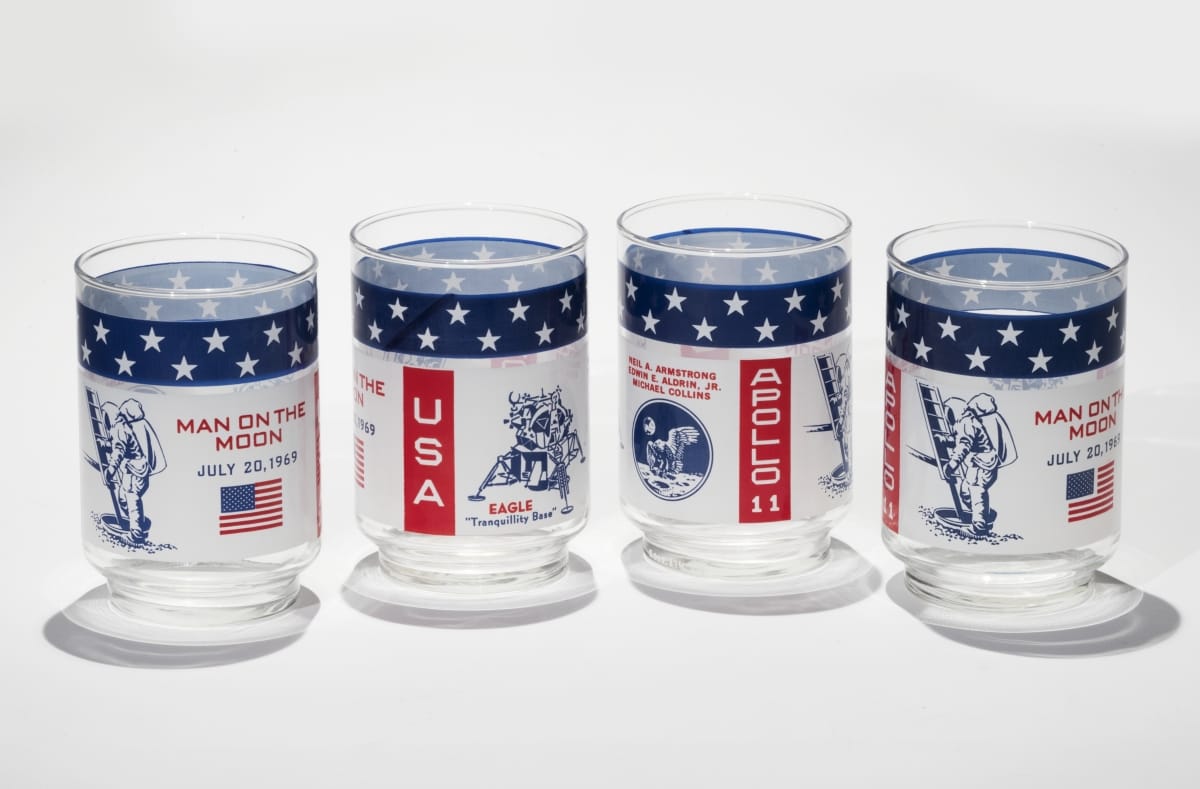
- Set of Tumblers Commemorating the First Moon Landing, circa 1969 - In the 1960s and 1970s, gas stations and other types of convenience stores often gave away promotional glasses featuring a wide array of popular subjects of the day. At the height of the Apollo space program, Marathon gas stations offered a series of glasses featuring the Apollo 11, 12, 13, and 14 missions, including these Apollo 11 promotional drinking glasses.
- July 20, 1969
- Collections - Artifact
Set of Tumblers Commemorating the First Moon Landing, circa 1969
In the 1960s and 1970s, gas stations and other types of convenience stores often gave away promotional glasses featuring a wide array of popular subjects of the day. At the height of the Apollo space program, Marathon gas stations offered a series of glasses featuring the Apollo 11, 12, 13, and 14 missions, including these Apollo 11 promotional drinking glasses.
- A Spacecraft Made of Wood?: Ford’s Lunar Capsule - Did you know NASA's first attempt to land a spacecraft on the moon, the 1962 Ranger 3, carried a lunar capsule developed by Ford Motor Company's Aeronutronics division?

- March 08, 2022
- Collections - article
A Spacecraft Made of Wood?: Ford’s Lunar Capsule
Did you know NASA's first attempt to land a spacecraft on the moon, the 1962 Ranger 3, carried a lunar capsule developed by Ford Motor Company's Aeronutronics division?
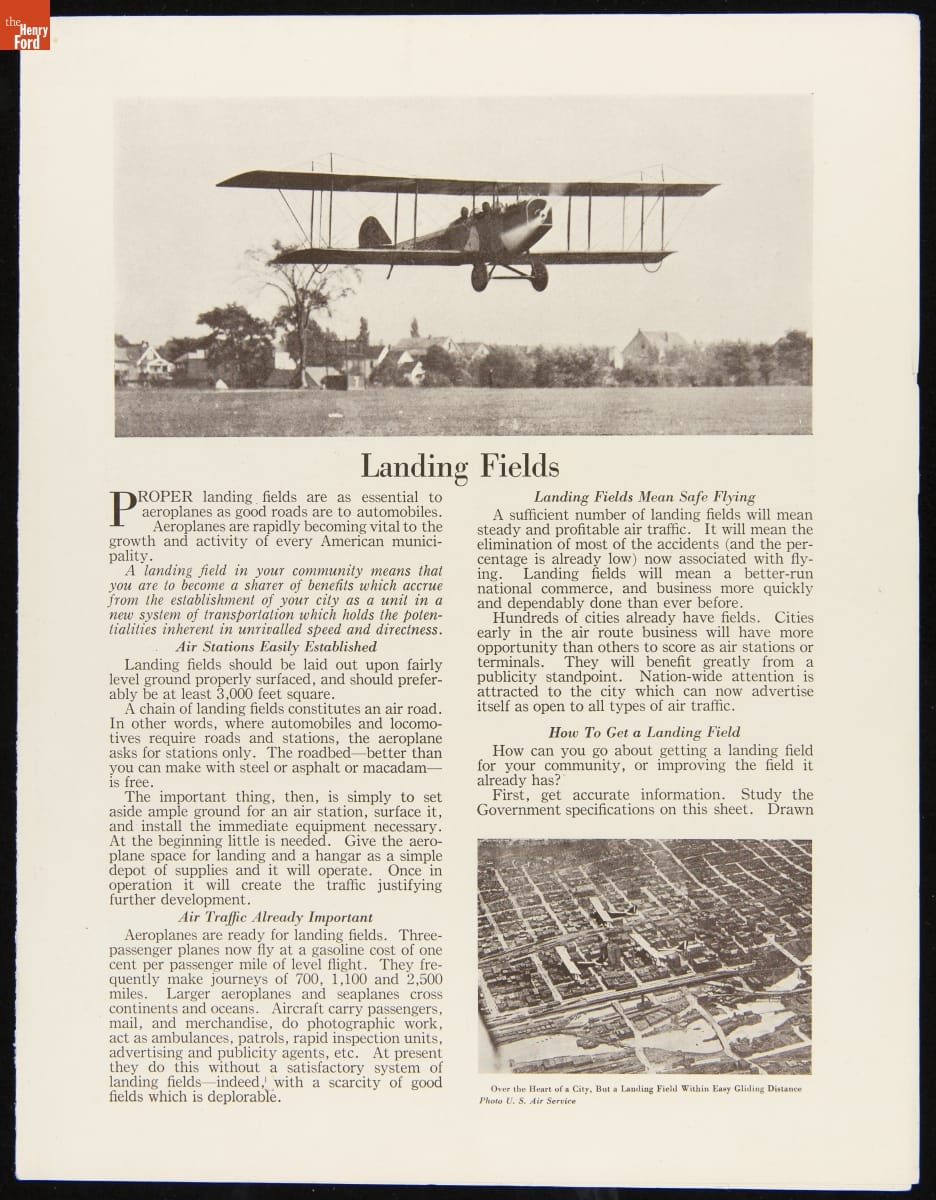
- Landing Fields, circa 1920 - Glenn Curtiss established what would become the Curtiss Aeroplane and Motor Company in 1909. An adept businessman, Curtiss helped establish the infrastructure that made aviation practical. He built and advocated for flying schools, flying services, and landing fields (like those promoted in this Curtiss company brochure) across the country. For his contributions, Curtiss is remembered as an "architect of American aviation."
- circa 1920
- Collections - Artifact
Landing Fields, circa 1920
Glenn Curtiss established what would become the Curtiss Aeroplane and Motor Company in 1909. An adept businessman, Curtiss helped establish the infrastructure that made aviation practical. He built and advocated for flying schools, flying services, and landing fields (like those promoted in this Curtiss company brochure) across the country. For his contributions, Curtiss is remembered as an "architect of American aviation."
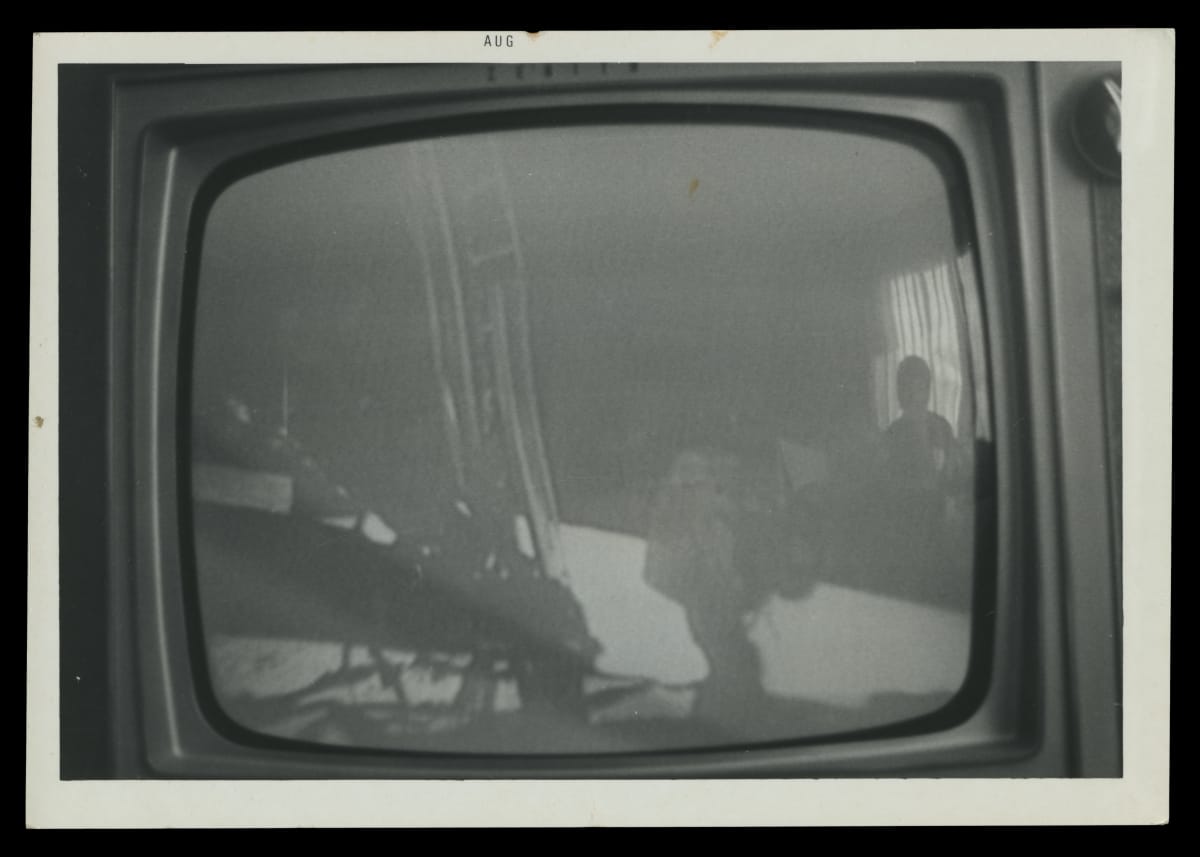
- Home Television Broadcast of NASA's Apollo 11 Moon Landing, July 20, 1969 - NASA's Apollo lunar missions captivated audiences watching the live events on their home televisions. When video recording technology was not widely available, people captured the events with what was available - the family camera. These images document many layers of technology, which united to make the missions possible. They also capture public fascination and desire to commemorate one's place in historical moments.
- July 20, 1969
- Collections - Artifact
Home Television Broadcast of NASA's Apollo 11 Moon Landing, July 20, 1969
NASA's Apollo lunar missions captivated audiences watching the live events on their home televisions. When video recording technology was not widely available, people captured the events with what was available - the family camera. These images document many layers of technology, which united to make the missions possible. They also capture public fascination and desire to commemorate one's place in historical moments.
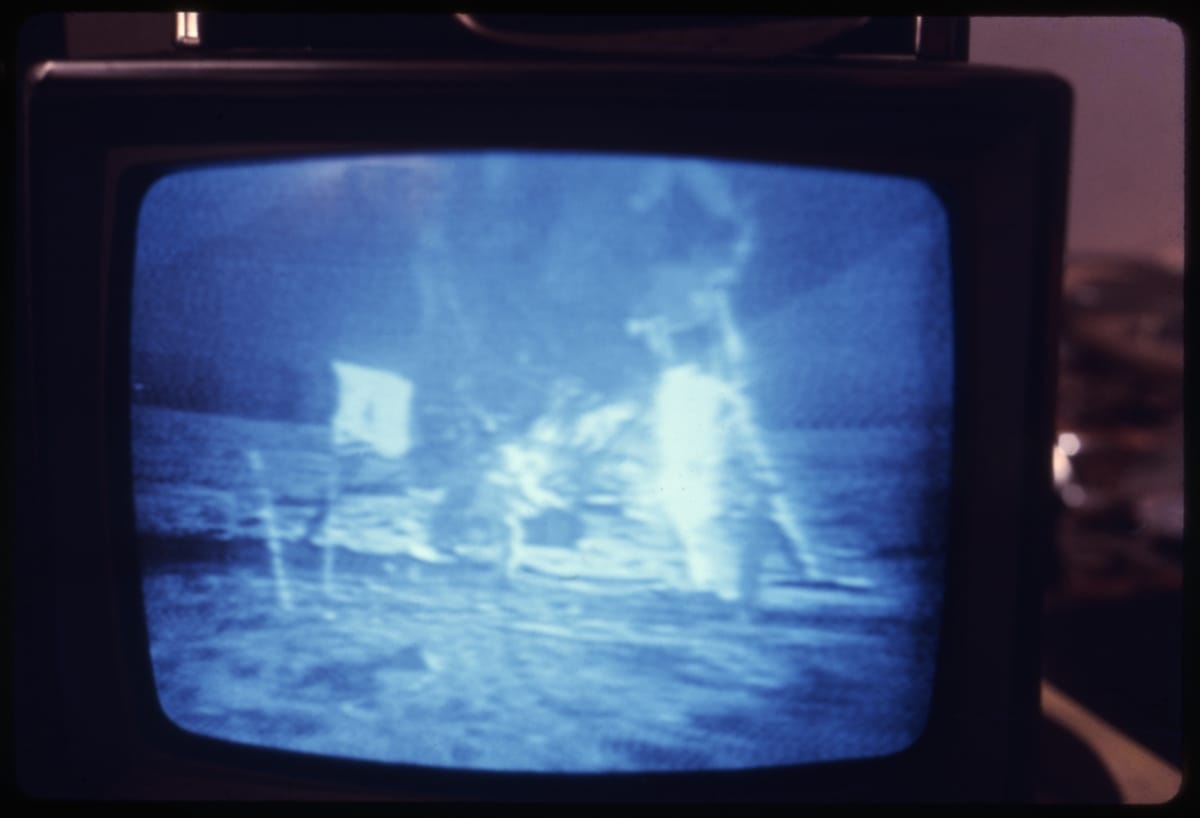
- Home Television Broadcast of NASA's Apollo 11 Moon Landing, July 20, 1969 - NASA's Apollo lunar missions captivated audiences watching the live events on their home televisions. When video recording technology was not widely available, people captured the events with what was available - the family camera. These images document many layers of technology, which united to make the missions possible. They also capture public fascination and desire to commemorate one's place in historical moments.
- July 20, 1969
- Collections - Artifact
Home Television Broadcast of NASA's Apollo 11 Moon Landing, July 20, 1969
NASA's Apollo lunar missions captivated audiences watching the live events on their home televisions. When video recording technology was not widely available, people captured the events with what was available - the family camera. These images document many layers of technology, which united to make the missions possible. They also capture public fascination and desire to commemorate one's place in historical moments.