
Search
- Button, "Black Panther Party for Self-Defense," 1967 - African Americans suffered from discrimination and economic hardships, even after passage of Civil Rights legislation in the mid-1960s. A new rallying cry became "Black Power" -- demanding that African Americans establish their own place in society, using force if necessary. In 1966, frustration over police brutality led to the formation of the Black Panther Party for Self Defense.
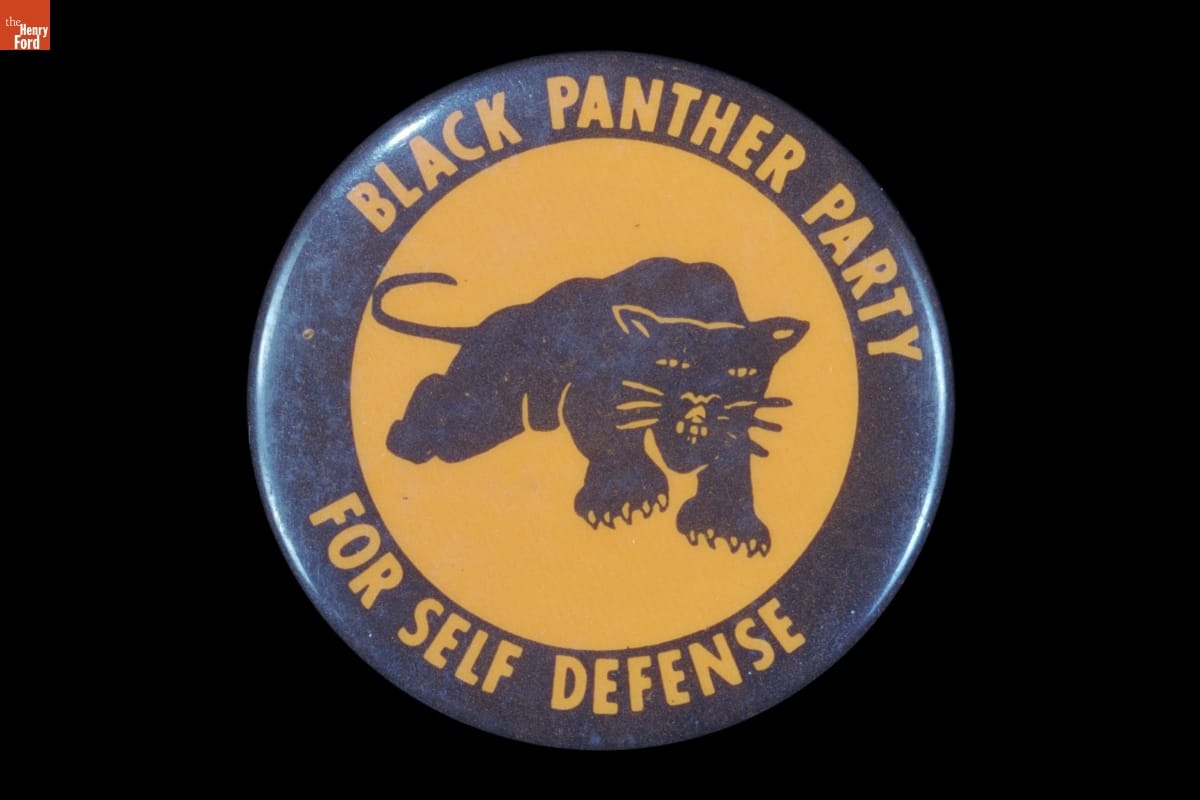
- 1967
- Collections - Artifact
Button, "Black Panther Party for Self-Defense," 1967
African Americans suffered from discrimination and economic hardships, even after passage of Civil Rights legislation in the mid-1960s. A new rallying cry became "Black Power" -- demanding that African Americans establish their own place in society, using force if necessary. In 1966, frustration over police brutality led to the formation of the Black Panther Party for Self Defense.
- Flier, "Read the Paper that Cares about You: The Black Panther Intercommunal News Service," 1972 -
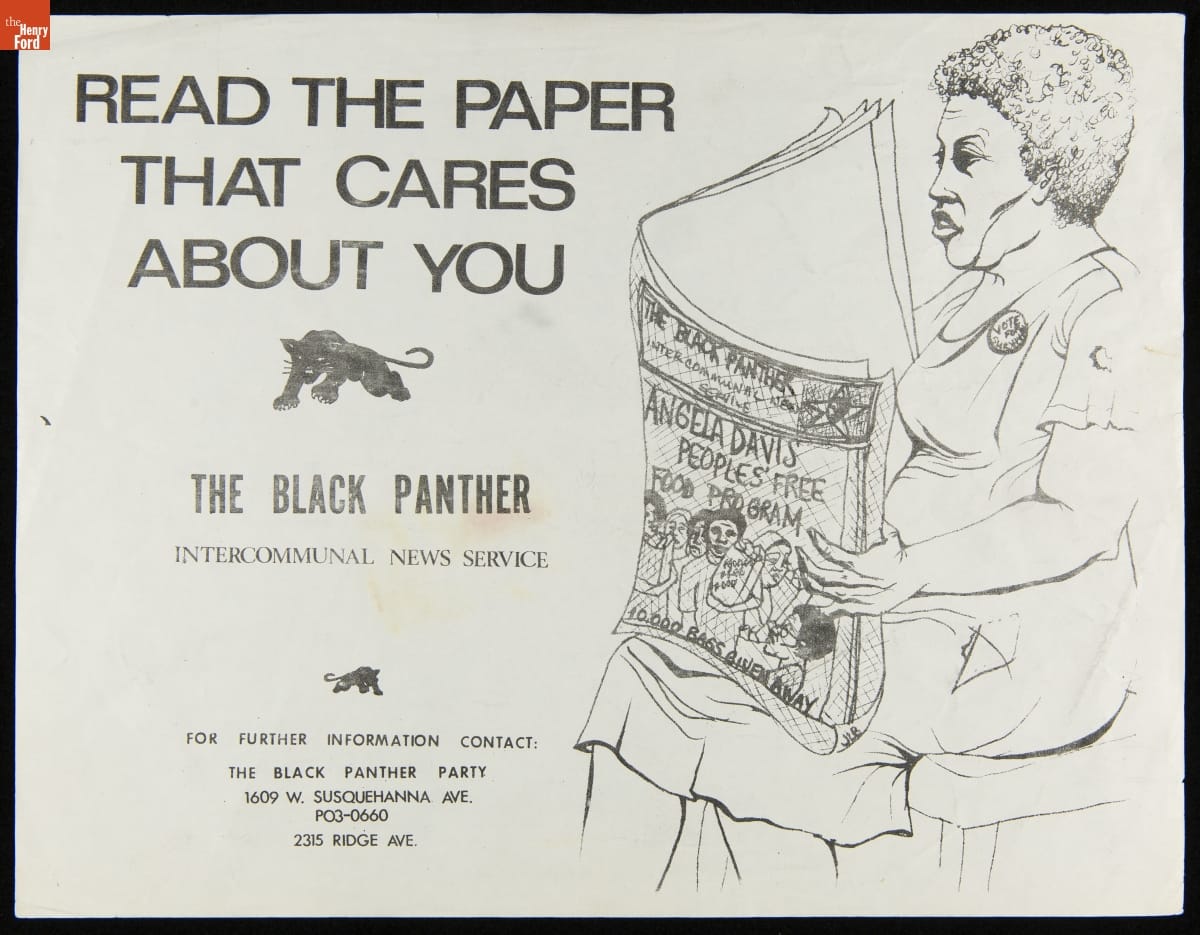
- circa 1972
- Collections - Artifact
Flier, "Read the Paper that Cares about You: The Black Panther Intercommunal News Service," 1972
- "The Black Community Survival Conference," March 29-31, 1972 -
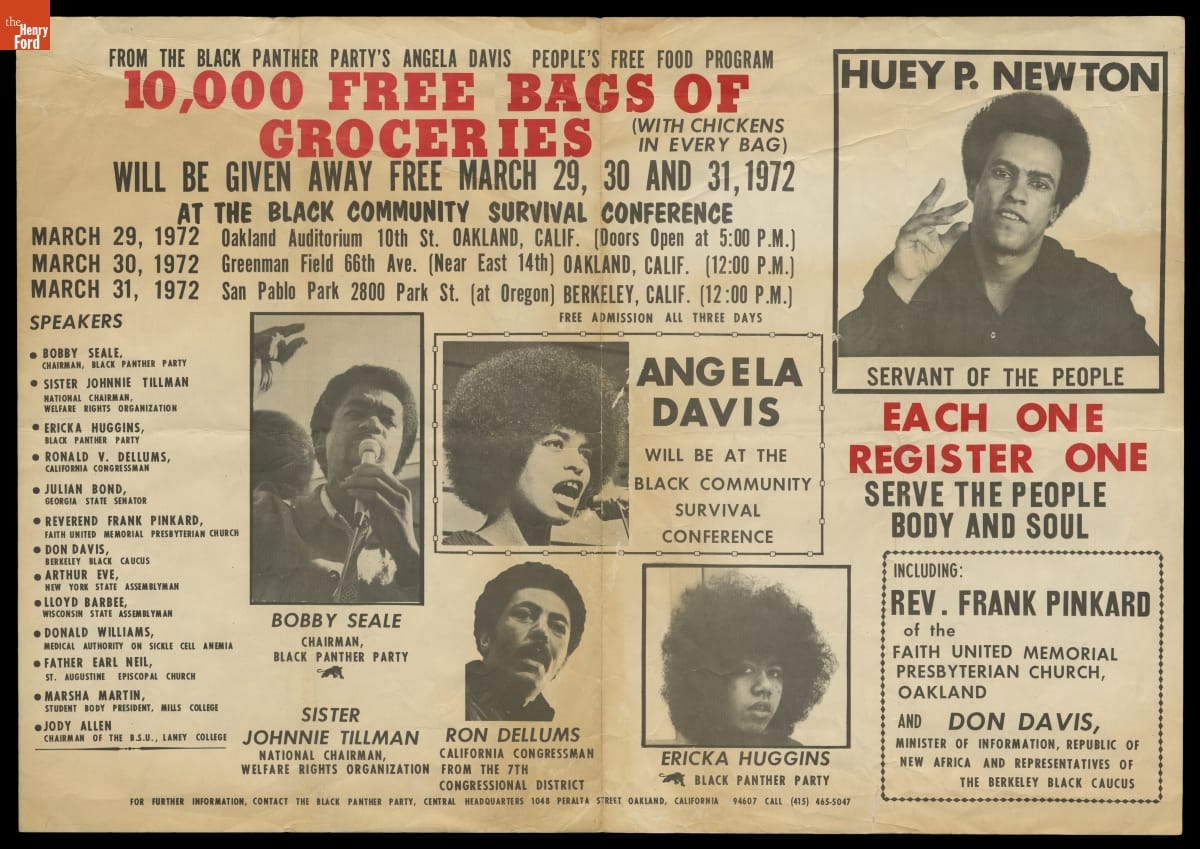
- 29 March 1972-31 March 1972
- Collections - Artifact
"The Black Community Survival Conference," March 29-31, 1972
- Button, "Panther Power," circa 1968 -
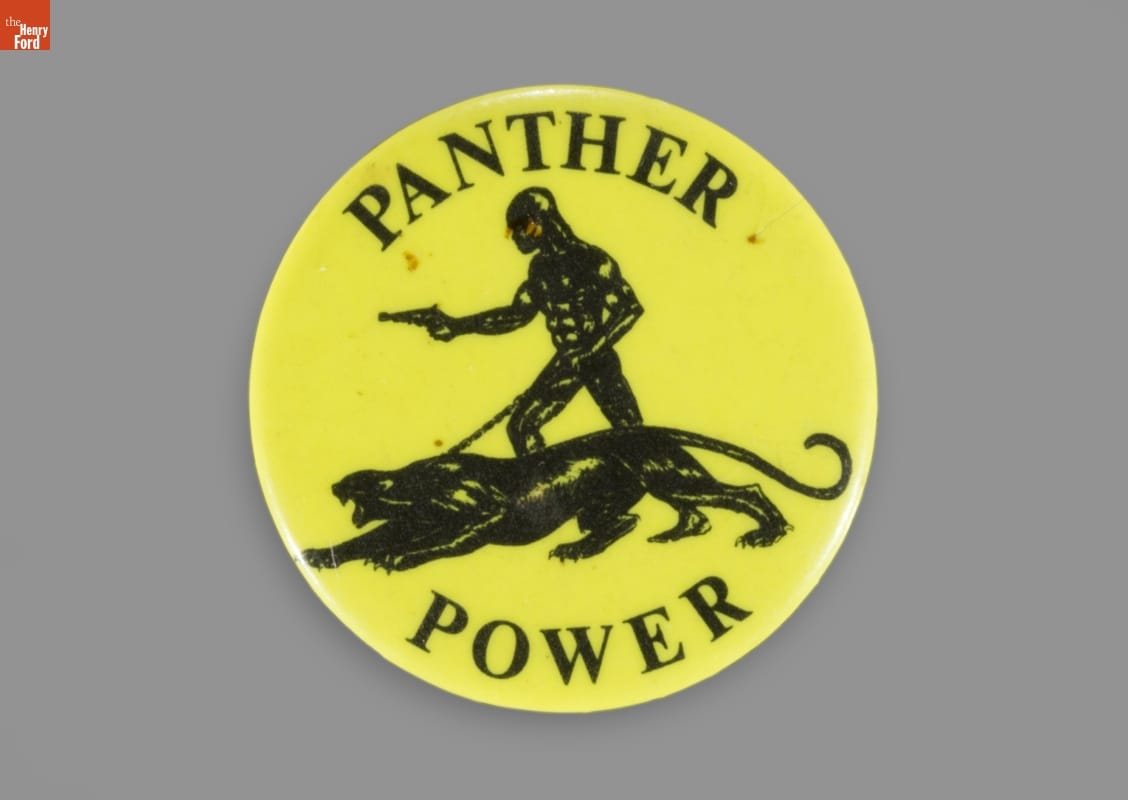
- circa 1968
- Collections - Artifact
Button, "Panther Power," circa 1968
- Button, "Black Students Liberation a Black Thing," 1968 -
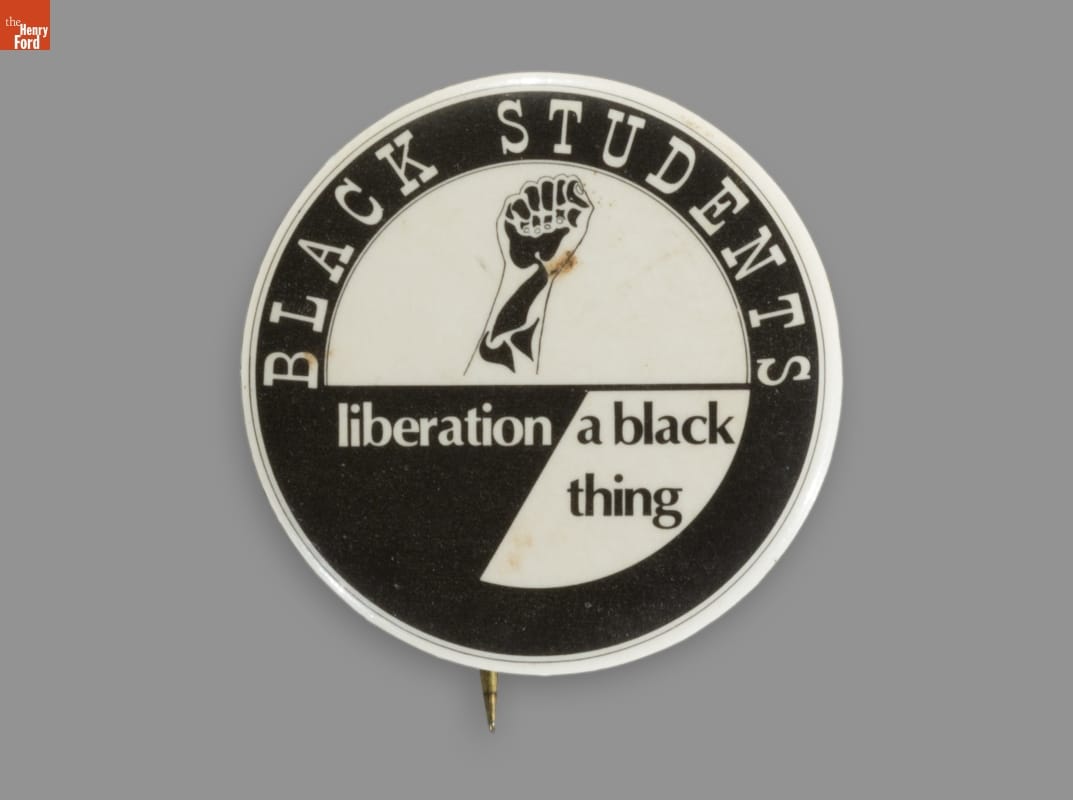
- 1968
- Collections - Artifact
Button, "Black Students Liberation a Black Thing," 1968
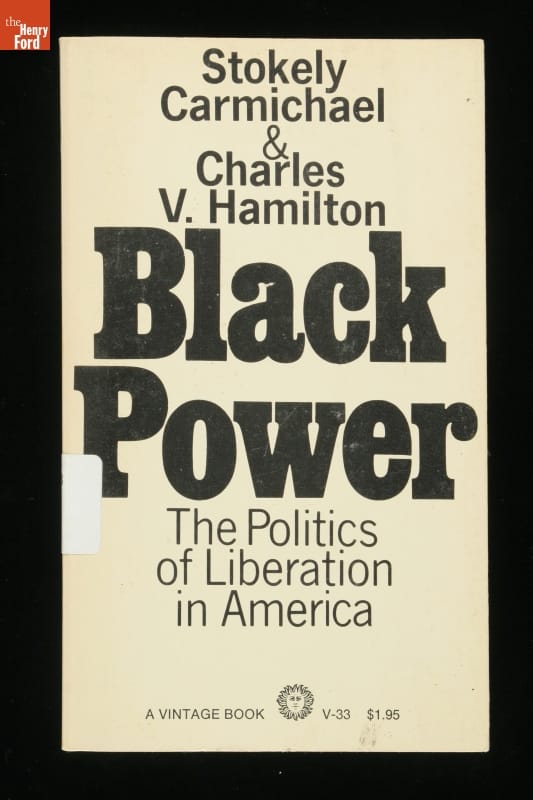
- "Black Power. The Politics of Liberation in America," 1967 - By the late-1960s, some young African Americans became frustrated with continued discrimination and the slow pace of economic gains. Stokely Carmichael and Charles Hamilton tapped into this frustration and promoted "Black Power" -- the call for African Americans to establish their own place in society, using force if necessary. This book outlines the systematic racism at the heart of this dissatisfaction.
- 1967
- Collections - Artifact
"Black Power. The Politics of Liberation in America," 1967
By the late-1960s, some young African Americans became frustrated with continued discrimination and the slow pace of economic gains. Stokely Carmichael and Charles Hamilton tapped into this frustration and promoted "Black Power" -- the call for African Americans to establish their own place in society, using force if necessary. This book outlines the systematic racism at the heart of this dissatisfaction.
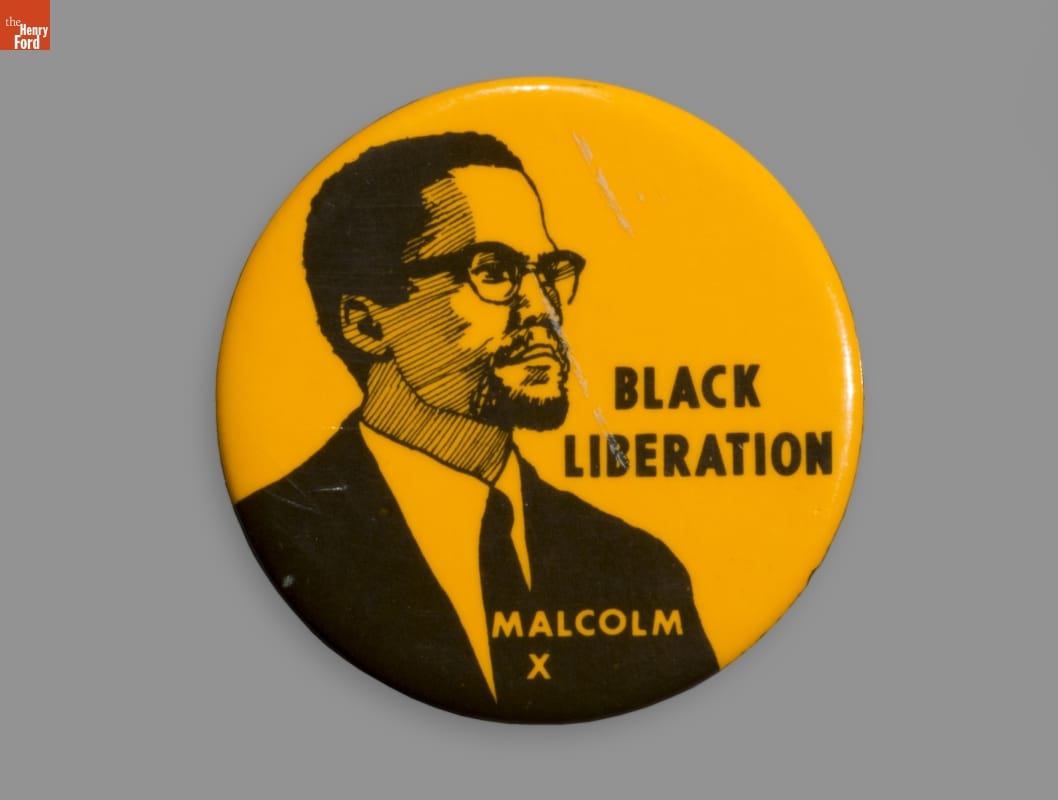
- Button, "Black Liberation Malcolm X," 1968 - Malcolm X was an articulate and charismatic spokesperson for the Nation of Islam, a movement that combined elements of Islam with black nationalism. He championed a radical, more assertive concept of racial pride than Martin Luther King, Jr., whose creed of non-violent action had defined the Civil Rights era. Malcolm X's doctrines laid the intellectual foundation for the Black Power Movement.
- 1968
- Collections - Artifact
Button, "Black Liberation Malcolm X," 1968
Malcolm X was an articulate and charismatic spokesperson for the Nation of Islam, a movement that combined elements of Islam with black nationalism. He championed a radical, more assertive concept of racial pride than Martin Luther King, Jr., whose creed of non-violent action had defined the Civil Rights era. Malcolm X's doctrines laid the intellectual foundation for the Black Power Movement.
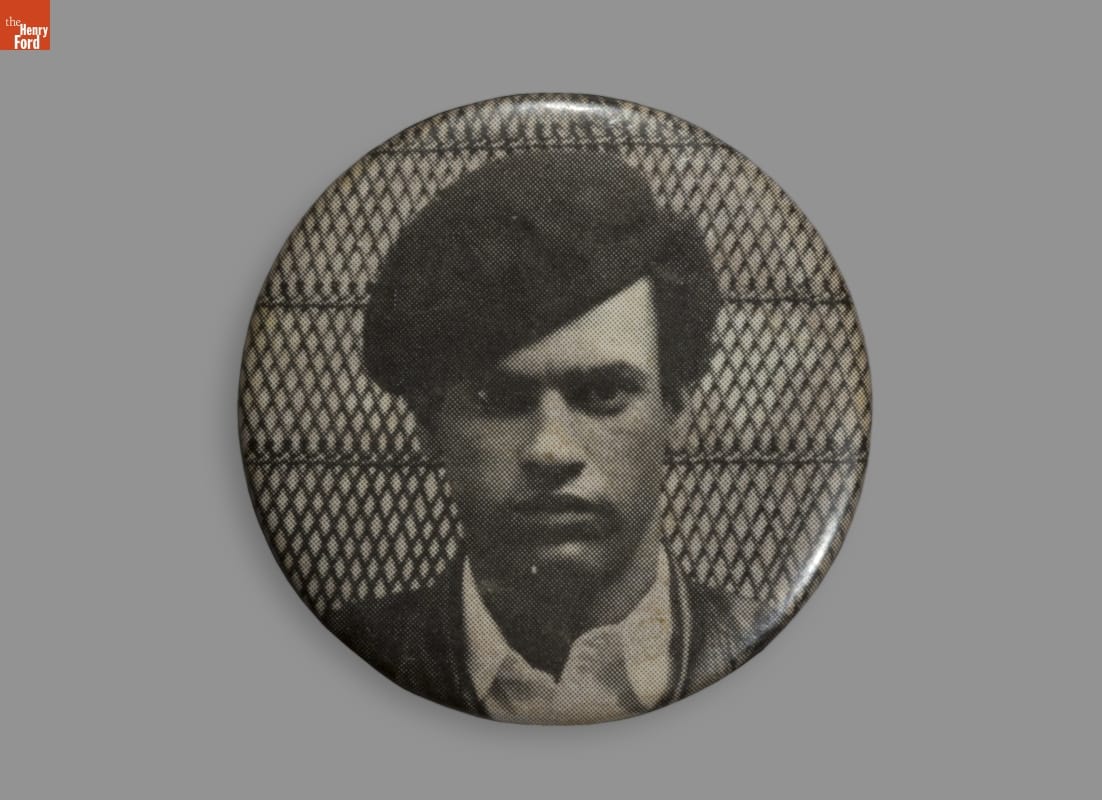
- Button, Huey Newton, circa 1968 -
- circa 1968
- Collections - Artifact
Button, Huey Newton, circa 1968
- Poster Showing Emory Douglas Painting, "Free Huey," 1969 -
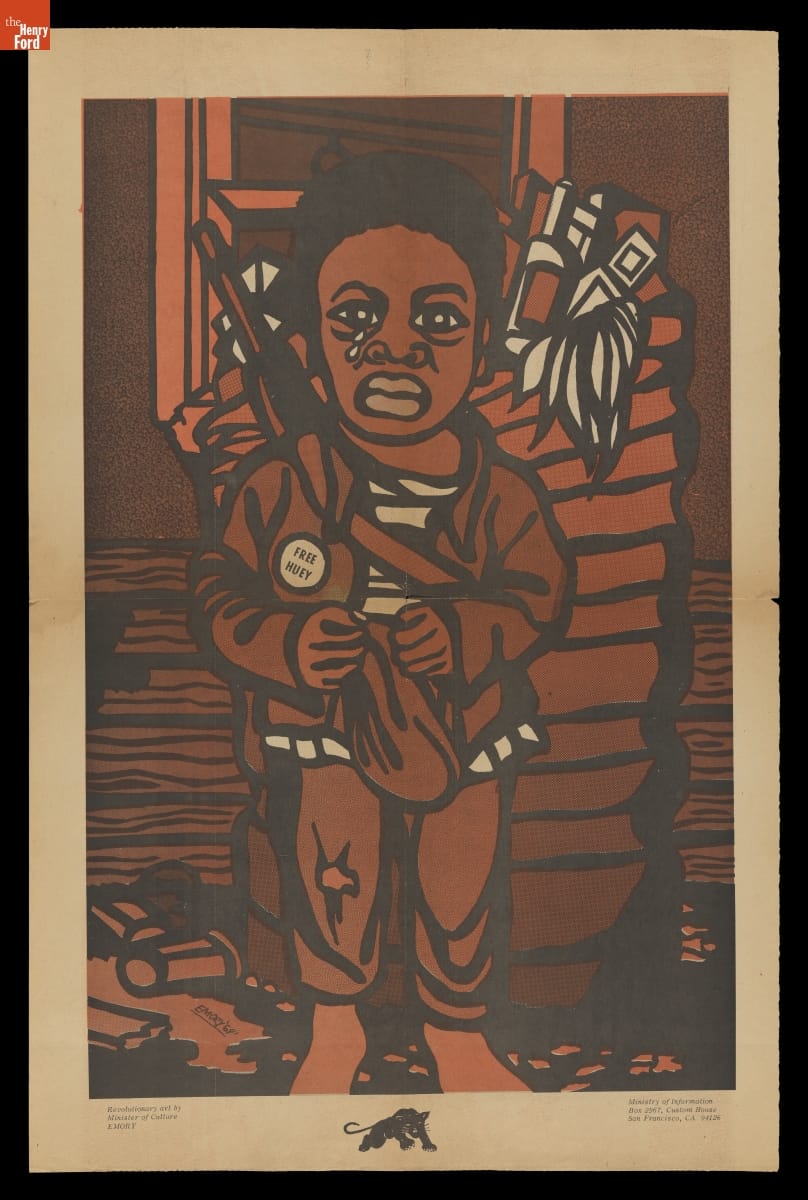
- 1969
- Collections - Artifact
Poster Showing Emory Douglas Painting, "Free Huey," 1969
- "The Vanguard: A Photographic Essay on the Black Panthers," 1970 -
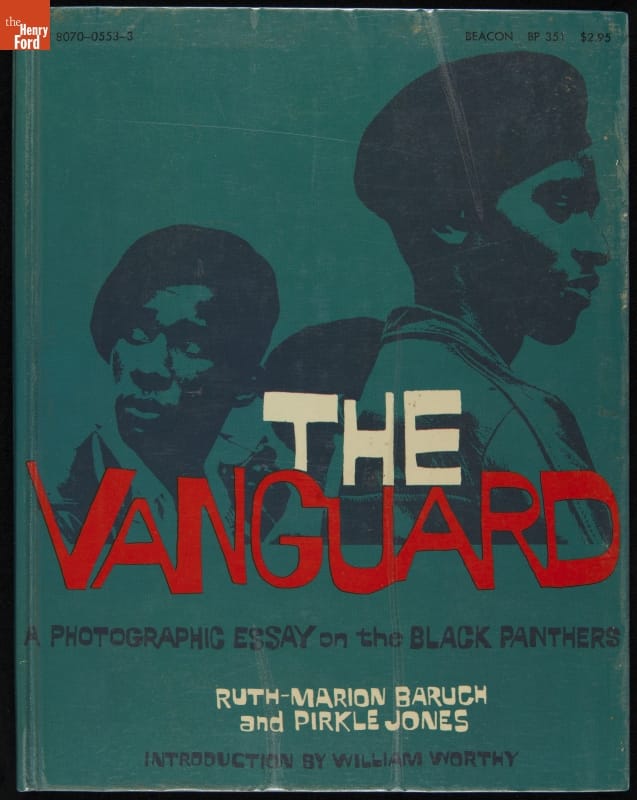
- 1970
- Collections - Artifact
"The Vanguard: A Photographic Essay on the Black Panthers," 1970