
Search
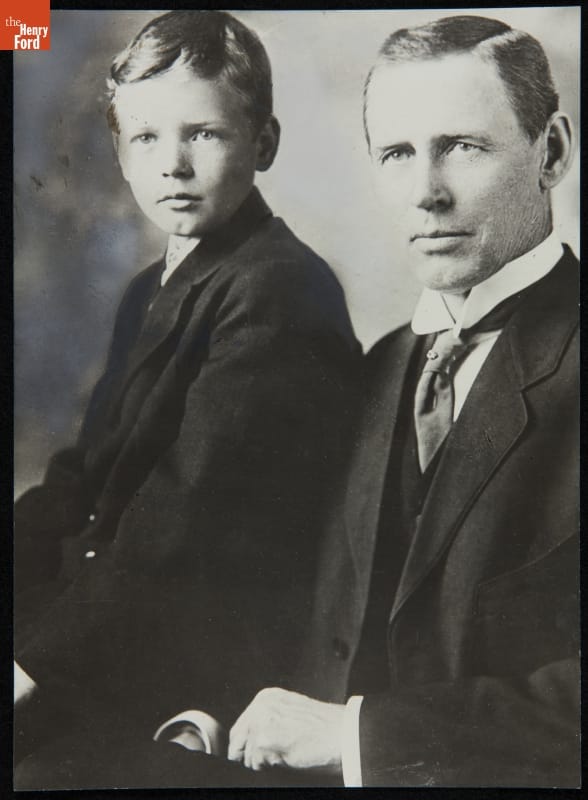
- Charles Lindbergh with His Father, Charles August Lindbergh, circa 1910 - Charles August Lindbergh was born in Stockholm, Sweden, and -- as an infant -- immigrated to the United States with his parents in 1859. After his first wife died, Lindbergh married Evangeline Land, with whom he had son Charles Augustus Lindbergh -- the future aviator. The elder Lindbergh represented Minnesota's 6th congressional district in the U.S. Congress from 1907 to 1917.
- circa 1910
- Collections - Artifact
Charles Lindbergh with His Father, Charles August Lindbergh, circa 1910
Charles August Lindbergh was born in Stockholm, Sweden, and -- as an infant -- immigrated to the United States with his parents in 1859. After his first wife died, Lindbergh married Evangeline Land, with whom he had son Charles Augustus Lindbergh -- the future aviator. The elder Lindbergh represented Minnesota's 6th congressional district in the U.S. Congress from 1907 to 1917.
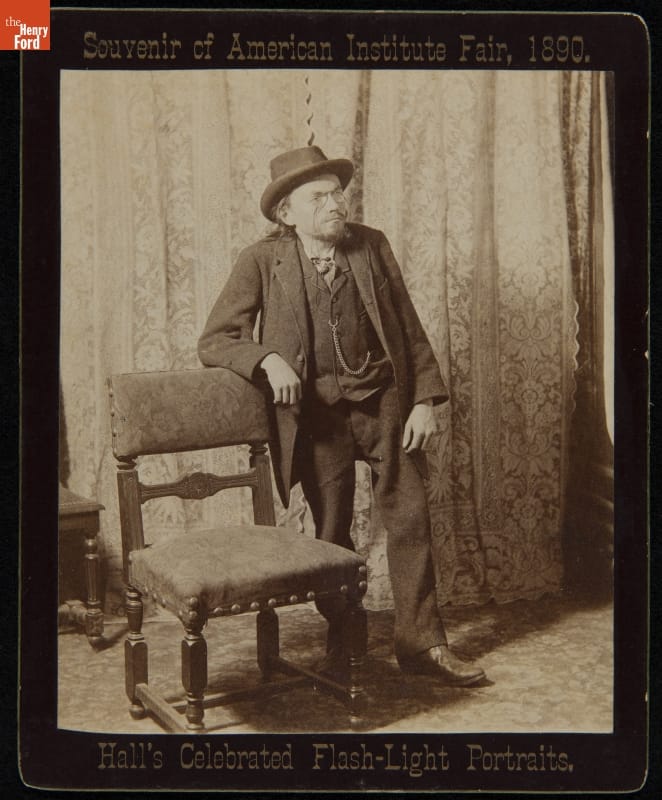
- Charles Steinmetz, 1890 - Charles Steinmetz studied science and mathematics before moving to the United States in 1889. He joined the small electrical firm of Rudolf Eickemeyer, a fellow German immigrant who encouraged Steinmetz to experiment and publish his research. Eickemeyer provided Steinmetz with a laboratory and a wide range of practical experience. Within a few years, Steinmetz would become an accomplished electrical engineer.
- 1890
- Collections - Artifact
Charles Steinmetz, 1890
Charles Steinmetz studied science and mathematics before moving to the United States in 1889. He joined the small electrical firm of Rudolf Eickemeyer, a fellow German immigrant who encouraged Steinmetz to experiment and publish his research. Eickemeyer provided Steinmetz with a laboratory and a wide range of practical experience. Within a few years, Steinmetz would become an accomplished electrical engineer.
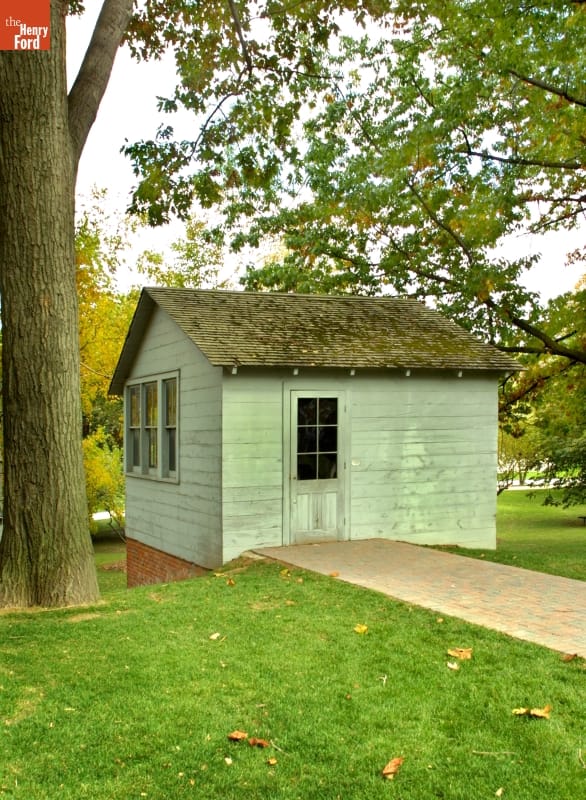
- Charles Steinmetz Cabin - This cabin was originally located on a steep bank overlooking a tributary of the Mohawk River, just outside of Schenectady, New York. Its simplicity was a contrast to the General Electric laboratories where Steinmetz spent his workweek. It served as a getaway -- for quiet study or writing, but also for more animated weekend camp gatherings for selected friends and associates.
- 1896
- Collections - Artifact
Charles Steinmetz Cabin
This cabin was originally located on a steep bank overlooking a tributary of the Mohawk River, just outside of Schenectady, New York. Its simplicity was a contrast to the General Electric laboratories where Steinmetz spent his workweek. It served as a getaway -- for quiet study or writing, but also for more animated weekend camp gatherings for selected friends and associates.
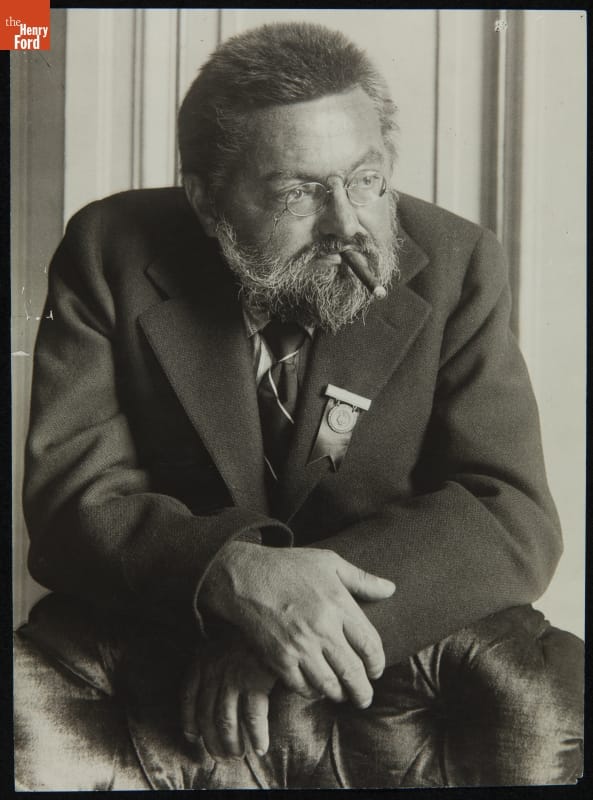
- Charles Steinmetz, circa 1920 - Charles Steinmetz excelled at applying mathematical theory and scientific methods to practical engineering, helping define the role of "scientist-engineer" in the American electrical industry. Steinmetz developed important theories on alternating currents, conducted breakthrough experiments on power loss, and authored a number of influential textbooks. His innovations shaped the electrical engineering profession and improved and expanded electrical distribution systems.
- circa 1920
- Collections - Artifact
Charles Steinmetz, circa 1920
Charles Steinmetz excelled at applying mathematical theory and scientific methods to practical engineering, helping define the role of "scientist-engineer" in the American electrical industry. Steinmetz developed important theories on alternating currents, conducted breakthrough experiments on power loss, and authored a number of influential textbooks. His innovations shaped the electrical engineering profession and improved and expanded electrical distribution systems.
- Charles Elachi - Imagine tackling problems that relatively few others would be able to fully understand, much less solve. Charles Elachi shares how he guides teams at NASA's Jet Propulsion Laboratory to do exactly that. He understands the importance of having fun even when the work is hard and demanding. He describes the work environment as a "serious playground." Elachi views innovation as rooted in taking risks and learning from failures. His message is "failure is going to happen." The key is to learn from it and move on. His hero is Teddy Roosevelt who thought it was better to try and even fail once in a while than "stay in the twilight" and not dare to do anything.

- October 08, 2013
- Collections - Video
Charles Elachi
Imagine tackling problems that relatively few others would be able to fully understand, much less solve. Charles Elachi shares how he guides teams at NASA's Jet Propulsion Laboratory to do exactly that. He understands the importance of having fun even when the work is hard and demanding. He describes the work environment as a "serious playground." Elachi views innovation as rooted in taking risks and learning from failures. His message is "failure is going to happen." The key is to learn from it and move on. His hero is Teddy Roosevelt who thought it was better to try and even fail once in a while than "stay in the twilight" and not dare to do anything.
- Charles Lindbergh - After barnstorming and piloting in the Army Reserve, Charles Lindbergh started flying mail between St. Louis and Chicago in 1925. The job provided sound experience flying in all conditions. Following his 1927 solo transatlantic flight, Lindbergh used his newfound fame to advance aviation however he could -- from organizing transcontinental airline service to making promotional air mail flights over his old route.

- January 10, 2017
- Collections - Set
Charles Lindbergh
After barnstorming and piloting in the Army Reserve, Charles Lindbergh started flying mail between St. Louis and Chicago in 1925. The job provided sound experience flying in all conditions. Following his 1927 solo transatlantic flight, Lindbergh used his newfound fame to advance aviation however he could -- from organizing transcontinental airline service to making promotional air mail flights over his old route.
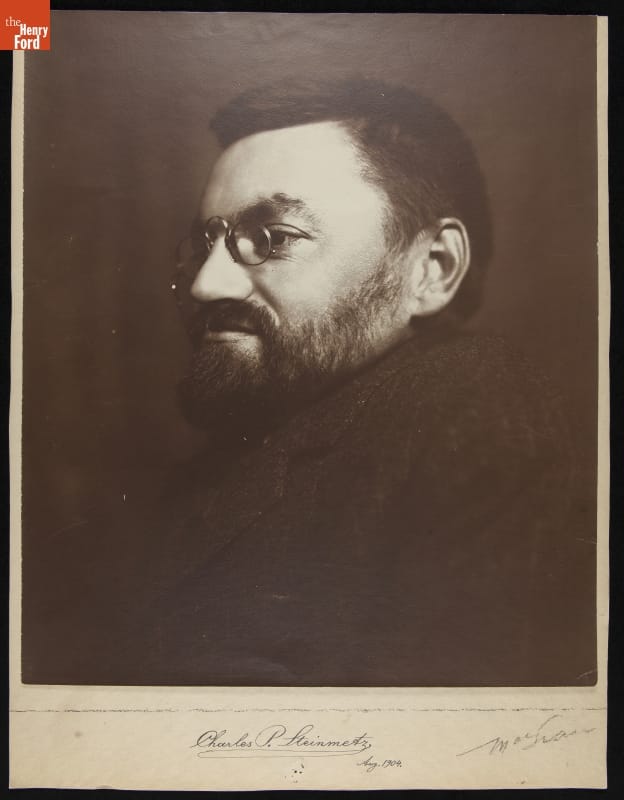
- Charles Steinmetz, August 1904 - Charles Steinmetz excelled at applying mathematical theory and scientific methods to practical engineering, helping define the role of "scientist-engineer" in the American electrical industry. Steinmetz developed important theories on alternating currents, conducted breakthrough experiments on power loss, and authored a number of influential textbooks. His innovations shaped the electrical engineering profession and improved and expanded electrical distribution systems.
- August 01, 1904
- Collections - Artifact
Charles Steinmetz, August 1904
Charles Steinmetz excelled at applying mathematical theory and scientific methods to practical engineering, helping define the role of "scientist-engineer" in the American electrical industry. Steinmetz developed important theories on alternating currents, conducted breakthrough experiments on power loss, and authored a number of influential textbooks. His innovations shaped the electrical engineering profession and improved and expanded electrical distribution systems.
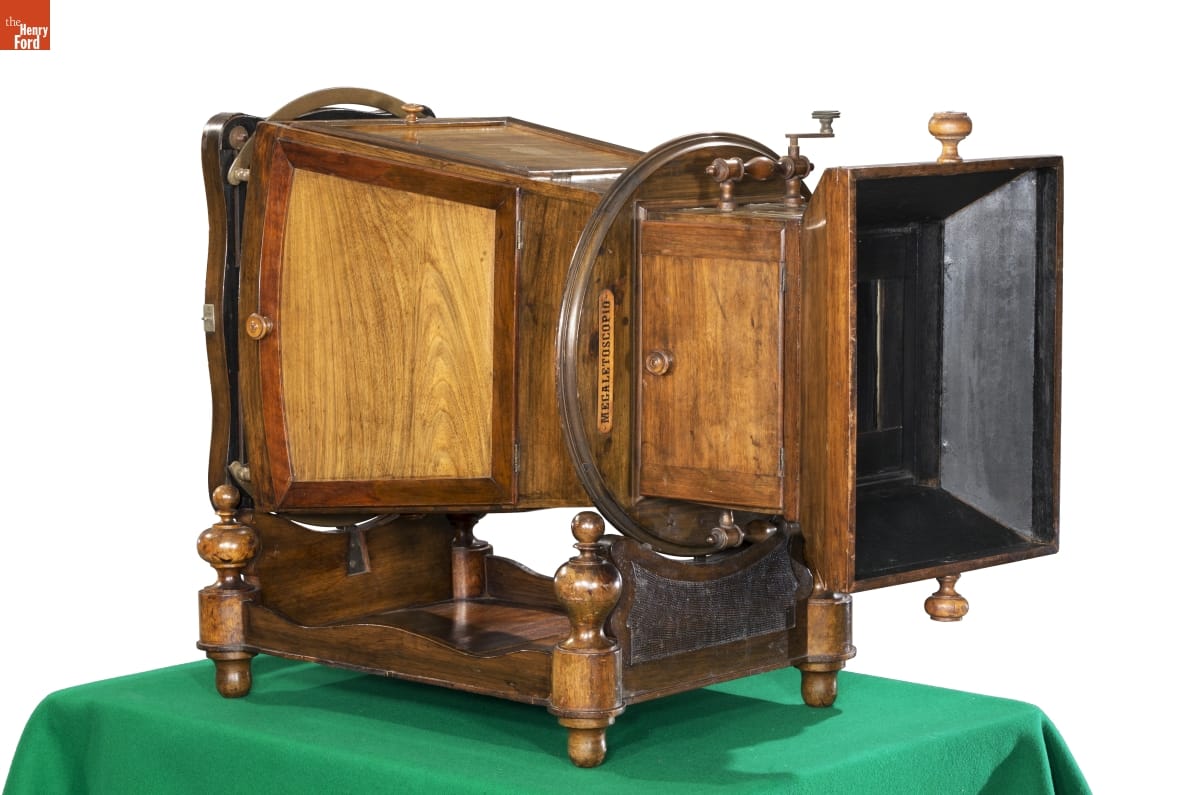
- Charles Ponti Megalethoscope, 1862 - Invented by Carlo Ponti in the early 1860s, a megalethoscope is a device used to view a translucent, multilayered photograph. By opening or closing various panels, a person saw the image change. When lit from behind, pinpricks and paint or colored tissue applied to the back or a secondary layer of the photograph transform the scene to reveal hidden images and create an illusion of nighttime.
- 1862
- Collections - Artifact
Charles Ponti Megalethoscope, 1862
Invented by Carlo Ponti in the early 1860s, a megalethoscope is a device used to view a translucent, multilayered photograph. By opening or closing various panels, a person saw the image change. When lit from behind, pinpricks and paint or colored tissue applied to the back or a secondary layer of the photograph transform the scene to reveal hidden images and create an illusion of nighttime.
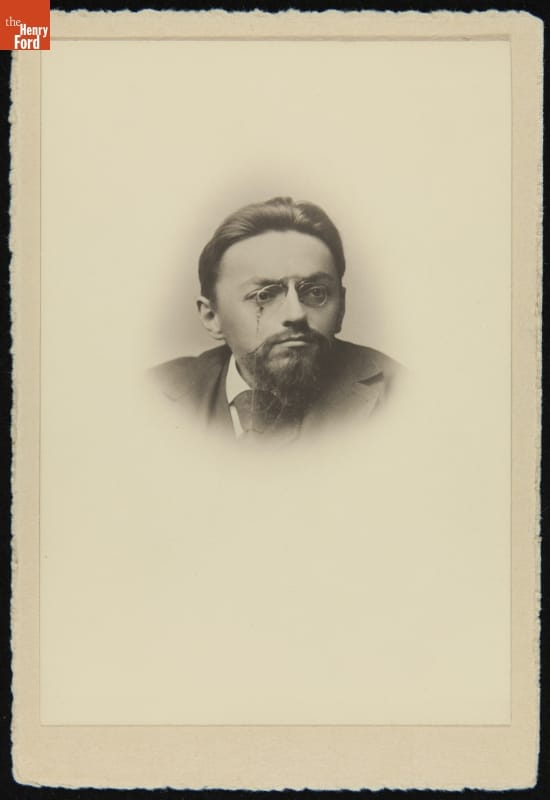
- Charles Steinmetz, circa 1900 - Charles Steinmetz excelled at applying mathematical theory and scientific methods to practical engineering, helping define the role of "scientist-engineer" in the American electrical industry. Steinmetz developed important theories on alternating currents, conducted breakthrough experiments on power loss, and authored a number of influential textbooks. His innovations shaped the electrical engineering profession and improved and expanded electrical distribution systems.
- circa 1900
- Collections - Artifact
Charles Steinmetz, circa 1900
Charles Steinmetz excelled at applying mathematical theory and scientific methods to practical engineering, helping define the role of "scientist-engineer" in the American electrical industry. Steinmetz developed important theories on alternating currents, conducted breakthrough experiments on power loss, and authored a number of influential textbooks. His innovations shaped the electrical engineering profession and improved and expanded electrical distribution systems.
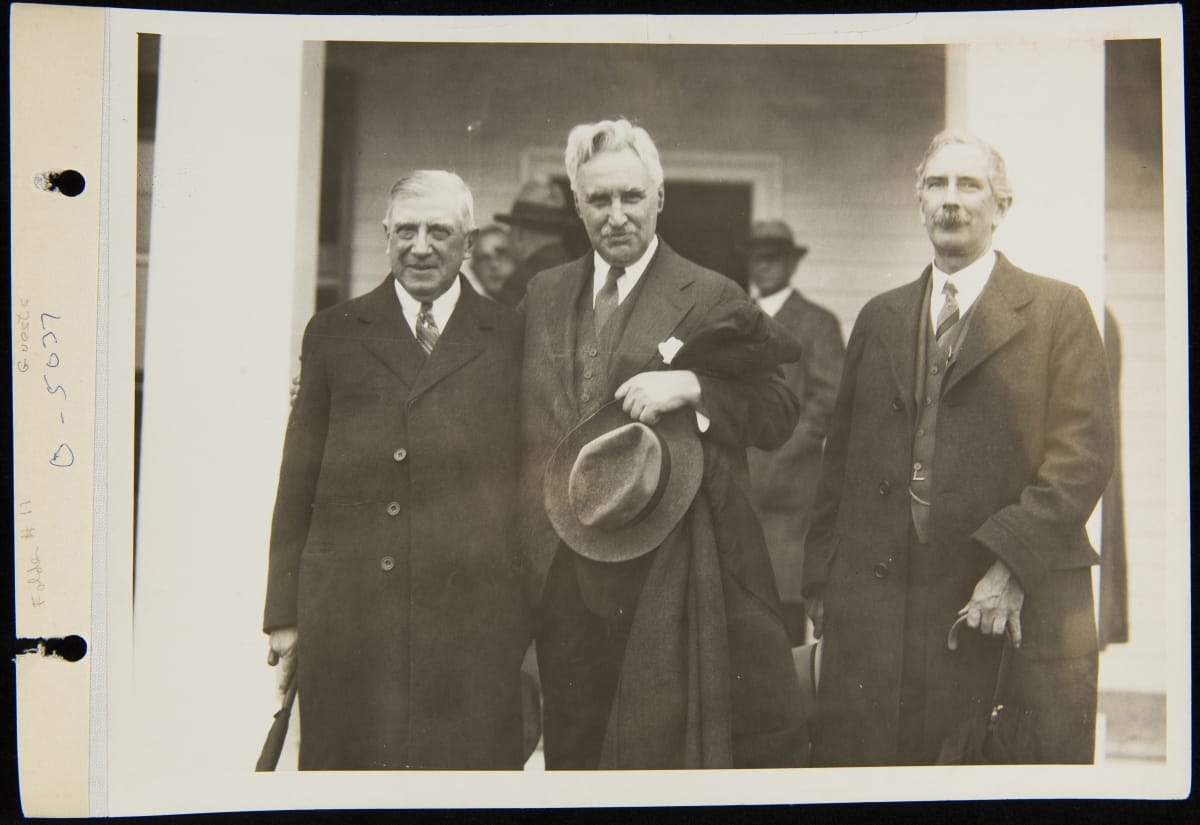
- Charles M. Schwab, Congressman Charles A. Eaton, and Dr. Charles G. Abbot at Eagle Tavern, October 21, 1929 - On October 21, 1929, Henry Ford hosted a celebration in Dearborn, Michigan, to honor his friend Thomas A. Edison. Known as Light's Golden Jubilee, the event commemorated the 50th anniversary of Edison's invention of a practical incandescent lamp. The guest list was impressive. Here, steel magnate Charles M. Schwab, U.S. Congressman Charles Eaton, and Secretary of the Smithsonian Institution Charles Abbott pose for a photograph.
- October 21, 1929
- Collections - Artifact
Charles M. Schwab, Congressman Charles A. Eaton, and Dr. Charles G. Abbot at Eagle Tavern, October 21, 1929
On October 21, 1929, Henry Ford hosted a celebration in Dearborn, Michigan, to honor his friend Thomas A. Edison. Known as Light's Golden Jubilee, the event commemorated the 50th anniversary of Edison's invention of a practical incandescent lamp. The guest list was impressive. Here, steel magnate Charles M. Schwab, U.S. Congressman Charles Eaton, and Secretary of the Smithsonian Institution Charles Abbott pose for a photograph.