
Search
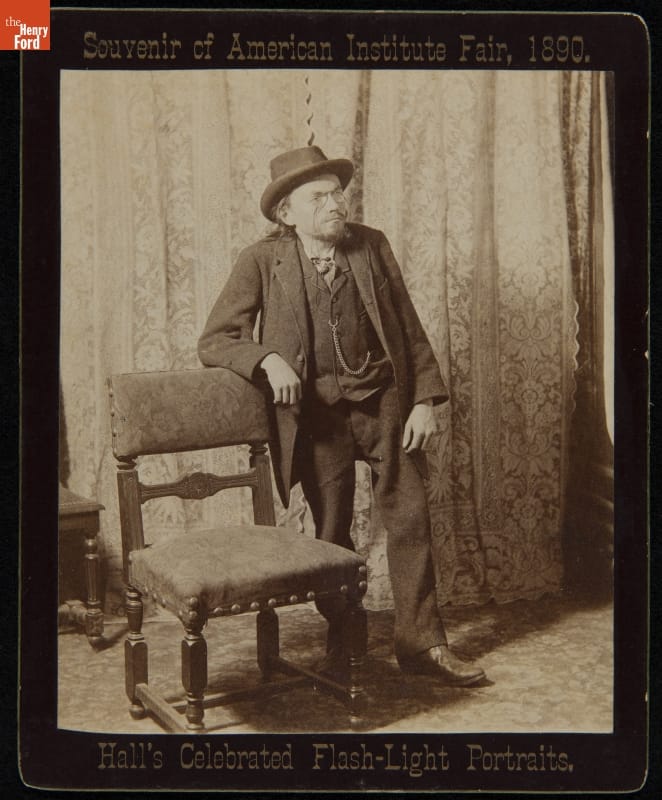
- Charles Steinmetz, 1890 - Charles Steinmetz studied science and mathematics before moving to the United States in 1889. He joined the small electrical firm of Rudolf Eickemeyer, a fellow German immigrant who encouraged Steinmetz to experiment and publish his research. Eickemeyer provided Steinmetz with a laboratory and a wide range of practical experience. Within a few years, Steinmetz would become an accomplished electrical engineer.
- 1890
- Collections - Artifact
Charles Steinmetz, 1890
Charles Steinmetz studied science and mathematics before moving to the United States in 1889. He joined the small electrical firm of Rudolf Eickemeyer, a fellow German immigrant who encouraged Steinmetz to experiment and publish his research. Eickemeyer provided Steinmetz with a laboratory and a wide range of practical experience. Within a few years, Steinmetz would become an accomplished electrical engineer.
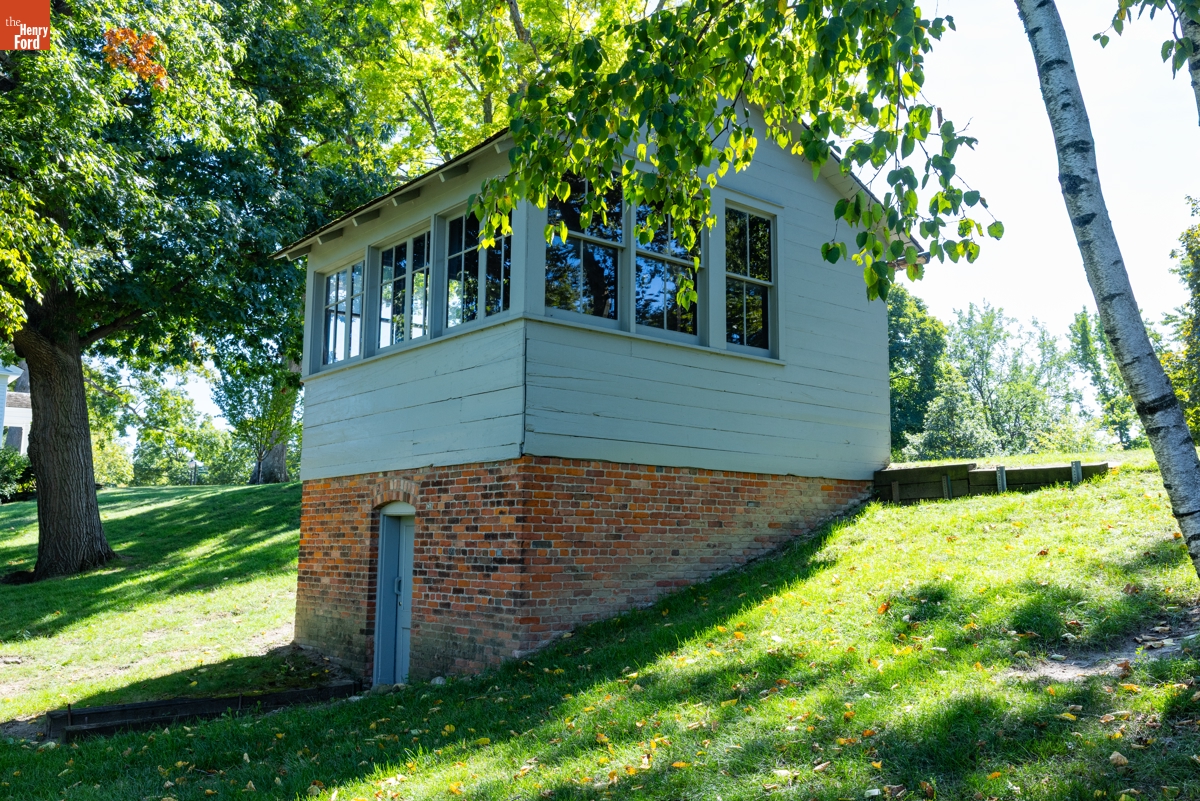
- Charles Steinmetz Cabin - This cabin was originally located on a steep bank overlooking a tributary of the Mohawk River, just outside of Schenectady, New York. Its simplicity was a contrast to the General Electric laboratories where Steinmetz spent his workweek. It served as a getaway -- for quiet study or writing, but also for more animated weekend camp gatherings for selected friends and associates.
- 1896
- Collections - Artifact
Charles Steinmetz Cabin
This cabin was originally located on a steep bank overlooking a tributary of the Mohawk River, just outside of Schenectady, New York. Its simplicity was a contrast to the General Electric laboratories where Steinmetz spent his workweek. It served as a getaway -- for quiet study or writing, but also for more animated weekend camp gatherings for selected friends and associates.
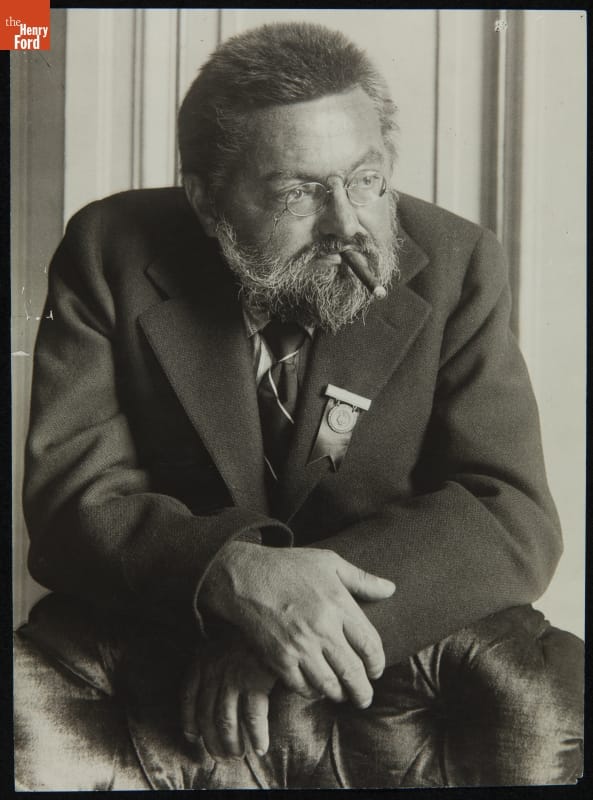
- Charles Steinmetz, circa 1920 - Charles Steinmetz excelled at applying mathematical theory and scientific methods to practical engineering, helping define the role of "scientist-engineer" in the American electrical industry. Steinmetz developed important theories on alternating currents, conducted breakthrough experiments on power loss, and authored a number of influential textbooks. His innovations shaped the electrical engineering profession and improved and expanded electrical distribution systems.
- circa 1920
- Collections - Artifact
Charles Steinmetz, circa 1920
Charles Steinmetz excelled at applying mathematical theory and scientific methods to practical engineering, helping define the role of "scientist-engineer" in the American electrical industry. Steinmetz developed important theories on alternating currents, conducted breakthrough experiments on power loss, and authored a number of influential textbooks. His innovations shaped the electrical engineering profession and improved and expanded electrical distribution systems.
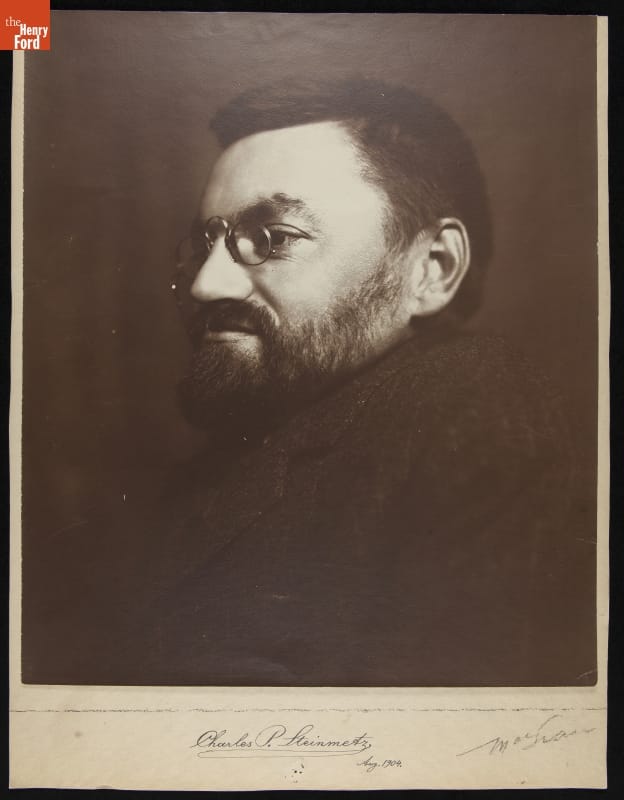
- Charles Steinmetz, August 1904 - Charles Steinmetz excelled at applying mathematical theory and scientific methods to practical engineering, helping define the role of "scientist-engineer" in the American electrical industry. Steinmetz developed important theories on alternating currents, conducted breakthrough experiments on power loss, and authored a number of influential textbooks. His innovations shaped the electrical engineering profession and improved and expanded electrical distribution systems.
- August 01, 1904
- Collections - Artifact
Charles Steinmetz, August 1904
Charles Steinmetz excelled at applying mathematical theory and scientific methods to practical engineering, helping define the role of "scientist-engineer" in the American electrical industry. Steinmetz developed important theories on alternating currents, conducted breakthrough experiments on power loss, and authored a number of influential textbooks. His innovations shaped the electrical engineering profession and improved and expanded electrical distribution systems.
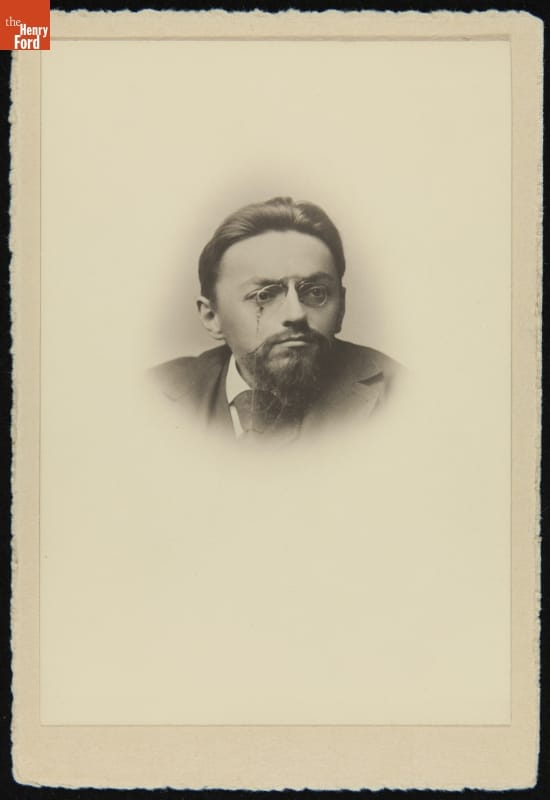
- Charles Steinmetz, circa 1900 - Charles Steinmetz excelled at applying mathematical theory and scientific methods to practical engineering, helping define the role of "scientist-engineer" in the American electrical industry. Steinmetz developed important theories on alternating currents, conducted breakthrough experiments on power loss, and authored a number of influential textbooks. His innovations shaped the electrical engineering profession and improved and expanded electrical distribution systems.
- circa 1900
- Collections - Artifact
Charles Steinmetz, circa 1900
Charles Steinmetz excelled at applying mathematical theory and scientific methods to practical engineering, helping define the role of "scientist-engineer" in the American electrical industry. Steinmetz developed important theories on alternating currents, conducted breakthrough experiments on power loss, and authored a number of influential textbooks. His innovations shaped the electrical engineering profession and improved and expanded electrical distribution systems.
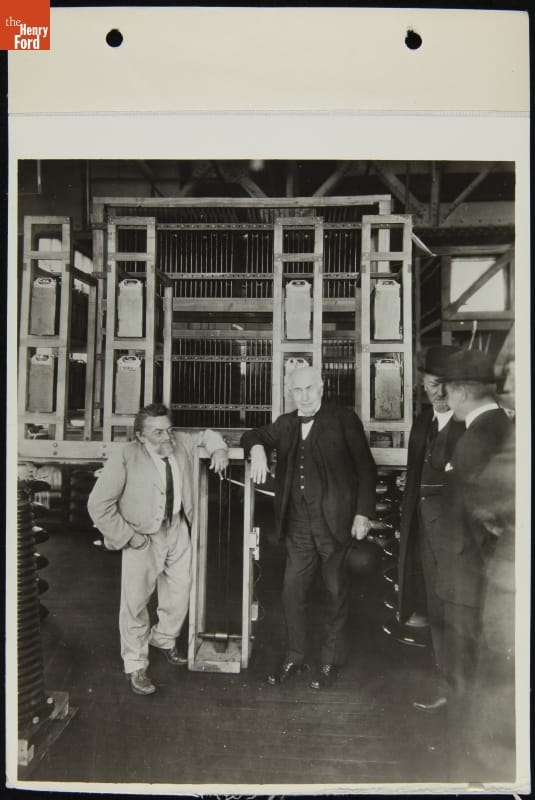
- Charles Steinmetz and Thomas Edison with Steinmetz's Lightning Generator, October 1922 - Charles Steinmetz's electrochemical and high-voltage research at General Electric attracted public attention. The press portrayed Steinmetz as a scientific "wizard" and sensationalized his technical work for popular audiences. During a highly publicized visit in 1922, Thomas Edison observed a lightning generator Steinmetz developed to test new electrical equipment. Newspapers hailed Steinmetz as a "modern Jove," creator of artificial lightning.
- October 01, 1922
- Collections - Artifact
Charles Steinmetz and Thomas Edison with Steinmetz's Lightning Generator, October 1922
Charles Steinmetz's electrochemical and high-voltage research at General Electric attracted public attention. The press portrayed Steinmetz as a scientific "wizard" and sensationalized his technical work for popular audiences. During a highly publicized visit in 1922, Thomas Edison observed a lightning generator Steinmetz developed to test new electrical equipment. Newspapers hailed Steinmetz as a "modern Jove," creator of artificial lightning.
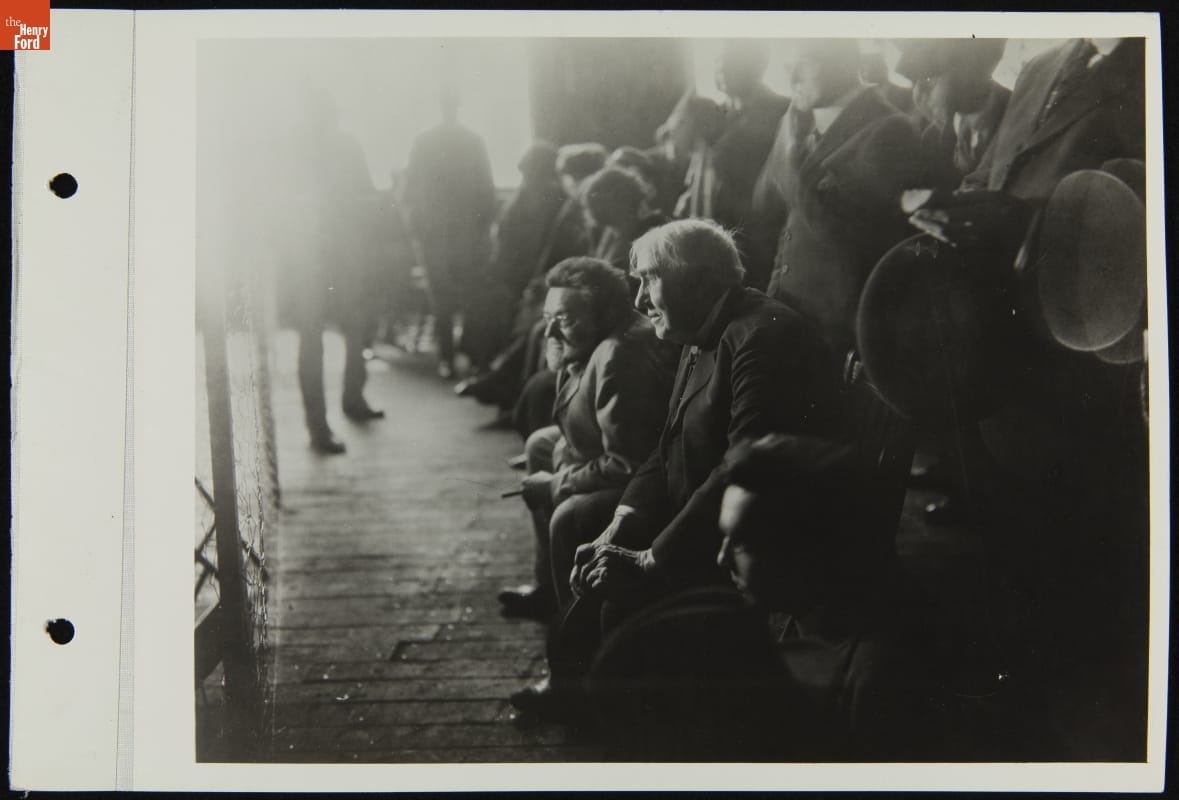
- Charles Steinmetz and Thomas Edison Watch Steinmetz's Lightning Generator, October 1922 - Charles Steinmetz's electrochemical and high-voltage research at General Electric attracted public attention. The press portrayed Steinmetz as a scientific "wizard" and sensationalized his technical work for popular audiences. During a highly publicized visit in 1922, Thomas Edison observed a lightning generator Steinmetz developed to test new electrical equipment. Newspapers hailed Steinmetz as a "modern Jove," creator of artificial lightning.
- October 01, 1922
- Collections - Artifact
Charles Steinmetz and Thomas Edison Watch Steinmetz's Lightning Generator, October 1922
Charles Steinmetz's electrochemical and high-voltage research at General Electric attracted public attention. The press portrayed Steinmetz as a scientific "wizard" and sensationalized his technical work for popular audiences. During a highly publicized visit in 1922, Thomas Edison observed a lightning generator Steinmetz developed to test new electrical equipment. Newspapers hailed Steinmetz as a "modern Jove," creator of artificial lightning.
- Charles Proteus Steinmetz - Charles Steinmetz applied mathematical theory and scientific methods to practical engineering, helping shape the electrical engineering profession. His theories on alternating currents, experiments on power loss, and influential publications placed him at the front of the field and improved electrical power distribution.

- May 22, 2017
- Collections - Set
Charles Proteus Steinmetz
Charles Steinmetz applied mathematical theory and scientific methods to practical engineering, helping shape the electrical engineering profession. His theories on alternating currents, experiments on power loss, and influential publications placed him at the front of the field and improved electrical power distribution.
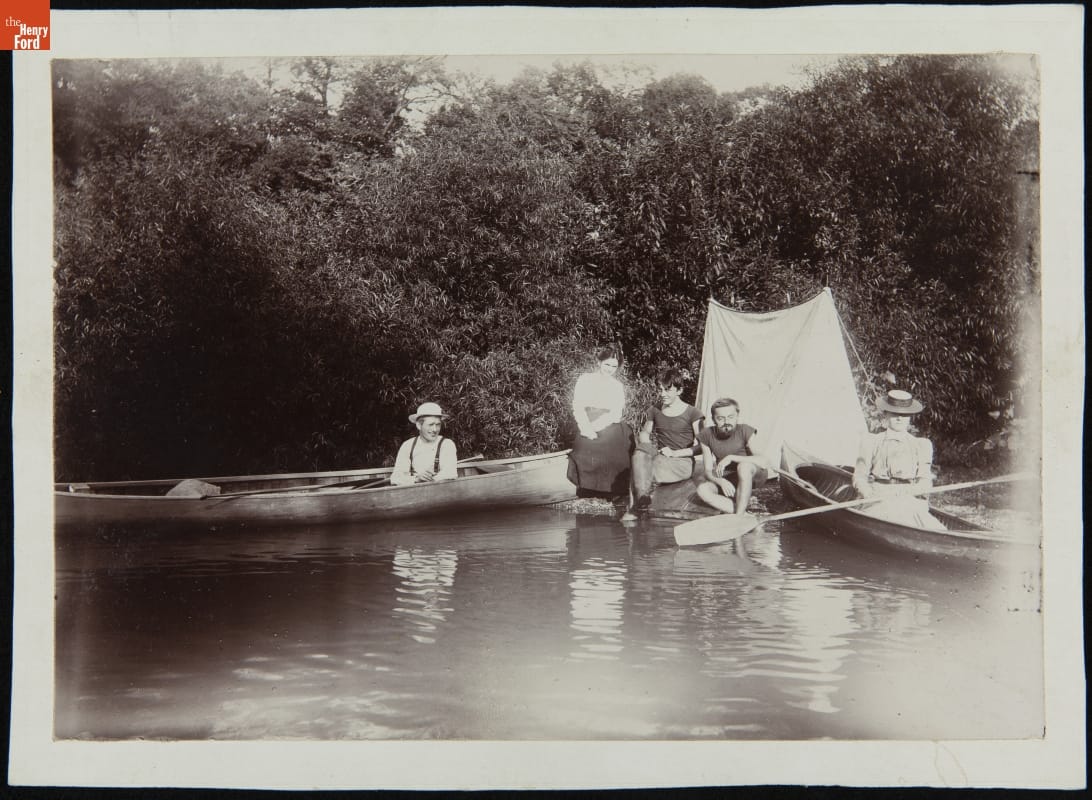
- Charles Steinmetz, Clara Steinmetz, and Friends on the Mohawk River near Steinmetz's Cabin, 1901 - In the 1890s, leading electrical engineer Charles Steinmetz built a cabin overlooking a tributary of the Mohawk River near Schenectady, New York. Its setting was a contrast to the General Electric laboratories where Steinmetz spent his workweek. Until his death in 1923, "Camp Mohawk" served as a getaway for quiet study or writing, or for more animated weekend gatherings with selected friends and associates.
- 1901
- Collections - Artifact
Charles Steinmetz, Clara Steinmetz, and Friends on the Mohawk River near Steinmetz's Cabin, 1901
In the 1890s, leading electrical engineer Charles Steinmetz built a cabin overlooking a tributary of the Mohawk River near Schenectady, New York. Its setting was a contrast to the General Electric laboratories where Steinmetz spent his workweek. Until his death in 1923, "Camp Mohawk" served as a getaway for quiet study or writing, or for more animated weekend gatherings with selected friends and associates.
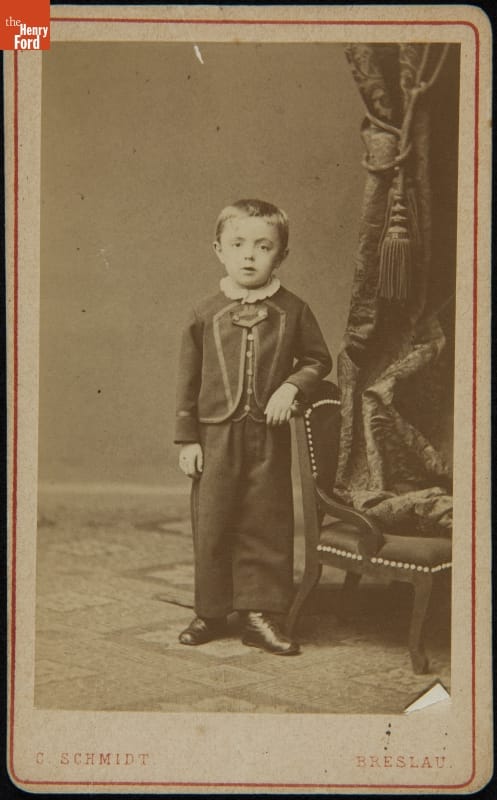
- Charles Steinmetz at Age 6, 1871 - Charles Steinmetz was born in 1865 in Breslau, Germany (now Wroclaw, Poland). He excelled in mathematics and science at an early age. In 1889, Steinmetz moved to the United States to pursue a career in electrical engineering. His influential experiments, theories, and publications helped define the electrical engineering profession and improved and expanded electrical distribution systems.
- 1871
- Collections - Artifact
Charles Steinmetz at Age 6, 1871
Charles Steinmetz was born in 1865 in Breslau, Germany (now Wroclaw, Poland). He excelled in mathematics and science at an early age. In 1889, Steinmetz moved to the United States to pursue a career in electrical engineering. His influential experiments, theories, and publications helped define the electrical engineering profession and improved and expanded electrical distribution systems.