
Search
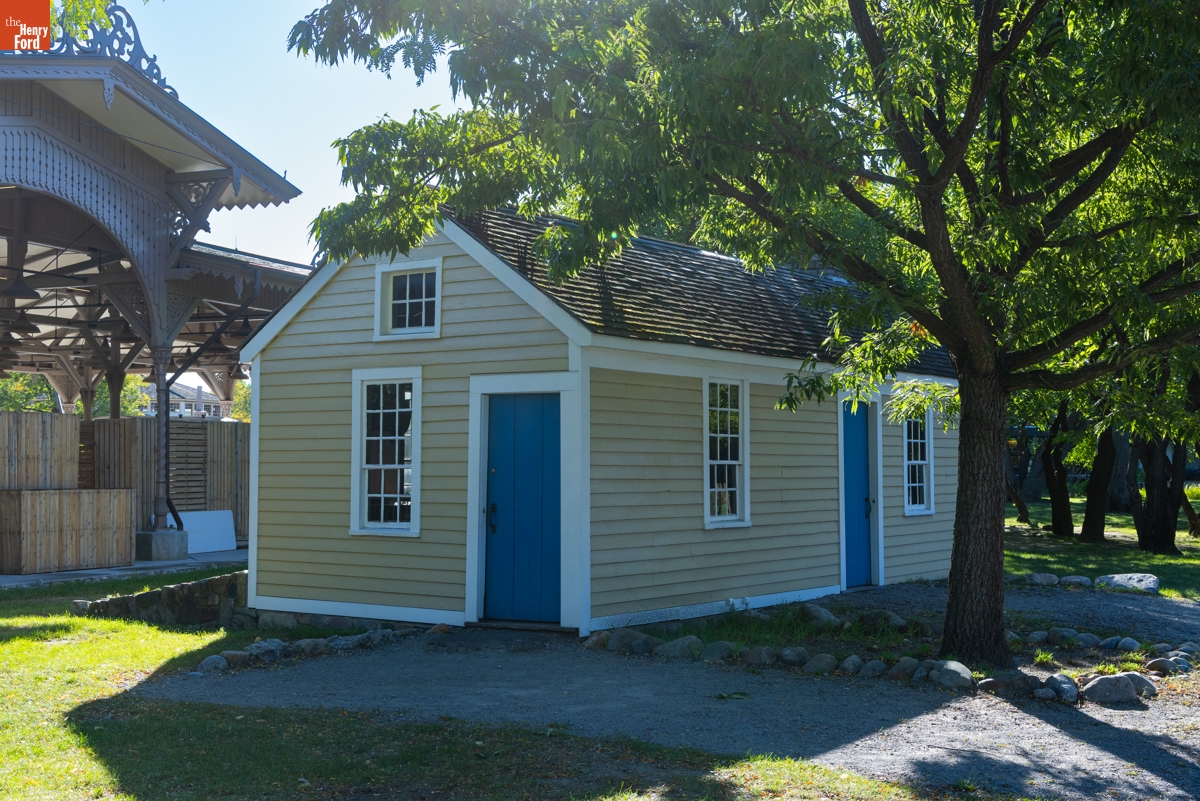
- Greenfield Village Buildings - As America was taking its first steps towards industrialization, the Hanks family of Mansfield, Connecticut, made early attempts to mechanize the production of silk thread. Rodney Hanks and his nephew Horatio Hanks built this mill in 1810. It was the first silk mill in America, producing some of the first silk with machines that were powered by a waterwheel.
- May 29, 2013
- Collections - Set
Greenfield Village Buildings
As America was taking its first steps towards industrialization, the Hanks family of Mansfield, Connecticut, made early attempts to mechanize the production of silk thread. Rodney Hanks and his nephew Horatio Hanks built this mill in 1810. It was the first silk mill in America, producing some of the first silk with machines that were powered by a waterwheel.
- Greenfield Village Tintype Studio - Just before the official dedication of The Henry Ford in 1929, Henry Ford decided he wanted a tintype studio added to the village, so it was built and furnished in one day. Learn more about the building and the tintype process on our blog.

- July 10, 2020
- Collections - article
Greenfield Village Tintype Studio
Just before the official dedication of The Henry Ford in 1929, Henry Ford decided he wanted a tintype studio added to the village, so it was built and furnished in one day. Learn more about the building and the tintype process on our blog.
- #THF90: Creating Greenfield Village - In 1927, Henry Ford began to acquire buildings and move them to Greenfield Village. But what was the very first building he acquired? If you've visited, you may have eaten lunch there.

- February 20, 2019
- Collections - article
#THF90: Creating Greenfield Village
In 1927, Henry Ford began to acquire buildings and move them to Greenfield Village. But what was the very first building he acquired? If you've visited, you may have eaten lunch there.
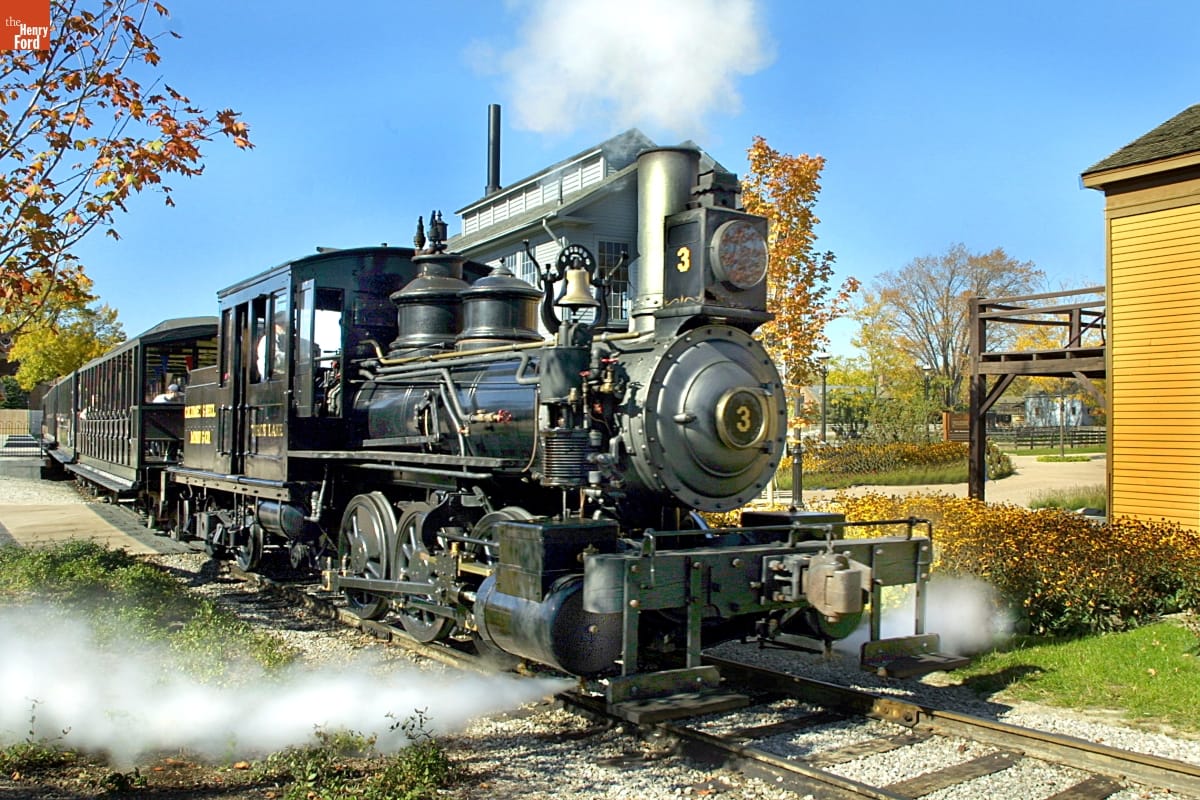
- Locomotives of Greenfield Village - <EM>Torch Lake</EM>, built by Mason Machine Works in 1873, hauled ore for the Calumet and Hecla Mining Company on Michigan's Keweenaw Peninsula. The engine is an articulated design. The driving wheels pivot under the boiler, allowing the locomotive to handle sharp curves. <EM>Torch Lake</EM> joined The Henry Ford's collection in 1969.
- October 16, 2015
- Collections - Set
Locomotives of Greenfield Village
Torch Lake, built by Mason Machine Works in 1873, hauled ore for the Calumet and Hecla Mining Company on Michigan's Keweenaw Peninsula. The engine is an articulated design. The driving wheels pivot under the boiler, allowing the locomotive to handle sharp curves. Torch Lake joined The Henry Ford's collection in 1969.
- Weaving in Greenfield Village - Henry Ford believed in "learning by doing." Students enrolled in the Edison Institute Schools located on the grounds of Ford's Greenfield Village had ample opportunities for practical, hands-on training. Students, if they desired, could learn to weave. Beginners used small tabletop looms. As they progressed students created woven materials using larger looms located in Greenfield Village's Plymouth Carding Mill and Weaving Shed.

- October 16, 2015
- Collections - Set
Weaving in Greenfield Village
Henry Ford believed in "learning by doing." Students enrolled in the Edison Institute Schools located on the grounds of Ford's Greenfield Village had ample opportunities for practical, hands-on training. Students, if they desired, could learn to weave. Beginners used small tabletop looms. As they progressed students created woven materials using larger looms located in Greenfield Village's Plymouth Carding Mill and Weaving Shed.
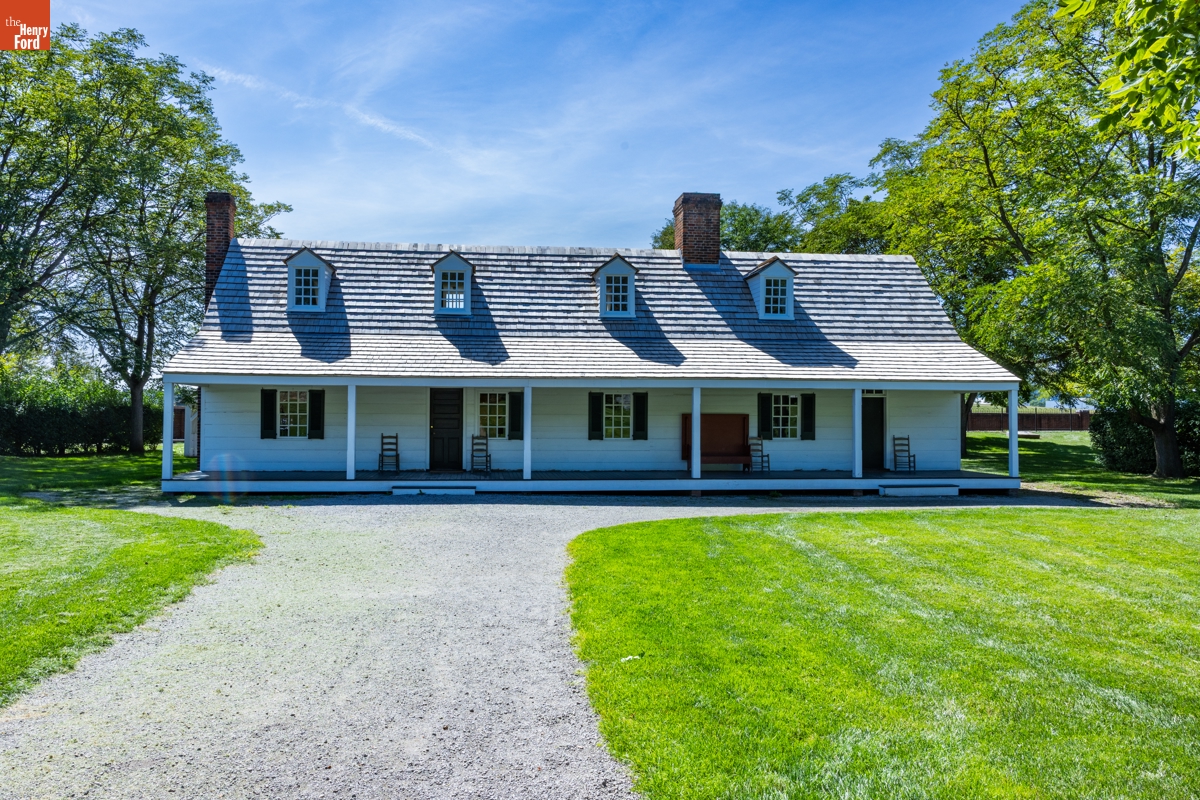
- Porches of Greenfield Village - During the 19th century, the front porch was a popular feature on many buildings in American towns, crossroads villages, and rural areas. Porches served a multitude of purposes--from providing cooling breezes to bringing friends and family members together to welcoming outside guests. The porches on Greenfield Village buildings represent many different styles, eras, and places.
- November 09, 2022
- Collections - Set
Porches of Greenfield Village
During the 19th century, the front porch was a popular feature on many buildings in American towns, crossroads villages, and rural areas. Porches served a multitude of purposes--from providing cooling breezes to bringing friends and family members together to welcoming outside guests. The porches on Greenfield Village buildings represent many different styles, eras, and places.
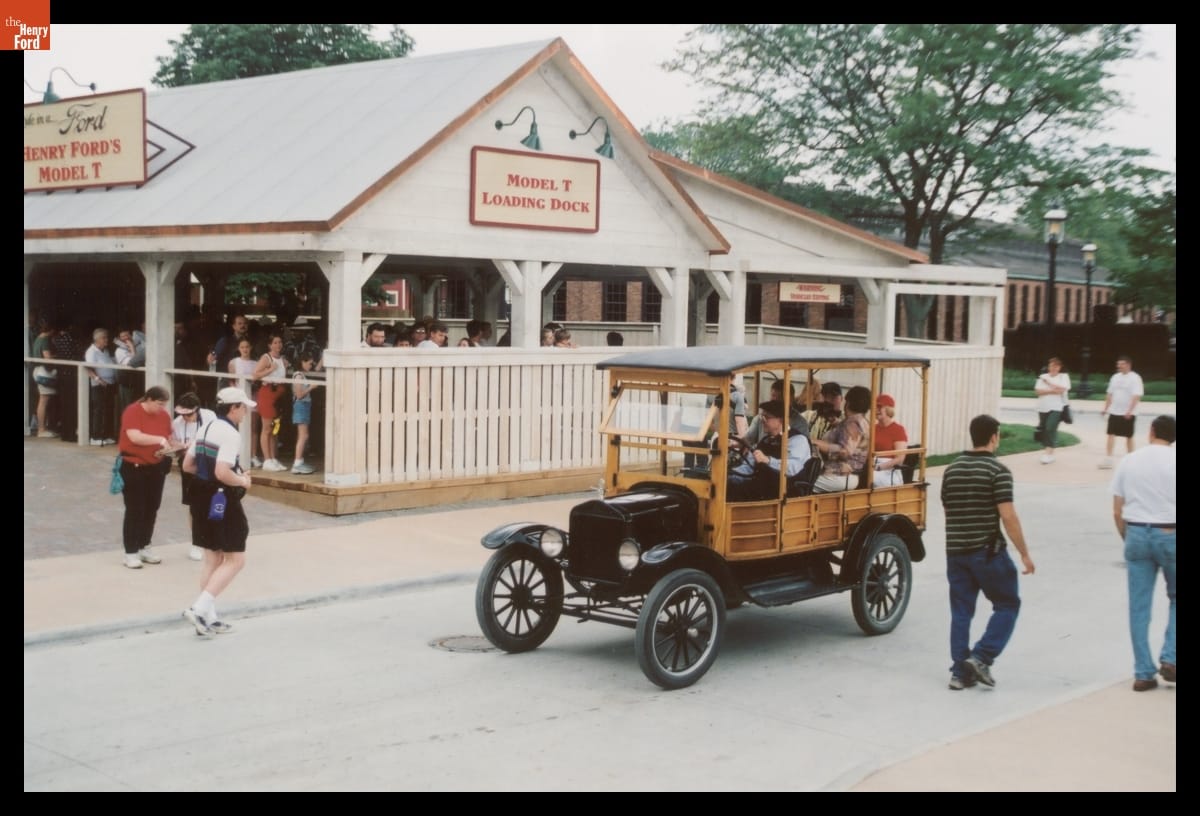
- Restoring Greenfield Village 2003 - Much of Greenfield Village looked quite different in 2002 from what you see today. The village was showing its age -- its crumbling infrastructure desperately needed repair. Yet replacing the underground systems also provided an opportunity to refresh and revise Greenfield Village itself. In September 2002, Greenfield Village closed to the public and restoration began. The transformed village reopened just nine months later.
- June 08, 2023
- Collections - Set
Restoring Greenfield Village 2003
Much of Greenfield Village looked quite different in 2002 from what you see today. The village was showing its age -- its crumbling infrastructure desperately needed repair. Yet replacing the underground systems also provided an opportunity to refresh and revise Greenfield Village itself. In September 2002, Greenfield Village closed to the public and restoration began. The transformed village reopened just nine months later.
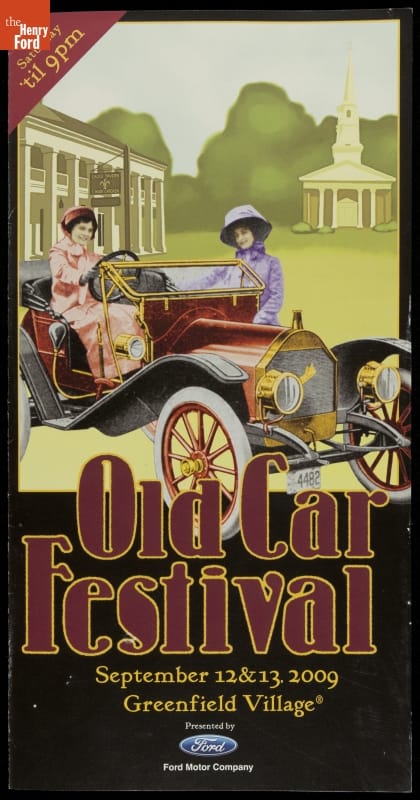
- Brochure for Old Car Festival in Greenfield Village, 2009 - Historic sites and heritage areas are popular family vacation destinations. Car buffs and history lovers travel to Greenfield Village in Dearborn, Michigan, to view a parade of hundreds of historic vehicles each year at the site's Old Car Festival.
- 12 September 2009-13 September 2009
- Collections - Artifact
Brochure for Old Car Festival in Greenfield Village, 2009
Historic sites and heritage areas are popular family vacation destinations. Car buffs and history lovers travel to Greenfield Village in Dearborn, Michigan, to view a parade of hundreds of historic vehicles each year at the site's Old Car Festival.
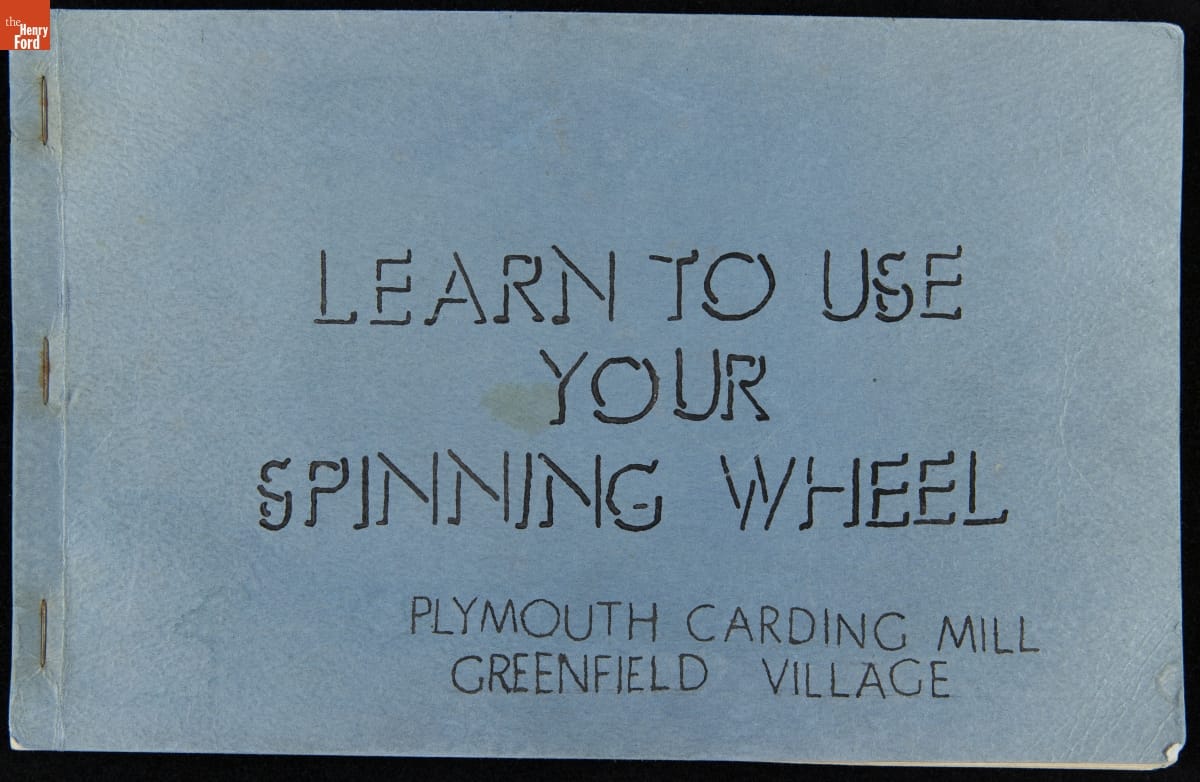
- Learn to Use Your Spinning Wheel, 1960 -
- 1960
- Collections - Artifact
Learn to Use Your Spinning Wheel, 1960
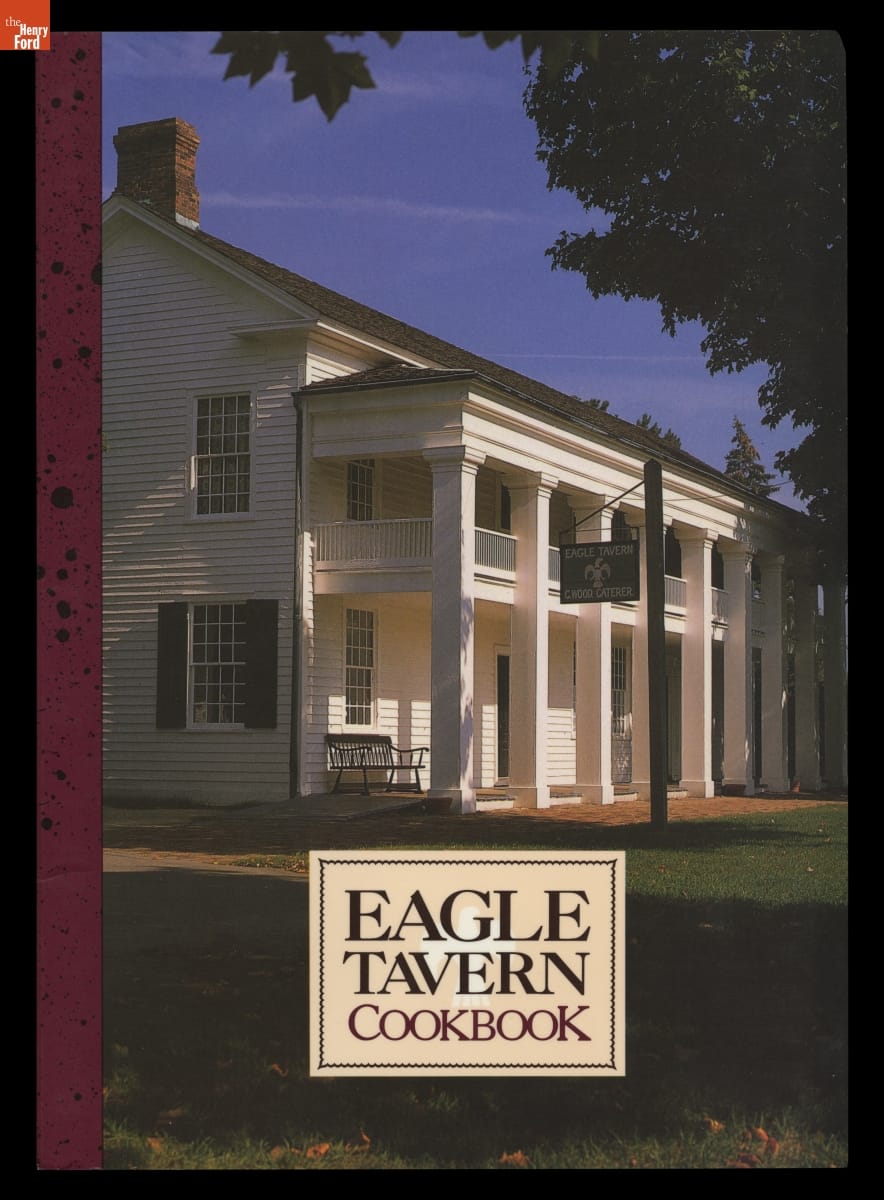
- Eagle Tavern Cookbook, 1988 - In the early 1980s, Henry Ford Museum & Greenfield Village began assessing and upgrading the interpretation of its buildings, focusing on the dramatic changes that Americans experienced during the 1800s. This included reinterpreting Clinton Inn to its 1850s era, when Calvin Wood operated the building as Eagle Tavern. This cookbook includes recipes served at the re-created Eagle Tavern since 1982.
- 1988
- Collections - Artifact
Eagle Tavern Cookbook, 1988
In the early 1980s, Henry Ford Museum & Greenfield Village began assessing and upgrading the interpretation of its buildings, focusing on the dramatic changes that Americans experienced during the 1800s. This included reinterpreting Clinton Inn to its 1850s era, when Calvin Wood operated the building as Eagle Tavern. This cookbook includes recipes served at the re-created Eagle Tavern since 1982.