
Search
- Menlo Park Laboratory - When Edison moved to Menlo Park, New Jersey, in spring of 1876 the laboratory building contained his entire operation -- a handful of collaborators, office, library, and machine shop as well as laboratory. As the scale of Edison's investigations grew so did the complex, but this building -- dedicated to experimental activities -- was always understood to be the heart of the enterprise.

- 1876-1883
- Collections - Artifact
Menlo Park Laboratory
When Edison moved to Menlo Park, New Jersey, in spring of 1876 the laboratory building contained his entire operation -- a handful of collaborators, office, library, and machine shop as well as laboratory. As the scale of Edison's investigations grew so did the complex, but this building -- dedicated to experimental activities -- was always understood to be the heart of the enterprise.
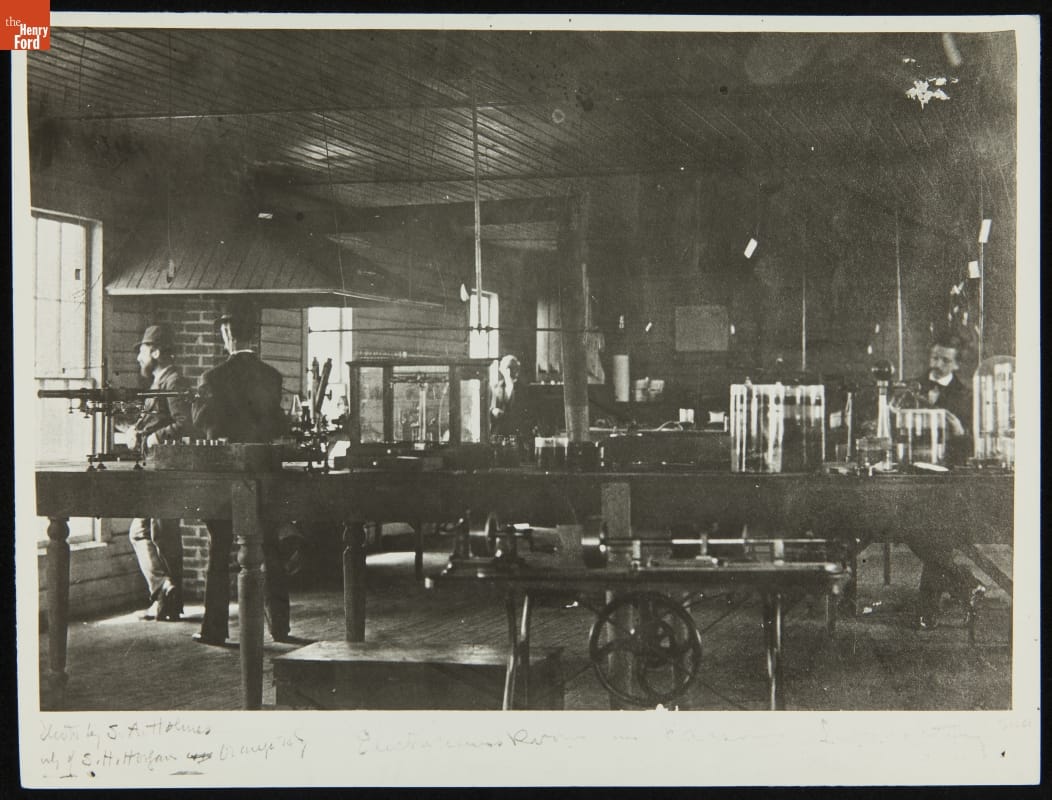
- Laboratory Assistants Working in Thomas Edison's Laboratory, Menlo Park, New Jersey, circa 1880 - The names of "star" designers might lodge in our minds, just as the names of innovators like Thomas Edison do. But while the essential vision for a design might arise from an individual, it is typically collaboration that drives design ideas through to results. At the Menlo Park laboratory many experimenters undertook the research that made Edison's vision a reality.
- circa 1880
- Collections - Artifact
Laboratory Assistants Working in Thomas Edison's Laboratory, Menlo Park, New Jersey, circa 1880
The names of "star" designers might lodge in our minds, just as the names of innovators like Thomas Edison do. But while the essential vision for a design might arise from an individual, it is typically collaboration that drives design ideas through to results. At the Menlo Park laboratory many experimenters undertook the research that made Edison's vision a reality.
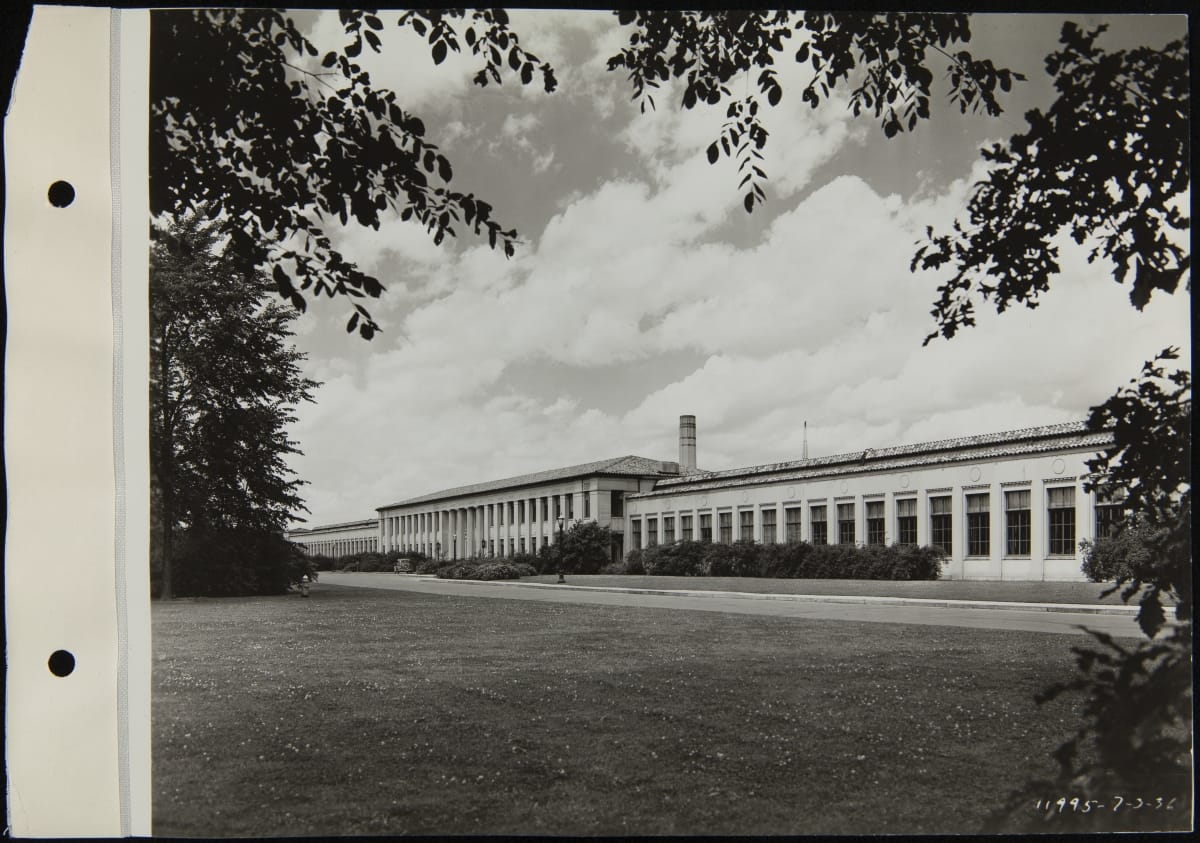
- Ford Engineering Laboratory, July 1936 - Built in 1923-1924, the Ford Engineering Laboratory in Dearborn, Michigan, housed the automaker's tool design, production engineering and experimental engineering research departments. Henry Ford had an office there and, throughout his lifetime, the lab was the true heart of Ford Motor Company. The facility was expanded and remodeled several times over the years.
- July 03, 1936
- Collections - Artifact
Ford Engineering Laboratory, July 1936
Built in 1923-1924, the Ford Engineering Laboratory in Dearborn, Michigan, housed the automaker's tool design, production engineering and experimental engineering research departments. Henry Ford had an office there and, throughout his lifetime, the lab was the true heart of Ford Motor Company. The facility was expanded and remodeled several times over the years.
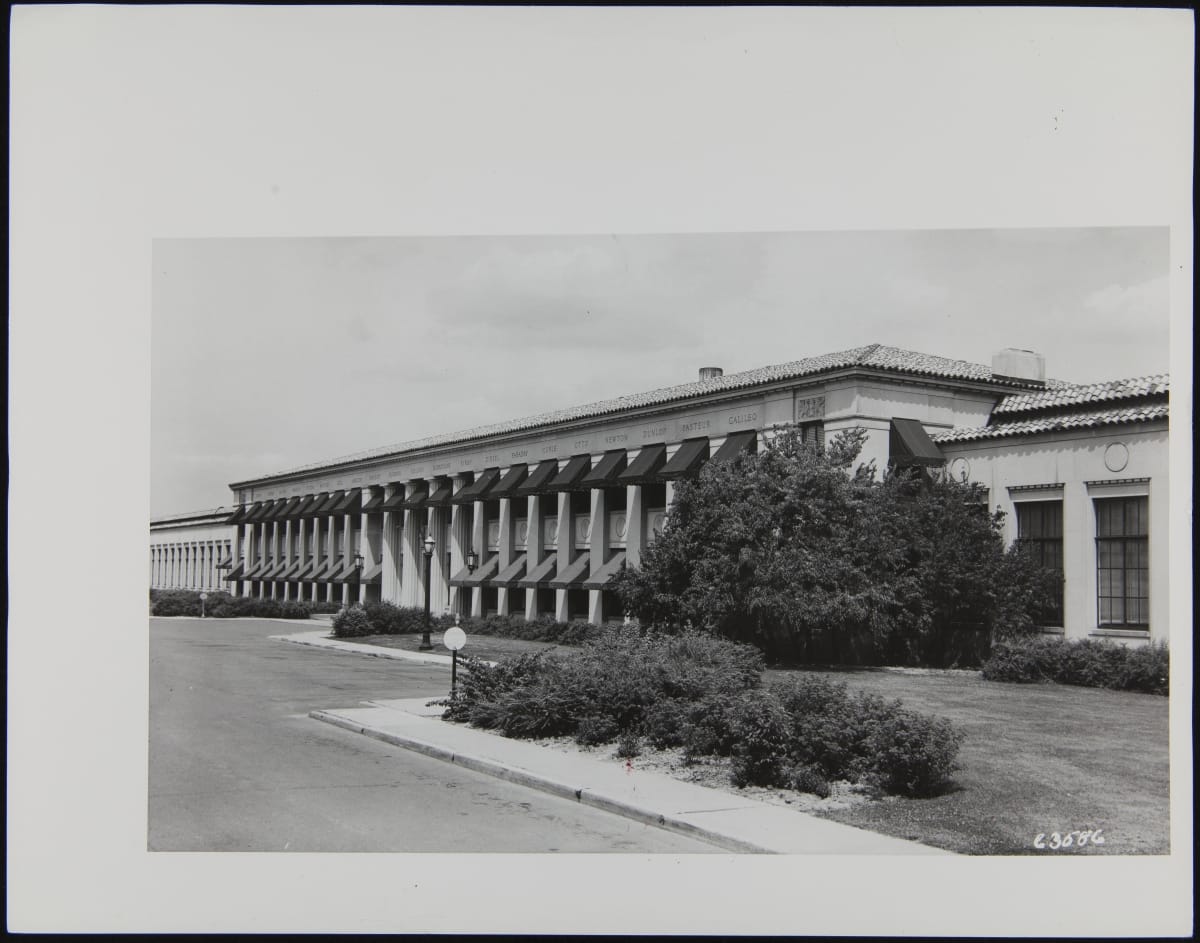
- Ford Engineering Laboratory, August 1951 - Built in 1923-1924, the Ford Engineering Laboratory in Dearborn, Michigan, housed the automaker's tool design, production engineering and experimental engineering research departments. Henry Ford had an office there and, throughout his lifetime, the lab was the true heart of Ford Motor Company. The facility was expanded and remodeled several times over the years.
- August 13, 1951
- Collections - Artifact
Ford Engineering Laboratory, August 1951
Built in 1923-1924, the Ford Engineering Laboratory in Dearborn, Michigan, housed the automaker's tool design, production engineering and experimental engineering research departments. Henry Ford had an office there and, throughout his lifetime, the lab was the true heart of Ford Motor Company. The facility was expanded and remodeled several times over the years.
- "Pyrex Laboratory Glassware," 1934 -
- 1934
- Collections - Artifact
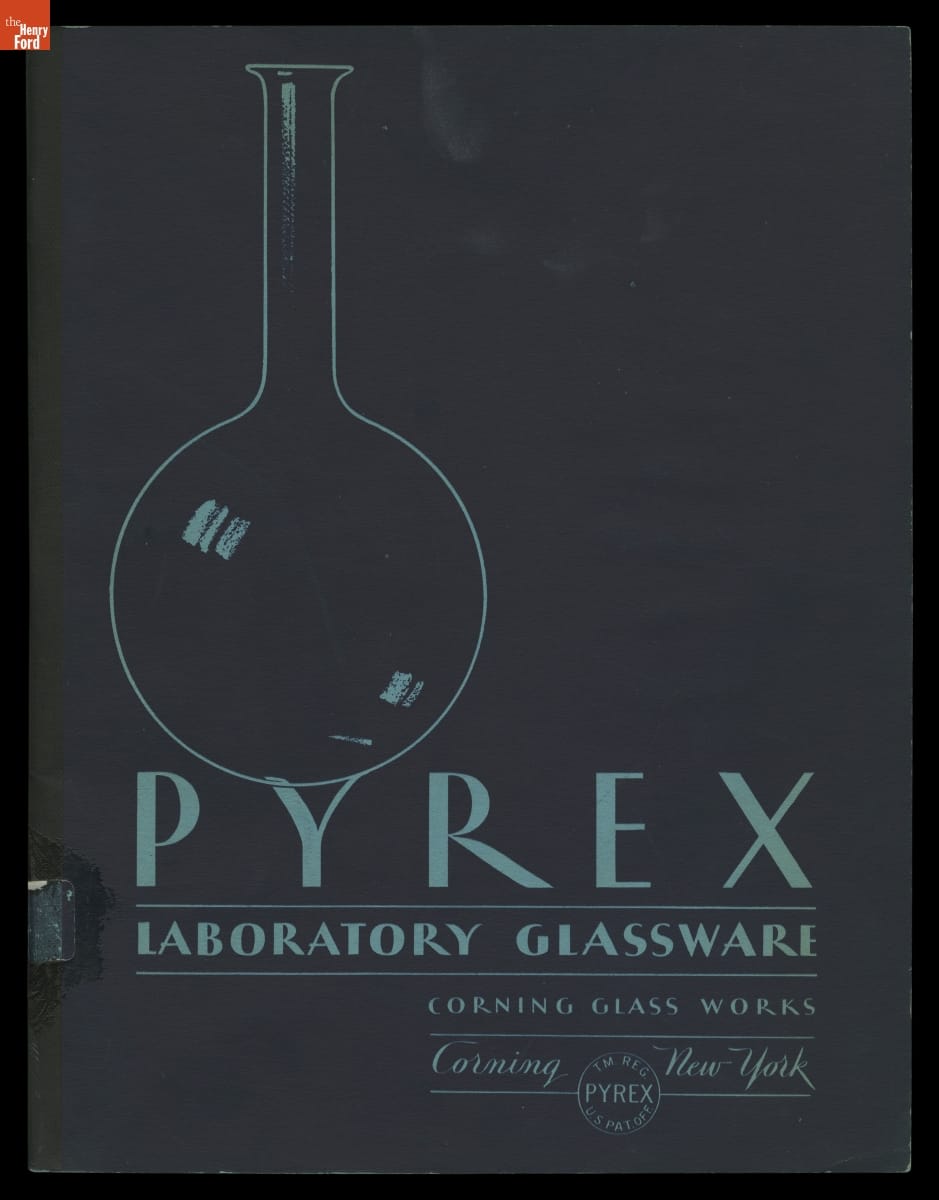
"Pyrex Laboratory Glassware," 1934
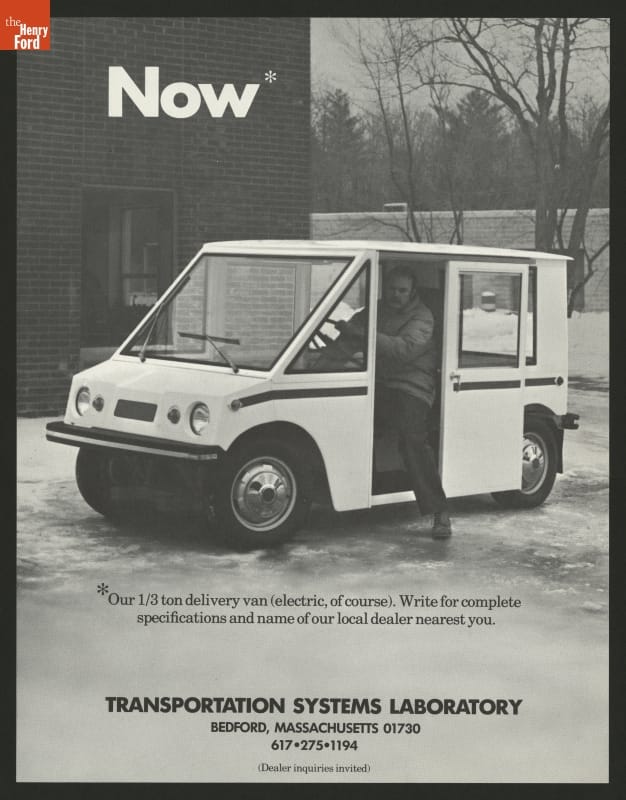
- Transportation Systems Laboratory Promotional Materials, 1973 - Transportation Systems Laboratory produced this press kit in 1973. The company manufactured electric delivery vans. The vans used a battery pack of 14 six-volt batteries. Like earlier electric vehicles, these vans had a limited range -- 35 miles from a single charge. The U.S. Postal Service tested a number of these vehicles.
- 1973
- Collections - Artifact
Transportation Systems Laboratory Promotional Materials, 1973
Transportation Systems Laboratory produced this press kit in 1973. The company manufactured electric delivery vans. The vans used a battery pack of 14 six-volt batteries. Like earlier electric vehicles, these vans had a limited range -- 35 miles from a single charge. The U.S. Postal Service tested a number of these vehicles.
- Thomas Edison’s Menlo Park Laboratory - Learn how Henry Ford rebuilt and recreated Thomas Edison's Menlo Park Laboratory on the grounds of Greenfield Village in Dearborn, Michigan.

- September 01, 2014
- Collections - article
Thomas Edison’s Menlo Park Laboratory
Learn how Henry Ford rebuilt and recreated Thomas Edison's Menlo Park Laboratory on the grounds of Greenfield Village in Dearborn, Michigan.
- Thomas Edison's Fort Myers Laboratory - This well-equipped laboratory enabled Edison to carry on his investigations even as he seemed to seek a break from business and other matters. The first building to be completed in Greenfield Village, it had a second experimental life, offering seclusion to a select group of Ford Motor Company engineers tasked with developing the Ford V-8 engine in the early 1930s.

- 1885
- Collections - Artifact
Thomas Edison's Fort Myers Laboratory
This well-equipped laboratory enabled Edison to carry on his investigations even as he seemed to seek a break from business and other matters. The first building to be completed in Greenfield Village, it had a second experimental life, offering seclusion to a select group of Ford Motor Company engineers tasked with developing the Ford V-8 engine in the early 1930s.
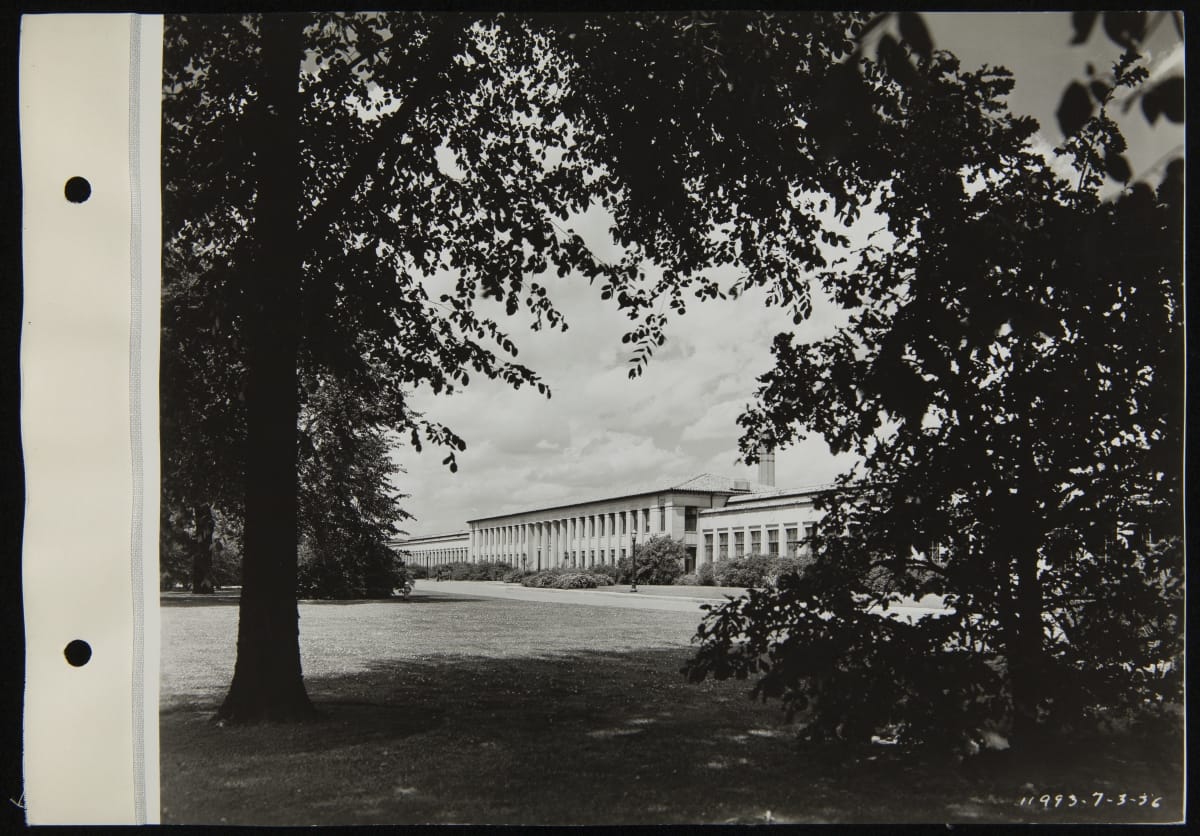
- Ford Engineering Laboratory, July 1936 - Built in 1923-1924, the Ford Engineering Laboratory in Dearborn, Michigan, housed the automaker's tool design, production engineering and experimental engineering research departments. Henry Ford had an office there and, throughout his lifetime, the lab was the true heart of Ford Motor Company. The facility was expanded and remodeled several times over the years.
- July 03, 1936
- Collections - Artifact
Ford Engineering Laboratory, July 1936
Built in 1923-1924, the Ford Engineering Laboratory in Dearborn, Michigan, housed the automaker's tool design, production engineering and experimental engineering research departments. Henry Ford had an office there and, throughout his lifetime, the lab was the true heart of Ford Motor Company. The facility was expanded and remodeled several times over the years.
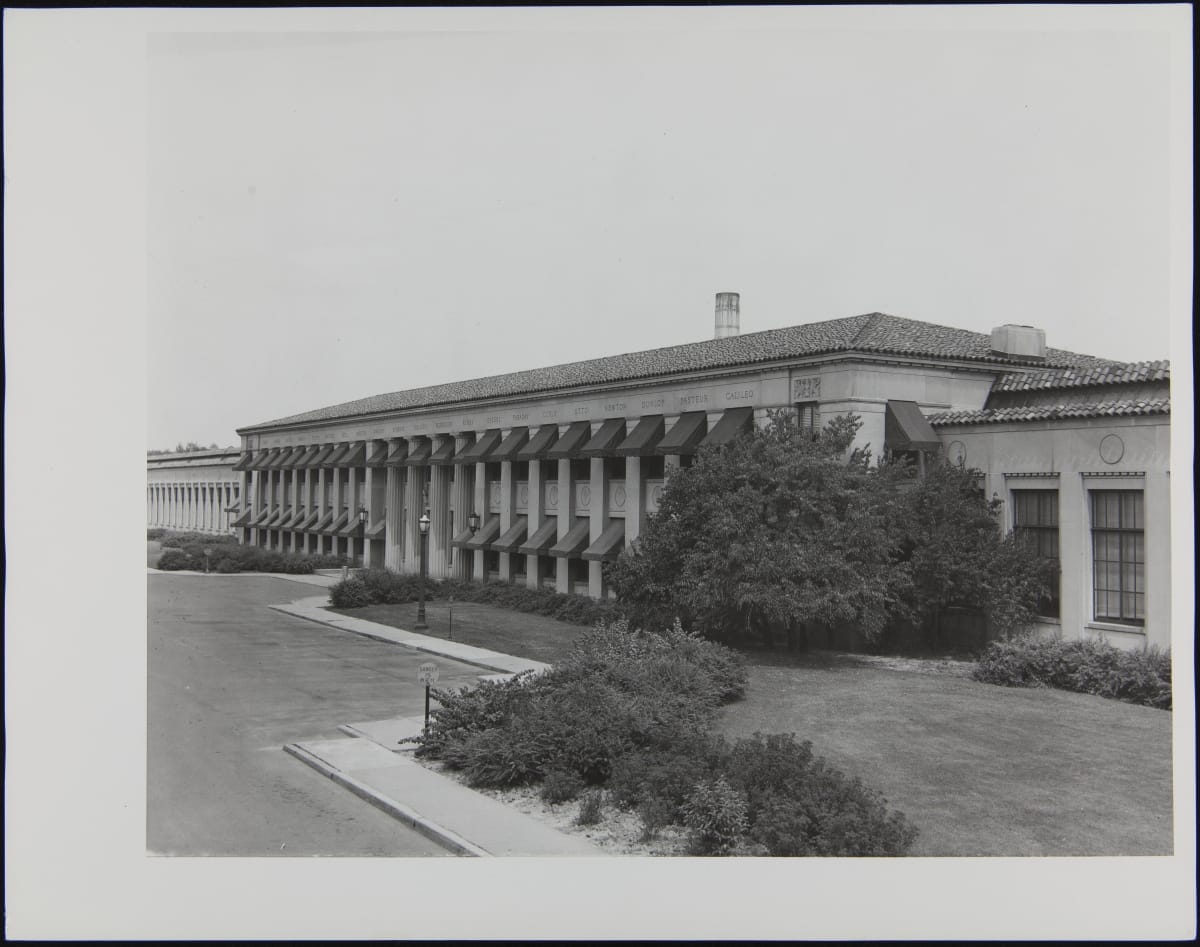
- Ford Engineering Laboratory, August 1951 - Built in 1923-1924, the Ford Engineering Laboratory in Dearborn, Michigan, housed the automaker's tool design, production engineering and experimental engineering research departments. Henry Ford had an office there and, throughout his lifetime, the lab was the true heart of Ford Motor Company. The facility was expanded and remodeled several times over the years.
- August 13, 1951
- Collections - Artifact
Ford Engineering Laboratory, August 1951
Built in 1923-1924, the Ford Engineering Laboratory in Dearborn, Michigan, housed the automaker's tool design, production engineering and experimental engineering research departments. Henry Ford had an office there and, throughout his lifetime, the lab was the true heart of Ford Motor Company. The facility was expanded and remodeled several times over the years.