
Search
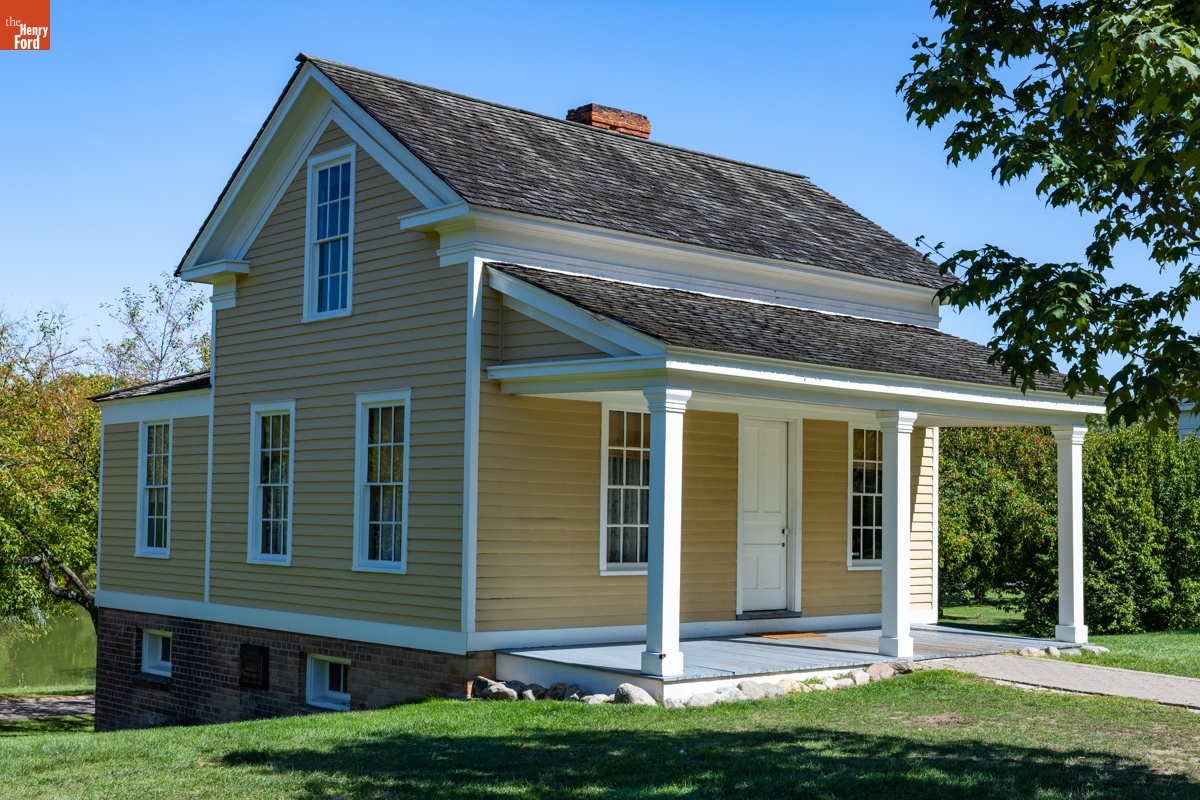
- Chapman Family Home - During the 1870s, this simple farmhouse was the home of John B. Chapman and his wife Susie. Chapman taught several terms in the one-room schools of his rural community. Young Henry Ford was one of his pupils. Chapman also worked at other tasks for much of the year, as a farmhand and as a cooper, making barrels for local farmers.
- 1860
- Collections - Artifact
Chapman Family Home
During the 1870s, this simple farmhouse was the home of John B. Chapman and his wife Susie. Chapman taught several terms in the one-room schools of his rural community. Young Henry Ford was one of his pupils. Chapman also worked at other tasks for much of the year, as a farmhand and as a cooper, making barrels for local farmers.
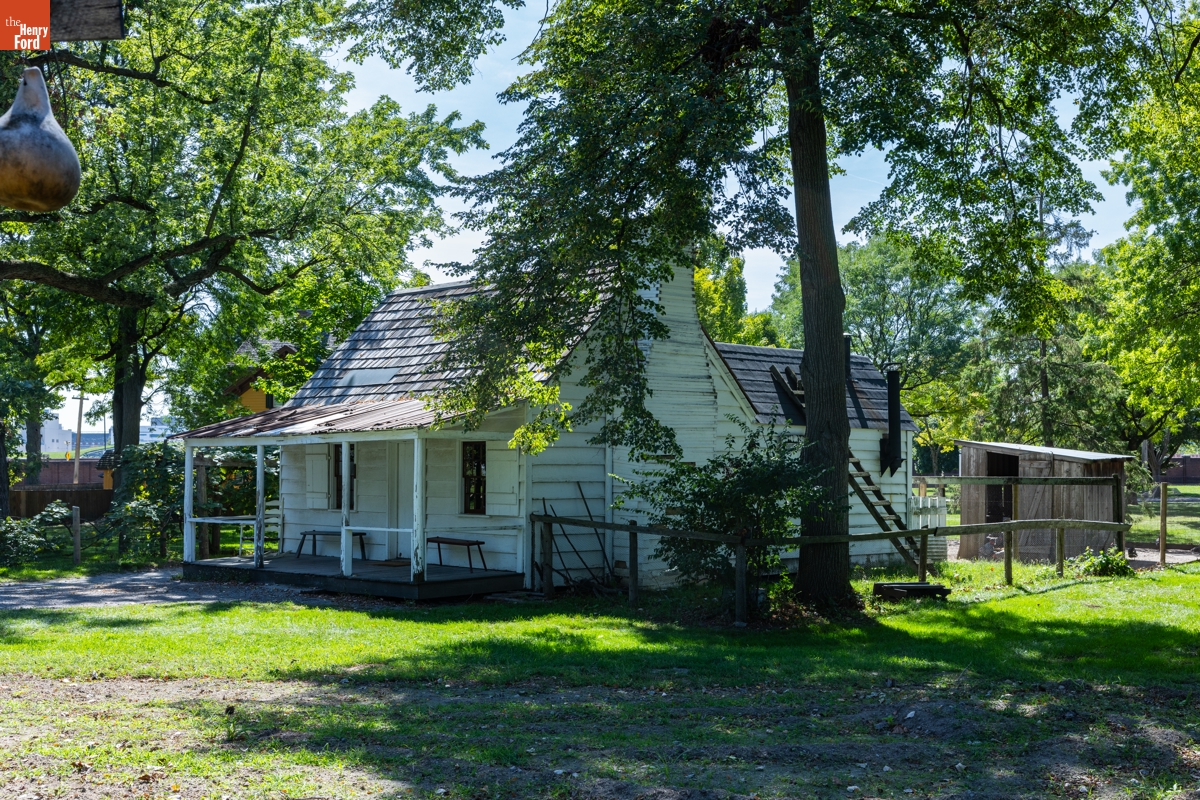
- Mattox Family Home - Amos and Grace Mattox -- descended from enslaved African Americans -- raised their two children in this rural Georgia farmhouse during the Great Depression of the 1930s. Amos farmed, cut hair, made shoes, and preached at the local church, while Grace sewed, canned, cooked, and helped needy neighbors. Although life was hard, the family proudly affirmed that there was "always enough."
- 1930-1939
- Collections - Artifact
Mattox Family Home
Amos and Grace Mattox -- descended from enslaved African Americans -- raised their two children in this rural Georgia farmhouse during the Great Depression of the 1930s. Amos farmed, cut hair, made shoes, and preached at the local church, while Grace sewed, canned, cooked, and helped needy neighbors. Although life was hard, the family proudly affirmed that there was "always enough."
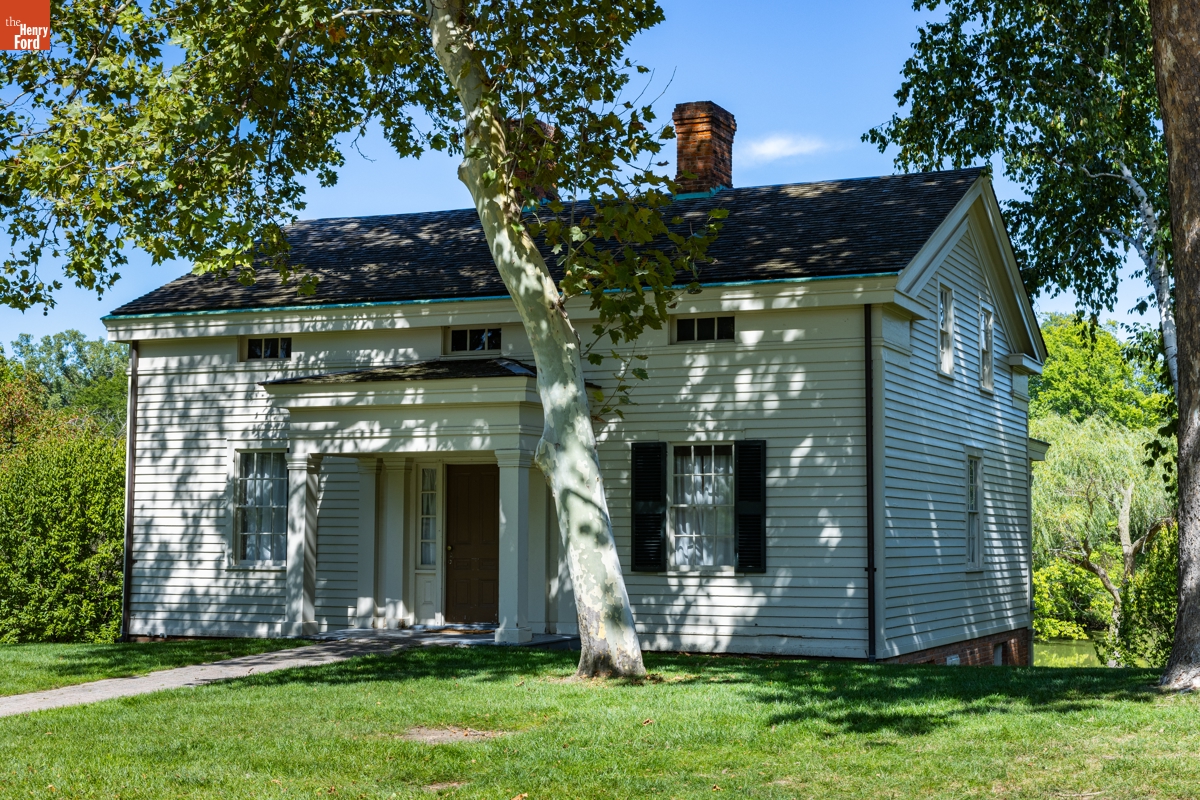
- Adams Family Home - George Matthew Adams was born in this modest Baptist parsonage in a bustling rural village in 1878. His column "Today's Talk" appeared in newspapers across the country. It was influenced by his religious upbringing, and its inspirational tone appealed to the average American. Adams' father was a Baptist minister, and his parents raised their five children to have strong morals.
- 1846
- Collections - Artifact
Adams Family Home
George Matthew Adams was born in this modest Baptist parsonage in a bustling rural village in 1878. His column "Today's Talk" appeared in newspapers across the country. It was influenced by his religious upbringing, and its inspirational tone appealed to the average American. Adams' father was a Baptist minister, and his parents raised their five children to have strong morals.
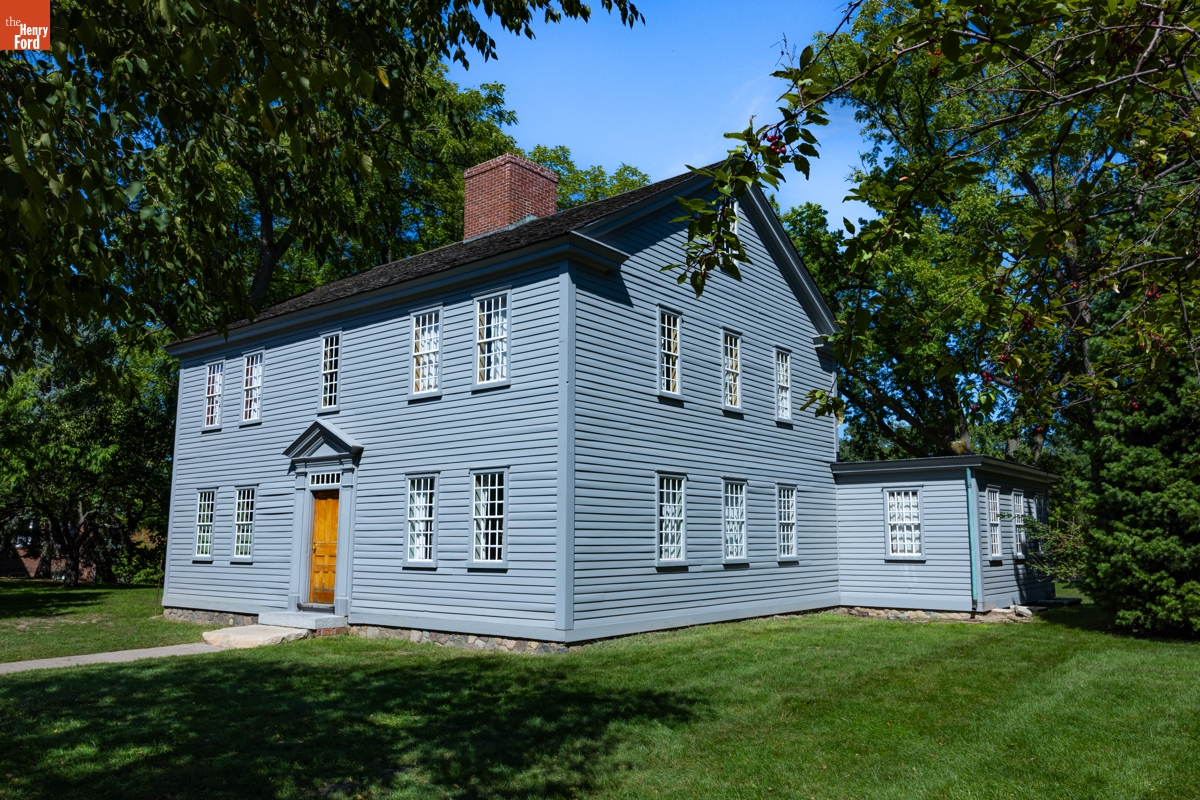
- Giddings Family Home - John Giddings was a merchant who earned a good living in the West Indies trade. Giddings lived here with his wife and five children. He built this grand house in 1751 in Exeter, New Hampshire. Its plan was typical of upscale New England houses of its time, with a multi-purpose hall and parlor on the first floor and two bedrooms above.
- circa 1750
- Collections - Artifact
Giddings Family Home
John Giddings was a merchant who earned a good living in the West Indies trade. Giddings lived here with his wife and five children. He built this grand house in 1751 in Exeter, New Hampshire. Its plan was typical of upscale New England houses of its time, with a multi-purpose hall and parlor on the first floor and two bedrooms above.
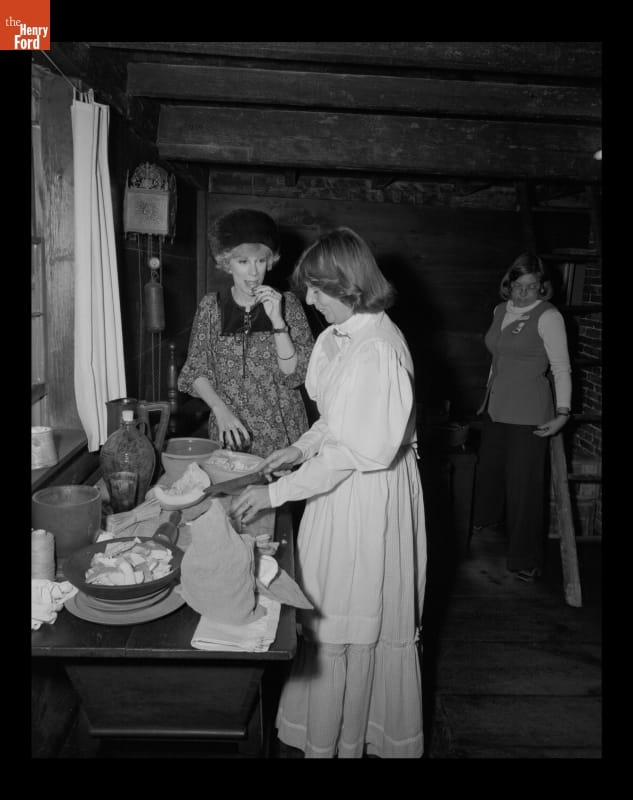
- Joan Rivers Visiting Plympton House in Greenfield Village, November 4, 1977 - Many famous individuals have visited Greenfield Village and Henry Ford Museum. Actors, authors, and artists have passed through the entrance gates; business leaders, royalty, politicians, and a host of others have toured the exhibits. Photographs by the institution's photographer were taken if the celebrity allowed it. In 1977, comedian Joan Rivers got a taste of the living history programs at Greenfield Village.
- November 04, 1977
- Collections - Artifact
Joan Rivers Visiting Plympton House in Greenfield Village, November 4, 1977
Many famous individuals have visited Greenfield Village and Henry Ford Museum. Actors, authors, and artists have passed through the entrance gates; business leaders, royalty, politicians, and a host of others have toured the exhibits. Photographs by the institution's photographer were taken if the celebrity allowed it. In 1977, comedian Joan Rivers got a taste of the living history programs at Greenfield Village.
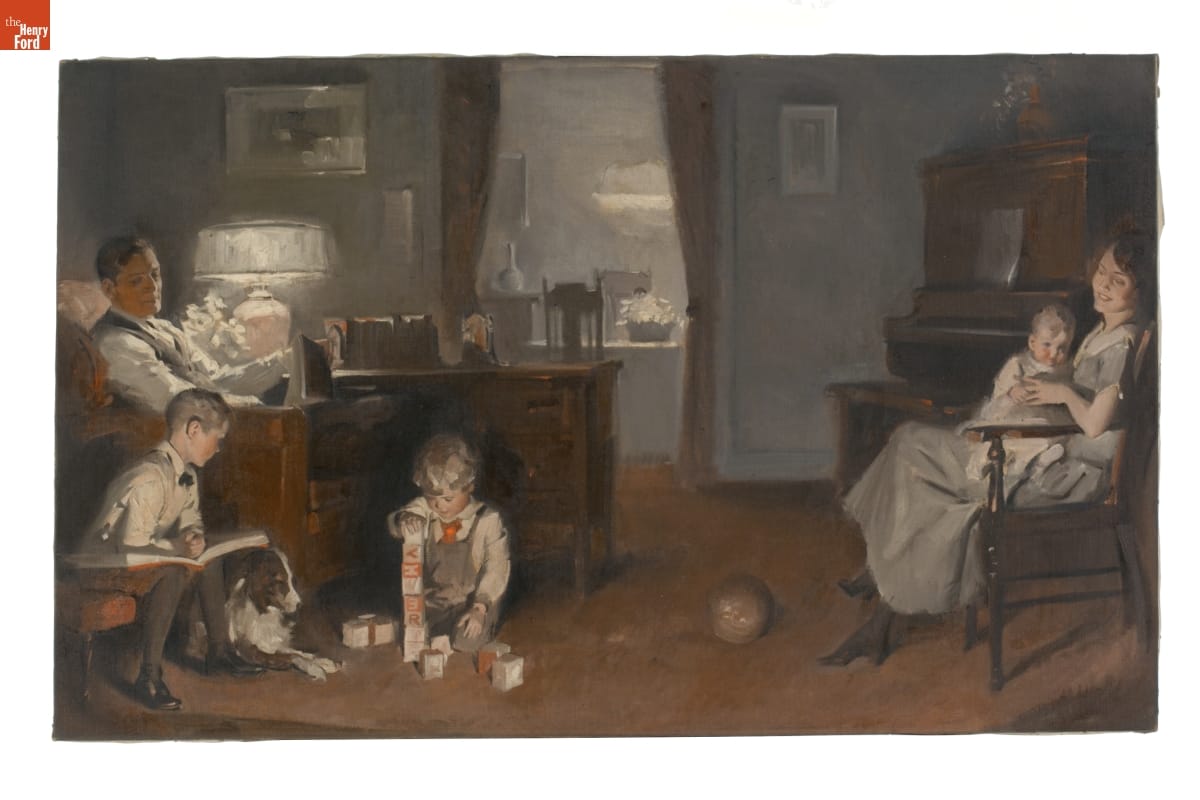
- Family Time at Home, 1924 - In 1924-25 the Ford Motor Company ran a series of sixteen dramatic advertisements in the <EM>Saturday Evening Post</EM> and <EM>Country Gentleman</EM> magazines. The effectiveness of the ads was due in large part to the specially commissioned artwork that accompanied the descriptive text. This painting appeared as two segments -- losing some of its content in the process -- when reproduced as part of the 15th ad.
- 1924
- Collections - Artifact
Family Time at Home, 1924
In 1924-25 the Ford Motor Company ran a series of sixteen dramatic advertisements in the Saturday Evening Post and Country Gentleman magazines. The effectiveness of the ads was due in large part to the specially commissioned artwork that accompanied the descriptive text. This painting appeared as two segments -- losing some of its content in the process -- when reproduced as part of the 15th ad.
- Celebration and the Youth Mentorship Program - We celebrate our Youth Mentorship Program, a partnership between The Henry Ford and the Wayne-Westland Community School District, which gives high school students the chance to work with a mentor at The Henry Ford.

- June 30, 2019
- Collections - article
Celebration and the Youth Mentorship Program
We celebrate our Youth Mentorship Program, a partnership between The Henry Ford and the Wayne-Westland Community School District, which gives high school students the chance to work with a mentor at The Henry Ford.
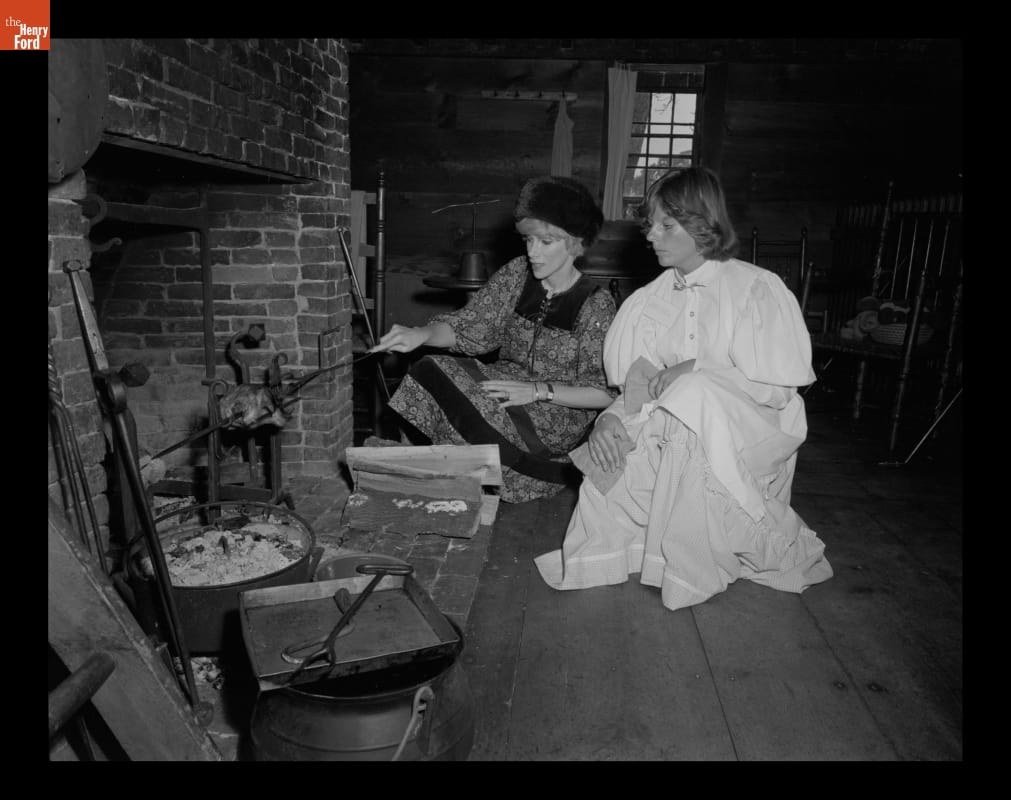
- Joan Rivers Visiting Plympton House in Greenfield Village, November 4, 1977 - Many famous individuals have visited Greenfield Village and Henry Ford Museum. Actors, authors, and artists have passed through the entrance gates; business leaders, royalty, politicians, and a host of others have toured the exhibits. Photographs by the institution's photographer were taken if the celebrity allowed it. In 1977, comedian Joan Rivers got a taste of the living history programs at Greenfield Village.
- November 04, 1977
- Collections - Artifact
Joan Rivers Visiting Plympton House in Greenfield Village, November 4, 1977
Many famous individuals have visited Greenfield Village and Henry Ford Museum. Actors, authors, and artists have passed through the entrance gates; business leaders, royalty, politicians, and a host of others have toured the exhibits. Photographs by the institution's photographer were taken if the celebrity allowed it. In 1977, comedian Joan Rivers got a taste of the living history programs at Greenfield Village.
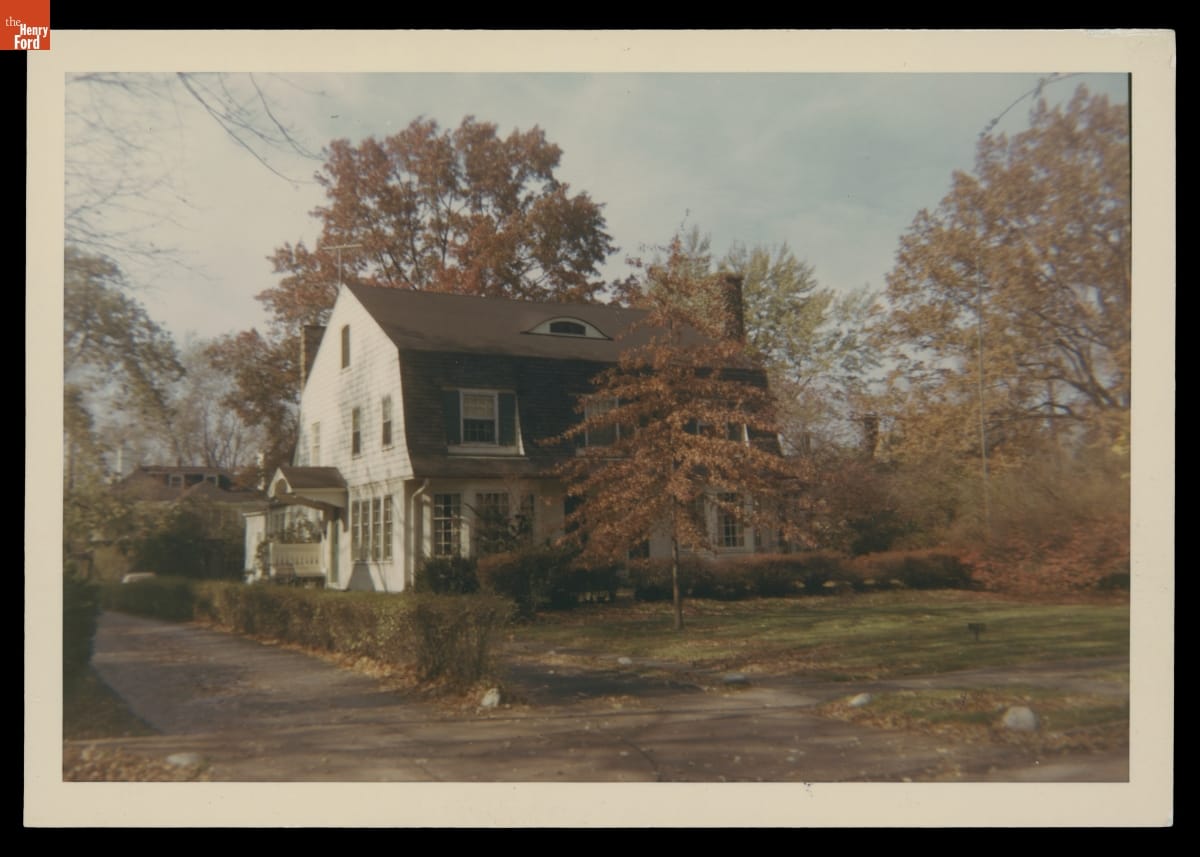
- Mitchell Family Home, Cleveland Heights, Ohio, 1967 -
- 1967
- Collections - Artifact
Mitchell Family Home, Cleveland Heights, Ohio, 1967
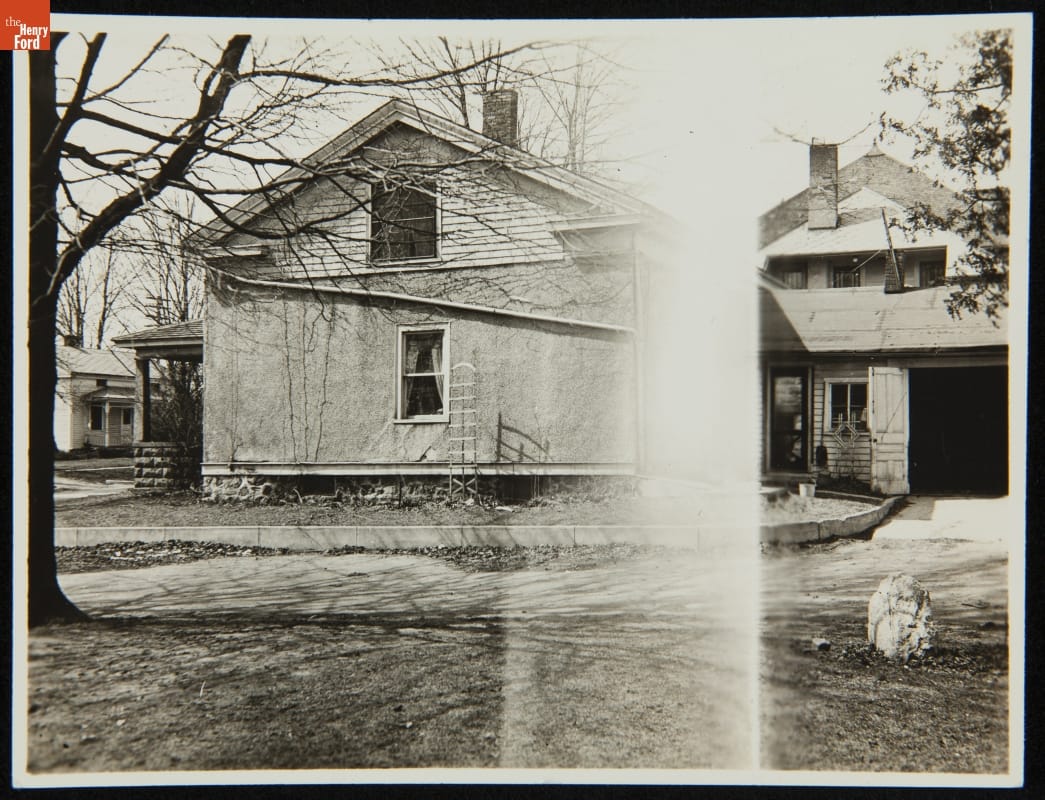
- Adams Family Home in Saline, Michigan, 1937 - This is the parsonage where well-known newspaper writer George Matthew Adams was born and raised. His father was a Baptist minister in the neighboring First Baptist Church of Saline, Michigan. Henry Ford became acquainted with Adams and, in 1937, moved the parsonage to Greenfield Village--Ford's historical outdoor museum in Dearborn, Michigan.
- 1937
- Collections - Artifact
Adams Family Home in Saline, Michigan, 1937
This is the parsonage where well-known newspaper writer George Matthew Adams was born and raised. His father was a Baptist minister in the neighboring First Baptist Church of Saline, Michigan. Henry Ford became acquainted with Adams and, in 1937, moved the parsonage to Greenfield Village--Ford's historical outdoor museum in Dearborn, Michigan.