
Search
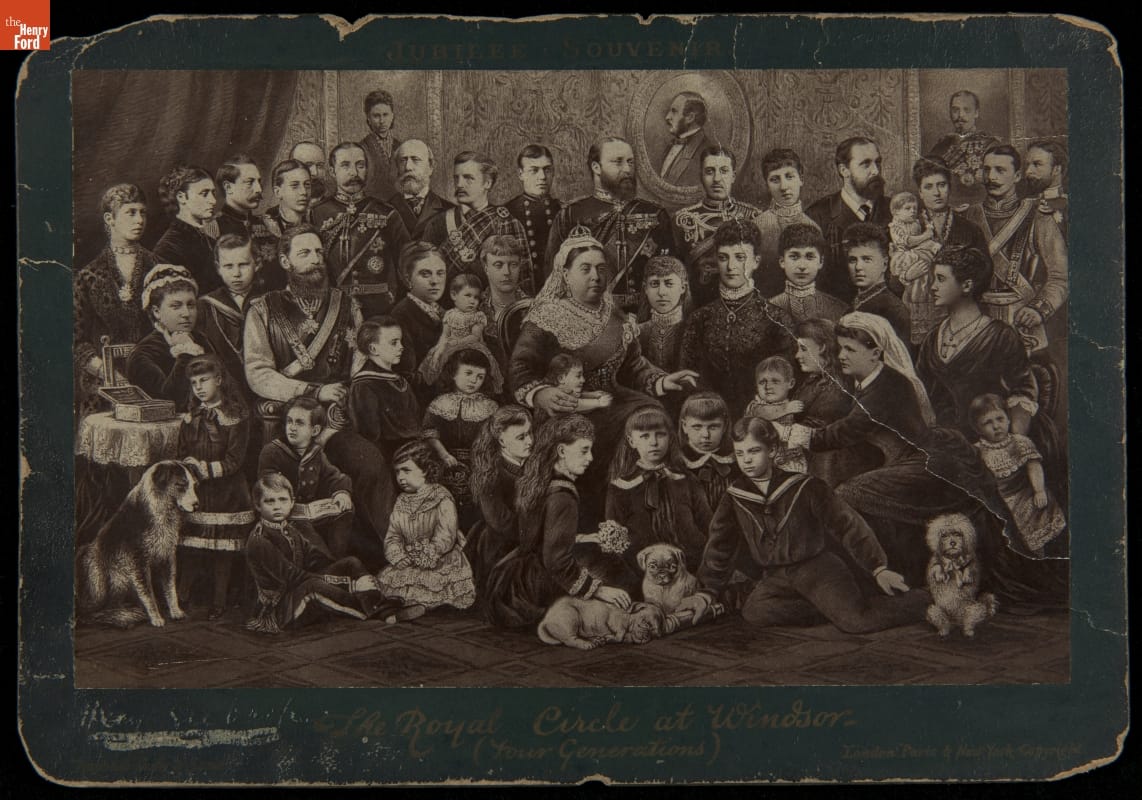
- Souvenir of Queen Victoria's Golden Jubilee, "The Royal Circle at Windsor," 1887 -
- 1887
- Collections - Artifact
Souvenir of Queen Victoria's Golden Jubilee, "The Royal Circle at Windsor," 1887
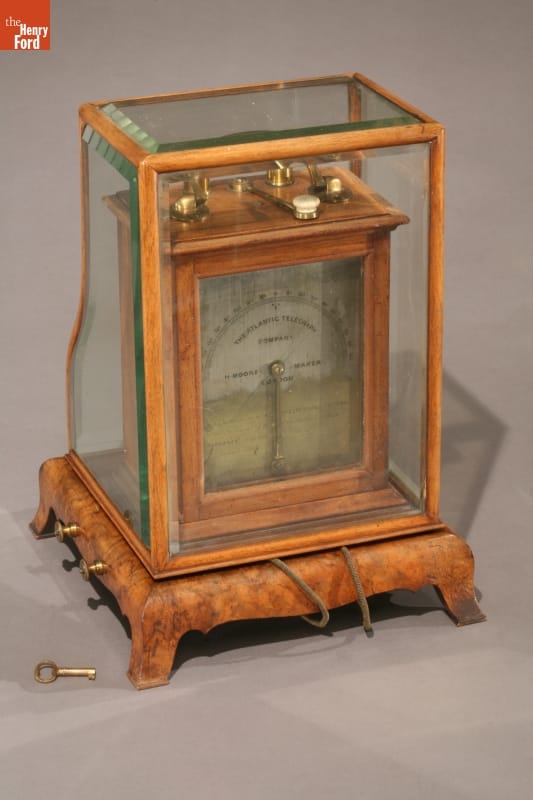
- Galvanometer Used to Receive Queen Victoria's Message to President James Buchanan Over the First Transatlantic Cable, 1858 - A galvanometer is an instrument that detects and measures electric current. On August 16, 1858, this device was used by President James Buchanan to receive the first public message sent across the transatlantic cable. The message was sent by Queen Victoria to celebrate "a link between nations." It was 98 words long--and took 16.5 hours to transmit.
- August 16, 1858
- Collections - Artifact
Galvanometer Used to Receive Queen Victoria's Message to President James Buchanan Over the First Transatlantic Cable, 1858
A galvanometer is an instrument that detects and measures electric current. On August 16, 1858, this device was used by President James Buchanan to receive the first public message sent across the transatlantic cable. The message was sent by Queen Victoria to celebrate "a link between nations." It was 98 words long--and took 16.5 hours to transmit.
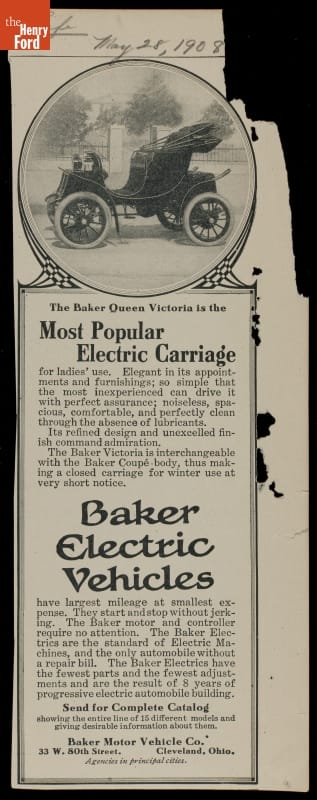
- Advertisement, "The Baker Queen Victoria is the Most Popular Electric Carriage," 1908 - In the early 20th century, electric vehicles were thought to be ideal vehicles for women. The Baker Motor Vehicle Company produced this 1908 advertisement promoting its Queen Victoria model. The automobile was elegantly styled, noiseless, spacious, clean and "so simple that the most inexperienced can drive it" -- qualities which apparently made the model "the most popular electric vehicle for ladies' use."
- May 28, 1908
- Collections - Artifact
Advertisement, "The Baker Queen Victoria is the Most Popular Electric Carriage," 1908
In the early 20th century, electric vehicles were thought to be ideal vehicles for women. The Baker Motor Vehicle Company produced this 1908 advertisement promoting its Queen Victoria model. The automobile was elegantly styled, noiseless, spacious, clean and "so simple that the most inexperienced can drive it" -- qualities which apparently made the model "the most popular electric vehicle for ladies' use."
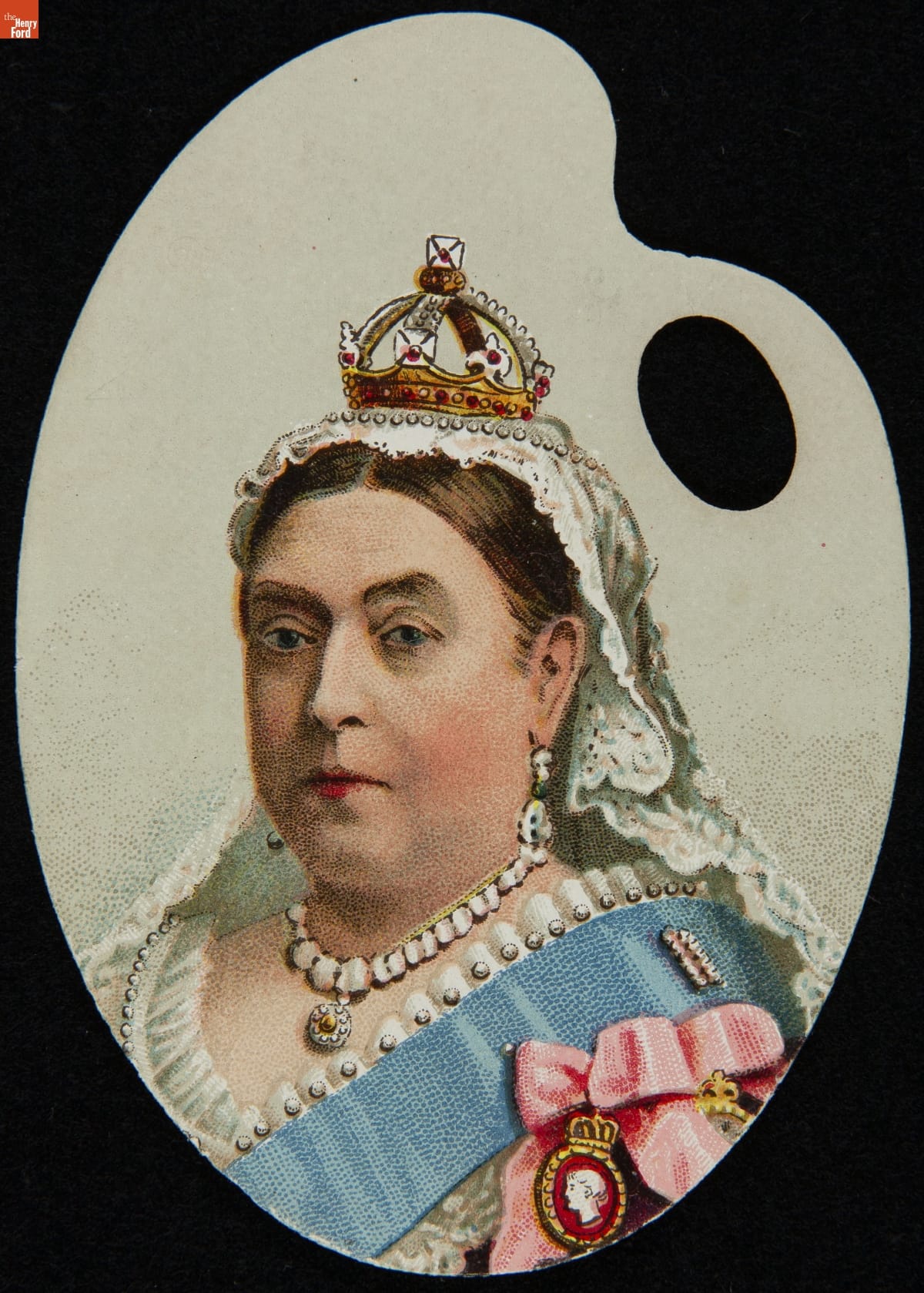
- Trade Card for Imperial Plows, Bucher & Gibbs Plow Co., 1887-1901 - In the last third of the nineteenth century, an unprecedented variety of consumer goods and services flooded the American market. Advertisers, armed with new methods of color printing, bombarded potential customers with trade cards. Americans enjoyed and often saved the vibrant little advertisements found in product packages or distributed by local merchants. Many survive as historical records of commercialism in the United States.
- 1887-1901
- Collections - Artifact
Trade Card for Imperial Plows, Bucher & Gibbs Plow Co., 1887-1901
In the last third of the nineteenth century, an unprecedented variety of consumer goods and services flooded the American market. Advertisers, armed with new methods of color printing, bombarded potential customers with trade cards. Americans enjoyed and often saved the vibrant little advertisements found in product packages or distributed by local merchants. Many survive as historical records of commercialism in the United States.
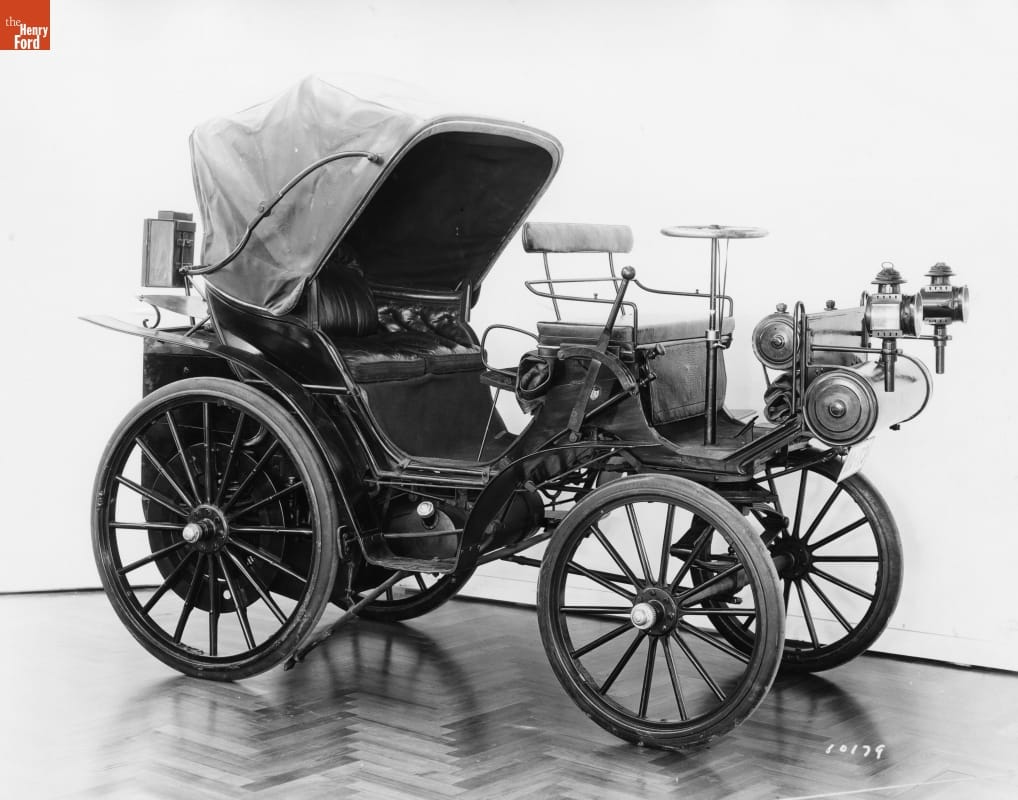
- 1897 Daimler Victoria - German automotive pioneer Gottlieb Daimler built his first car in 1886 and, with Wilhelm Maybach, founded Daimler Motors Corporation in 1890. Initially formed to build engines, the company began producing automobiles in 1892. This 1897 Victoria features a two-cylinder gasoline engine and a body by American coachbuilder Brewster. Daimler Motors merged with Benz & Company in 1926.
- 1897
- Collections - Artifact
1897 Daimler Victoria
German automotive pioneer Gottlieb Daimler built his first car in 1886 and, with Wilhelm Maybach, founded Daimler Motors Corporation in 1890. Initially formed to build engines, the company began producing automobiles in 1892. This 1897 Victoria features a two-cylinder gasoline engine and a body by American coachbuilder Brewster. Daimler Motors merged with Benz & Company in 1926.
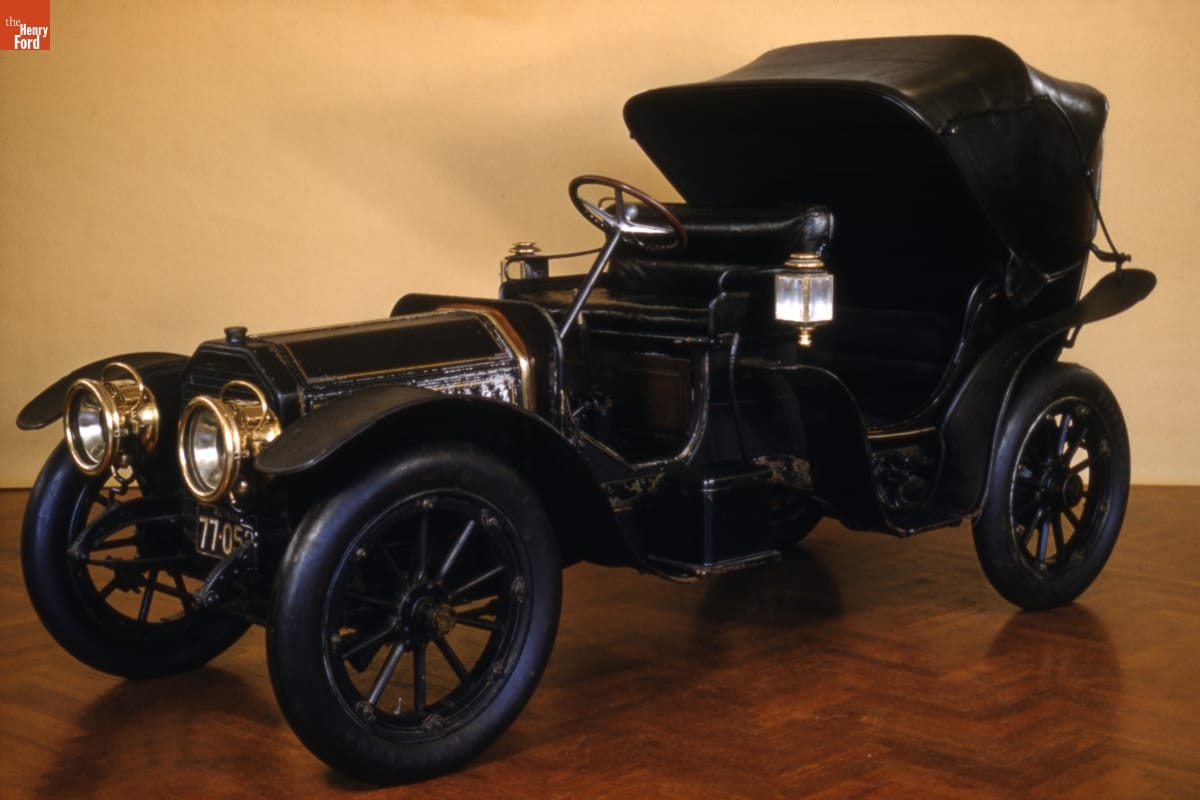
- 1911 Peerless Brewster Victoria - As its name suggests, the Peerless Motor Car Company of Cleveland built some of America's most prestigious luxury automobiles from 1900 to 1931. This four-cylinder 1911 model features a custom body, in the style of a Victoria carriage, by Brewster & Company of New York. Like many high-end automakers, Peerless did not survive the Great Depression.
- 1911
- Collections - Artifact
1911 Peerless Brewster Victoria
As its name suggests, the Peerless Motor Car Company of Cleveland built some of America's most prestigious luxury automobiles from 1900 to 1931. This four-cylinder 1911 model features a custom body, in the style of a Victoria carriage, by Brewster & Company of New York. Like many high-end automakers, Peerless did not survive the Great Depression.
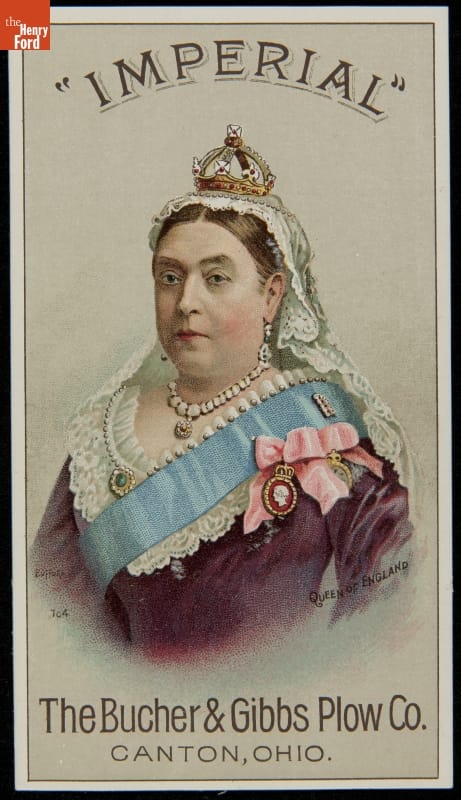
- Trade Card for Imperial Plows, Bucher & Gibbs Plow Co., 1887-1901 - In the last third of the nineteenth century, an unprecedented variety of consumer goods and services flooded the American market. Advertisers, armed with new methods of color printing, bombarded potential customers with trade cards. Americans enjoyed and often saved the vibrant little advertisements found in product packages or distributed by local merchants. Many survive as historical records of commercialism in the United States.
- 1887-1901
- Collections - Artifact
Trade Card for Imperial Plows, Bucher & Gibbs Plow Co., 1887-1901
In the last third of the nineteenth century, an unprecedented variety of consumer goods and services flooded the American market. Advertisers, armed with new methods of color printing, bombarded potential customers with trade cards. Americans enjoyed and often saved the vibrant little advertisements found in product packages or distributed by local merchants. Many survive as historical records of commercialism in the United States.
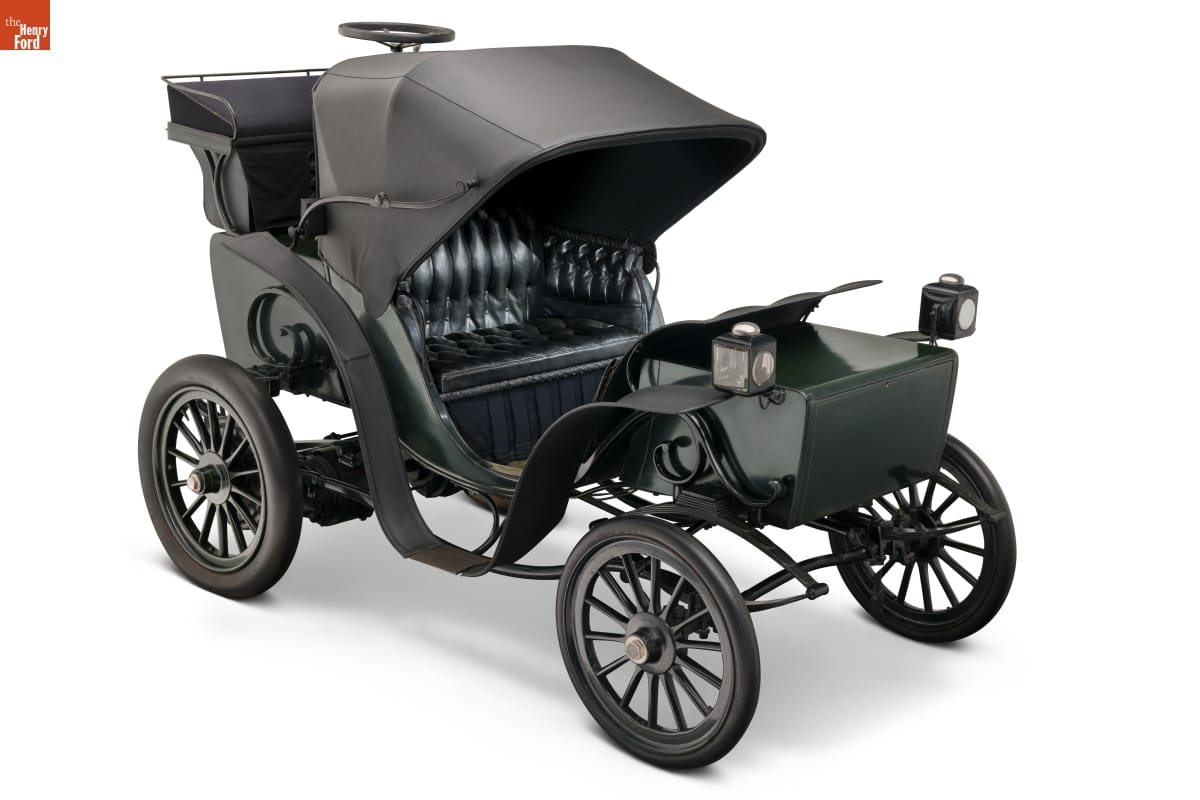
- 1901 Columbia Victoria - Early automobiles, even electric-powered ones like this 1901 Columbia, looked like carriages. Batteries located over the front and rear axles powered this victoria. The carriage had a 20- to 30-mile range between charges. The owner, <em>Washington Post</em> publisher John McLean, rode in the covered center while his chauffeur steered from behind.
- 1901
- Collections - Artifact
1901 Columbia Victoria
Early automobiles, even electric-powered ones like this 1901 Columbia, looked like carriages. Batteries located over the front and rear axles powered this victoria. The carriage had a 20- to 30-mile range between charges. The owner, Washington Post publisher John McLean, rode in the covered center while his chauffeur steered from behind.
- "The Victoria Falls," circa 1953 -
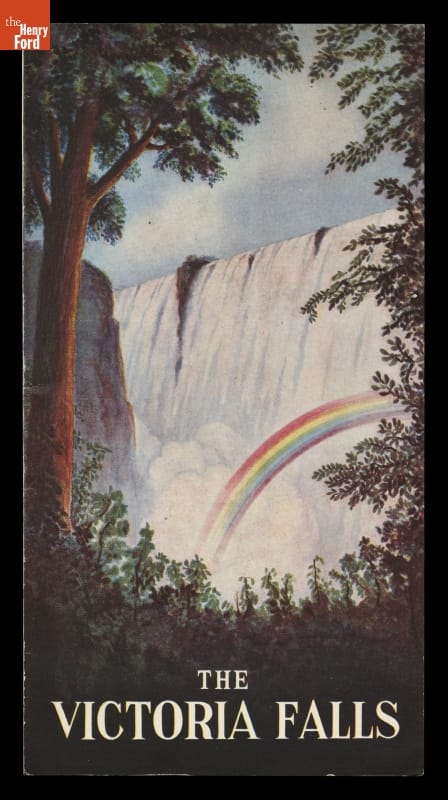
- circa 1953
- Collections - Artifact
"The Victoria Falls," circa 1953
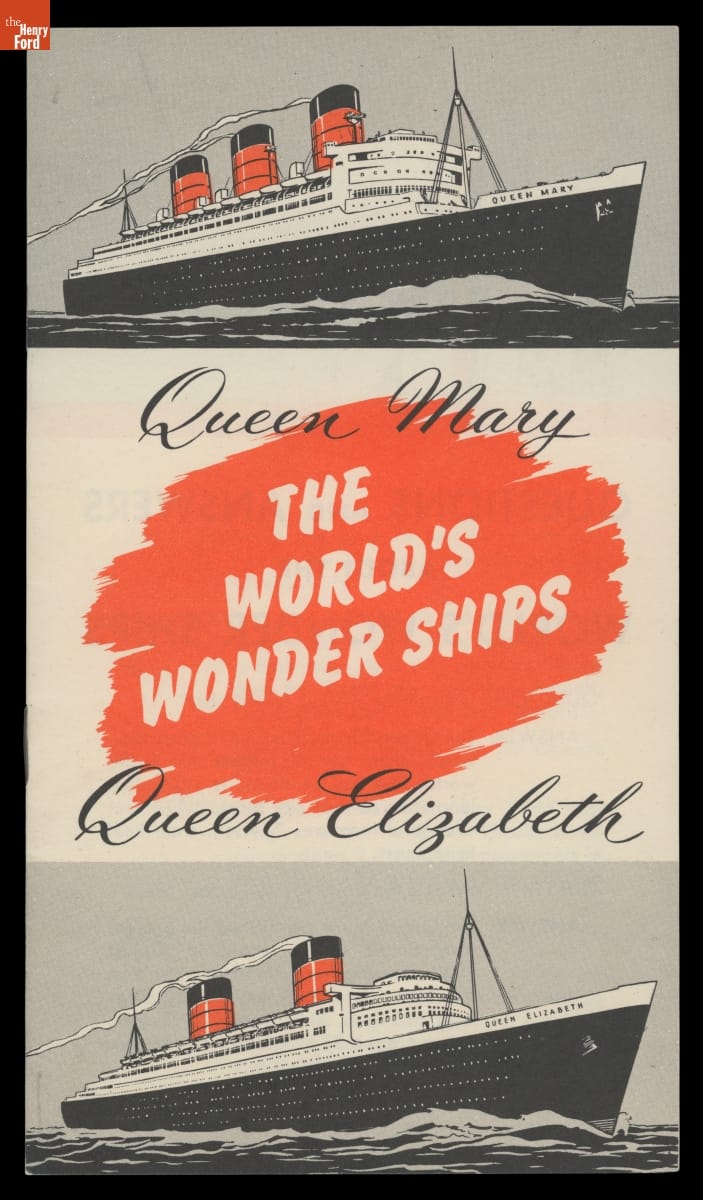
- The World's Wonder Ships, Queen Mary, Queen Elizabeth, 1949 - In this brochure, Cunard White Star Line emphasized the size, speed, and comfort of its ships <em>Queen Mary</em> and <em>Queen Elizabeth</em>. The ocean liners provided weekly express service between Great Britain, France and the United States. The arrival of transatlantic jet airliners in the late 1950s -- which cut travel time from days to hours -- ended the age of ocean liners.
- 1949
- Collections - Artifact
The World's Wonder Ships, Queen Mary, Queen Elizabeth, 1949
In this brochure, Cunard White Star Line emphasized the size, speed, and comfort of its ships Queen Mary and Queen Elizabeth. The ocean liners provided weekly express service between Great Britain, France and the United States. The arrival of transatlantic jet airliners in the late 1950s -- which cut travel time from days to hours -- ended the age of ocean liners.