
Search
- Anti-Slavery Token, 1838 -
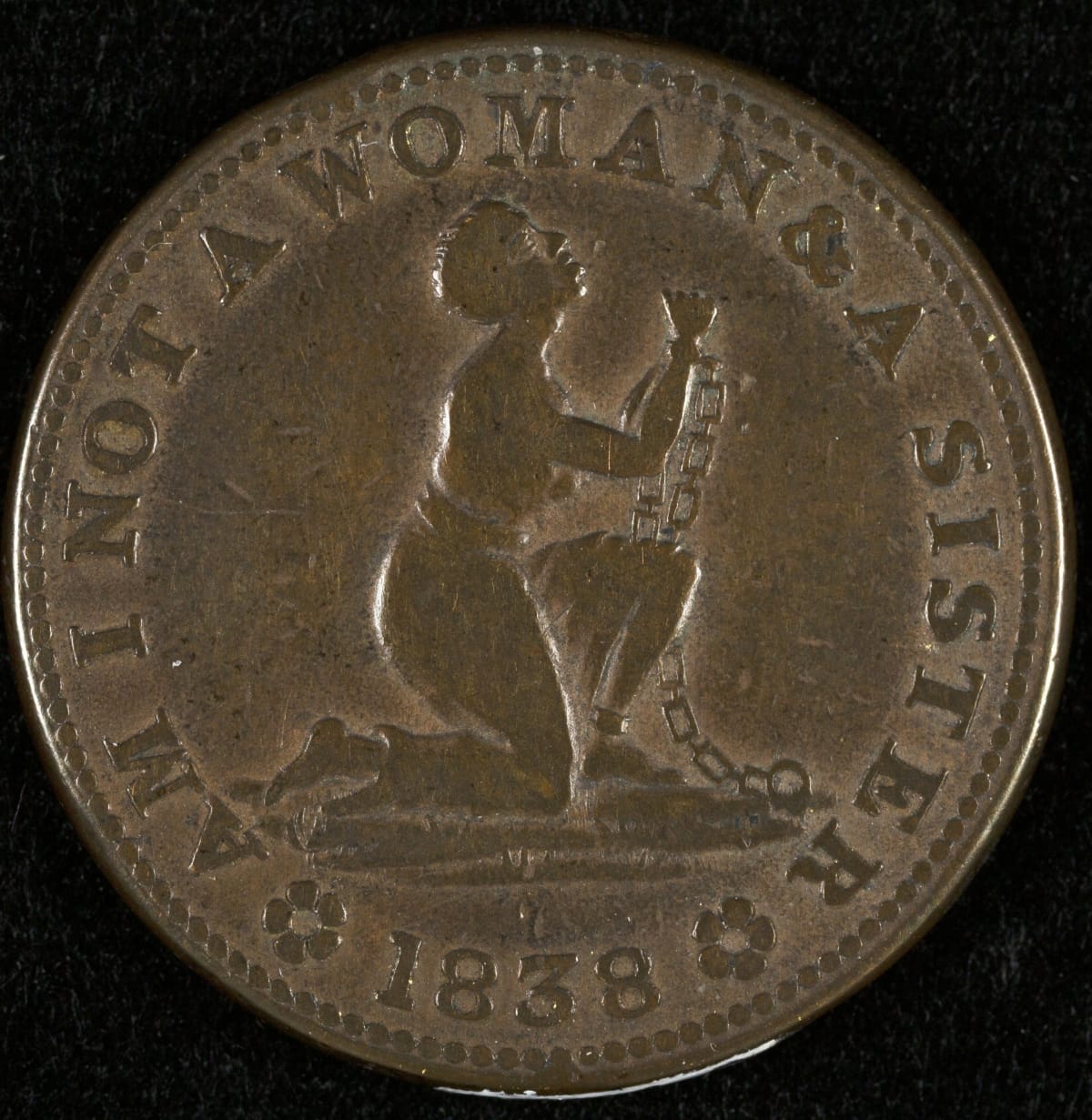
- 1838
- Collections - Artifact
Anti-Slavery Token, 1838
- Anti-Slavery Token, circa 1795 -
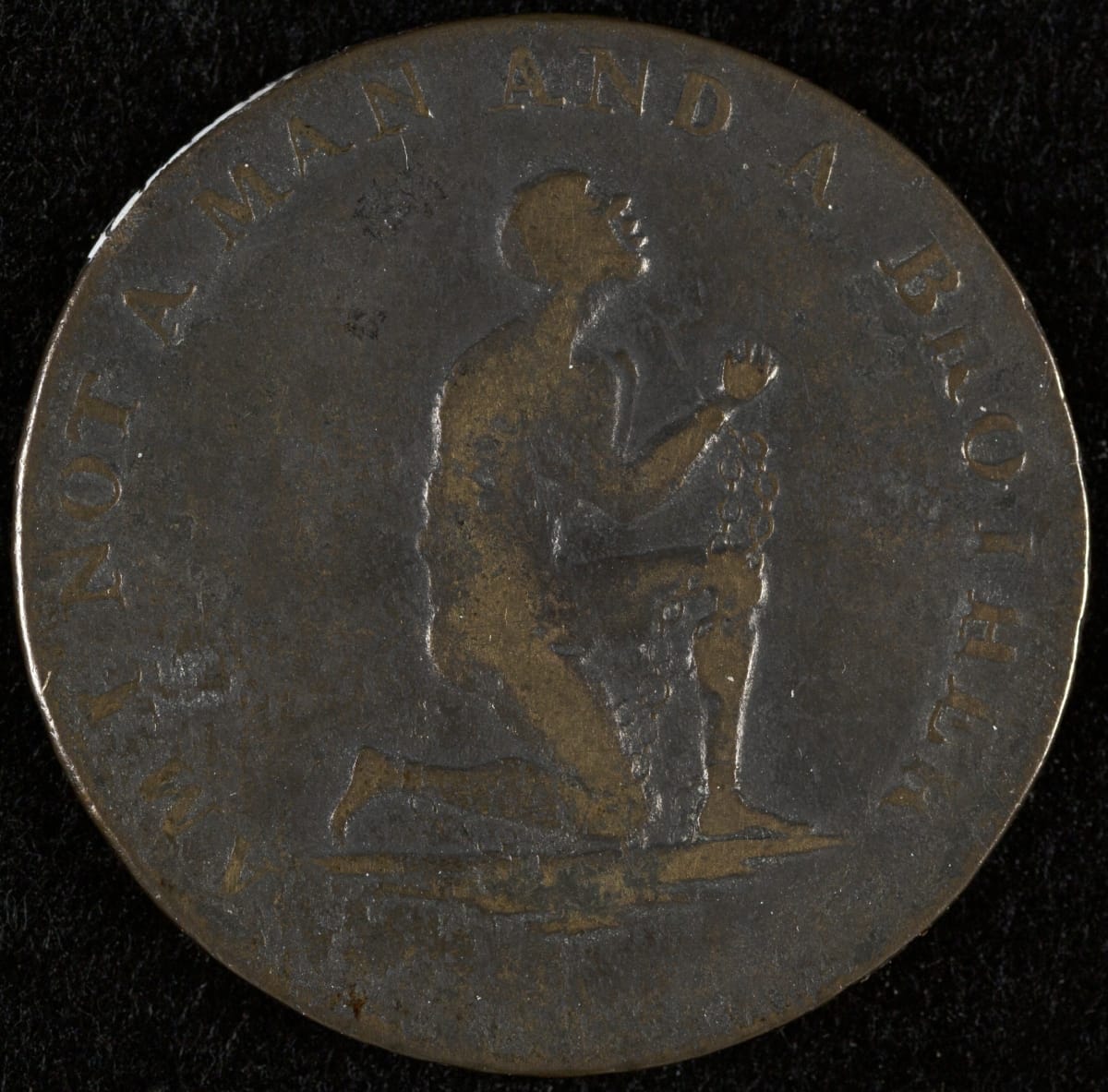
- circa 1795
- Collections - Artifact
Anti-Slavery Token, circa 1795
- Up from Slavery: An Autobiography, 1936 -
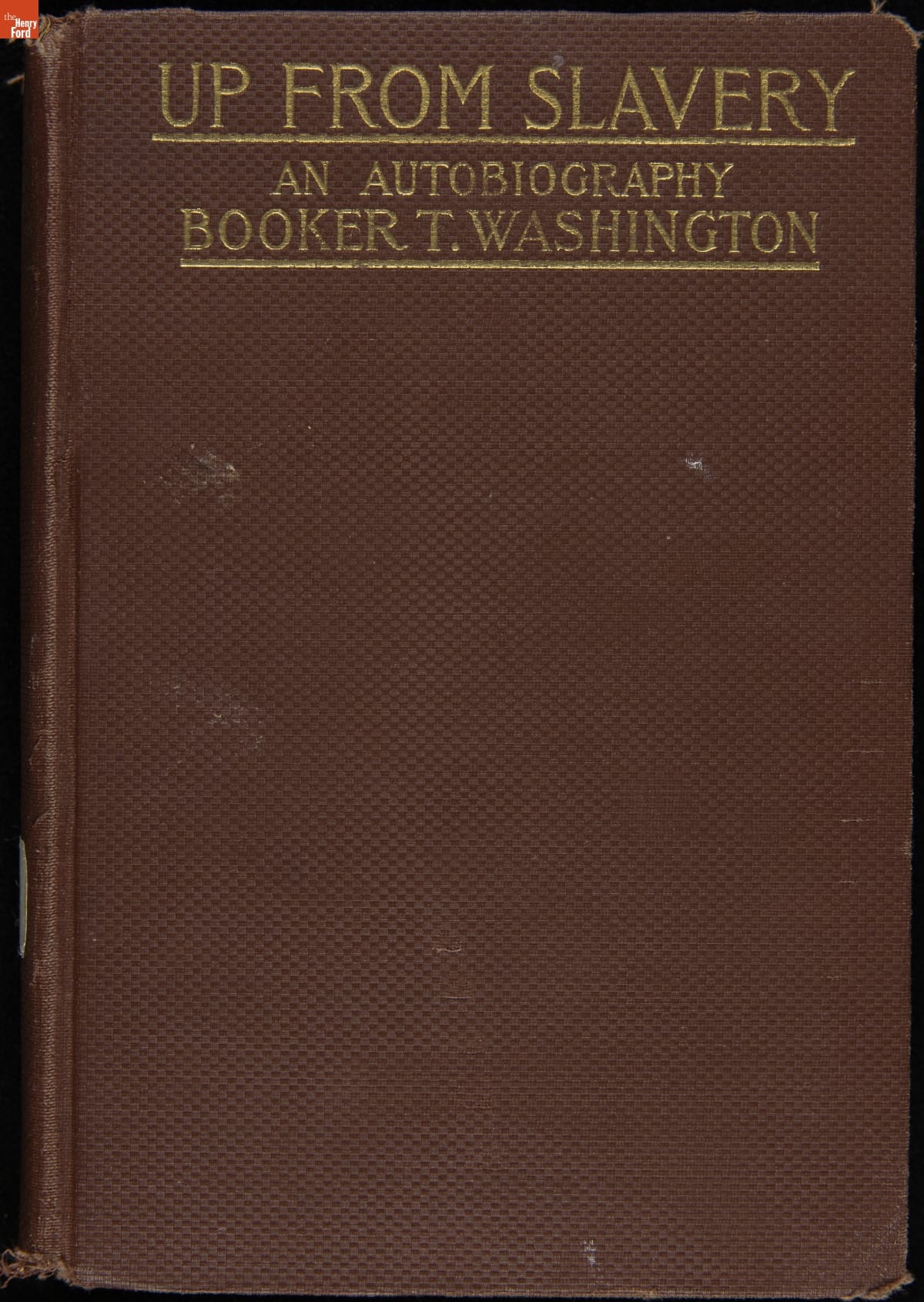
- 1936
- Collections - Artifact
Up from Slavery: An Autobiography, 1936
- Pamphlet with Two Essays, "Bible View of Slavery, Examined" and "Bible View of Slavery, Reconsidered," 1863 - In 1776 America's Founding Fathers established a nation based on the principles of freedom -- but that didn't include enslaved African Americans. Through the 1800s, the question of slavery escalated into civil war. John H. Hopkins, a controversial Episcopal Bishop from Vermont, argued in 1863 that the Bible did not forbid slavery -- but he still opposed Southern states seceding from the Union.
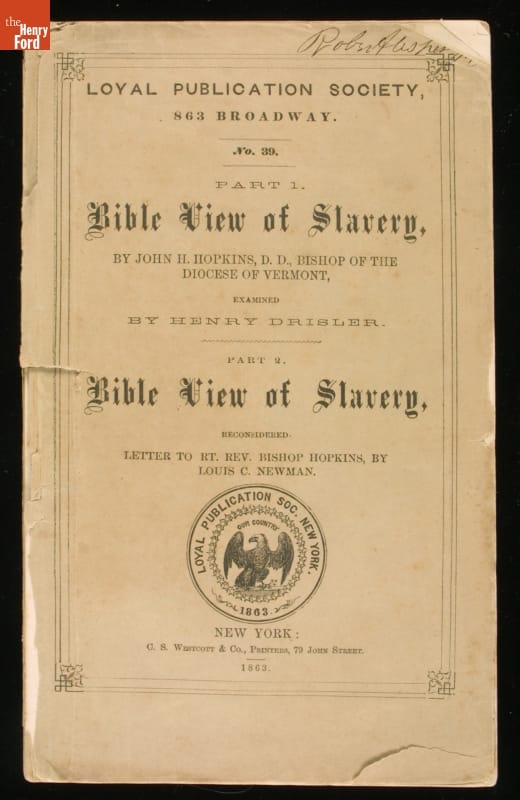
- 1863
- Collections - Artifact
Pamphlet with Two Essays, "Bible View of Slavery, Examined" and "Bible View of Slavery, Reconsidered," 1863
In 1776 America's Founding Fathers established a nation based on the principles of freedom -- but that didn't include enslaved African Americans. Through the 1800s, the question of slavery escalated into civil war. John H. Hopkins, a controversial Episcopal Bishop from Vermont, argued in 1863 that the Bible did not forbid slavery -- but he still opposed Southern states seceding from the Union.
- "American Anti-Slavery Almanac for 1840" - Beginning in the 1830s, some people began to speak out against slavery. Most of these "abolitionists" were white Northerners who had never actually come in contact with enslaved people. The abolitionist press, centered in northern states like New York and Massachusetts, produced and sold many almanacs that featured provocative cover illustrations depicting the brutality of slavery.
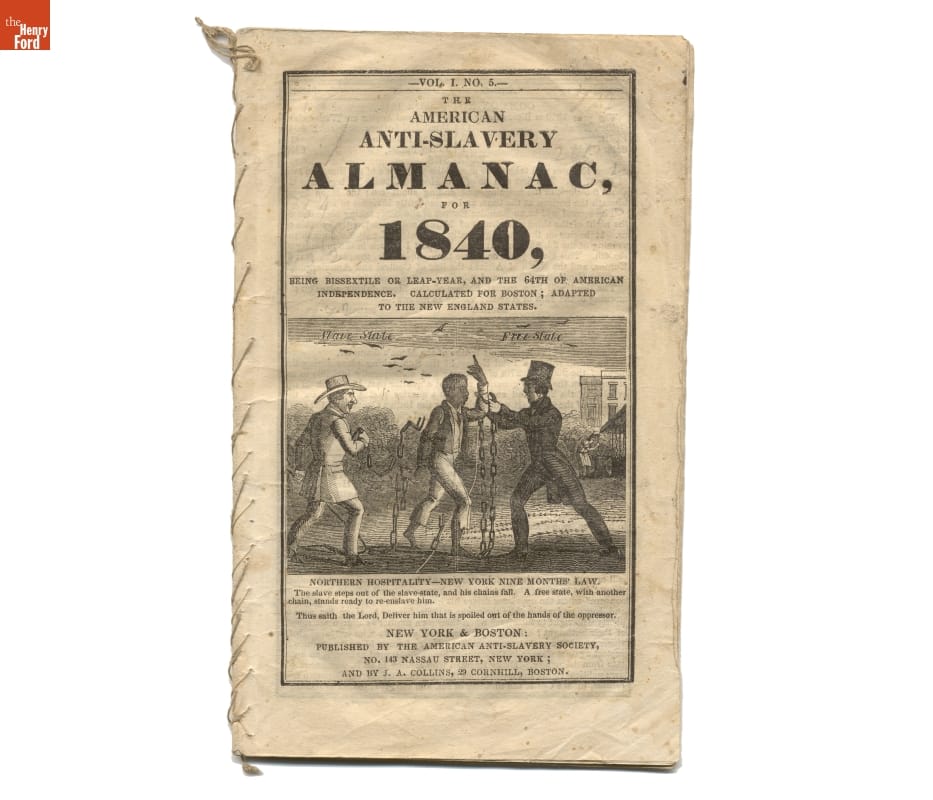
- 1840
- Collections - Artifact
"American Anti-Slavery Almanac for 1840"
Beginning in the 1830s, some people began to speak out against slavery. Most of these "abolitionists" were white Northerners who had never actually come in contact with enslaved people. The abolitionist press, centered in northern states like New York and Massachusetts, produced and sold many almanacs that featured provocative cover illustrations depicting the brutality of slavery.
- Ticket to "Anti-Slavery Bazaar," 1854-1855 - Beginning in the 1830s, some people began to speak out against slavery. Most of these "abolitionists" were white Northerners who had never actually come in contact with enslaved people. The American Anti-Slavery Society hosted annual Anti-Slavery Bazaars -- large fundraising fairs to raise money for abolitionist activities. This Bazaar was held in Boston, Massachusetts.
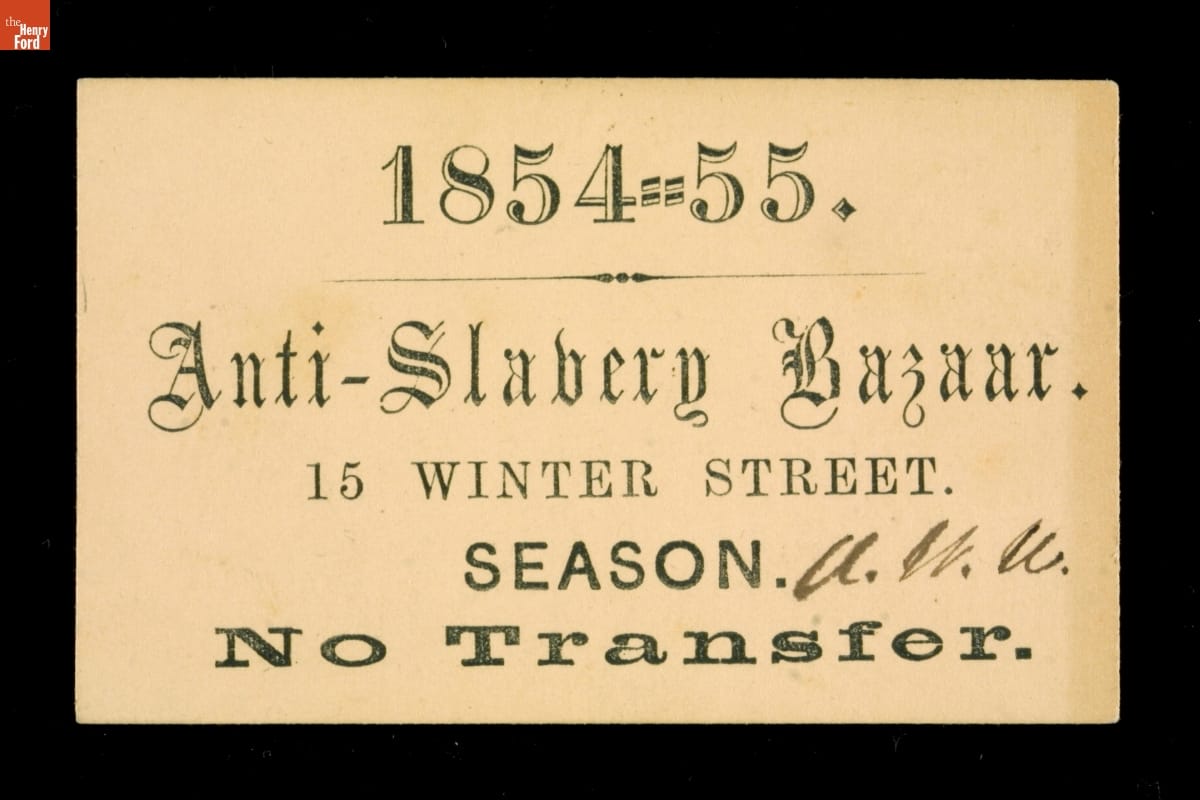
- 1854-1855
- Collections - Artifact
Ticket to "Anti-Slavery Bazaar," 1854-1855
Beginning in the 1830s, some people began to speak out against slavery. Most of these "abolitionists" were white Northerners who had never actually come in contact with enslaved people. The American Anti-Slavery Society hosted annual Anti-Slavery Bazaars -- large fundraising fairs to raise money for abolitionist activities. This Bazaar was held in Boston, Massachusetts.
- Coddings Lectures on the Slavery Question, circa 1855 - Beginning in the 1830s, some people -- mostly white Northerners -- began to speak out against slavery. Ichabod Codding, a clergyman born in Bristol, New York, became convinced while in college in Middlebury, Vermont, that he should devote his career to the anti-slavery cause. He traveled extensively in New England, New York, and Illinois lecturing on the evils of slavery.
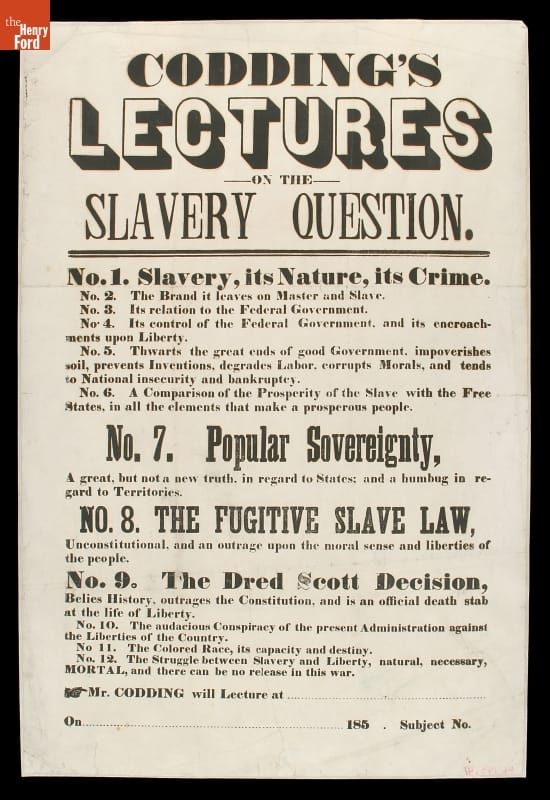
- circa 1855
- Collections - Artifact
Coddings Lectures on the Slavery Question, circa 1855
Beginning in the 1830s, some people -- mostly white Northerners -- began to speak out against slavery. Ichabod Codding, a clergyman born in Bristol, New York, became convinced while in college in Middlebury, Vermont, that he should devote his career to the anti-slavery cause. He traveled extensively in New England, New York, and Illinois lecturing on the evils of slavery.
- The Constitution of the American Anti-Slavery Society: with the Declaration... -
- Collections - Artifact
The Constitution of the American Anti-Slavery Society: with the Declaration...
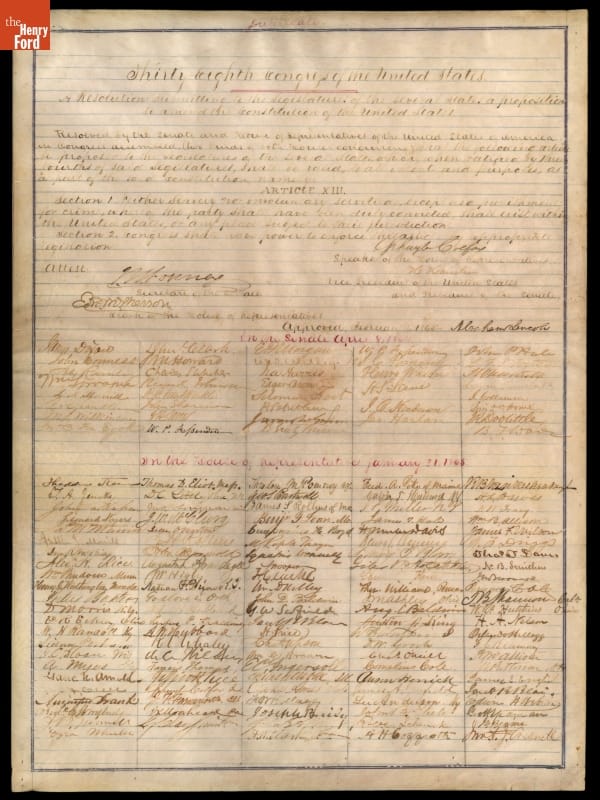
- Joint Resolution of the United States Congress, Proposing the 13th Amendment to Abolish Slavery, 1865 - The 13th Amendment to the Constitution, not the Emancipation Proclamation, formally abolished slavery in the United States, settling the issue which had long plagued the nation. Congress adopted the Amendment in January 1865 and sent it to states, which ratified it in December. The word "Duplicate" at the top of this document indicates the bill had been passed by Congress but had not yet been ratified.
- February 01, 1865
- Collections - Artifact
Joint Resolution of the United States Congress, Proposing the 13th Amendment to Abolish Slavery, 1865
The 13th Amendment to the Constitution, not the Emancipation Proclamation, formally abolished slavery in the United States, settling the issue which had long plagued the nation. Congress adopted the Amendment in January 1865 and sent it to states, which ratified it in December. The word "Duplicate" at the top of this document indicates the bill had been passed by Congress but had not yet been ratified.
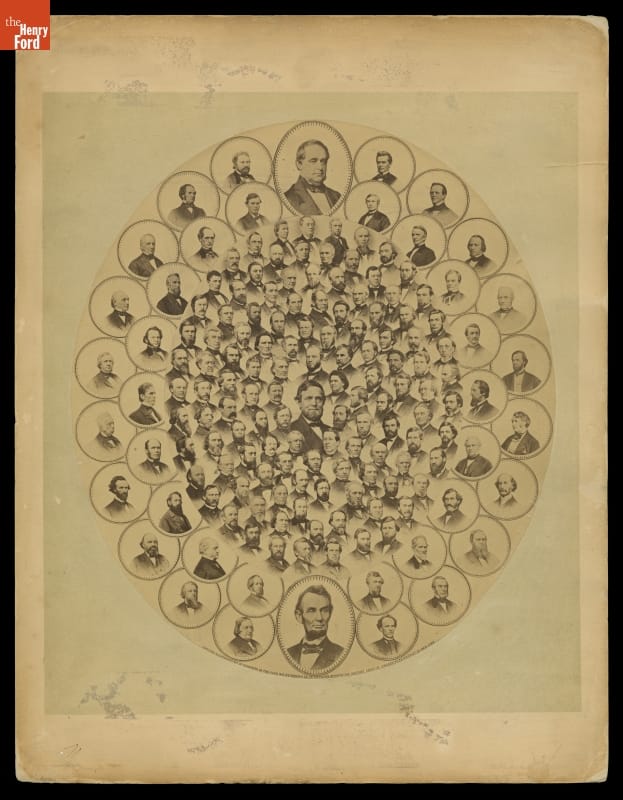
- Photomontage Showing President Lincoln with Congressional Supporters of the Proposed Anti-Slavery Constitutional Amendment, 1865 - The Emancipation Proclamation only declared freedom to slaves in rebel states. So in 1864, President Lincoln drafted a U.S. Constitutional Amendment to legally abolish slavery forever. Congress approved this Thirteenth Amendment January 31, 1865, but it took 10 months before the necessary states ratified it so it would become law. Unfortunately, President Lincoln did not live to see that happen.
- 1865
- Collections - Artifact
Photomontage Showing President Lincoln with Congressional Supporters of the Proposed Anti-Slavery Constitutional Amendment, 1865
The Emancipation Proclamation only declared freedom to slaves in rebel states. So in 1864, President Lincoln drafted a U.S. Constitutional Amendment to legally abolish slavery forever. Congress approved this Thirteenth Amendment January 31, 1865, but it took 10 months before the necessary states ratified it so it would become law. Unfortunately, President Lincoln did not live to see that happen.