
Search
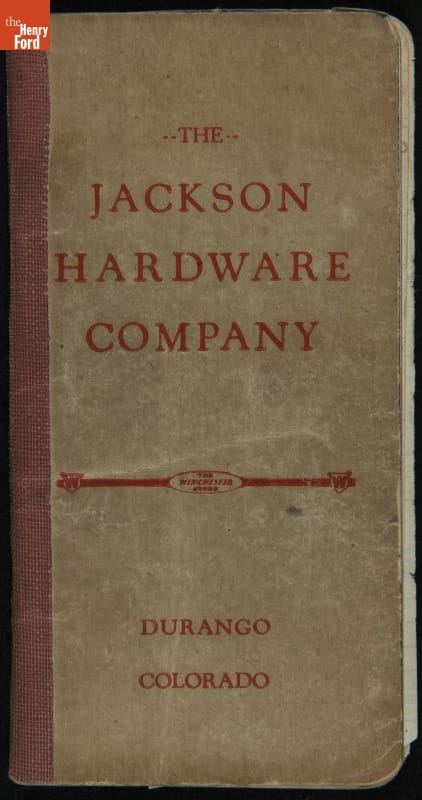
- Notebook, Club Harlem, 1934 -
- 1934
- Collections - Artifact
Notebook, Club Harlem, 1934
- Paradise Valley: Detroit’s Lost African American Entertainment District - Check out newly digitized photos from our collections showing performers at Club Harlem in Paradise Valley in Detroit in the 1930s.

- December 22, 2015
- Collections - article
Paradise Valley: Detroit’s Lost African American Entertainment District
Check out newly digitized photos from our collections showing performers at Club Harlem in Paradise Valley in Detroit in the 1930s.
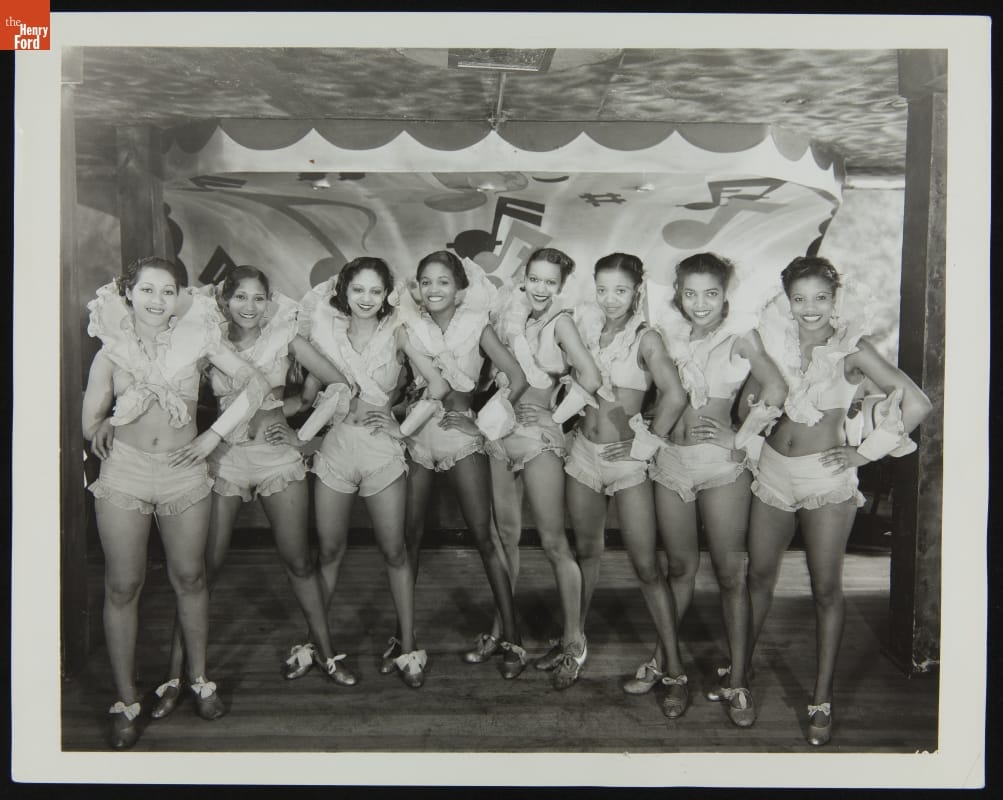
- Club Harlem Chorus, 1934-1935 - This chorus line performed at the short-lived Club Harlem in Paradise Valley, the entertainment district in Detroit’s Black Bottom neighborhood. Club Harlem was a “black-and-tan” establishment, catering to both Black and White audiences. Chorus line acts such as this -- popular during the 1920s and 1930s-- sang and danced everywhere from large theaters to small cabarets.
- 1934-1935
- Collections - Artifact
Club Harlem Chorus, 1934-1935
This chorus line performed at the short-lived Club Harlem in Paradise Valley, the entertainment district in Detroit’s Black Bottom neighborhood. Club Harlem was a “black-and-tan” establishment, catering to both Black and White audiences. Chorus line acts such as this -- popular during the 1920s and 1930s-- sang and danced everywhere from large theaters to small cabarets.
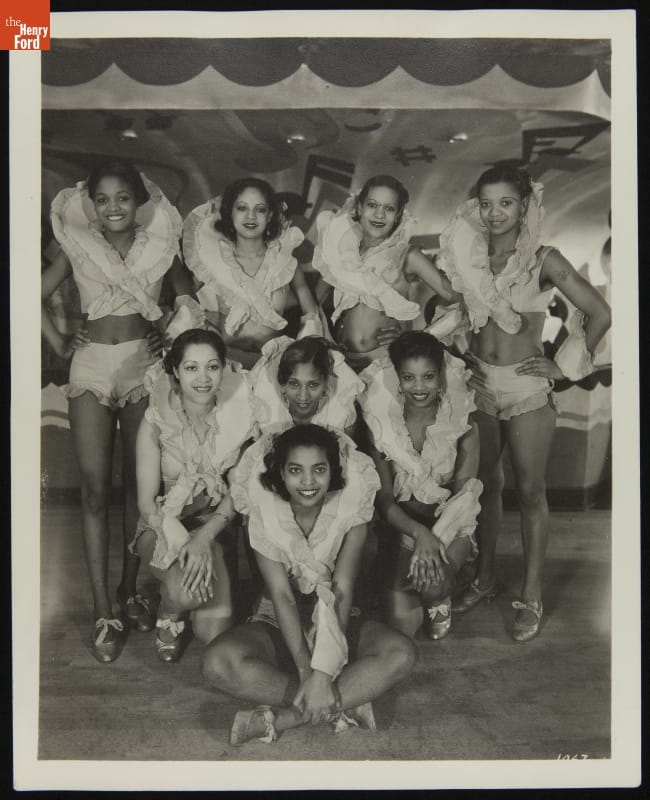
- Club Harlem Chorus, 1934-1935 - This chorus line performed at the short-lived Club Harlem in Paradise Valley, the entertainment district in Detroit’s Black Bottom neighborhood. Club Harlem was a “black-and-tan” establishment, catering to both Black and White audiences. Chorus line acts such as this -- popular during the 1920s and 1930s-- sang and danced everywhere from large theaters to small cabarets.
- 1934-1935
- Collections - Artifact
Club Harlem Chorus, 1934-1935
This chorus line performed at the short-lived Club Harlem in Paradise Valley, the entertainment district in Detroit’s Black Bottom neighborhood. Club Harlem was a “black-and-tan” establishment, catering to both Black and White audiences. Chorus line acts such as this -- popular during the 1920s and 1930s-- sang and danced everywhere from large theaters to small cabarets.
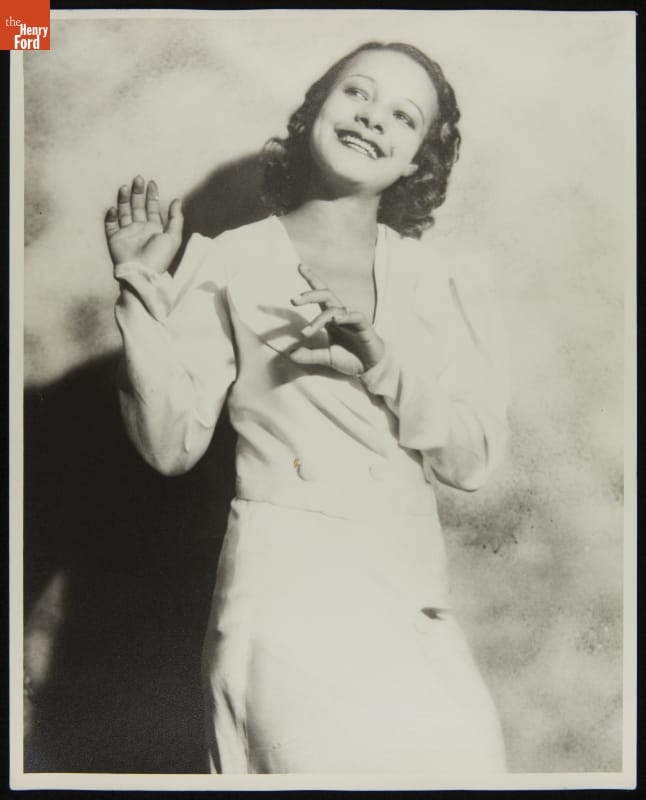
- Performing Artist, Club Harlem, 1934-1935 - Paradise Valley, the entertainment district of Detroit’s Black Bottom neighborhood, contained numerous clubs, cabarets, and theaters. Many famous Black performers, such as Duke Ellington and Ella Fitzgerald, played in Paradise Valley from the 1920s to the 1950s. This photo shows an unidentified artist who played at Club Harlem, a short-lived “black-and-tan” establishment that catered to Black and White audiences.
- 1934-1935
- Collections - Artifact
Performing Artist, Club Harlem, 1934-1935
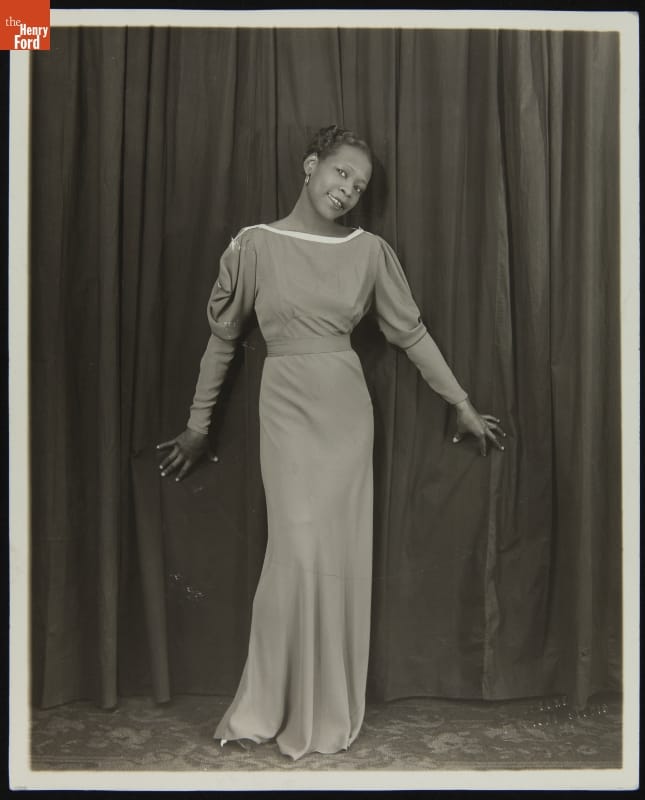
Paradise Valley, the entertainment district of Detroit’s Black Bottom neighborhood, contained numerous clubs, cabarets, and theaters. Many famous Black performers, such as Duke Ellington and Ella Fitzgerald, played in Paradise Valley from the 1920s to the 1950s. This photo shows an unidentified artist who played at Club Harlem, a short-lived “black-and-tan” establishment that catered to Black and White audiences.
- Performing Artist, Club Harlem, 1934-1935 - Paradise Valley, the entertainment district of Detroit’s Black Bottom neighborhood, contained numerous clubs, cabarets, and theaters. Many famous Black performers, such as Duke Ellington and Ella Fitzgerald, played in Paradise Valley from the 1920s to the 1950s. This photo shows an unidentified artist who played at Club Harlem, a short-lived “black-and-tan” establishment that catered to Black and White audiences.
- 1934-1935
- Collections - Artifact
Performing Artist, Club Harlem, 1934-1935
Paradise Valley, the entertainment district of Detroit’s Black Bottom neighborhood, contained numerous clubs, cabarets, and theaters. Many famous Black performers, such as Duke Ellington and Ella Fitzgerald, played in Paradise Valley from the 1920s to the 1950s. This photo shows an unidentified artist who played at Club Harlem, a short-lived “black-and-tan” establishment that catered to Black and White audiences.
- Piano, Used at Club Harlem, Detroit, Michigan, 1934 -
- 1934
- Collections - Artifact
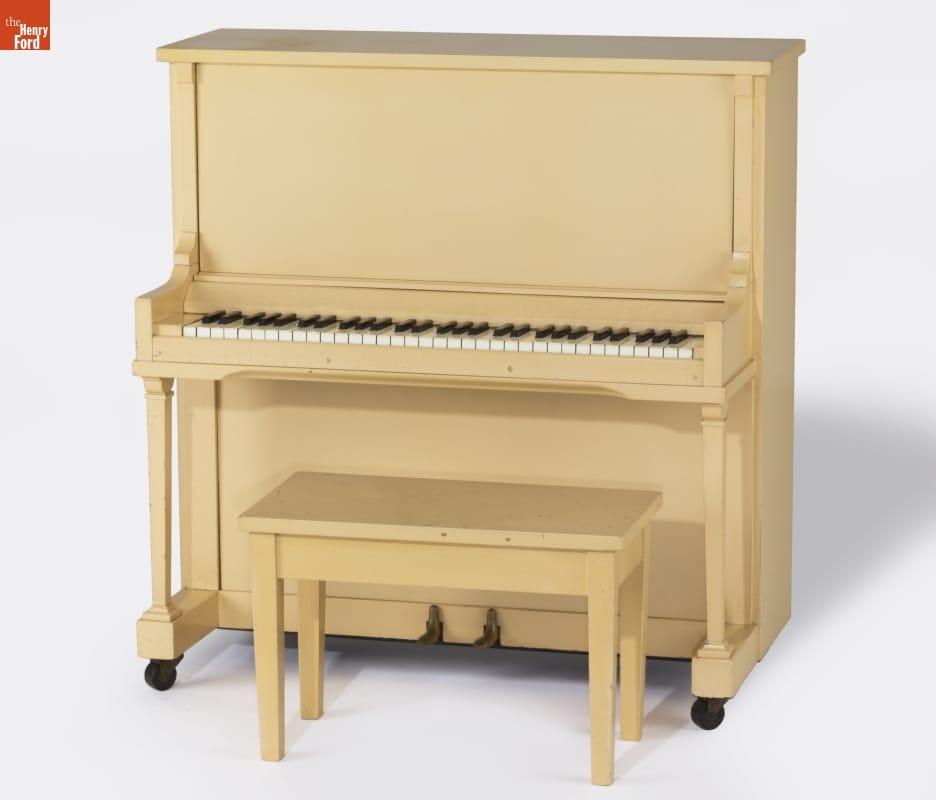
Piano, Used at Club Harlem, Detroit, Michigan, 1934
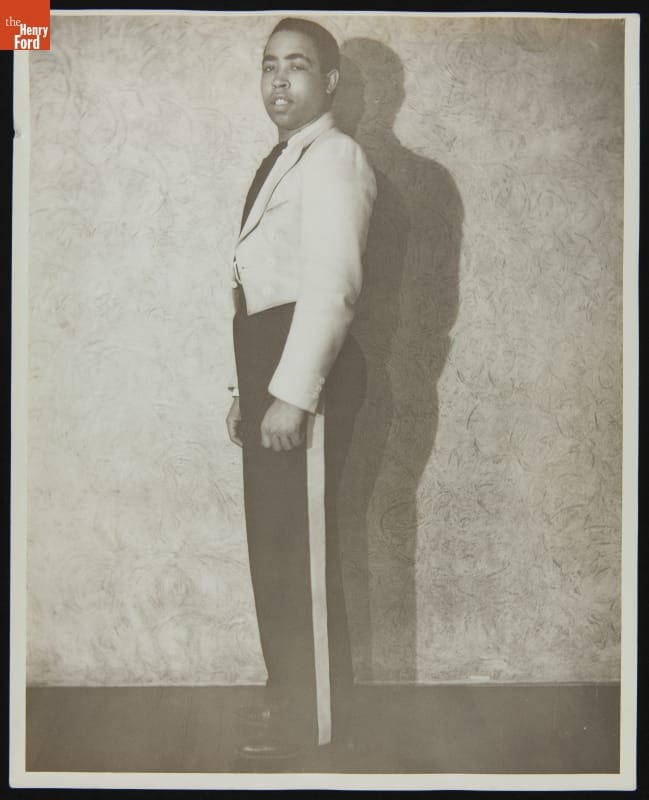
- Performing Artist, Club Harlem, 1934-1935 - Paradise Valley, the entertainment district of Detroit’s Black Bottom neighborhood, contained numerous clubs, cabarets, and theaters. Many famous Black performers, such as Duke Ellington and Ella Fitzgerald, played in Paradise Valley from the 1920s to the 1950s. This photo shows an unidentified artist who played at Club Harlem, a short-lived “black-and-tan” establishment that catered to Black and White audiences.
- 1934-1935
- Collections - Artifact
Performing Artist, Club Harlem, 1934-1935
Paradise Valley, the entertainment district of Detroit’s Black Bottom neighborhood, contained numerous clubs, cabarets, and theaters. Many famous Black performers, such as Duke Ellington and Ella Fitzgerald, played in Paradise Valley from the 1920s to the 1950s. This photo shows an unidentified artist who played at Club Harlem, a short-lived “black-and-tan” establishment that catered to Black and White audiences.
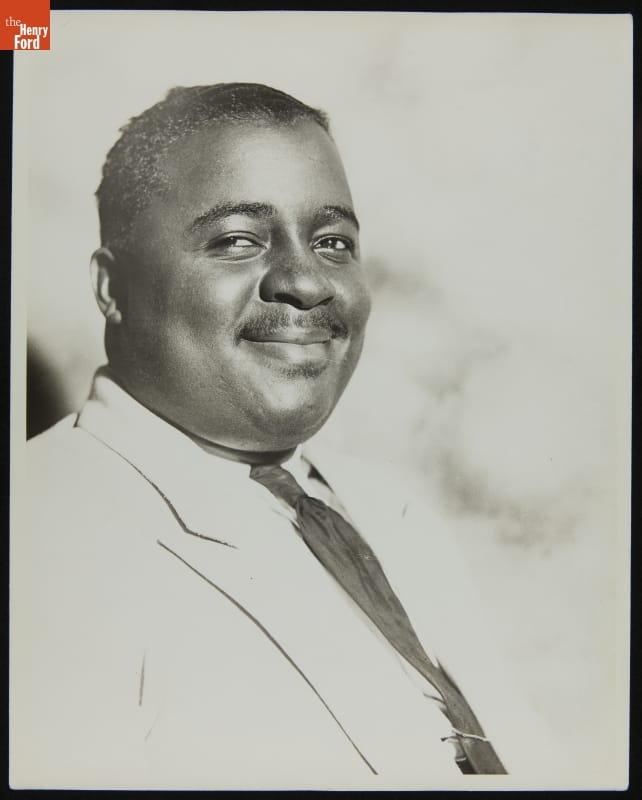
- Performing Artist, Club Harlem, 1934-1935 -
- 1934-1935
- Collections - Artifact
Performing Artist, Club Harlem, 1934-1935
- Club Harlem Chorus, 1934-1935 - This chorus line performed at the short-lived Club Harlem in Paradise Valley, the entertainment district in Detroit’s Black Bottom neighborhood. Club Harlem was a “black-and-tan” establishment, catering to both Black and White audiences. Chorus line acts such as this -- popular during the 1920s and 1930s-- sang and danced everywhere from large theaters to small cabarets.
- 1934-1935
- Collections - Artifact
Club Harlem Chorus, 1934-1935
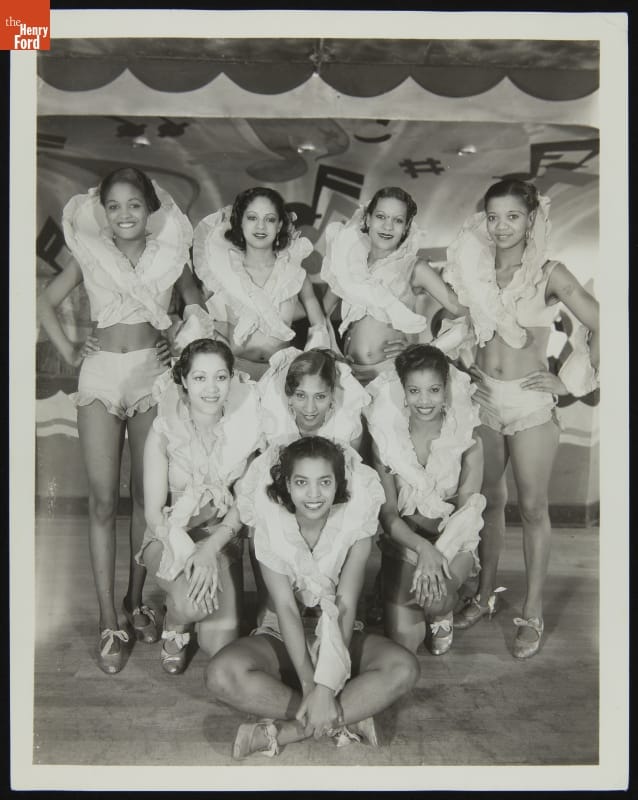
This chorus line performed at the short-lived Club Harlem in Paradise Valley, the entertainment district in Detroit’s Black Bottom neighborhood. Club Harlem was a “black-and-tan” establishment, catering to both Black and White audiences. Chorus line acts such as this -- popular during the 1920s and 1930s-- sang and danced everywhere from large theaters to small cabarets.