
Search
- Diesel Engine, 1898 -
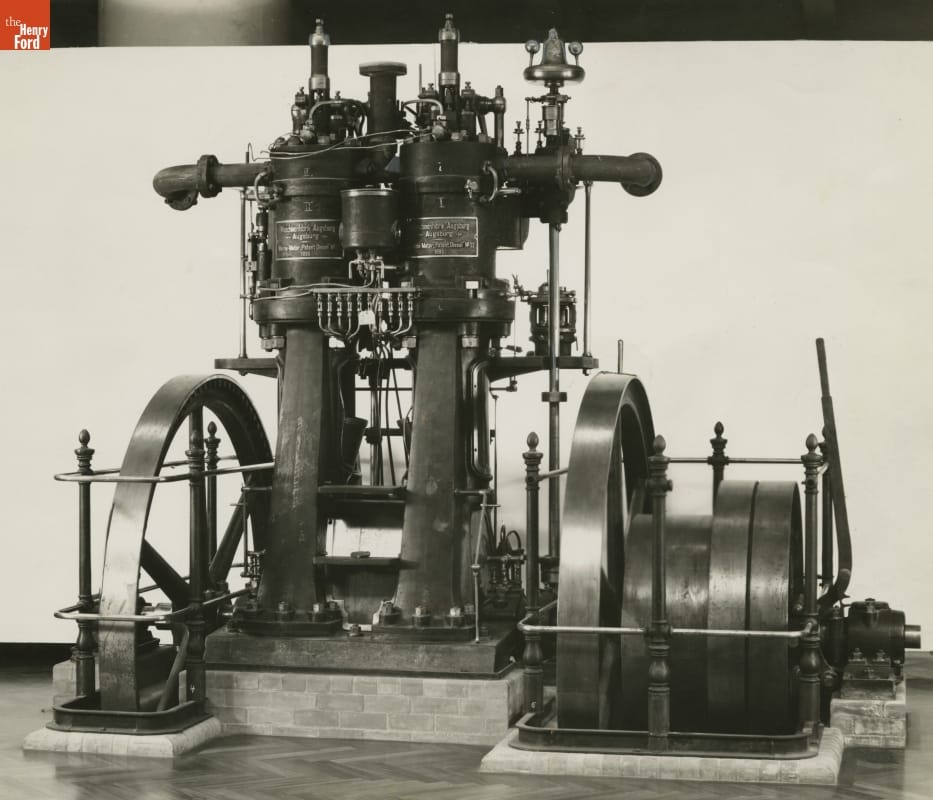
- 1898
- Collections - Artifact
Diesel Engine, 1898
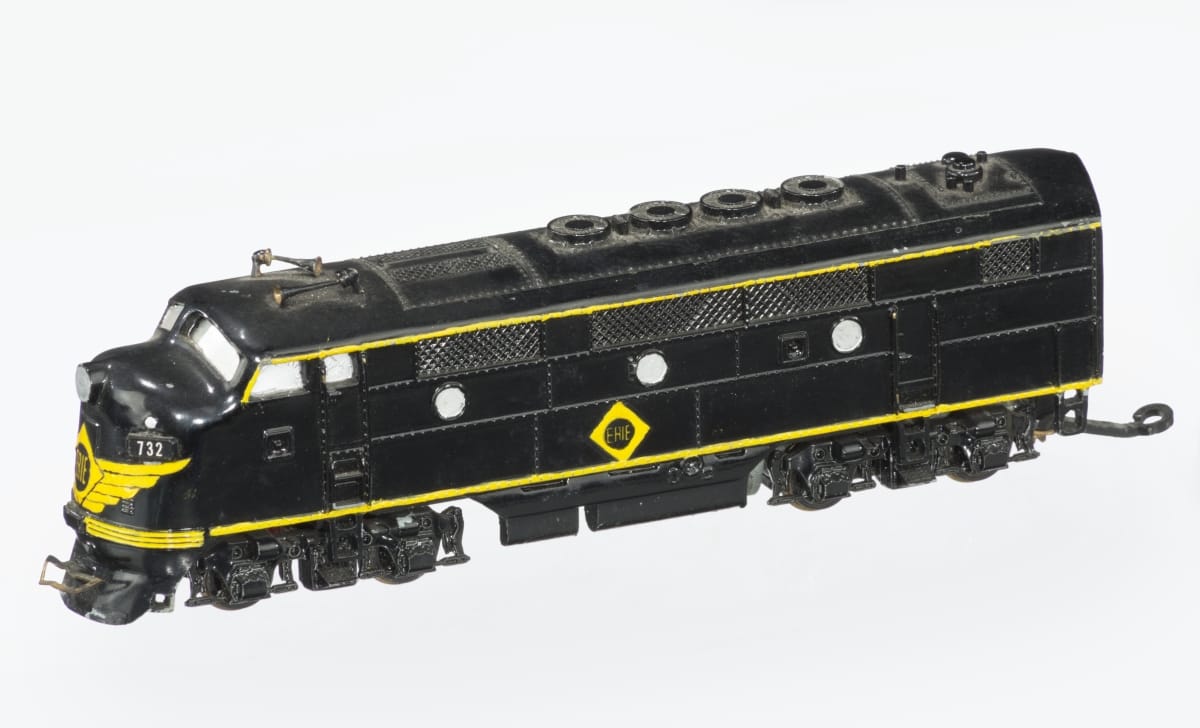
- Varney Model "Erie Railroad" Diesel Locomotive, 1945-1970 - HO or 1:87 scale trains first appeared after World War I but didn't become big sellers in the United States until the 1950s. Their smaller size -- half the size of O scale models -- allowed modelers to build more elaborate layouts in the same physical space. HO is large enough for realistic detail, yet small enough to remain affordable to many customers.
- 1945-1970
- Collections - Artifact
Varney Model "Erie Railroad" Diesel Locomotive, 1945-1970
HO or 1:87 scale trains first appeared after World War I but didn't become big sellers in the United States until the 1950s. Their smaller size -- half the size of O scale models -- allowed modelers to build more elaborate layouts in the same physical space. HO is large enough for realistic detail, yet small enough to remain affordable to many customers.
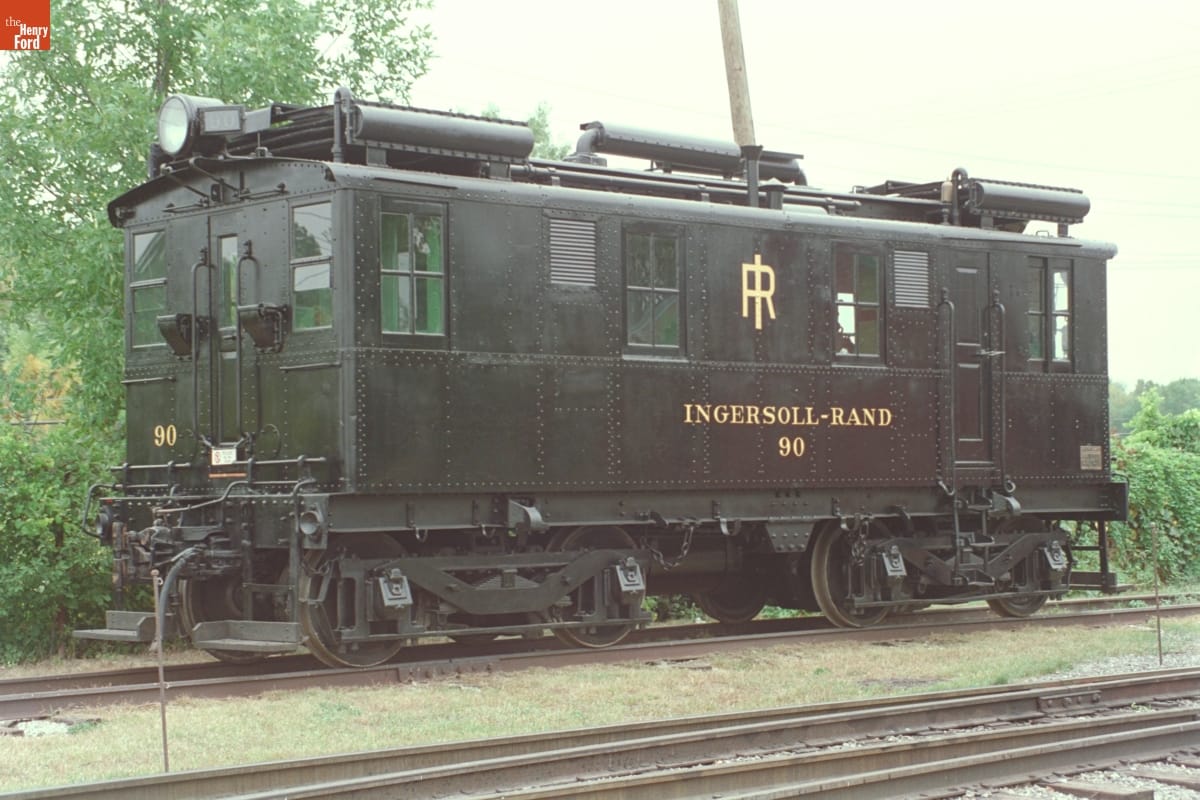
- Ingersoll-Rand Number 90 Diesel-Electric Locomotive, 1926 - This is one of the earliest diesel-electric locomotives used on American railroads. Diesel-electrics offered many advantages over steam locomotives. They required less maintenance, were more fuel efficient, and could be operated by smaller crews. This locomotive's body houses an Ingersoll-Rand diesel engine that drives a General Electric generator, which in turn powers electric motors on the axles.
- 1926
- Collections - Artifact
Ingersoll-Rand Number 90 Diesel-Electric Locomotive, 1926
This is one of the earliest diesel-electric locomotives used on American railroads. Diesel-electrics offered many advantages over steam locomotives. They required less maintenance, were more fuel efficient, and could be operated by smaller crews. This locomotive's body houses an Ingersoll-Rand diesel engine that drives a General Electric generator, which in turn powers electric motors on the axles.
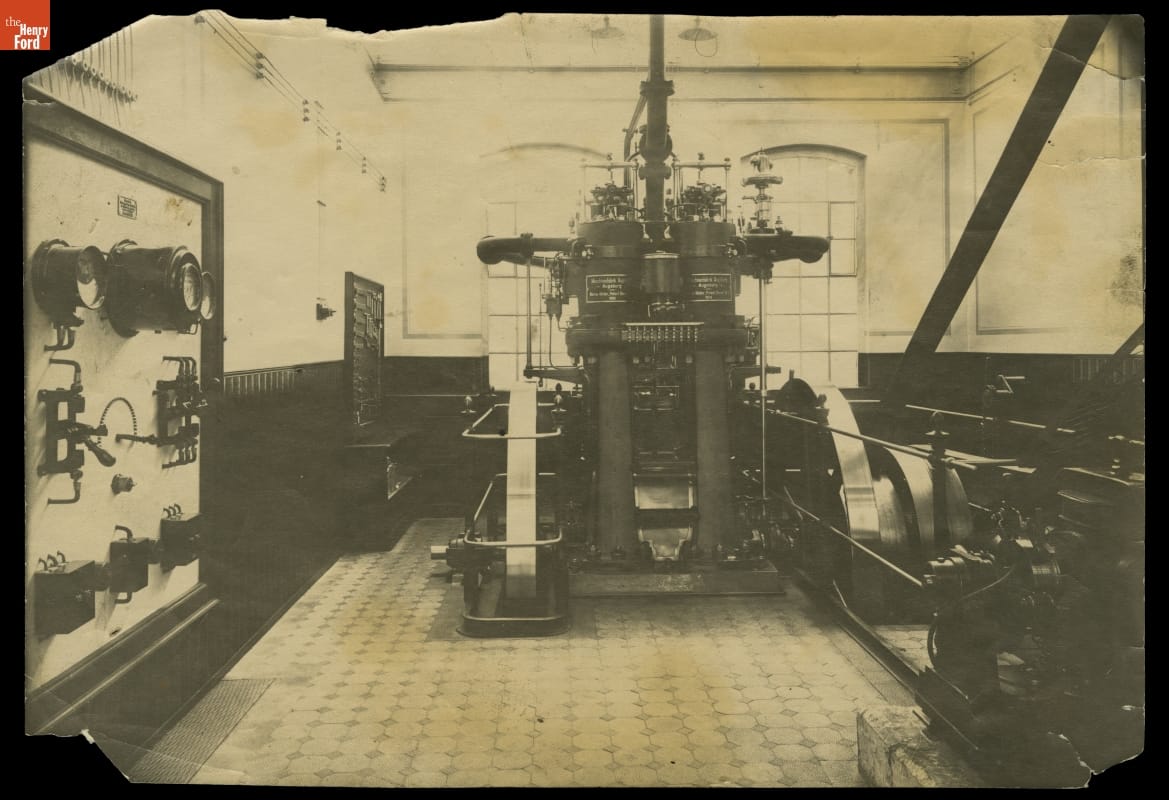
- Diesel Engine, Pforzheim, Germany, 1898 - This photograph shows one of the earliest commercially produced diesel engines. Built in 1898 by Maschinenfabrik-Augsburg AG, a supporter of Rudolf Diesel and his engine, it was installed at a tool manufacturing company in Pforzheim, Germany. Agents for Henry Ford located and purchased the engine in 1929. The engine remains an important part of the museum's collection.
- 1898
- Collections - Artifact
Diesel Engine, Pforzheim, Germany, 1898
This photograph shows one of the earliest commercially produced diesel engines. Built in 1898 by Maschinenfabrik-Augsburg AG, a supporter of Rudolf Diesel and his engine, it was installed at a tool manufacturing company in Pforzheim, Germany. Agents for Henry Ford located and purchased the engine in 1929. The engine remains an important part of the museum's collection.
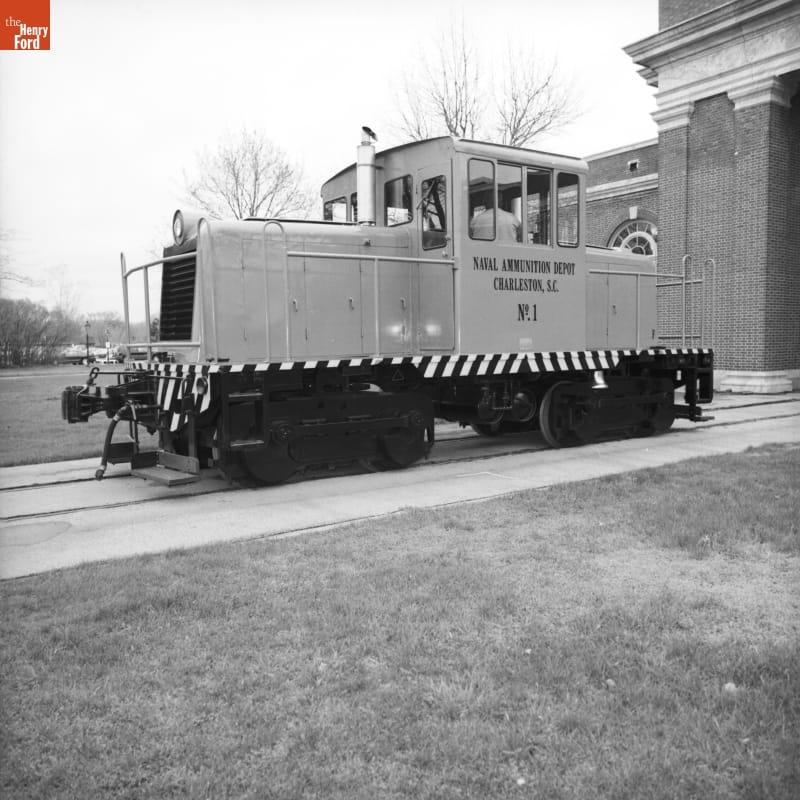
- General Electric Diesel-Electric Locomotive, 1942 - Lightweight 44-, 45- and 50-ton diesel-electric locomotives proved popular in industrial and yard switching duties. They were less expensive to operate than steam locomotives and could run on lightly built track. This 50-ton unit served a U.S. Navy ammunition depot in Charleston, South Carolina, during World War II. It later operated at a scrapyard in Ecorse, Michigan.
- 1942
- Collections - Artifact
General Electric Diesel-Electric Locomotive, 1942
Lightweight 44-, 45- and 50-ton diesel-electric locomotives proved popular in industrial and yard switching duties. They were less expensive to operate than steam locomotives and could run on lightly built track. This 50-ton unit served a U.S. Navy ammunition depot in Charleston, South Carolina, during World War II. It later operated at a scrapyard in Ecorse, Michigan.
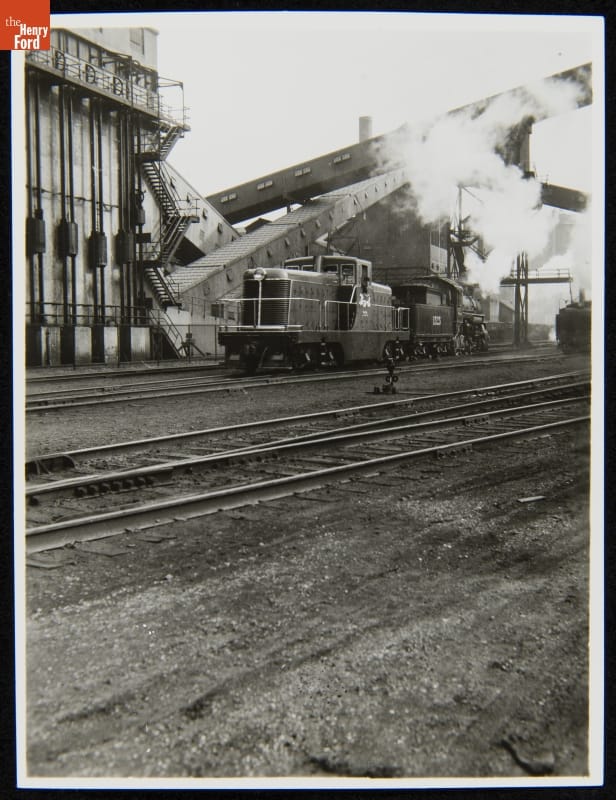
- Diesel Locomotives at the Ford Rouge Plant, February 1938 - Some 100 miles of railroad track covered the grounds of Ford Motor Company's Rouge plant. The automaker maintained its own fleet of locomotives to move incoming railcars loaded with raw materials, and outgoing railcars filled with finished parts and automobiles, around the complex. Additionally, specialized tank cars ferried molten iron from the factory's blast furnaces to its foundry.
- February 10, 1938
- Collections - Artifact
Diesel Locomotives at the Ford Rouge Plant, February 1938
Some 100 miles of railroad track covered the grounds of Ford Motor Company's Rouge plant. The automaker maintained its own fleet of locomotives to move incoming railcars loaded with raw materials, and outgoing railcars filled with finished parts and automobiles, around the complex. Additionally, specialized tank cars ferried molten iron from the factory's blast furnaces to its foundry.
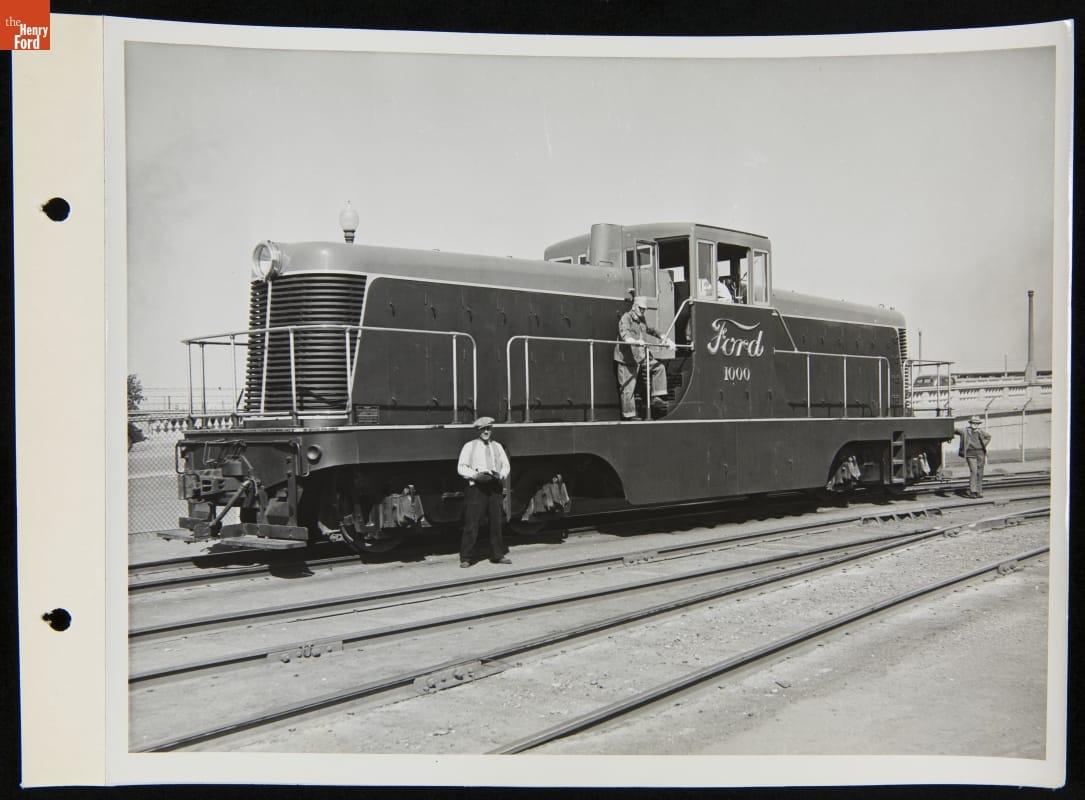
- Diesel Locomotive in North Yard, Ford Rouge Plant, September 1937 - Some 100 miles of railroad track covered the grounds of Ford Motor Company's Rouge plant. The automaker maintained its own fleet of locomotives to move incoming railcars loaded with raw materials, and outgoing railcars filled with finished parts and automobiles, around the complex. Additionally, specialized tank cars ferried molten iron from the factory's blast furnaces to its foundry.
- September 20, 1937
- Collections - Artifact
Diesel Locomotive in North Yard, Ford Rouge Plant, September 1937
Some 100 miles of railroad track covered the grounds of Ford Motor Company's Rouge plant. The automaker maintained its own fleet of locomotives to move incoming railcars loaded with raw materials, and outgoing railcars filled with finished parts and automobiles, around the complex. Additionally, specialized tank cars ferried molten iron from the factory's blast furnaces to its foundry.
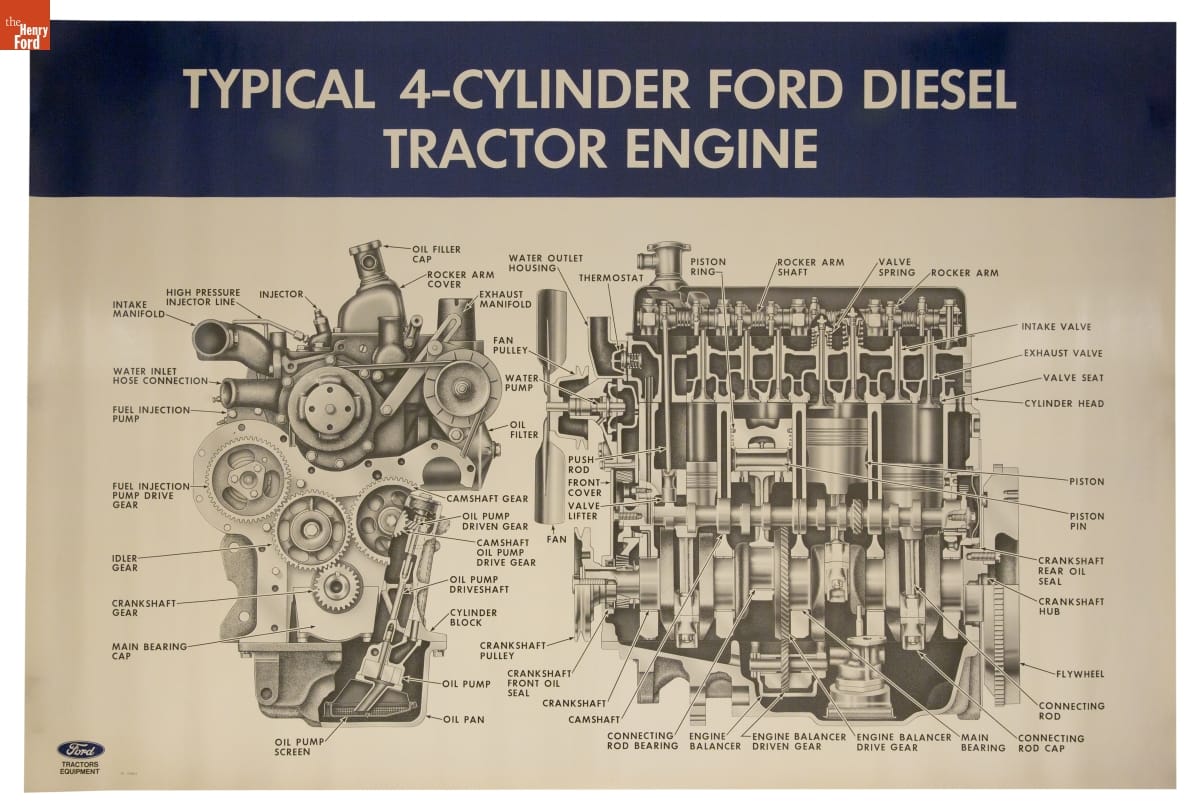
- Typical 4-Cylinder Ford Diesel Tractor Engine, 1965-1976 -
- 1965-1976
- Collections - Artifact
Typical 4-Cylinder Ford Diesel Tractor Engine, 1965-1976
- Diesel Locomotive at the Ford Rouge Plant, November 1937 - Some 100 miles of railroad track covered the grounds of Ford Motor Company's Rouge plant. The automaker maintained its own fleet of locomotives to move incoming railcars loaded with raw materials, and outgoing railcars filled with finished parts and automobiles, around the complex. Additionally, specialized tank cars ferried molten iron from the factory's blast furnaces to its foundry.
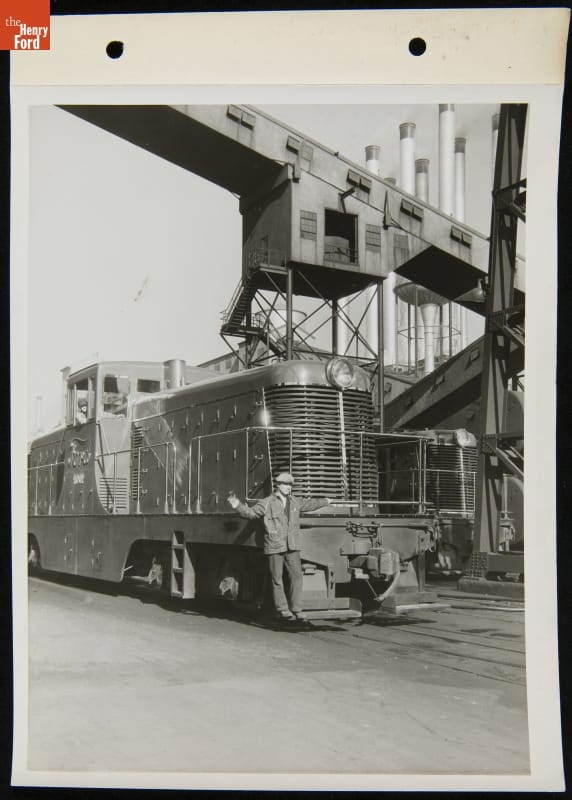
- November 10, 1937
- Collections - Artifact
Diesel Locomotive at the Ford Rouge Plant, November 1937
Some 100 miles of railroad track covered the grounds of Ford Motor Company's Rouge plant. The automaker maintained its own fleet of locomotives to move incoming railcars loaded with raw materials, and outgoing railcars filled with finished parts and automobiles, around the complex. Additionally, specialized tank cars ferried molten iron from the factory's blast furnaces to its foundry.
- Typical Diesel Powered Ford Tractor, 1965-1976 -
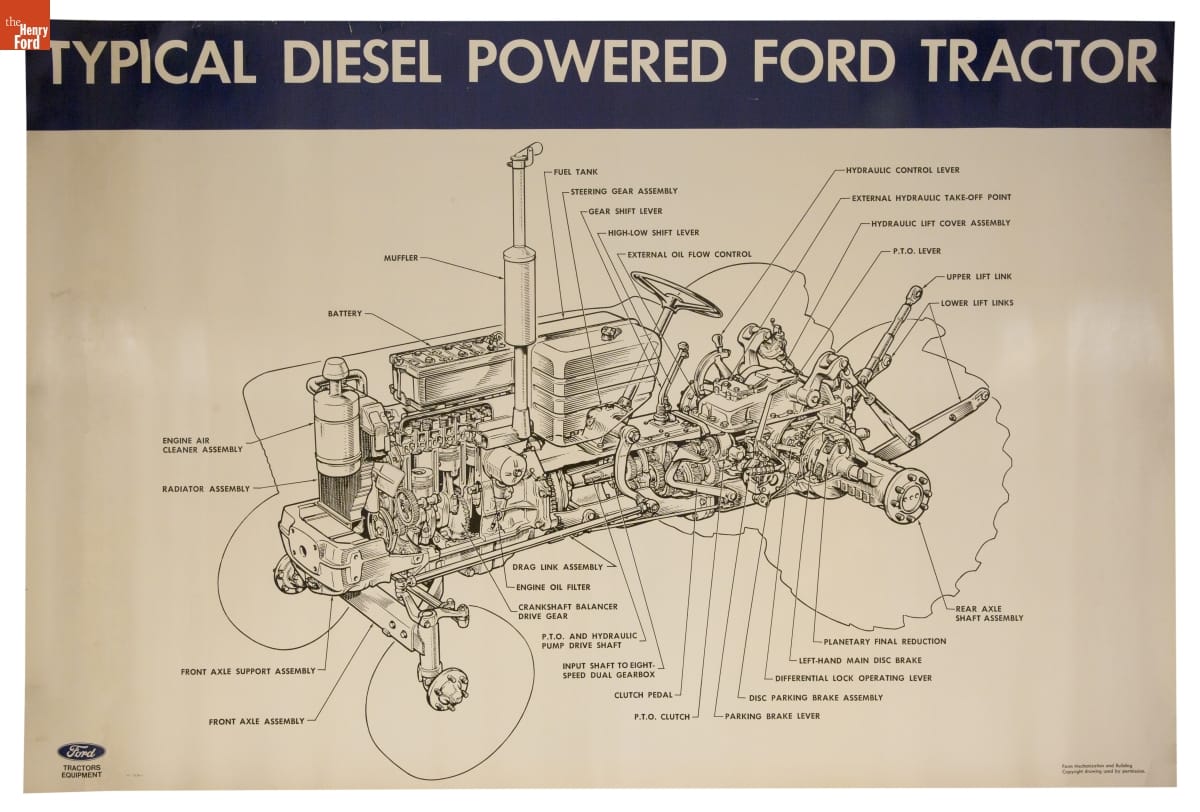
- 1965-1976
- Collections - Artifact
Typical Diesel Powered Ford Tractor, 1965-1976