
Search
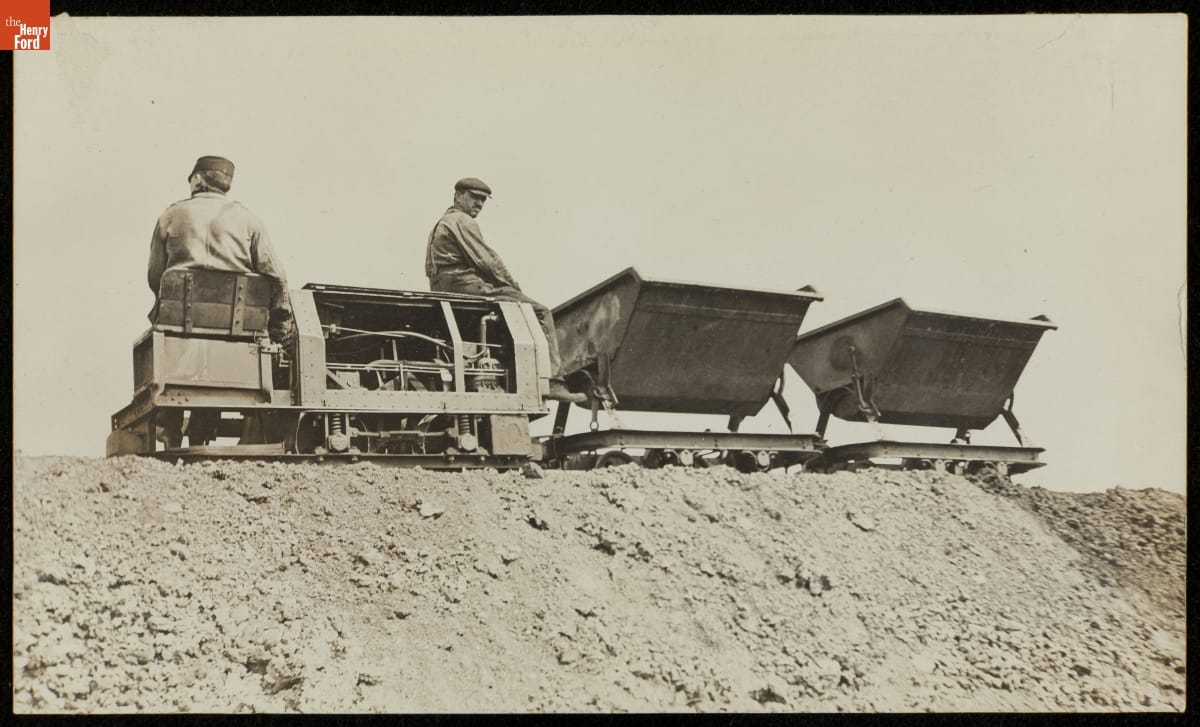
- Electric Locomotive Pulling Ore Cars, 1911 - Outside of mass transit operations and Amtrak's Boston-New York-Washington corridor, electric locomotives remain unusual in the United States. The locomotives, which draw electricity from overhead wires or electrified third rails, require expensive infrastructure. They can be well suited to small industrial railroads, though, where their lighter weight and high power output are advantageous.
- March 13, 1911
- Collections - Artifact
Electric Locomotive Pulling Ore Cars, 1911
Outside of mass transit operations and Amtrak's Boston-New York-Washington corridor, electric locomotives remain unusual in the United States. The locomotives, which draw electricity from overhead wires or electrified third rails, require expensive infrastructure. They can be well suited to small industrial railroads, though, where their lighter weight and high power output are advantageous.
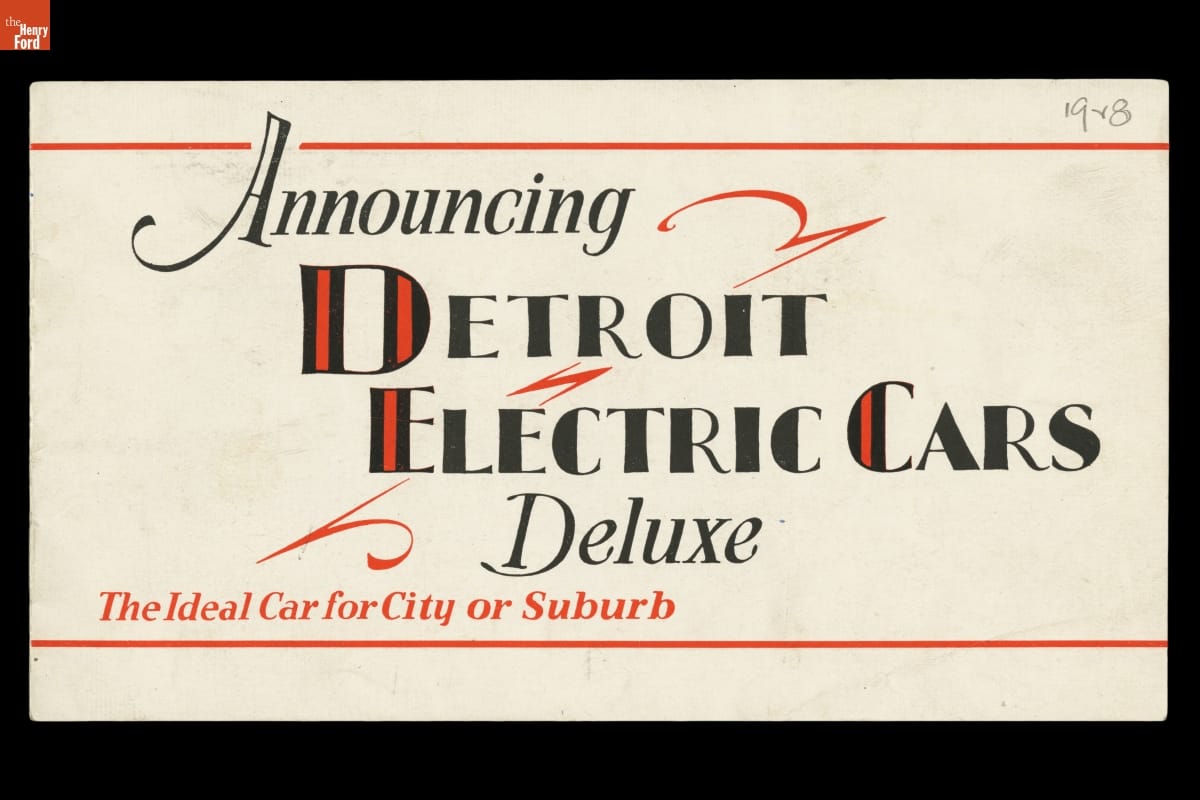
- Sales Catalog, "Announcing Detroit Electric Cars Deluxe," 1928 - Detroit Electric was the best-known and longest-lived American electric car company. The firm built its first electric vehicles in 1907, promoting them for use in cities where electricity was readily available and range generally wasn't an issue. Detroit Electric moved away from passenger cars in the 1920s to focus on commercial vehicles. The company ended all production in 1939.
- 1928
- Collections - Artifact
Sales Catalog, "Announcing Detroit Electric Cars Deluxe," 1928
Detroit Electric was the best-known and longest-lived American electric car company. The firm built its first electric vehicles in 1907, promoting them for use in cities where electricity was readily available and range generally wasn't an issue. Detroit Electric moved away from passenger cars in the 1920s to focus on commercial vehicles. The company ended all production in 1939.
- "Columbia Gasoline Cars and Electric Pleasure Vehicles," 1904 - Columbia, built by the Pope Manufacturing Company of Hartford, Connecticut, was America's leading bicycle brand in the late 19th century. Founder Albert A. Pope hoped to duplicate that success with automobiles. Both electric and gasoline Columbia motor vehicles were produced in a range of body styles. But high prices hampered sales, and the last Columbia cars were built in 1913.
- 1904
- Collections - Artifact
"Columbia Gasoline Cars and Electric Pleasure Vehicles," 1904
Columbia, built by the Pope Manufacturing Company of Hartford, Connecticut, was America's leading bicycle brand in the late 19th century. Founder Albert A. Pope hoped to duplicate that success with automobiles. Both electric and gasoline Columbia motor vehicles were produced in a range of body styles. But high prices hampered sales, and the last Columbia cars were built in 1913.
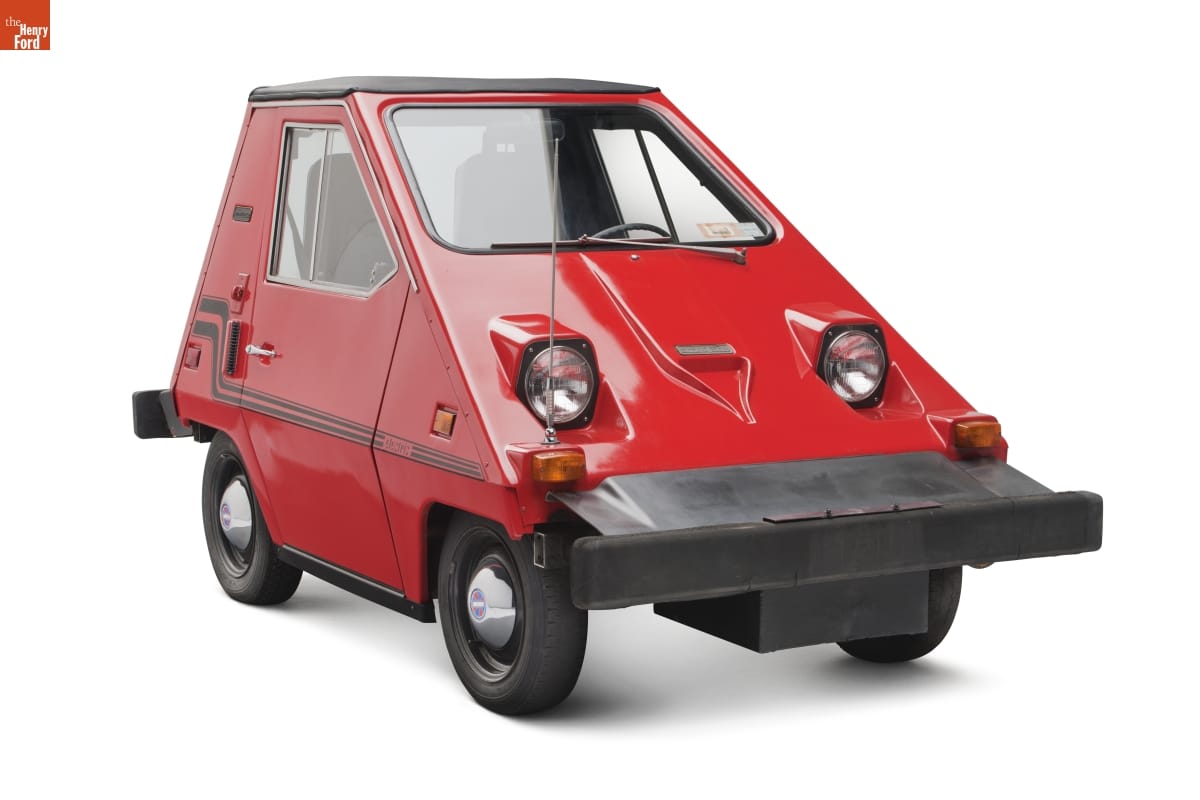
- 1980 Comuta-Car Electric Runabout - The Comuta-Car, and its predecessor the CitiCar, were electric cars designed for limited use in cities. Sharp increases in gasoline prices in the 1970s persuaded some 4,000 people to buy the tiny vehicles. But every time the price of fuel spiked, it always fell again, and demand for specialized urban electrics always fell along with it. Will the time for such cars ever come?
- 1980
- Collections - Artifact
1980 Comuta-Car Electric Runabout
The Comuta-Car, and its predecessor the CitiCar, were electric cars designed for limited use in cities. Sharp increases in gasoline prices in the 1970s persuaded some 4,000 people to buy the tiny vehicles. But every time the price of fuel spiked, it always fell again, and demand for specialized urban electrics always fell along with it. Will the time for such cars ever come?
- Baker Electric "Torpedo Kid" Race Car, 1904 - Walter Baker, co-founder of Baker Motor Vehicle Company, promoted his electric production cars with a series of streamlined electric race cars each called "Torpedo Kid." In a land speed run at Ormond Beach, Florida, one of Baker's racers covered a mile in 56 seconds, which translated to a speed of more than 60 miles per hour.
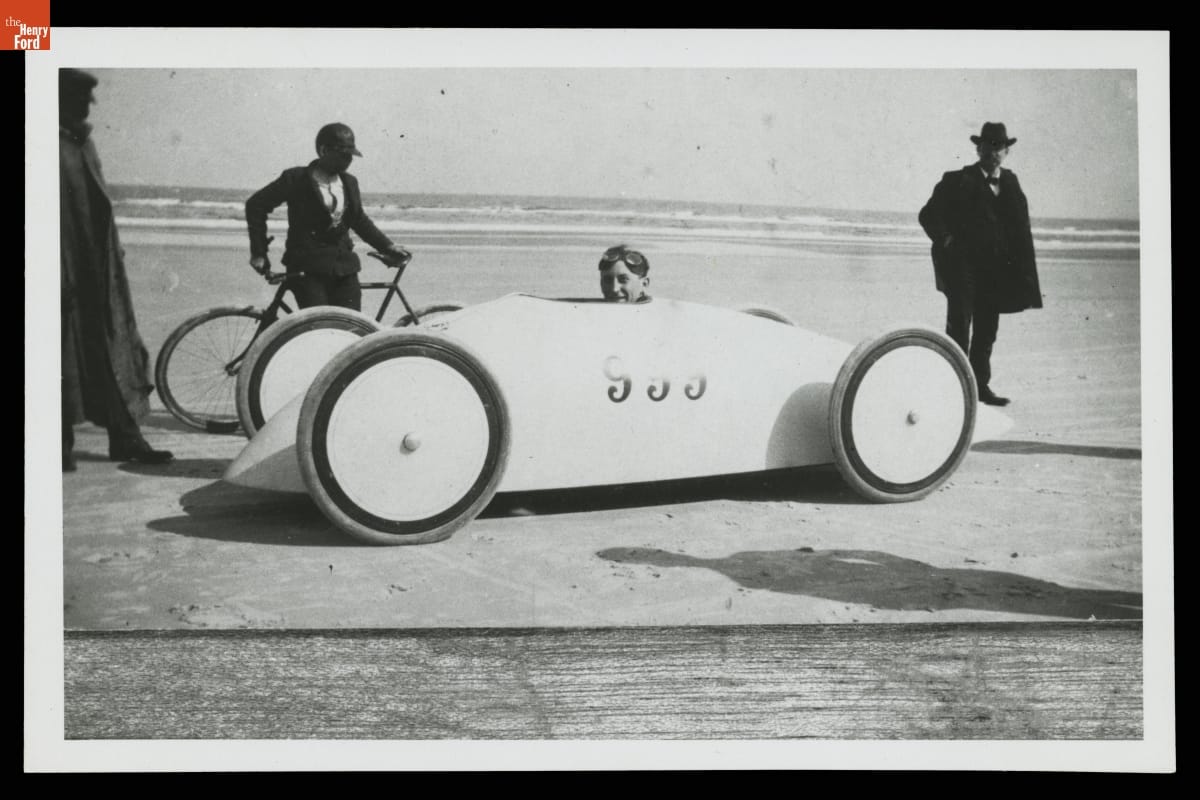
- 1904
- Collections - Artifact
Baker Electric "Torpedo Kid" Race Car, 1904
Walter Baker, co-founder of Baker Motor Vehicle Company, promoted his electric production cars with a series of streamlined electric race cars each called "Torpedo Kid." In a land speed run at Ormond Beach, Florida, one of Baker's racers covered a mile in 56 seconds, which translated to a speed of more than 60 miles per hour.
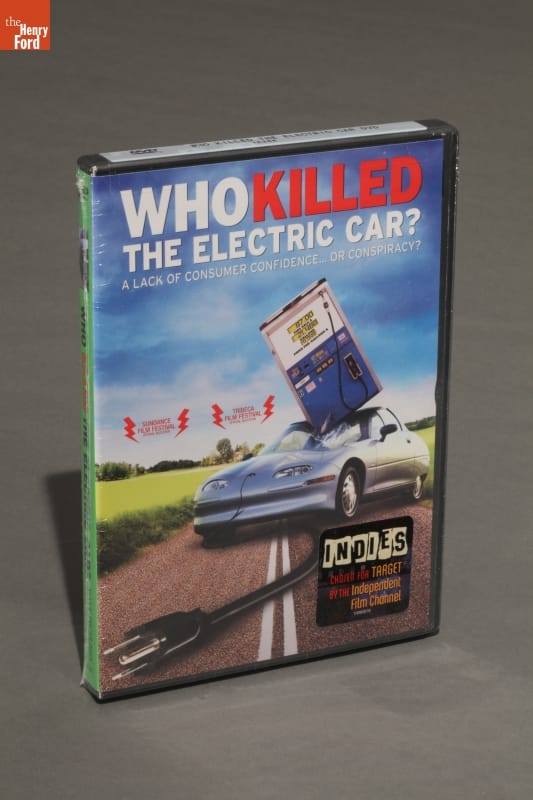
- "Who Killed the Electric Car?" DVD, 2006 - General Motors' EV1 electric automobile, introduced in 1996, earned a devoted following. So much so that, when the model was canceled in 2003, some fans suspected a conspiracy between GM, petroleum interests and politicians. The 2006 documentary film <EM>Who Killed the Electric Car?</EM> explored this and other theories for the EV1's demise.
- 2006
- Collections - Artifact
"Who Killed the Electric Car?" DVD, 2006
General Motors' EV1 electric automobile, introduced in 1996, earned a devoted following. So much so that, when the model was canceled in 2003, some fans suspected a conspiracy between GM, petroleum interests and politicians. The 2006 documentary film Who Killed the Electric Car? explored this and other theories for the EV1's demise.
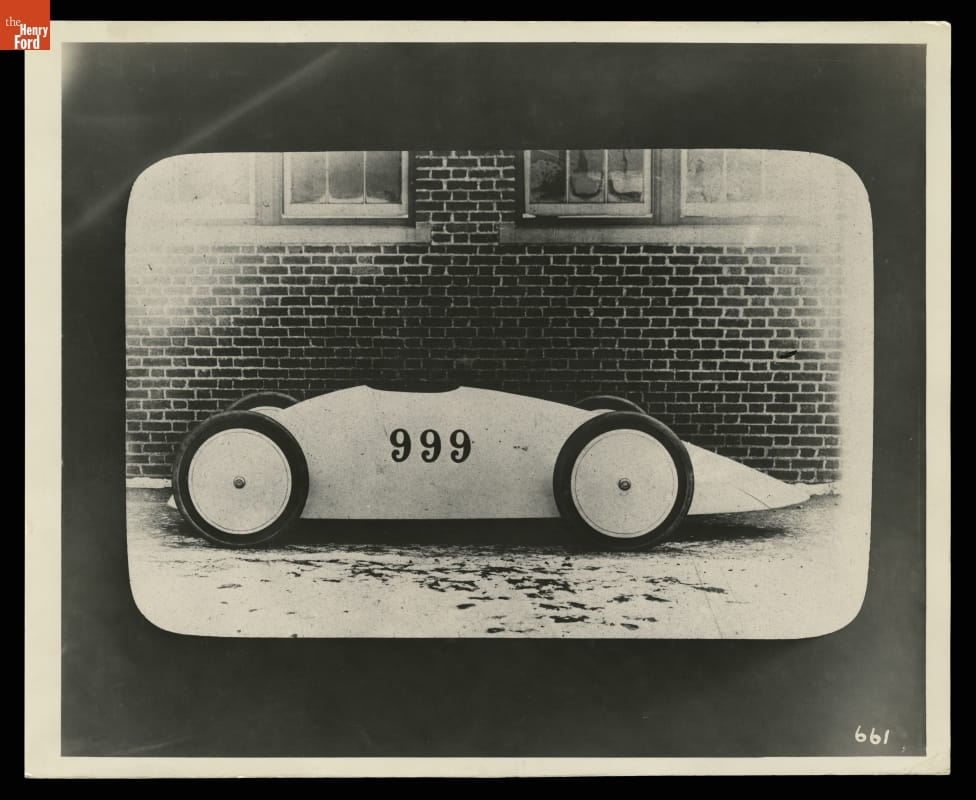
- Baker Electric "Torpedo Kid" Race Car, 1903 - Walter Baker, co-founder of Baker Motor Vehicle Company, promoted his electric production cars with a series of streamlined electric race cars each called "Torpedo Kid." In a land speed run at Ormond Beach, Florida, one of Baker's racers covered a mile in 56 seconds, which translated to a speed of more than 60 miles per hour.
- 1903
- Collections - Artifact
Baker Electric "Torpedo Kid" Race Car, 1903
Walter Baker, co-founder of Baker Motor Vehicle Company, promoted his electric production cars with a series of streamlined electric race cars each called "Torpedo Kid." In a land speed run at Ormond Beach, Florida, one of Baker's racers covered a mile in 56 seconds, which translated to a speed of more than 60 miles per hour.
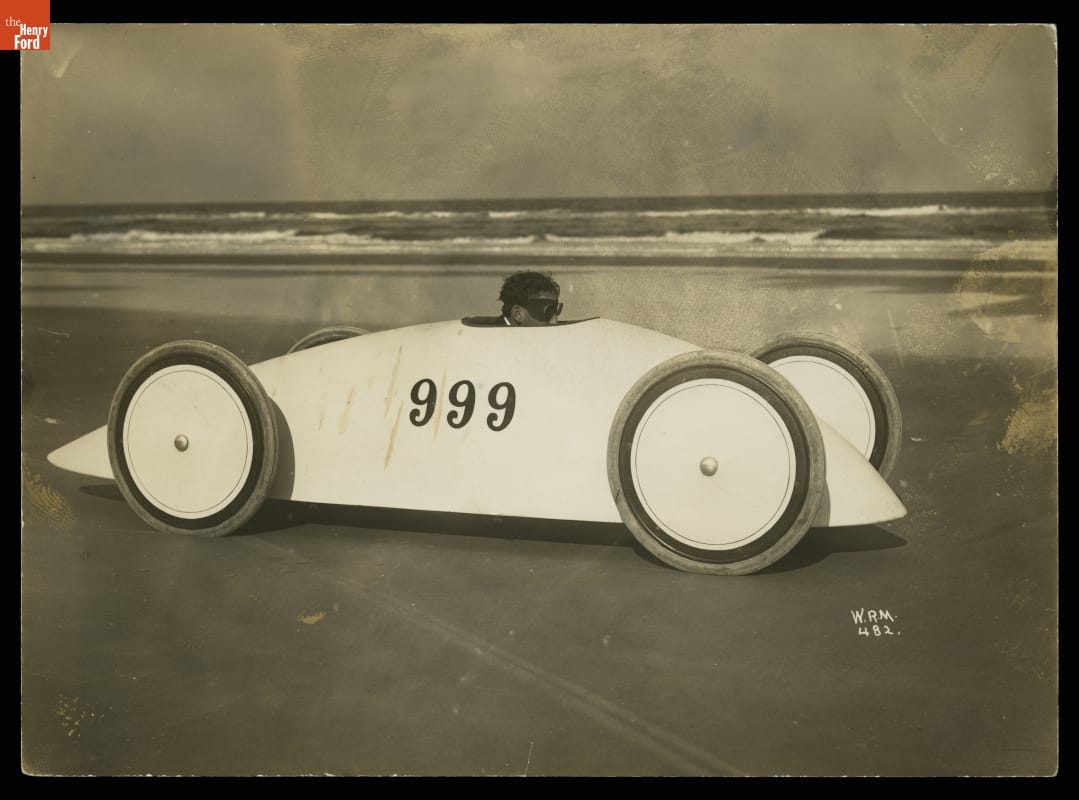
- Baker Electric "Torpedo Kid" Race Car, 1904 - Walter Baker, co-founder of Baker Motor Vehicle Company, promoted his electric production cars with a series of streamlined electric race cars each called "Torpedo Kid." In a land speed run at Ormond Beach, Florida, one of Baker's racers covered a mile in 56 seconds, which translated to a speed of more than 60 miles per hour.
- 1904
- Collections - Artifact
Baker Electric "Torpedo Kid" Race Car, 1904
Walter Baker, co-founder of Baker Motor Vehicle Company, promoted his electric production cars with a series of streamlined electric race cars each called "Torpedo Kid." In a land speed run at Ormond Beach, Florida, one of Baker's racers covered a mile in 56 seconds, which translated to a speed of more than 60 miles per hour.
- Electric Cars for Well-to-do Women - Clara Ford, wife of Henry Ford, drove this Detroit Electric. In the years before World War I many women chose electric cars because they started instantly without hand cranking and had no difficult-to-shift transmission. The superintendent of the Detroit Electric factory employed his daughter, Lillian Reynolds, to sell to women -- including Clara Ford, who drove this car into the 1930s.

- February 10, 2015
- Collections - Set
Electric Cars for Well-to-do Women
Clara Ford, wife of Henry Ford, drove this Detroit Electric. In the years before World War I many women chose electric cars because they started instantly without hand cranking and had no difficult-to-shift transmission. The superintendent of the Detroit Electric factory employed his daughter, Lillian Reynolds, to sell to women -- including Clara Ford, who drove this car into the 1930s.
- Sales Catalog for the 1913 Detroit Electric Car, "Society's Town Car" - Detroit Electric was the best-known and longest-lived American electric car company, producing automobiles from 1907-1939. The company marketed its cars to well-to-do customers -- particularly women -- looking for a clean, quiet car in which to take short trips in cities, where electricity was readily available and range wasn't an issue. Detroit Electric buyers included Henry Ford and Thomas Edison.
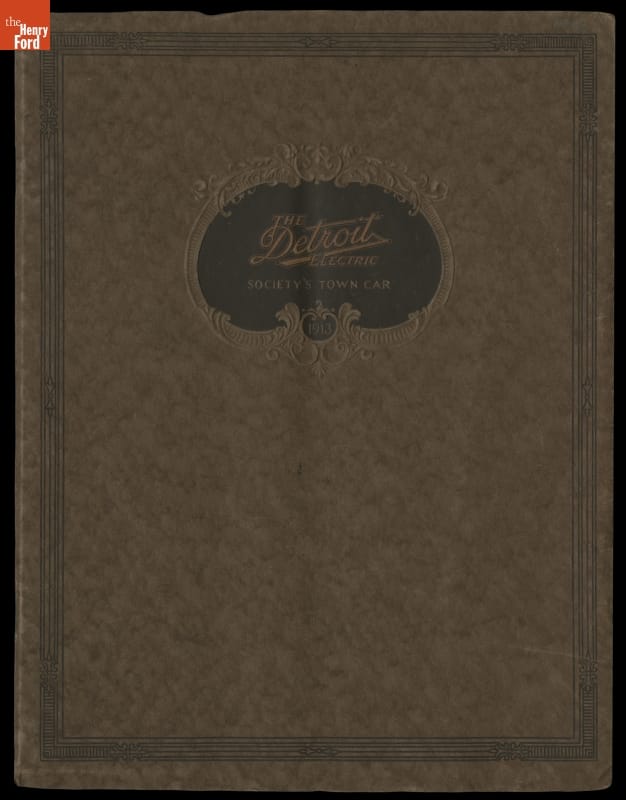
- 1913
- Collections - Artifact
Sales Catalog for the 1913 Detroit Electric Car, "Society's Town Car"
Detroit Electric was the best-known and longest-lived American electric car company, producing automobiles from 1907-1939. The company marketed its cars to well-to-do customers -- particularly women -- looking for a clean, quiet car in which to take short trips in cities, where electricity was readily available and range wasn't an issue. Detroit Electric buyers included Henry Ford and Thomas Edison.