
Search
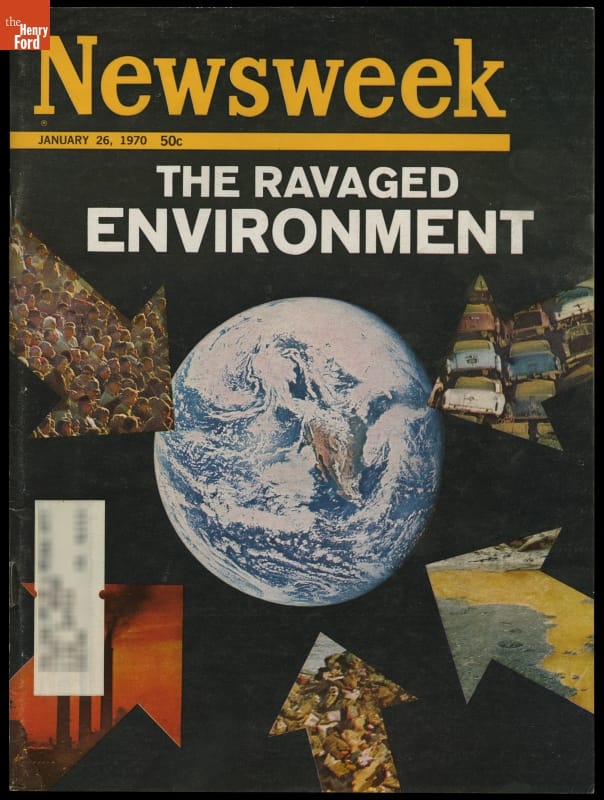
- Newsweek Magazine for January 26, 1970, "The Ravaged Environment" - Popular news magazines consolidated reports on environmental degradation and informed the general public about the need for the environmental movement. <em>Newsweek</em> became the first to dedicate an issue to the problem on January 26, 1970. It described the greatest test of human innovation -- an environment at risk of collapse -- and shared possible solutions with curious readers.
- January 26, 1970
- Collections - Artifact
Newsweek Magazine for January 26, 1970, "The Ravaged Environment"
Popular news magazines consolidated reports on environmental degradation and informed the general public about the need for the environmental movement. Newsweek became the first to dedicate an issue to the problem on January 26, 1970. It described the greatest test of human innovation -- an environment at risk of collapse -- and shared possible solutions with curious readers.
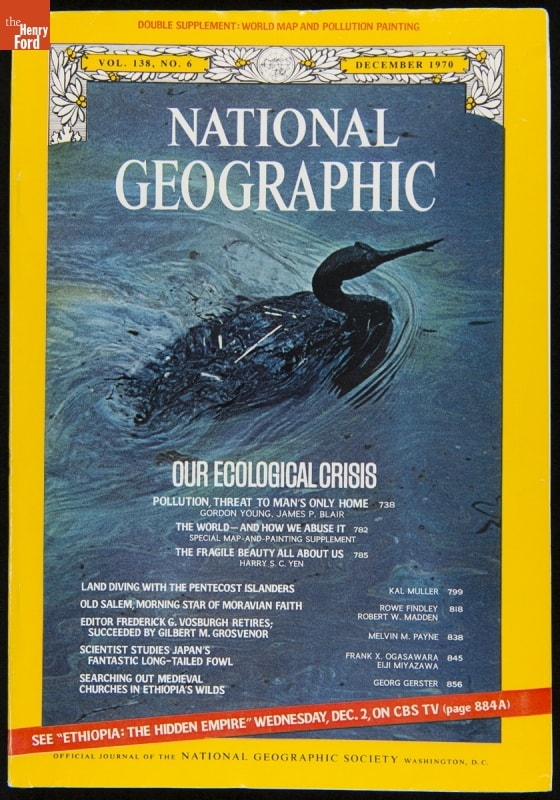
- National Geographic Magazine for December 1970, "Our Ecological Crisis" - <em>National Geographic</em> featured the environmental consequences of the 1969 oil spill in the Santa Barbara Channel, the largest in U.S. waters to date, in its December 1970 issue. The magazine drew readers' attention to pollution as well as non-renewable resource exploitation and planned obsolescence. It joined coverage by <em>Newsweek</em>, <em>LIFE</em>, and <em>TIME</em> during 1970 that stressed the need for aggressive action to save the environment.
- December 01, 1970
- Collections - Artifact
National Geographic Magazine for December 1970, "Our Ecological Crisis"
National Geographic featured the environmental consequences of the 1969 oil spill in the Santa Barbara Channel, the largest in U.S. waters to date, in its December 1970 issue. The magazine drew readers' attention to pollution as well as non-renewable resource exploitation and planned obsolescence. It joined coverage by Newsweek, LIFE, and TIME during 1970 that stressed the need for aggressive action to save the environment.
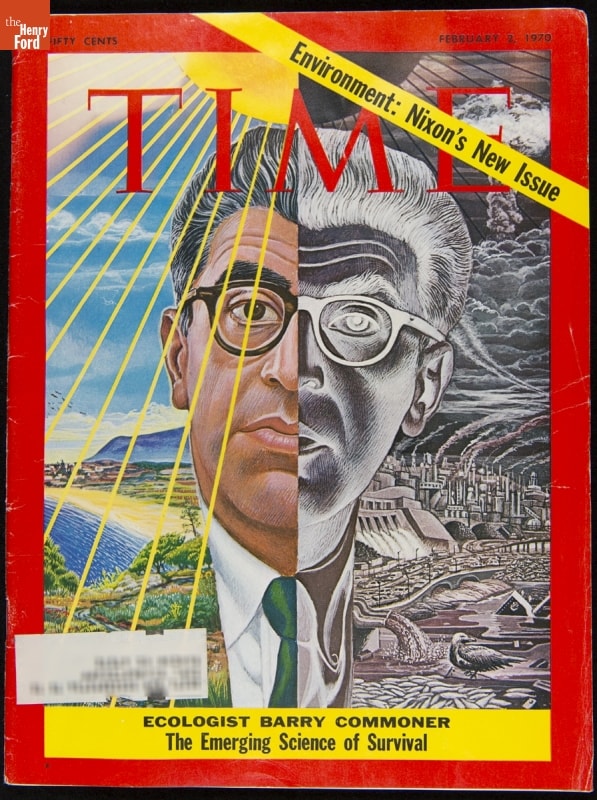
- Time Magazine for February 2, 1970, "Environment: Nixon's New Issue" - Popular news magazines consolidated reports on environmental degradation and informed the general public about the need for an environmental movement. <em>TIME</em> was the third of the major news magazines (<em>Newsweek</em> was the first on January 26, 1970, and <em>LIFE</em> was the second on January 30, 1970) to dedicate an issue to, as the <em>Newsweek</em> edition explained it, the greatest test of human innovation: preserving the environment.
- February 02, 1970
- Collections - Artifact
Time Magazine for February 2, 1970, "Environment: Nixon's New Issue"
Popular news magazines consolidated reports on environmental degradation and informed the general public about the need for an environmental movement. TIME was the third of the major news magazines (Newsweek was the first on January 26, 1970, and LIFE was the second on January 30, 1970) to dedicate an issue to, as the Newsweek edition explained it, the greatest test of human innovation: preserving the environment.
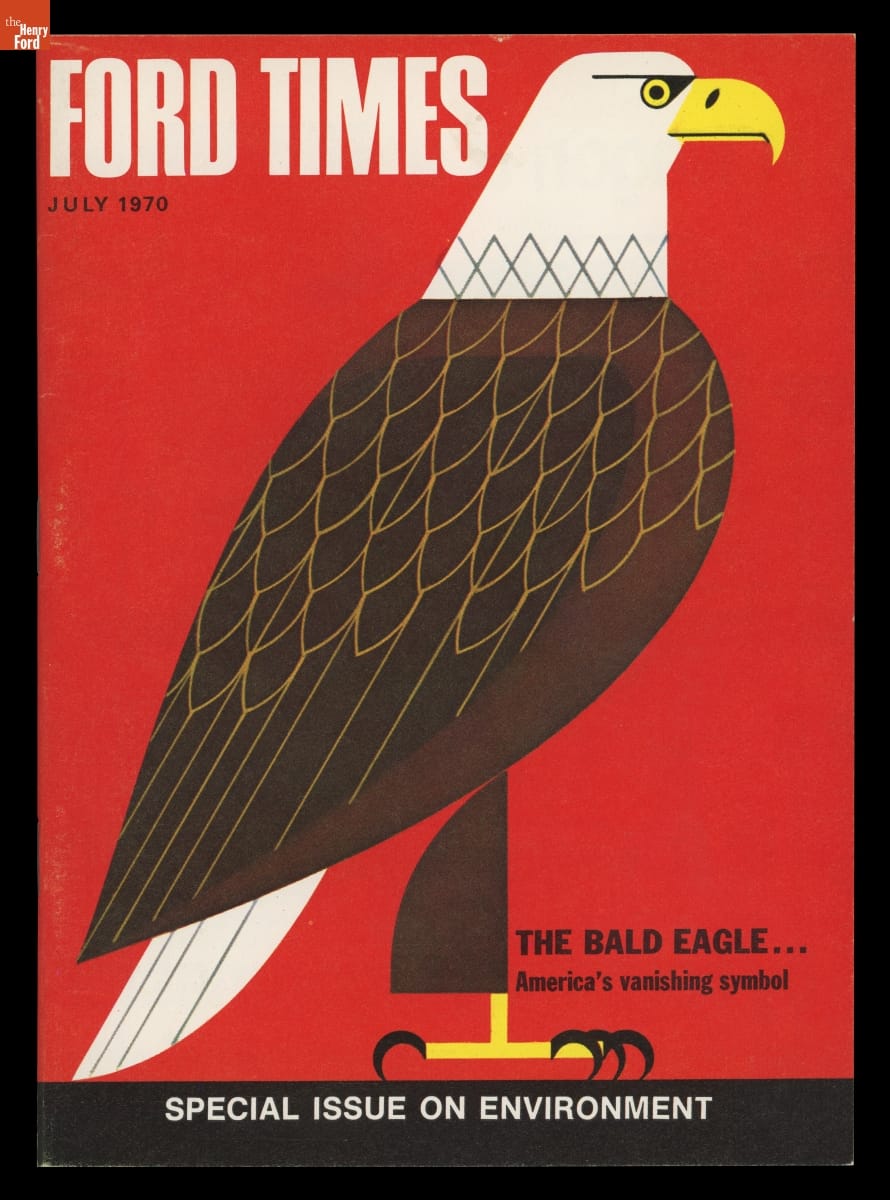
- "Ford Times," July 1970 - Manufacturers responded to growing public concern -- and increased media scrutiny -- about pollution by sharing their perspective with readers. Ford Motor Company addressed matters associated with the automotive industry in a special issue of its monthly publication, <em>Ford Times</em>. In addition to reducing air pollution from processing metals, vinyl, and other automotive components, the company addressed topics such as fuel efficiency and emissions.
- July 01, 1970
- Collections - Artifact
"Ford Times," July 1970
Manufacturers responded to growing public concern -- and increased media scrutiny -- about pollution by sharing their perspective with readers. Ford Motor Company addressed matters associated with the automotive industry in a special issue of its monthly publication, Ford Times. In addition to reducing air pollution from processing metals, vinyl, and other automotive components, the company addressed topics such as fuel efficiency and emissions.
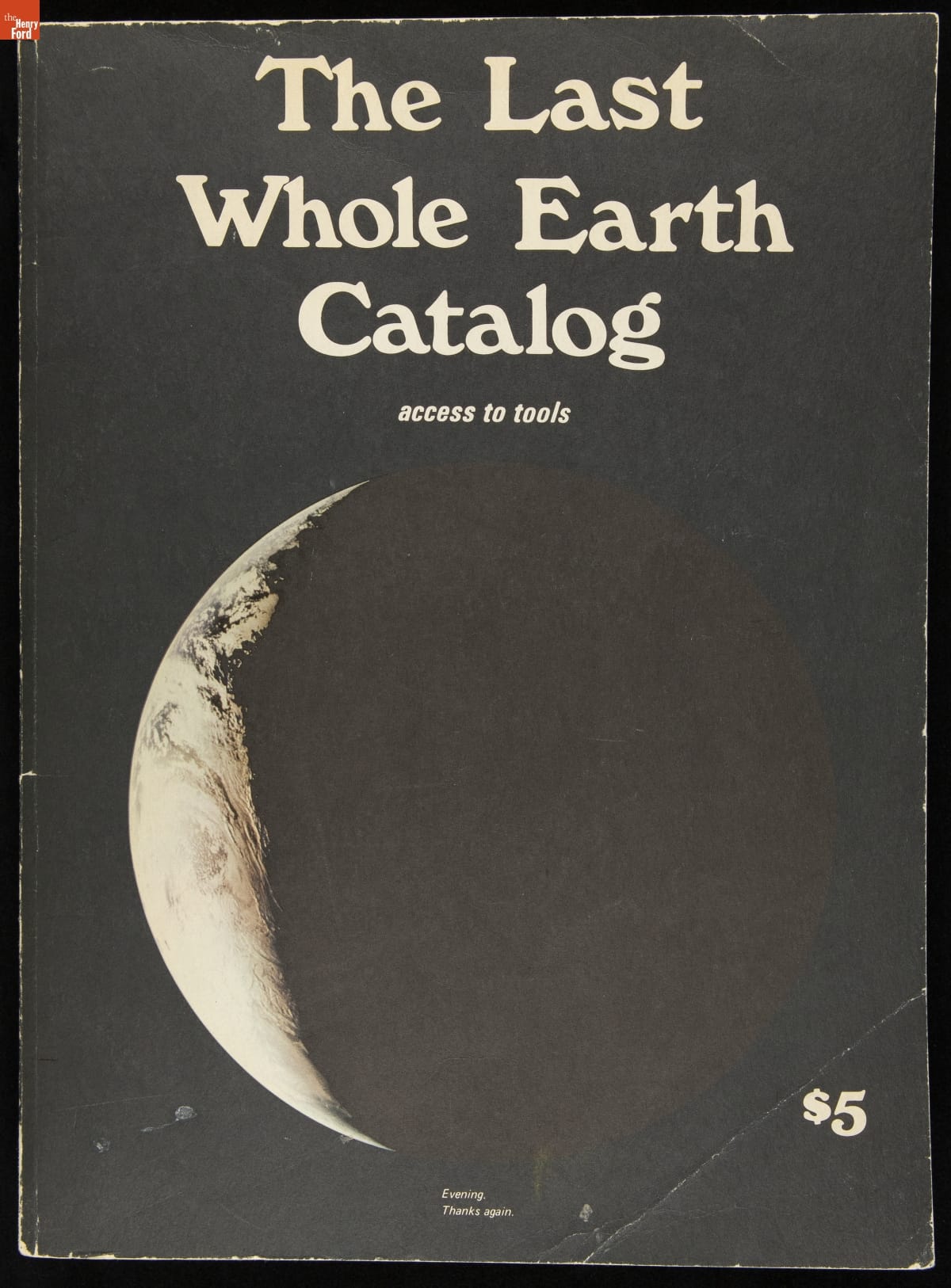
- Book, "The Last Whole Earth Catalog," 1971 - Biologist Steward Brand founded the Whole Earth Catalog in 1968, to share information about innovations in technology, design, and architecture. This "last" Whole Earth Catalog (1971) marked a philosophical shift from a counterculture approach toward shared responsibility to save the plant. It included images of Earth and space used in previous catalogs to help change people's perceptions of their responsibility for the globe.
- 1971
- Collections - Artifact
Book, "The Last Whole Earth Catalog," 1971
Biologist Steward Brand founded the Whole Earth Catalog in 1968, to share information about innovations in technology, design, and architecture. This "last" Whole Earth Catalog (1971) marked a philosophical shift from a counterculture approach toward shared responsibility to save the plant. It included images of Earth and space used in previous catalogs to help change people's perceptions of their responsibility for the globe.
- "The Better World Shopping Guide," 2010 - By the 2000s, shopping had become a popular way to put environmentalist sensibilities into practice. This book, appealing to consumers who believe that "every dollar makes a difference," suggests socially and environmentally responsible shopping choices, from cereal to cars.

- 2010
- Collections - Artifact
"The Better World Shopping Guide," 2010
By the 2000s, shopping had become a popular way to put environmentalist sensibilities into practice. This book, appealing to consumers who believe that "every dollar makes a difference," suggests socially and environmentally responsible shopping choices, from cereal to cars.
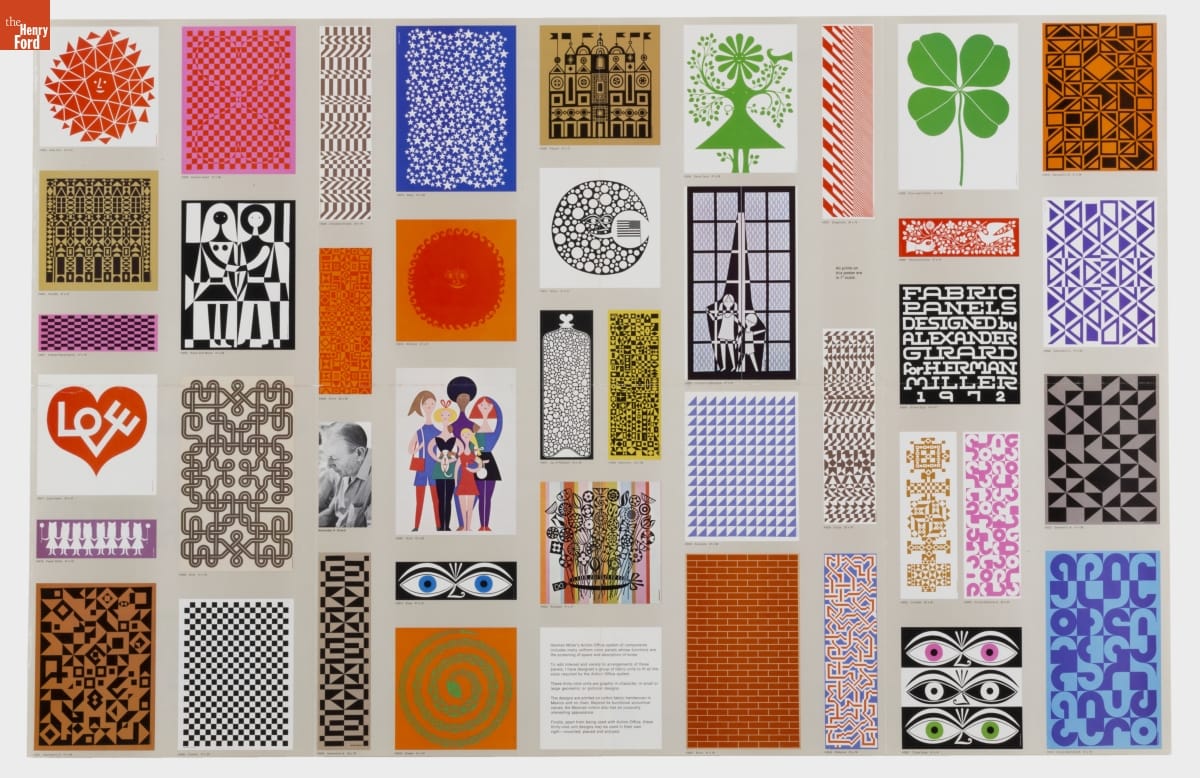
- "Herman Miller Environmental Enrichment Designed by Alexander Girard," 1972 -
- 1972
- Collections - Artifact
"Herman Miller Environmental Enrichment Designed by Alexander Girard," 1972
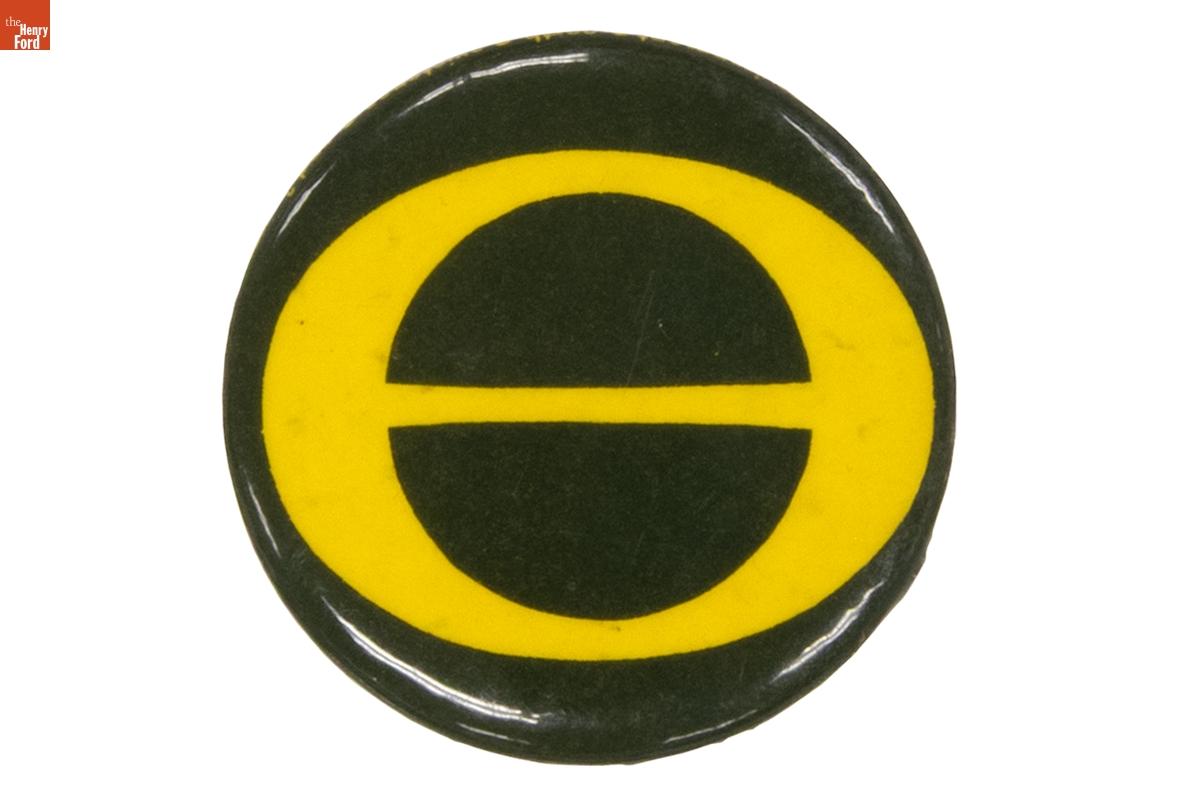
- "Ecology Environment Earth Existence End?" Button, circa 1970 -
- circa 1970
- Collections - Artifact
"Ecology Environment Earth Existence End?" Button, circa 1970
- Cranberries & Environmentalism at The Henry Ford - On November 9, 1959, Secretary of Health, Education and Welfare Arthur Flemming announced to the American public that a cranberry crop from the Pacific Northwest had tested positive for a herbicide.

- November 22, 2023
- Collections - article
Cranberries & Environmentalism at The Henry Ford
On November 9, 1959, Secretary of Health, Education and Welfare Arthur Flemming announced to the American public that a cranberry crop from the Pacific Northwest had tested positive for a herbicide.
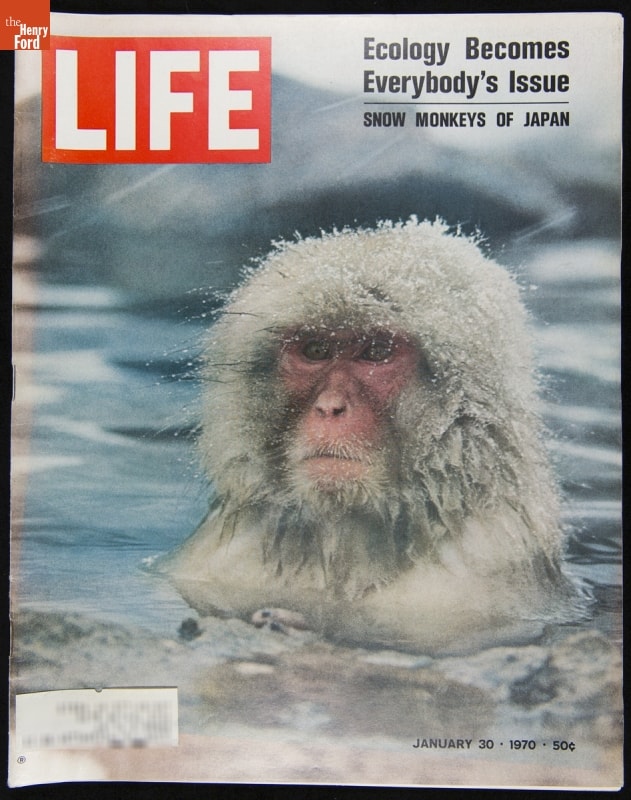
- Life Magazine for January 30, 1970, "Ecology Becomes Everybody's Issue" - Popular news magazines consolidated reports on environmental degradation and informed the general public about the need for an environmental movement. <em>LIFE</em> was the second of the major news magazines (<em>Newsweek</em> was the first on January 26, 1970, and <em>TIME</em> was the third on February 2, 1970) to dedicate an issue to, as the <em>Newsweek</em> edition explained it, the greatest test of human innovation: preserving the environment.
- January 30, 1970
- Collections - Artifact
Life Magazine for January 30, 1970, "Ecology Becomes Everybody's Issue"
Popular news magazines consolidated reports on environmental degradation and informed the general public about the need for an environmental movement. LIFE was the second of the major news magazines (Newsweek was the first on January 26, 1970, and TIME was the third on February 2, 1970) to dedicate an issue to, as the Newsweek edition explained it, the greatest test of human innovation: preserving the environment.