
Search
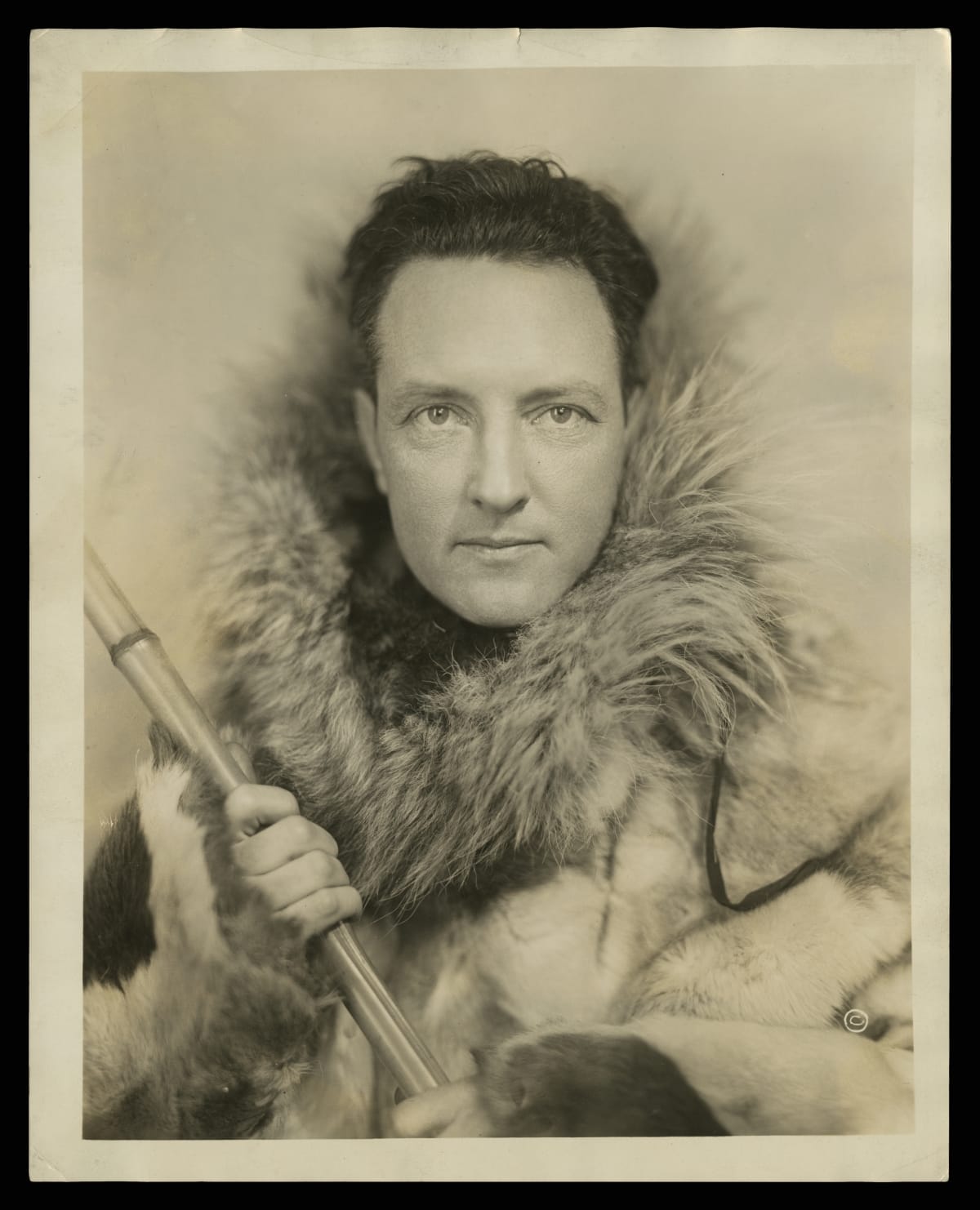
- Portrait of Richard Byrd, 1928 - Richard E. Byrd learned to fly while serving as an officer in the U.S. Navy during World War I. In 1926, he led a flight toward the North Pole and is generally credited with success, though controversy remains over whether Byrd reached the actual pole. Three years later, Byrd led a verified flight over the South Pole.
- 1928
- Collections - Artifact
Portrait of Richard Byrd, 1928
Richard E. Byrd learned to fly while serving as an officer in the U.S. Navy during World War I. In 1926, he led a flight toward the North Pole and is generally credited with success, though controversy remains over whether Byrd reached the actual pole. Three years later, Byrd led a verified flight over the South Pole.
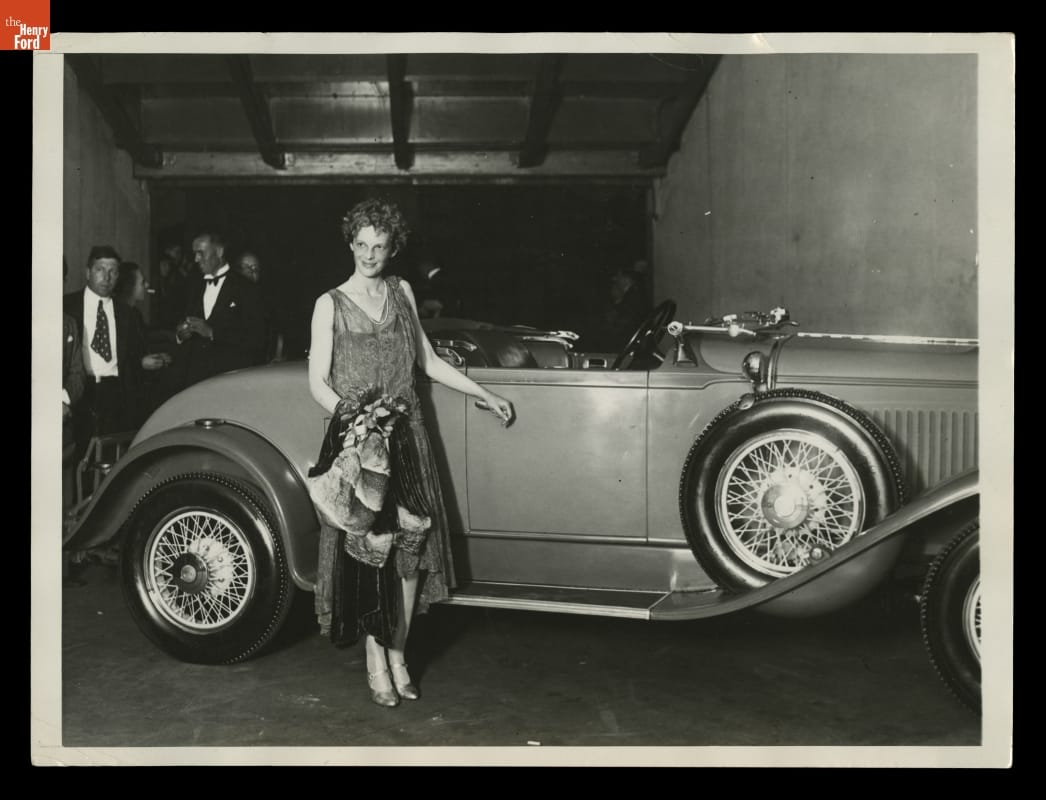
- Amelia Earhart with the Automobile Received from Chrysler Corporation, July 11, 1928 - Skilled aviatrix Amelia Earhart came to national attention in 1928, when she was invited to become the first woman to fly the Atlantic--as a passenger. Wilmer Stutz flew the plane, with Louis Gordon as co-pilot, as the trio made their challenging--and successful--journey from Newfoundland to Wales. Upon her return, Earhart received this sporty automobile from Chrysler Corporation.
- July 11, 1928
- Collections - Artifact
Amelia Earhart with the Automobile Received from Chrysler Corporation, July 11, 1928
Skilled aviatrix Amelia Earhart came to national attention in 1928, when she was invited to become the first woman to fly the Atlantic--as a passenger. Wilmer Stutz flew the plane, with Louis Gordon as co-pilot, as the trio made their challenging--and successful--journey from Newfoundland to Wales. Upon her return, Earhart received this sporty automobile from Chrysler Corporation.
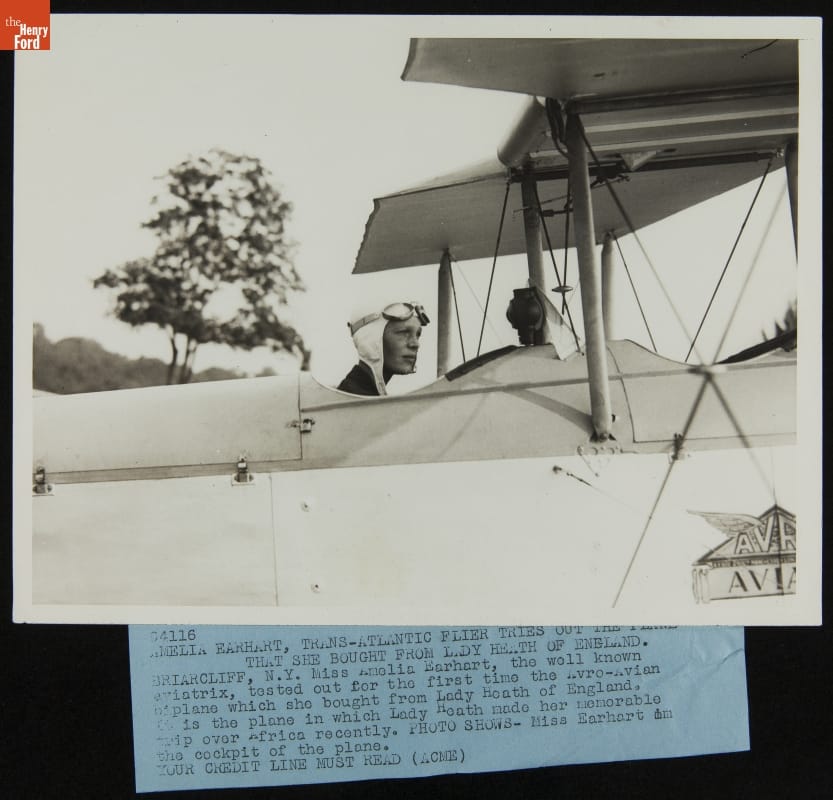
- Amelia Earhart in the Avro-Avian Biplane Received from Lady Heath, 1928 - World-renowned Irish pilot Mary, Lady Heath, was an inspiration to Amelia Earhart. After Lady Heath took Earhart for a flight in her Avro Avian biplane, which Heath had flown solo from South Africa to Great Britain, Earhart was so impressed that she bought the aircraft and shipped it back to the United States. Soon Earhart's own fame eclipsed Lady Heath's.
- 1928
- Collections - Artifact
Amelia Earhart in the Avro-Avian Biplane Received from Lady Heath, 1928
World-renowned Irish pilot Mary, Lady Heath, was an inspiration to Amelia Earhart. After Lady Heath took Earhart for a flight in her Avro Avian biplane, which Heath had flown solo from South Africa to Great Britain, Earhart was so impressed that she bought the aircraft and shipped it back to the United States. Soon Earhart's own fame eclipsed Lady Heath's.
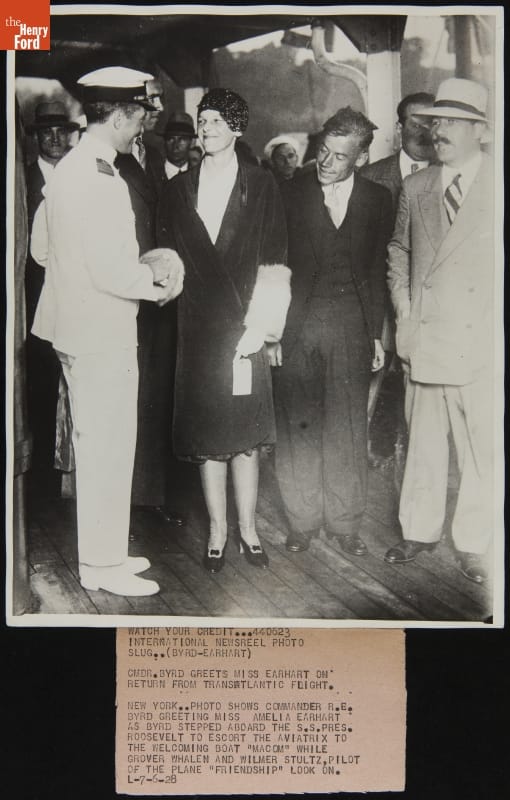
- Amelia Earhart Meets Richard Byrd aboard SS President Roosevelt, Returning from the Transatlantic Flight, July 6, 1928 - Amelia Earhart was congratulated by explorer Richard Byrd for her 1928 flight across the Atlantic Ocean. Earhart, riding as a passenger with pilot Wilmer Stultz and mechanic Louis Gordon, made the crossing in a Fokker F.VII Tri-Motor airplane. Byrd used a similar Fokker on his North Pole flight in 1926.
- July 06, 1928
- Collections - Artifact
Amelia Earhart Meets Richard Byrd aboard SS President Roosevelt, Returning from the Transatlantic Flight, July 6, 1928
Amelia Earhart was congratulated by explorer Richard Byrd for her 1928 flight across the Atlantic Ocean. Earhart, riding as a passenger with pilot Wilmer Stultz and mechanic Louis Gordon, made the crossing in a Fokker F.VII Tri-Motor airplane. Byrd used a similar Fokker on his North Pole flight in 1926.
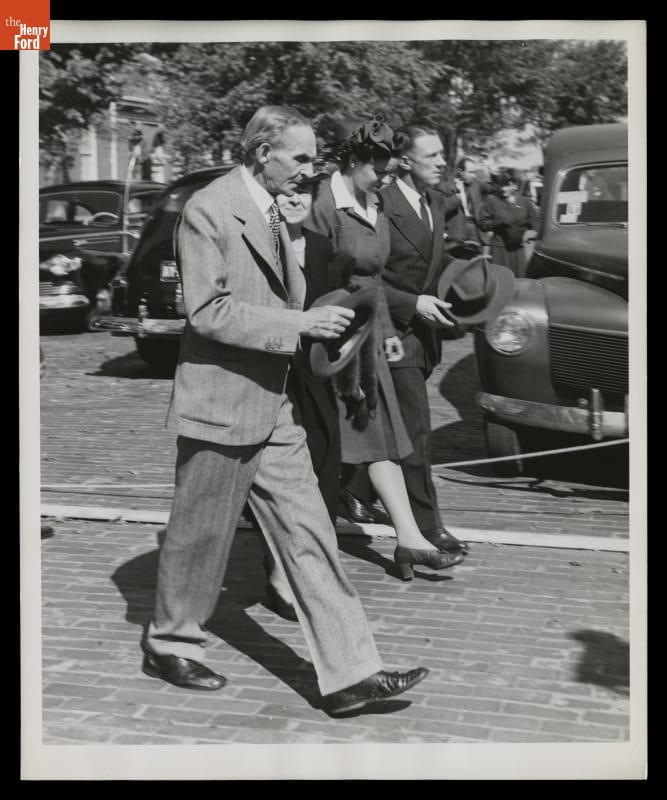
- Henry Ford and Clara Ford at Henry Ford Museum for the Presentation of the Sikorsky VS-300 Helicopter, October 7, 1943 - Henry Ford never intended his Edison Institute -- today's The Henry Ford -- only to be about the past. Henry Ford Museum and Greenfield Village would inspire the institute's students and visitors to create the future. Ford collected modern inventions alongside historic items. He acquired the VS-300 helicopter from inventor Igor Sikorsky in 1943 -- only four years after the aircraft's introduction.
- October 07, 1943
- Collections - Artifact
Henry Ford and Clara Ford at Henry Ford Museum for the Presentation of the Sikorsky VS-300 Helicopter, October 7, 1943
Henry Ford never intended his Edison Institute -- today's The Henry Ford -- only to be about the past. Henry Ford Museum and Greenfield Village would inspire the institute's students and visitors to create the future. Ford collected modern inventions alongside historic items. He acquired the VS-300 helicopter from inventor Igor Sikorsky in 1943 -- only four years after the aircraft's introduction.
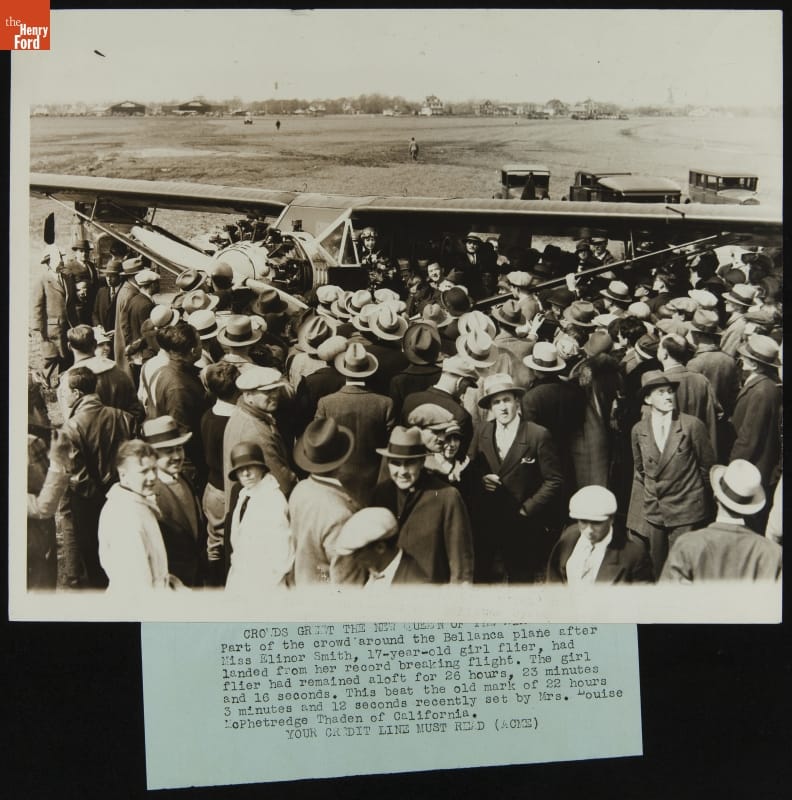
- Elinor Smith after Record-Breaking Women's Endurance Flight, 1929 - Elinor Smith took her first flight at age six and earned a pilot's license at 16. She made headlines flying under New York City bridges in 1928, but more serious pursuits earned Smith a series of endurance, speed, and altitude records for a female pilot. Smith piloted an airplane for the last time in 2001, at the age of 89.
- April 23, 1929
- Collections - Artifact
Elinor Smith after Record-Breaking Women's Endurance Flight, 1929
Elinor Smith took her first flight at age six and earned a pilot's license at 16. She made headlines flying under New York City bridges in 1928, but more serious pursuits earned Smith a series of endurance, speed, and altitude records for a female pilot. Smith piloted an airplane for the last time in 2001, at the age of 89.
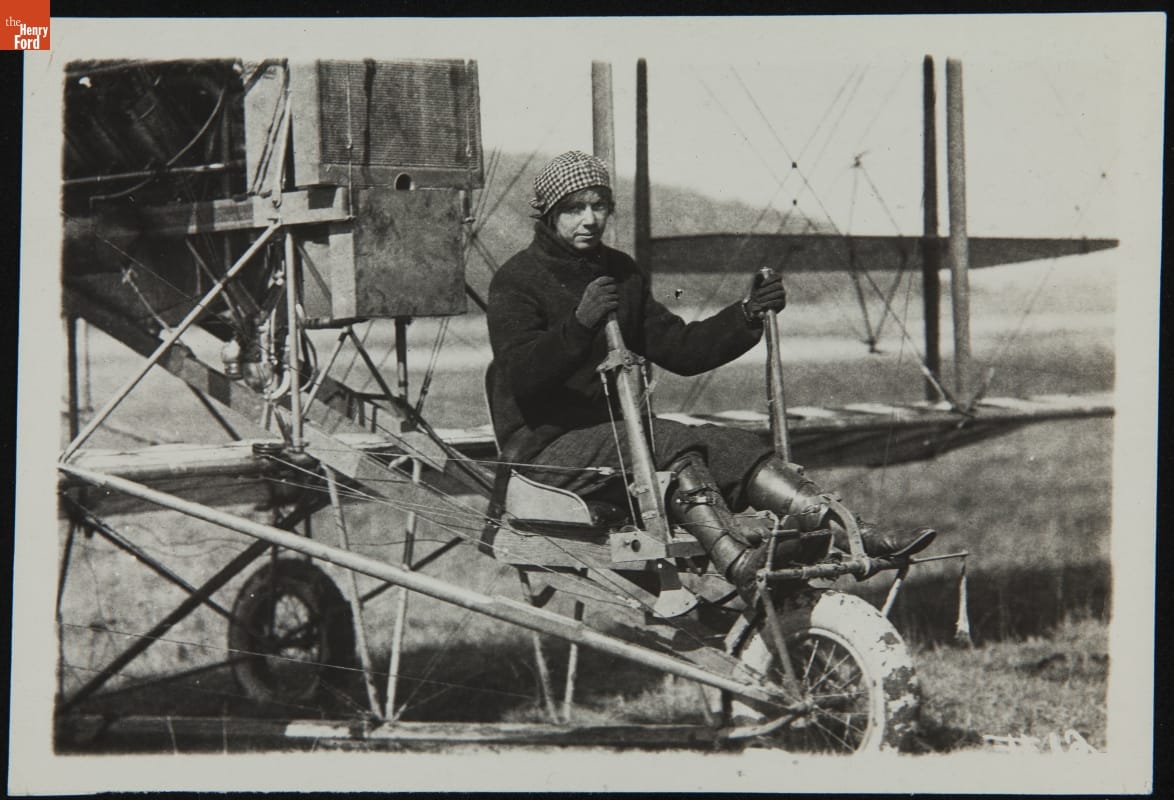
- Ruth Law in Curtiss Pusher Aircraft, circa 1915 - Ruth Law earned her pilot's license in 1912 and soon developed a taste for aerobatics and record breaking. In 1916 she flew 590 nonstop miles from Chicago to the state of New York. During World War I, Law argued unsuccessfully for women to fly in combat roles. Law continued to set records until she retired from flying in 1922.
- circa 1915
- Collections - Artifact
Ruth Law in Curtiss Pusher Aircraft, circa 1915
Ruth Law earned her pilot's license in 1912 and soon developed a taste for aerobatics and record breaking. In 1916 she flew 590 nonstop miles from Chicago to the state of New York. During World War I, Law argued unsuccessfully for women to fly in combat roles. Law continued to set records until she retired from flying in 1922.
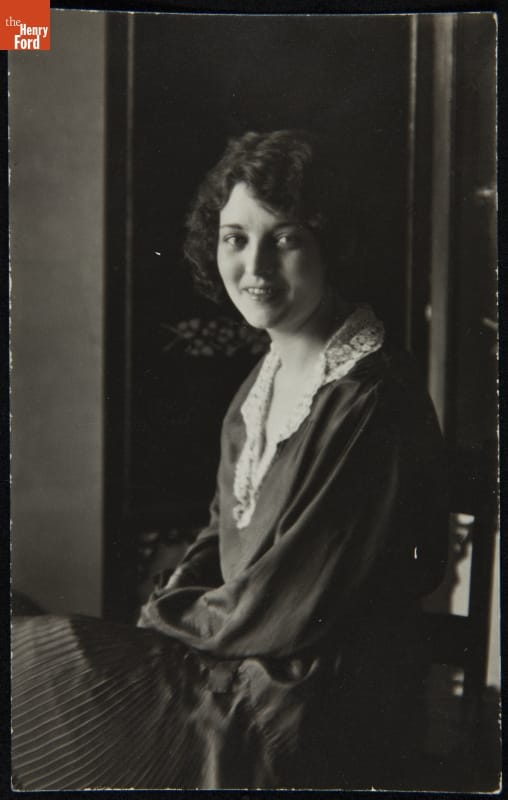
- Ruth Elder at Mrs. Mackey's Home, Horte, Azores, October 1927 - Ruth Elder fell short of her goal to be the first woman to fly the Atlantic in 1927, but the public loved her just the same. She competed in the 1929 Women's Air Derby and parlayed her aviation fame into a modest film career. Elder was fondly remembered as the "Miss America of the Air" when she died in 1977.
- October 01, 1927
- Collections - Artifact
Ruth Elder at Mrs. Mackey's Home, Horte, Azores, October 1927
Ruth Elder fell short of her goal to be the first woman to fly the Atlantic in 1927, but the public loved her just the same. She competed in the 1929 Women's Air Derby and parlayed her aviation fame into a modest film career. Elder was fondly remembered as the "Miss America of the Air" when she died in 1977.
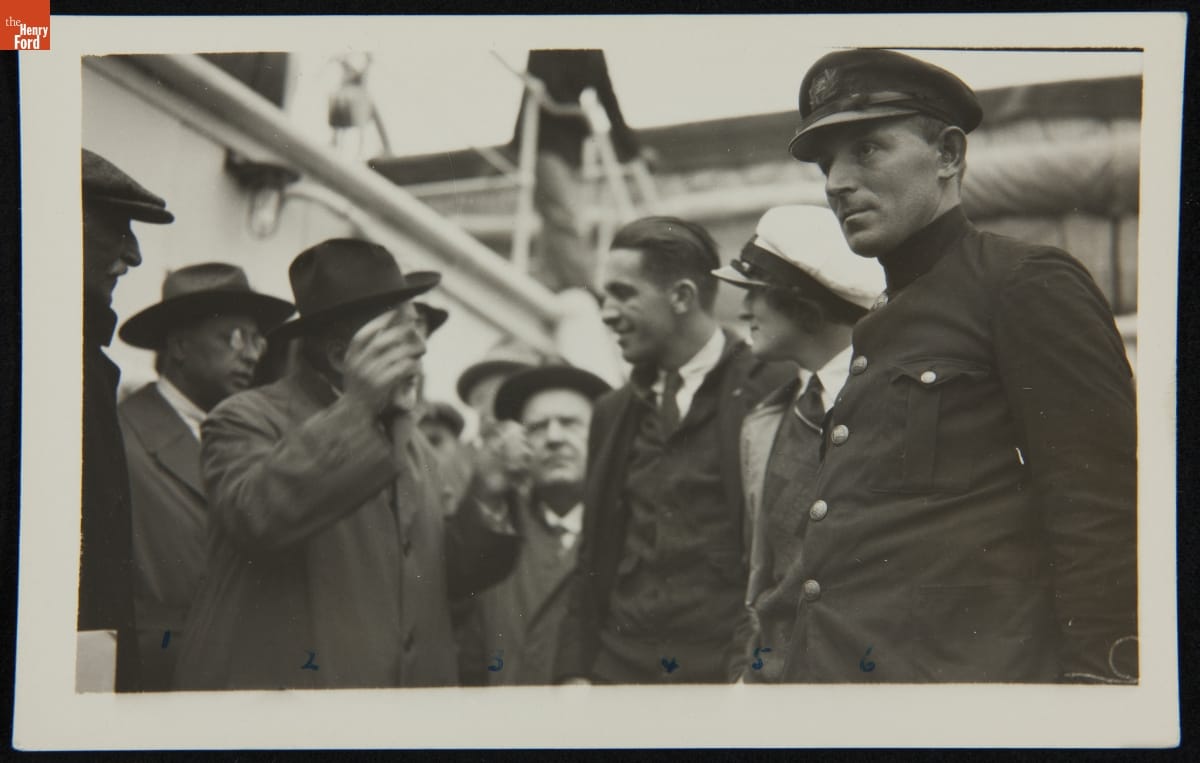
- George Haldeman and Ruth Elder after Their Rescue, Horta, Azores, October 1927 - Ruth Elder fell short of her goal to be the first woman to fly the Atlantic in 1927, but the public loved her just the same. She competed in the 1929 Women's Air Derby and parlayed her aviation fame into a modest film career. Elder was fondly remembered as the "Miss America of the Air" when she died in 1977.
- October 01, 1927
- Collections - Artifact
George Haldeman and Ruth Elder after Their Rescue, Horta, Azores, October 1927
Ruth Elder fell short of her goal to be the first woman to fly the Atlantic in 1927, but the public loved her just the same. She competed in the 1929 Women's Air Derby and parlayed her aviation fame into a modest film career. Elder was fondly remembered as the "Miss America of the Air" when she died in 1977.
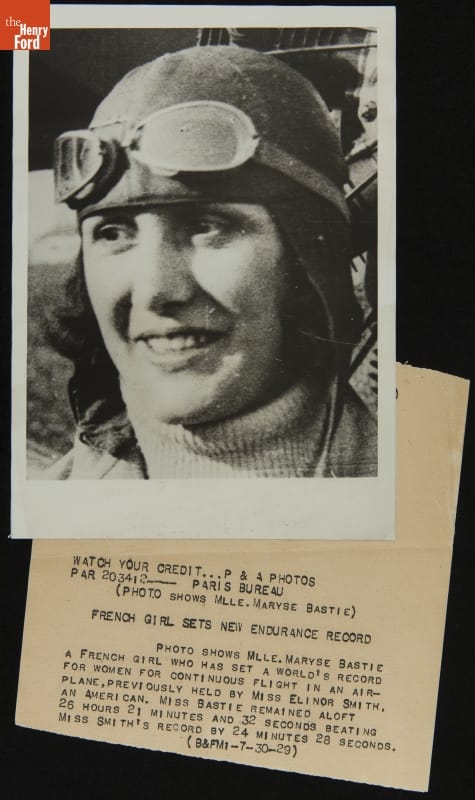
- Maryse Bastie Sets a New World Record for Women, for Continuous Flight, July 30, 1929 - Following her marriage to a military pilot, Maryse Bastie earned her own pilot's license and began aerobatic flying in her native France. Bastie was rewarded for her skill in 1931 with the Harmon Trophy, an international prize given to the world's outstanding aviator. After serving in France's air force during World War II, Bastie died in a 1952 plane crash.
- July 30, 1929
- Collections - Artifact
Maryse Bastie Sets a New World Record for Women, for Continuous Flight, July 30, 1929
Following her marriage to a military pilot, Maryse Bastie earned her own pilot's license and began aerobatic flying in her native France. Bastie was rewarded for her skill in 1931 with the Harmon Trophy, an international prize given to the world's outstanding aviator. After serving in France's air force during World War II, Bastie died in a 1952 plane crash.