
Search
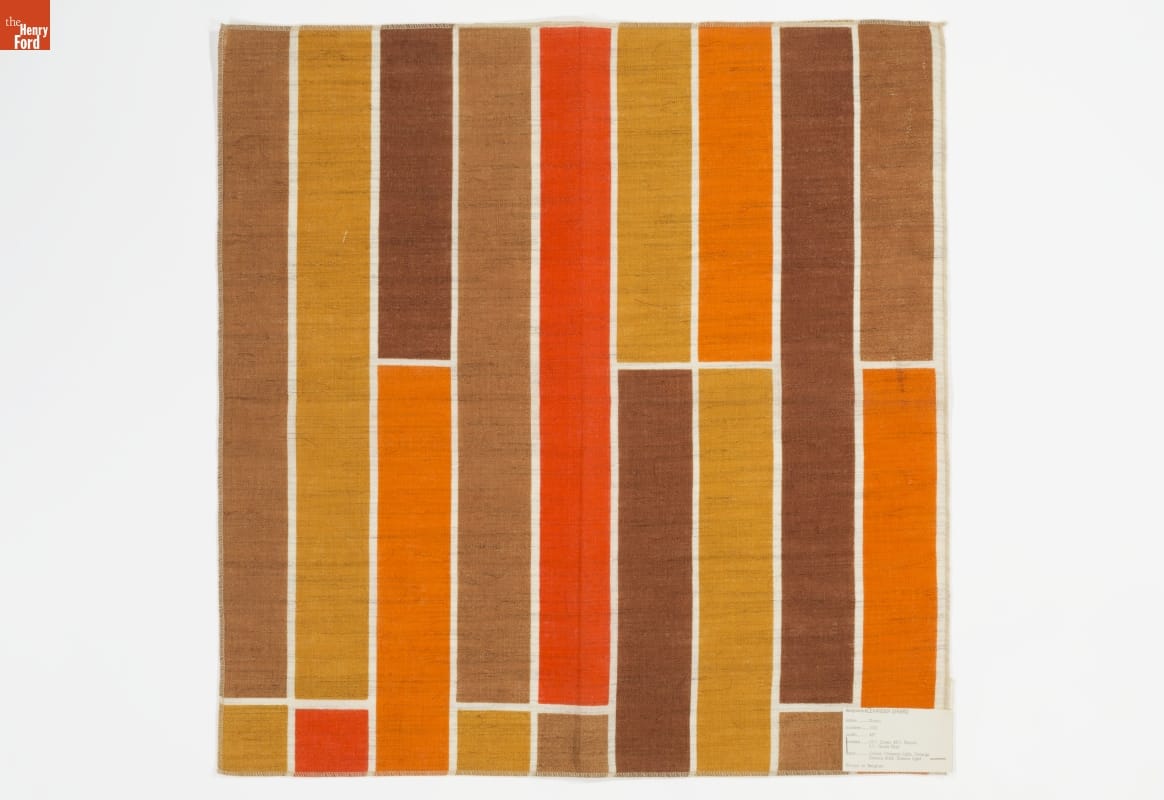
- Swatch, "Nastri," Designed by Alexander Girard for Herman Miller, 1960 - Early modernist design was starkly minimal, but mid-century modern designer Alexander Girard's work challenged and expanded the movement. Girard humanized modernism through his colorful and whimsical textile, furniture, graphic, and interior designs. As the Director of Design in Herman Miller's Textile Division from 1952 until 1973, Girard designed over 300 textiles, often using bold color combinations and abstract patterns.
- 1960
- Collections - Artifact
Swatch, "Nastri," Designed by Alexander Girard for Herman Miller, 1960
Early modernist design was starkly minimal, but mid-century modern designer Alexander Girard's work challenged and expanded the movement. Girard humanized modernism through his colorful and whimsical textile, furniture, graphic, and interior designs. As the Director of Design in Herman Miller's Textile Division from 1952 until 1973, Girard designed over 300 textiles, often using bold color combinations and abstract patterns.
- Wheel Lock Carbine, circa 1600 -
- circa 1600
- Collections - Artifact
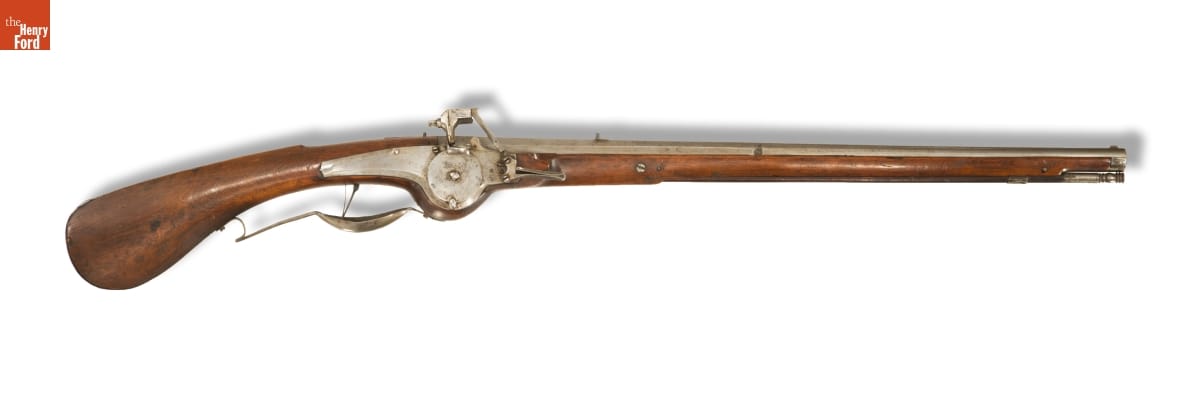
Wheel Lock Carbine, circa 1600
- Milk Can1700-1799 -
- 1700-1799
- Collections - Artifact
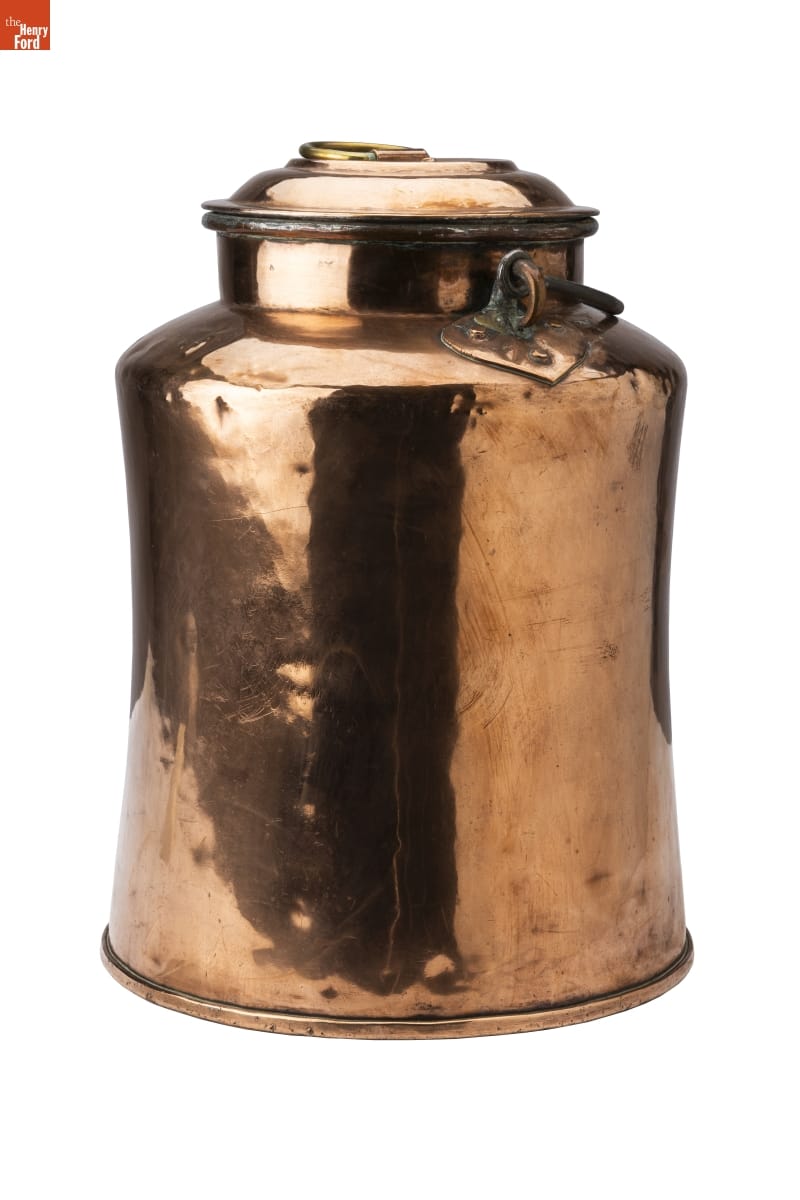
Milk Can1700-1799
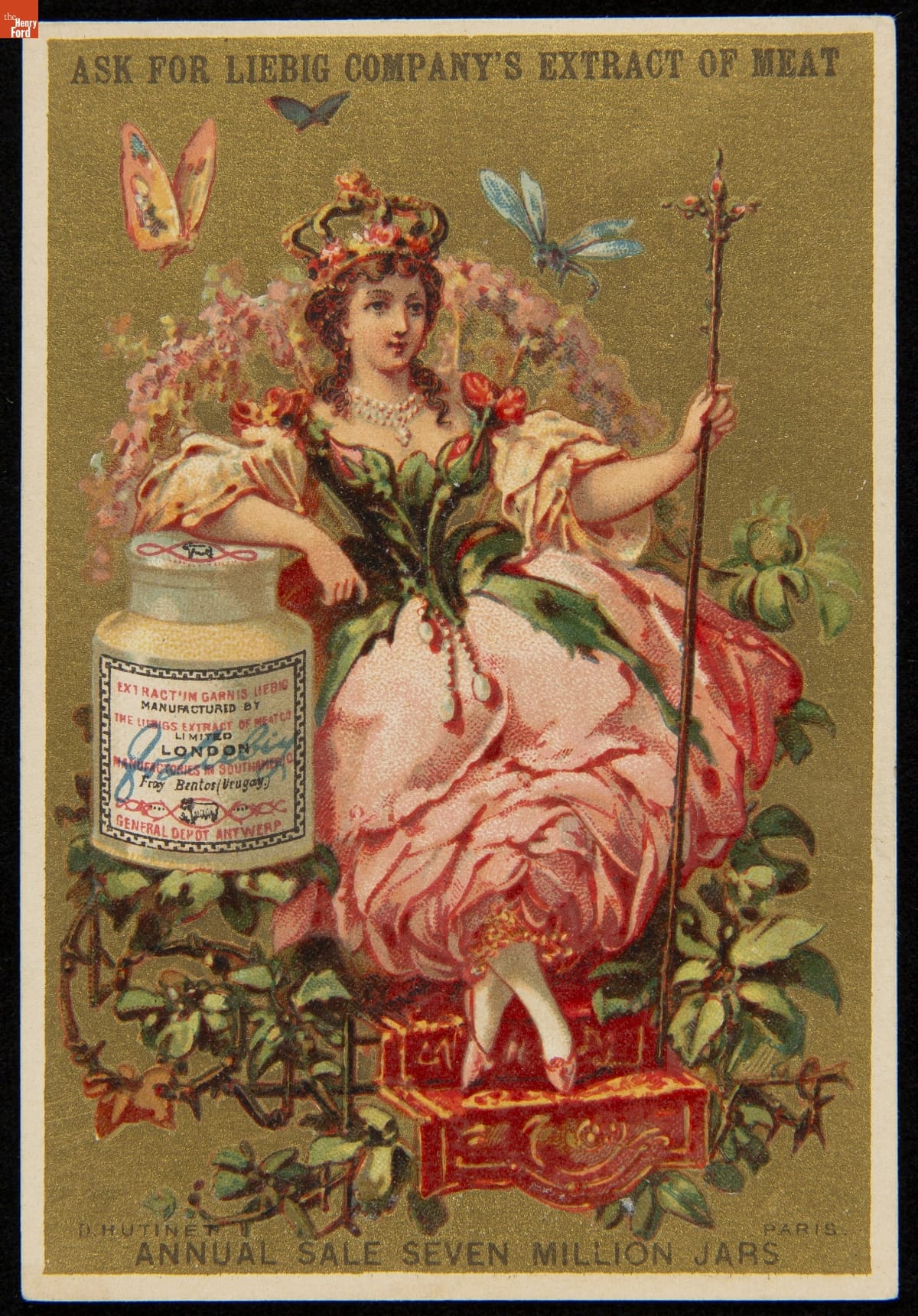
- Trade Card for Liebig Extract of Meat Company Products, 1880-1900 - In the last third of the nineteenth century, an unprecedented variety of consumer goods and services flooded the American market. Advertisers, armed with new methods of color printing, bombarded potential customers with trade cards. Americans enjoyed and often saved the vibrant little advertisements found in product packages or distributed by local merchants. Many survive as historical records of commercialism in the United States.
- 1880-1900
- Collections - Artifact
Trade Card for Liebig Extract of Meat Company Products, 1880-1900
In the last third of the nineteenth century, an unprecedented variety of consumer goods and services flooded the American market. Advertisers, armed with new methods of color printing, bombarded potential customers with trade cards. Americans enjoyed and often saved the vibrant little advertisements found in product packages or distributed by local merchants. Many survive as historical records of commercialism in the United States.
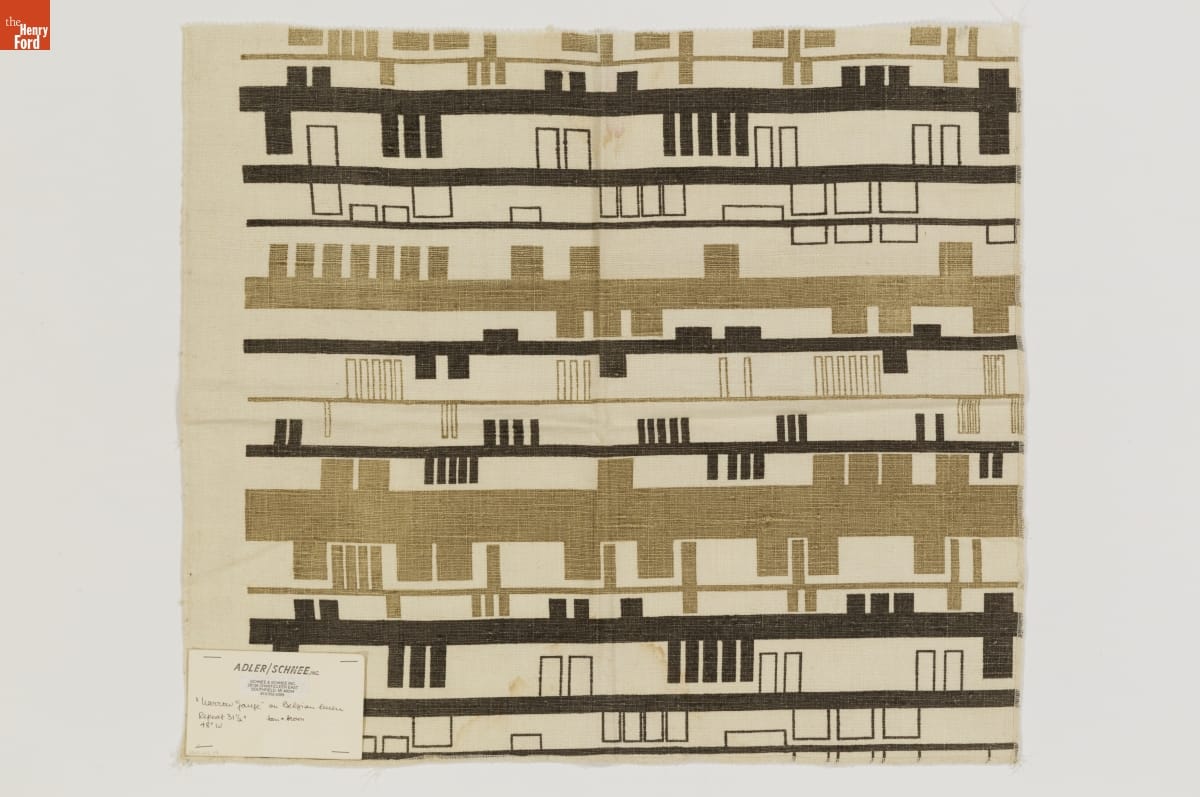
- "Narrow Gauge" Fabric Swatch Designed by Ruth Adler Schnee, 1953 - Pioneering designer Ruth Adler Schnee was trained in architecture and first began designing textiles when her architectural projects demanded more modern designs than were available on the market. This need launched her career in textile design. Both natural and man-made environments inspire her work. Railroads especially interested Adler Schee and two of her designs drew inspiration from them -- "Narrow Gauge" and "Slits and Slats."
- 1953
- Collections - Artifact
"Narrow Gauge" Fabric Swatch Designed by Ruth Adler Schnee, 1953
Pioneering designer Ruth Adler Schnee was trained in architecture and first began designing textiles when her architectural projects demanded more modern designs than were available on the market. This need launched her career in textile design. Both natural and man-made environments inspire her work. Railroads especially interested Adler Schee and two of her designs drew inspiration from them -- "Narrow Gauge" and "Slits and Slats."
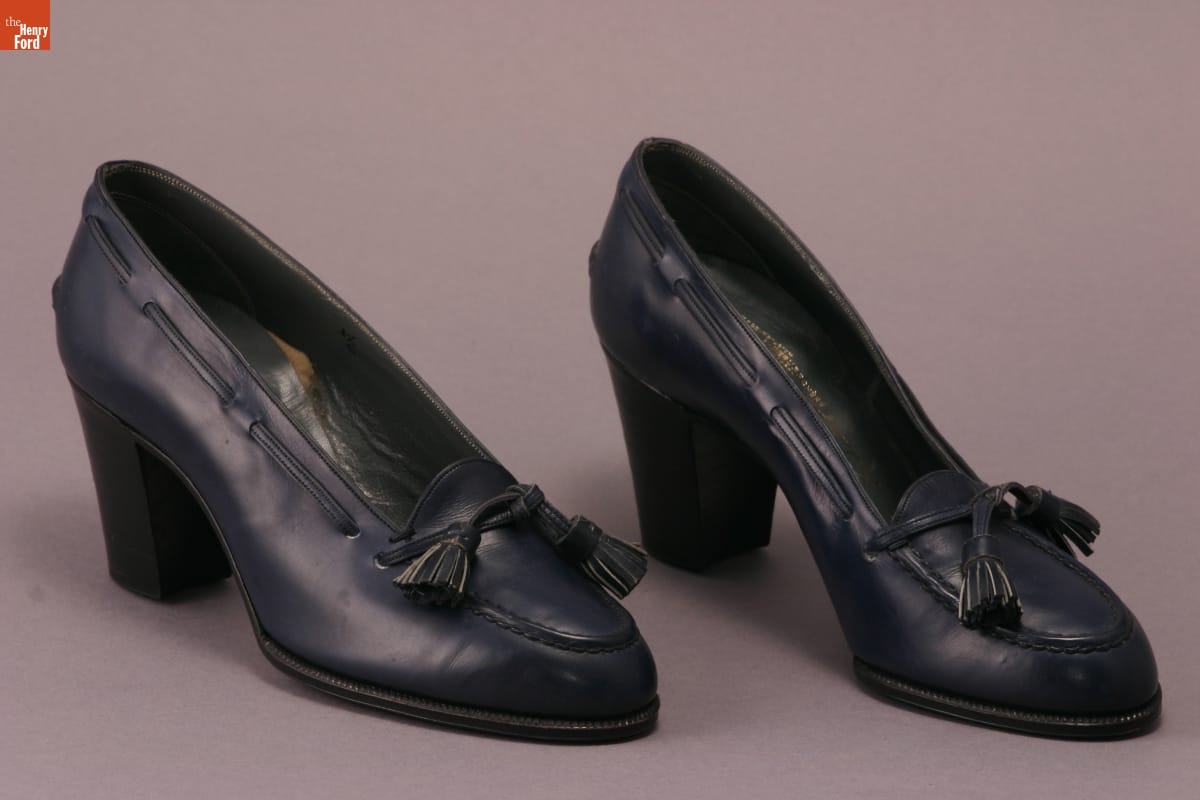
- Loafer-Style Pumps, Worn by Elizabeth Parke Firestone, 1935-1950 -
- 1935-1950
- Collections - Artifact
Loafer-Style Pumps, Worn by Elizabeth Parke Firestone, 1935-1950
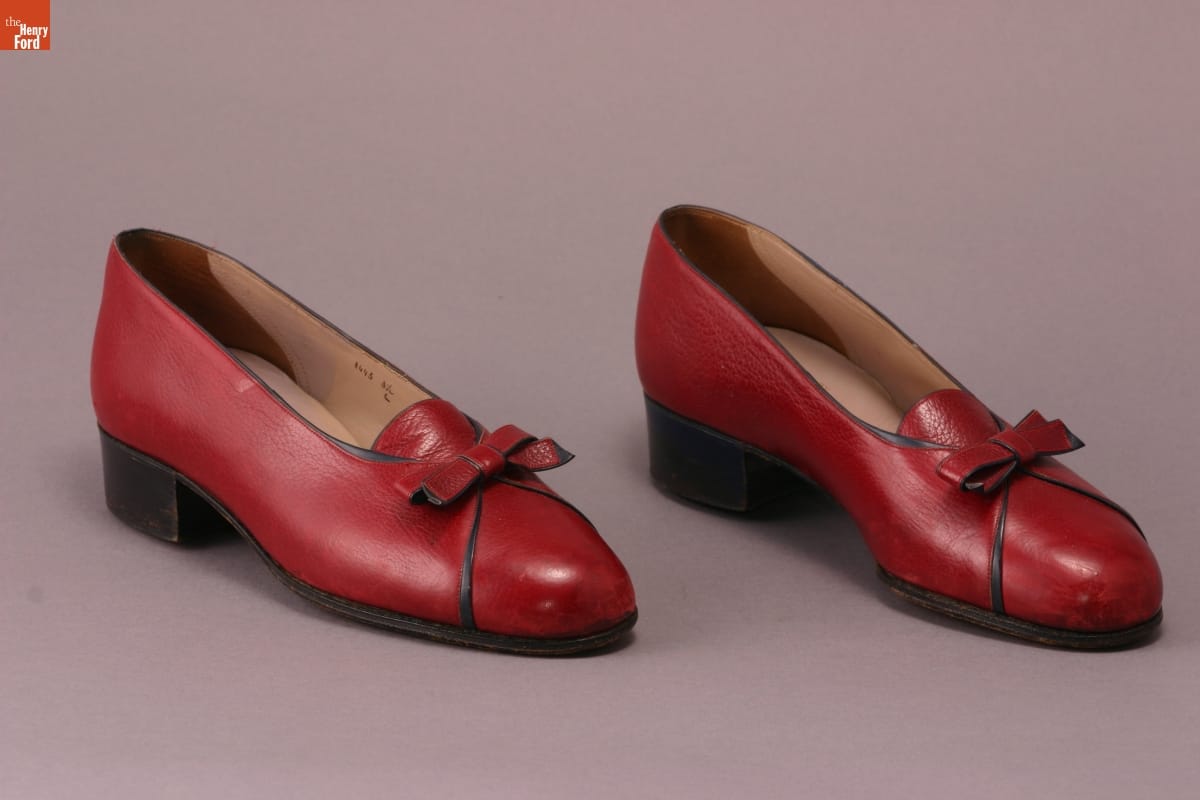
- Shoes, Worn by Elizabeth Parke Firestone, circa 1970 -
- circa 1970
- Collections - Artifact
Shoes, Worn by Elizabeth Parke Firestone, circa 1970
- Certificate Awarding Clara Ford the Queen Elisabeth Medal by the King of Belgium, May 12, 1919 -

- May 12, 1919
- Collections - Artifact
Certificate Awarding Clara Ford the Queen Elisabeth Medal by the King of Belgium, May 12, 1919
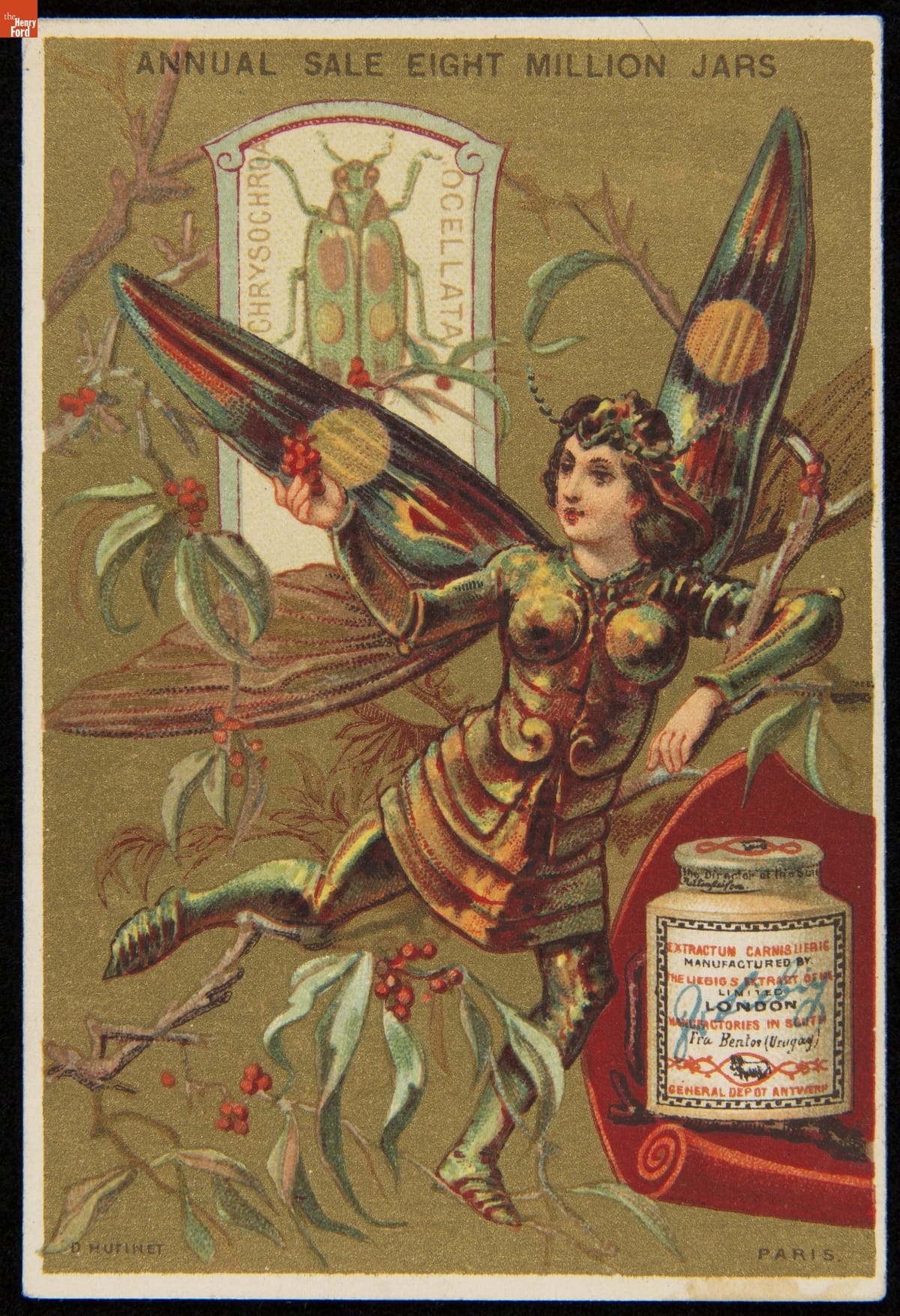
- Trade Card for Liebig Extract of Meat Company Products, 1880-1900 - In the last third of the nineteenth century, an unprecedented variety of consumer goods and services flooded the American market. Advertisers, armed with new methods of color printing, bombarded potential customers with trade cards. Americans enjoyed and often saved the vibrant little advertisements found in product packages or distributed by local merchants. Many survive as historical records of commercialism in the United States.
- 1880-1900
- Collections - Artifact
Trade Card for Liebig Extract of Meat Company Products, 1880-1900
In the last third of the nineteenth century, an unprecedented variety of consumer goods and services flooded the American market. Advertisers, armed with new methods of color printing, bombarded potential customers with trade cards. Americans enjoyed and often saved the vibrant little advertisements found in product packages or distributed by local merchants. Many survive as historical records of commercialism in the United States.
- Trade Card for Liebig Extract of Meat Company Products, 1880-1900 - In the last third of the nineteenth century, an unprecedented variety of consumer goods and services flooded the American market. Advertisers, armed with new methods of color printing, bombarded potential customers with trade cards. Americans enjoyed and often saved the vibrant little advertisements found in product packages or distributed by local merchants. Many survive as historical records of commercialism in the United States.
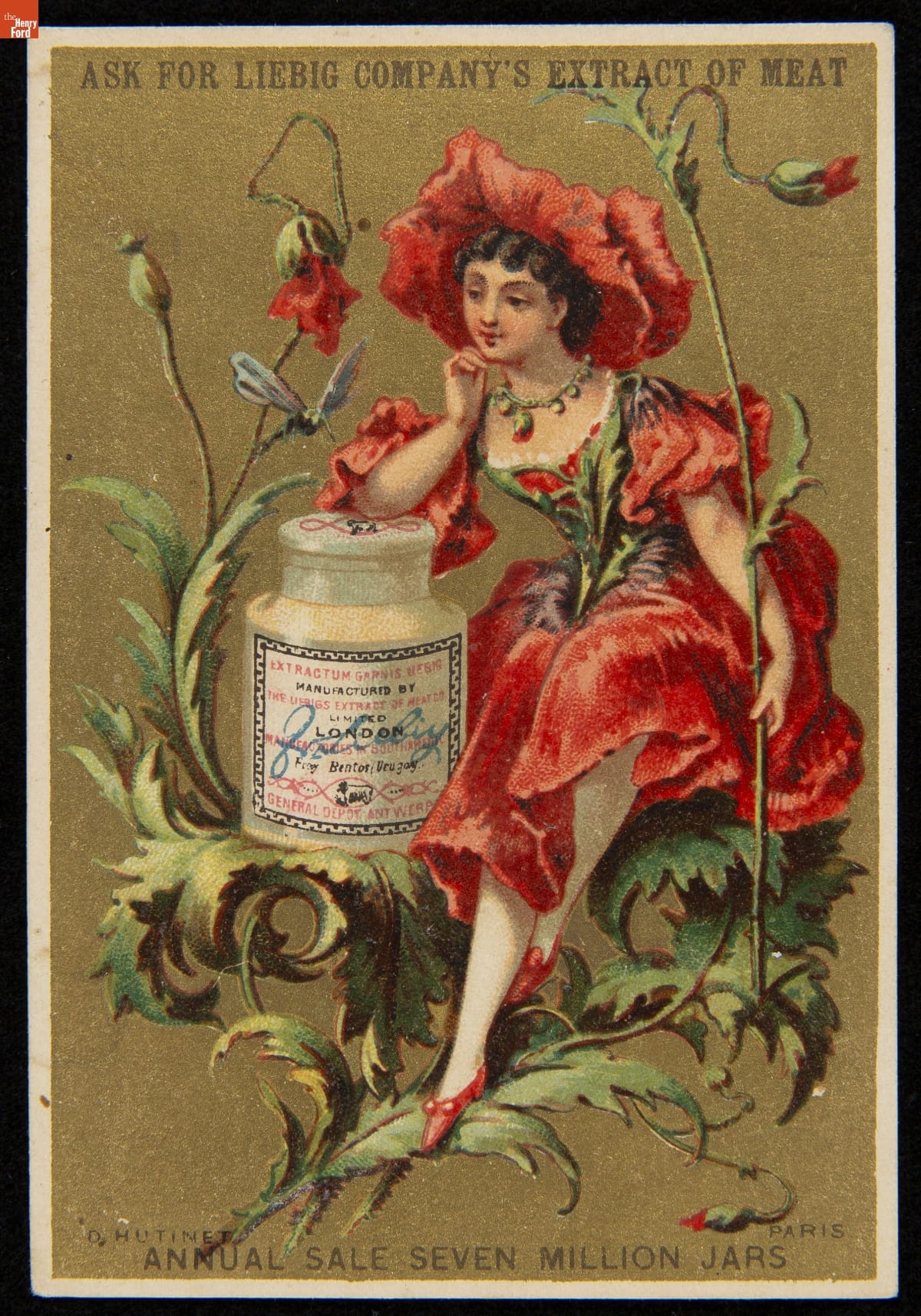
- 1880-1900
- Collections - Artifact
Trade Card for Liebig Extract of Meat Company Products, 1880-1900
In the last third of the nineteenth century, an unprecedented variety of consumer goods and services flooded the American market. Advertisers, armed with new methods of color printing, bombarded potential customers with trade cards. Americans enjoyed and often saved the vibrant little advertisements found in product packages or distributed by local merchants. Many survive as historical records of commercialism in the United States.