
Search
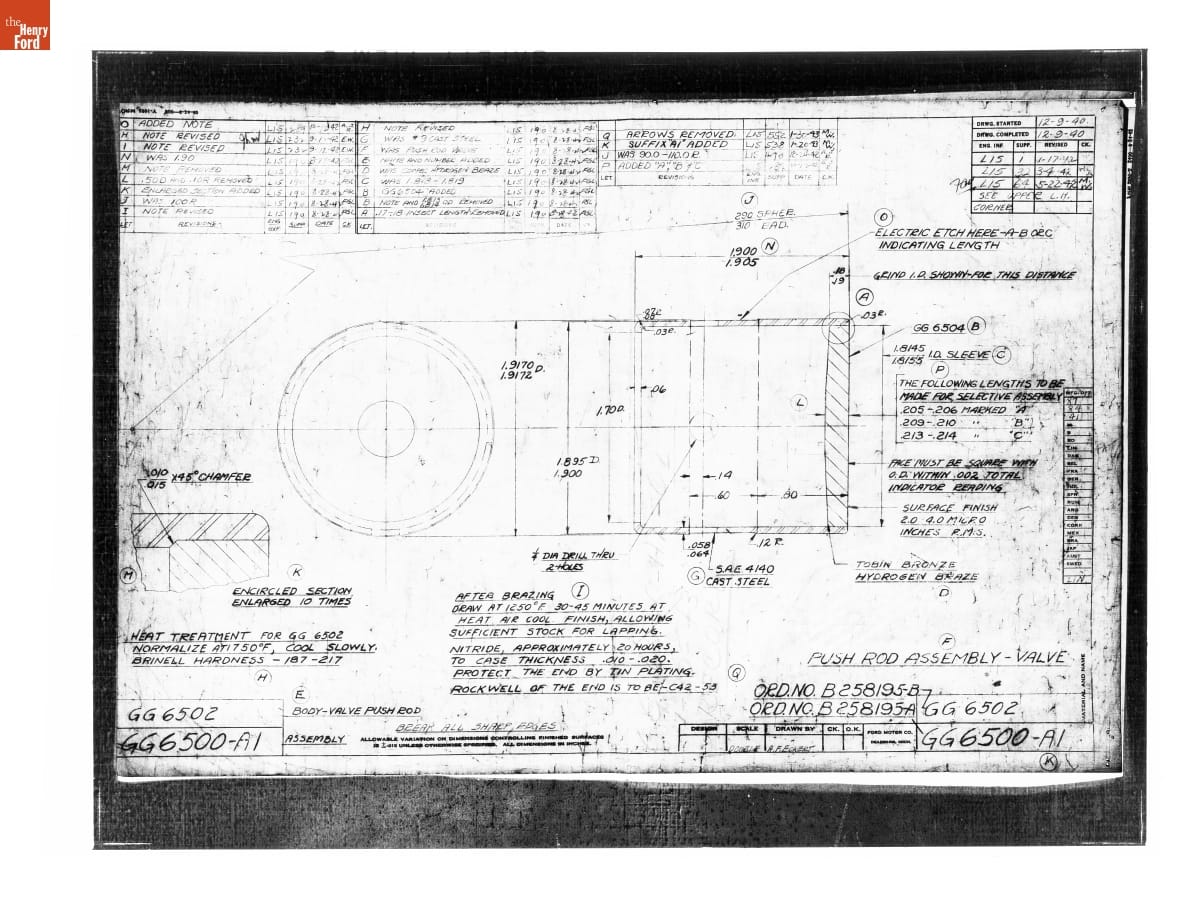
- Drawing, "Push Rod Assembly - Valve," Ford V-12 Aircraft Engine (GG Aero Engine), January 30, 1943 - The Ford Motor Company created over a million parts drawings from 1903 to 1957. Many of these drawings specify engineering requirements for the components of Ford-made vehicles--including automobiles, trucks, tractors, military vehicles and Tri-motor airplanes. Others document assembly components, stages of casting and forging, or experimental designs. Beginning in the 1940s, Ford transferred the drawings to microfilm.
- January 30, 1943
- Collections - Artifact
Drawing, "Push Rod Assembly - Valve," Ford V-12 Aircraft Engine (GG Aero Engine), January 30, 1943
The Ford Motor Company created over a million parts drawings from 1903 to 1957. Many of these drawings specify engineering requirements for the components of Ford-made vehicles--including automobiles, trucks, tractors, military vehicles and Tri-motor airplanes. Others document assembly components, stages of casting and forging, or experimental designs. Beginning in the 1940s, Ford transferred the drawings to microfilm.
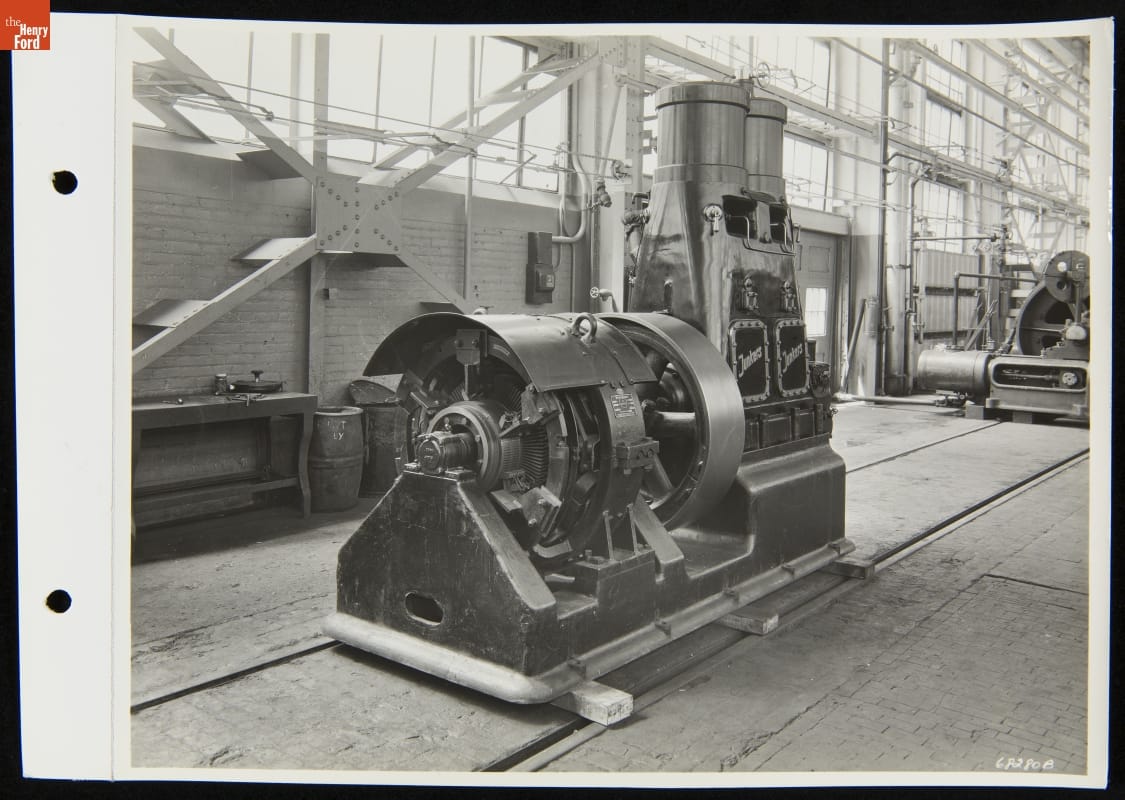
- Junkers Diesel Engine at the Locomotive Shop, Ford Rouge Plant, 1937 - Ford Motor Company's Rouge plant included a locomotive shop that employed as many as 475 people. These skilled workers maintained the Rouge's steam and diesel-electric locomotives, along with other heavy equipment. They also maintained locomotives of the Henry Ford-owned Detroit, Toledo & Ironton Railroad, and they restored locomotives for Mr. Ford's Edison Institute museum.
- May 10, 1937
- Collections - Artifact
Junkers Diesel Engine at the Locomotive Shop, Ford Rouge Plant, 1937
Ford Motor Company's Rouge plant included a locomotive shop that employed as many as 475 people. These skilled workers maintained the Rouge's steam and diesel-electric locomotives, along with other heavy equipment. They also maintained locomotives of the Henry Ford-owned Detroit, Toledo & Ironton Railroad, and they restored locomotives for Mr. Ford's Edison Institute museum.
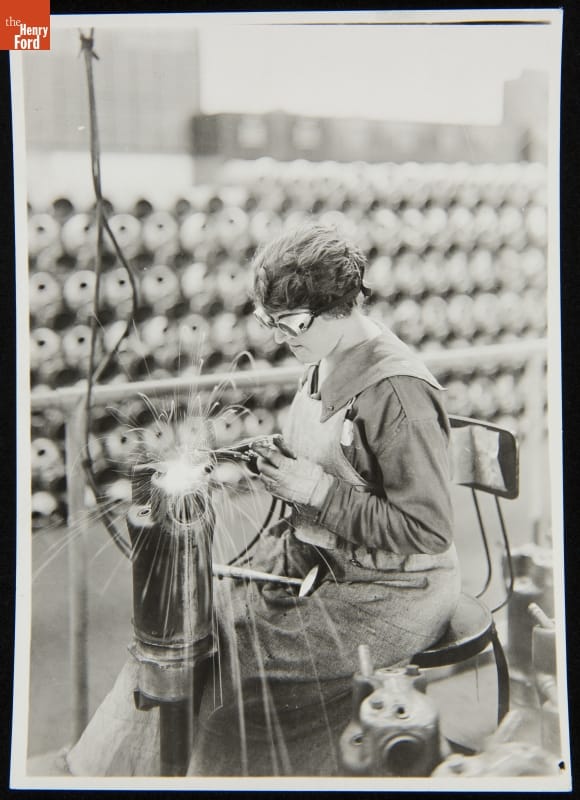
- Women Welder Working on Liberty Engines at the Lincoln Motor Company Plant, circa 1917 - During World War I, American women stepped into jobs traditionally held by men. Women were an important part of the wartime workforce at Lincoln Motor Company. Henry Leland formed Lincoln in 1917 to manufacture Liberty aircraft engines for the Allied Powers. Lincoln employees built 6,500 engines during the war. Packard, Ford, Marmon, Buick, and Cadillac produced Liberty engines too.
- circa 1917
- Collections - Artifact
Women Welder Working on Liberty Engines at the Lincoln Motor Company Plant, circa 1917
During World War I, American women stepped into jobs traditionally held by men. Women were an important part of the wartime workforce at Lincoln Motor Company. Henry Leland formed Lincoln in 1917 to manufacture Liberty aircraft engines for the Allied Powers. Lincoln employees built 6,500 engines during the war. Packard, Ford, Marmon, Buick, and Cadillac produced Liberty engines too.
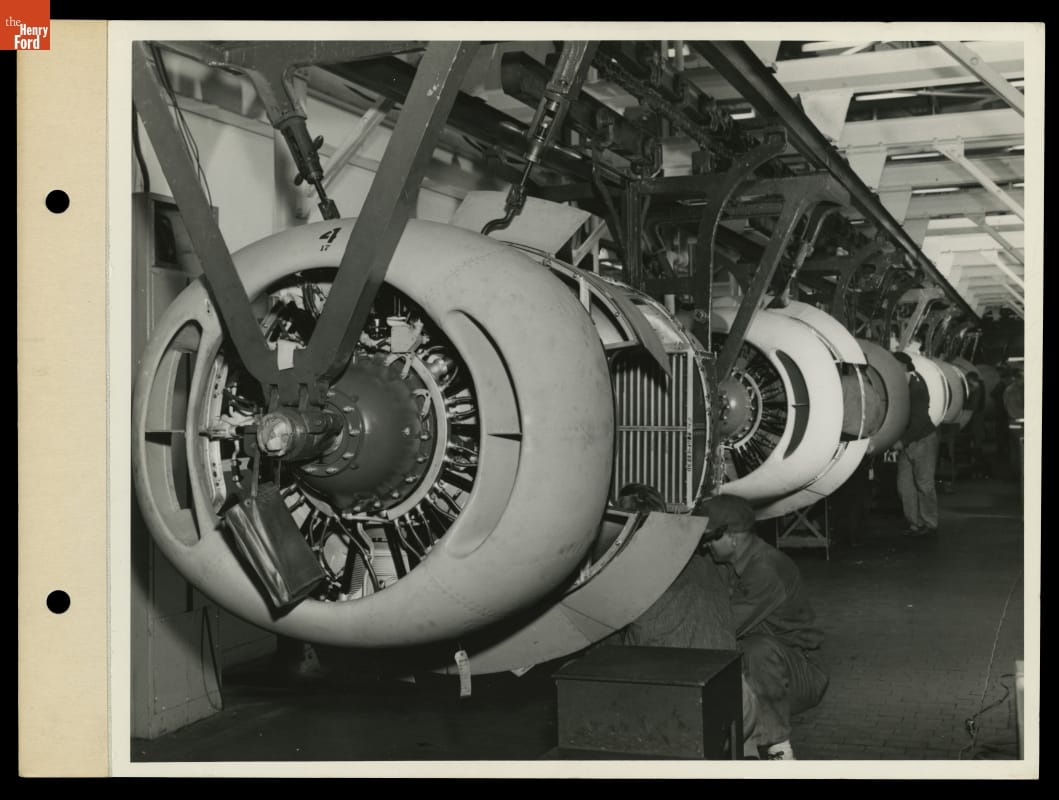
- B-24 Engine Assembly Line, Willow Run Bomber Plant, 1942 - At Willow Run, Ford Motor Company built B-24 bomber planes for World War II using automobile mass production techniques. Airplanes were much more complex than cars. They required constant design changes poorly suited to a standardized assembly line. Ford overcame these difficulties and, at the plant's peak, Willow Run crews produced an average of one bomber every 63 minutes.
- October 27, 1942
- Collections - Artifact
B-24 Engine Assembly Line, Willow Run Bomber Plant, 1942
At Willow Run, Ford Motor Company built B-24 bomber planes for World War II using automobile mass production techniques. Airplanes were much more complex than cars. They required constant design changes poorly suited to a standardized assembly line. Ford overcame these difficulties and, at the plant's peak, Willow Run crews produced an average of one bomber every 63 minutes.
- Ford Institutional Advertising on Military Vehicle Production, "Ford Announces New Models for 1943" - The American automobile industry essentially shut down for the duration of World War II -- shut down its civilian production, that is. American automakers turned their plants and workforces to the manufacture of war materiel. This 1943 advertisement features just some of the military items built by Ford Motor Company including tanks, jeeps, airplane engines, gliders, and B-24 bomber planes.

- 1943
- Collections - Artifact
Ford Institutional Advertising on Military Vehicle Production, "Ford Announces New Models for 1943"
The American automobile industry essentially shut down for the duration of World War II -- shut down its civilian production, that is. American automakers turned their plants and workforces to the manufacture of war materiel. This 1943 advertisement features just some of the military items built by Ford Motor Company including tanks, jeeps, airplane engines, gliders, and B-24 bomber planes.
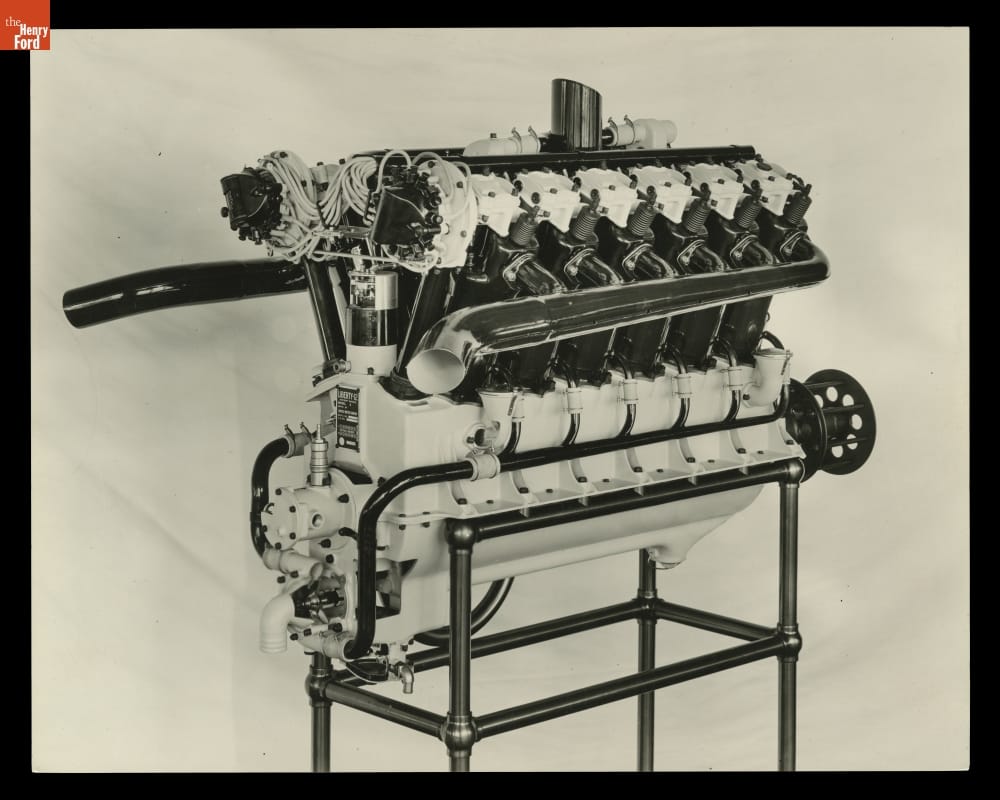
- Liberty V-12 Model A Airplane Engine, Lincoln Motor Company, circa 1917 - The 400-horsepower Liberty V-12 engine powered military aircraft during World War I. When pacifist and General Motors head Billy Durant wouldn't let Cadillac build the engines, Cadillac founder Henry Leland quit in protest, formed Lincoln Motor Company, and manufactured 6,500 of them. Packard, Ford, Marmon, and -- after Durant relented -- Buick and Cadillac also built Liberty engines.
- circa 1918
- Collections - Artifact
Liberty V-12 Model A Airplane Engine, Lincoln Motor Company, circa 1917
The 400-horsepower Liberty V-12 engine powered military aircraft during World War I. When pacifist and General Motors head Billy Durant wouldn't let Cadillac build the engines, Cadillac founder Henry Leland quit in protest, formed Lincoln Motor Company, and manufactured 6,500 of them. Packard, Ford, Marmon, and -- after Durant relented -- Buick and Cadillac also built Liberty engines.
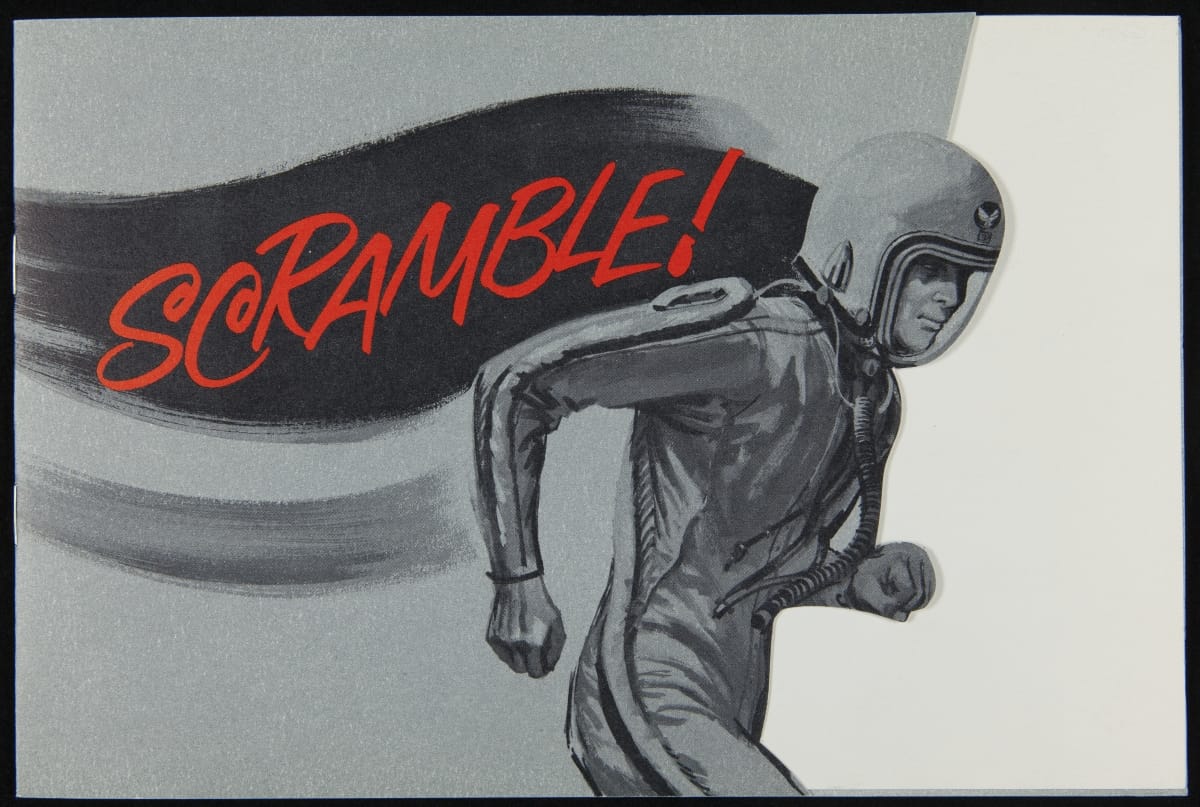
- "Scramble!" J57 Jet Engine Brochure, circa 1957 -
- circa 1957
- Collections - Artifact
"Scramble!" J57 Jet Engine Brochure, circa 1957
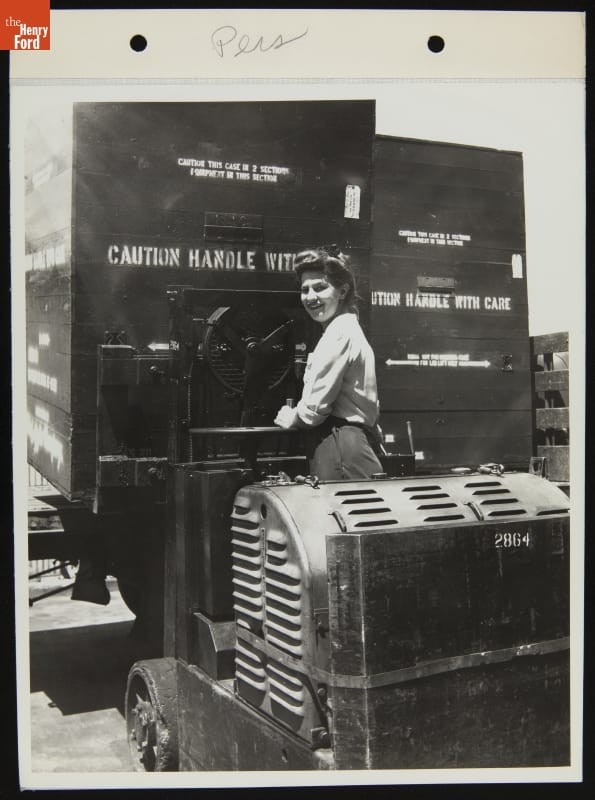
- Ruth Tap, First Woman to Operate Hilton Truck, Ford Rouge Plant Aircraft Engine Building, July 1943 -
- July 19, 1943
- Collections - Artifact
Ruth Tap, First Woman to Operate Hilton Truck, Ford Rouge Plant Aircraft Engine Building, July 1943
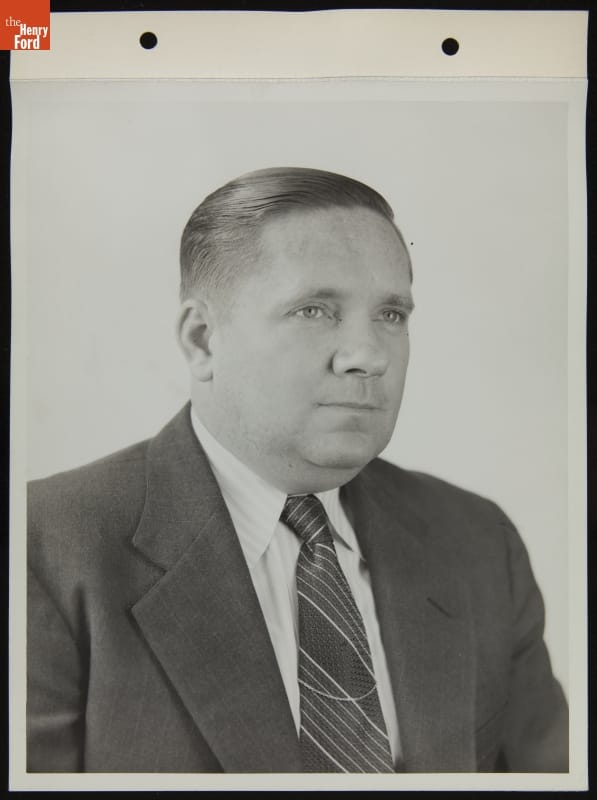
- Ford Employee and Detroit Northern Basketball Coach Eddie Powers, August 1944 - Edward "Eddie" Powers (1896-1971) served as both a high school basketball coach and a basketball referee, including officiating basketball for the 1936 summer Olympics. He also spent time working security for Ford Motor Company. Ford regularly featured workers, such as Powers, and touted their activities and interests in the factory and company newsletters.
- August 03, 1944
- Collections - Artifact
Ford Employee and Detroit Northern Basketball Coach Eddie Powers, August 1944
Edward "Eddie" Powers (1896-1971) served as both a high school basketball coach and a basketball referee, including officiating basketball for the 1936 summer Olympics. He also spent time working security for Ford Motor Company. Ford regularly featured workers, such as Powers, and touted their activities and interests in the factory and company newsletters.
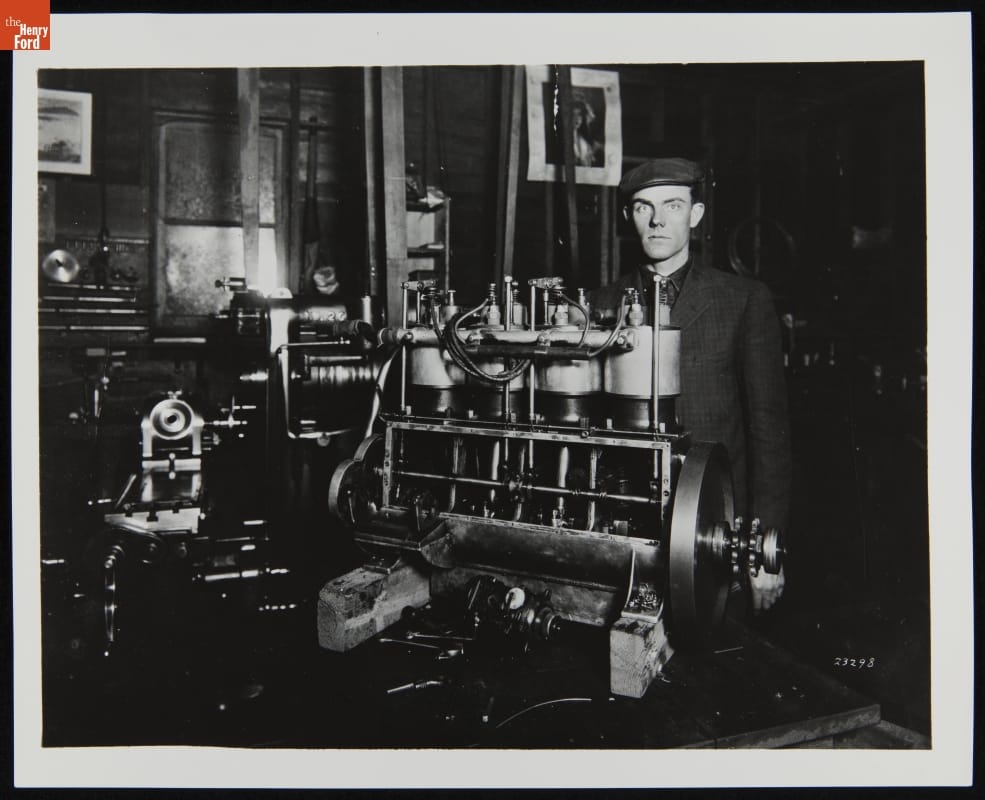
- Worker with Wright Model B Engine, 1912 - The Wright brothers introduced their first commercial aircraft, the Model B, in 1910. Approximately 100 copies were built. The Model B was powered by an inline four-cylinder engine of the type seen in this photograph. The water-cooled engine was rated at 36 horsepower and could push the airplane along at a cruising speed of about 40 miles per hour.
- 1912
- Collections - Artifact
Worker with Wright Model B Engine, 1912
The Wright brothers introduced their first commercial aircraft, the Model B, in 1910. Approximately 100 copies were built. The Model B was powered by an inline four-cylinder engine of the type seen in this photograph. The water-cooled engine was rated at 36 horsepower and could push the airplane along at a cruising speed of about 40 miles per hour.